Key Points
- Emergency Relocation: Havering Council has announced that specialist contractors will remove fish from the historic lake at Langtons Gardens in Hornchurch.
- Environmental Distress: The decision comes amidst severe weather conditions causing high water temperatures and declining oxygen levels, leaving aquatic wildlife “clearly suffering”.
- Operational Strategy: Contractors will use electrofishing techniques to humanely capture the fish before safely rehoming them to suitable alternative waters.
- Broader Impact: Local authorities across the region are facing mounting pressures to manage urban green spaces and protect biodiversity during prolonged periods of dry, hot weather.
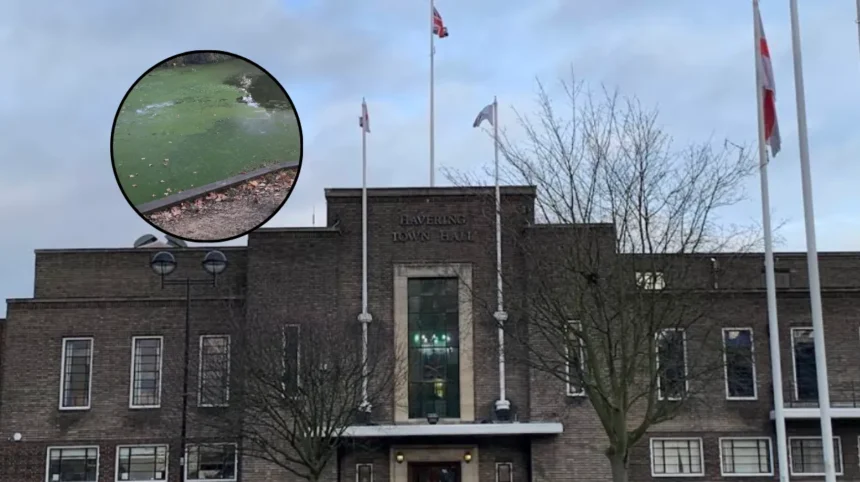
Hornchurch (East London Times) August 13, 2026 — Havering Council has confirmed that specialist contractors will carry out an emergency fish removal operation at the historic lake in Langtons Gardens following reports that local aquatic wildlife is in severe distress. The local authority announced the planned intervention after environmental assessments revealed that the ongoing heatwave and prolonged dry spells have critically compromised the water quality and oxygen levels within the lake, leaving the resident fish population struggling to survive in the shallowing waters.
Why are fish being removed from the Langtons Gardens lake?
The decision to intervene at the Grade II listed parkland in Hornchurch was triggered by a rapid deterioration in environmental conditions brought on by the sustained UK heatwave. Extended periods of high ambient temperatures combined with minimal rainfall have caused water levels in urban bodies of water to drop sharply. In enclosed ecosystems like the lake at Langtons Gardens, warmer water holds significantly less dissolved oxygen, creating a hazardous habitat for fish and other aquatic species.
According to statements issued by Havering Council, environmental officers monitoring the site observed clear indicators of physiological stress among the fish population. Observers noted fish gasping at the surface—a classic symptom of severe hypoxia—as well as increased risk of toxic algal blooms, which thrive in warm, stagnant, nutrient-rich shallow waters. To prevent a widespread die-off event, municipal leaders determined that an immediate rescue and relocation procedure was the only viable option to ensure the welfare of the wildlife.
How will contractors safely extract and rehome the wildlife?
Local authorities have arranged for certified environmental contractors to conduct the extraction process using controlled electrofishing techniques. This standard conservation method uses a mild electrical current passed through the water to temporarily stun the fish, allowing specialists to scoop them up harmlessly with dip nets.
Once netted, the fish will be placed into aerated holding tanks where their health, species, and overall condition will be logged by fishery officers. Following assessment, the fish will be transported to pre-approved, deeper water bodies with stable oxygen levels and healthier ecological balances, where they can be released safely. Officials noted that the removal operation will be timed carefully to minimise stress on the animals, often occurring during cooler morning hours when water temperatures are at their lowest point of the day.
Background of the particular development
Langtons Gardens is a prominent public space in the London Borough of Havering, anchored by a 18th-century Grade II listed manor house and grounds originally laid out by renowned landscape architect Humphrey Repton. The lake forms a focal feature of the historic gardens, supporting a variety of wild fowl, freshwater fish species, and insect life enjoyed by park visitors and local residents.
However, shallow urban lakes and historic ornamental ponds are particularly vulnerable to extreme climate events. Unlike deeper, free-flowing rivers or large reservoirs, small shallow water bodies lack thermal mass, meaning they heat up rapidly under direct sun exposure. In recent years, local councils across Greater London and the South East have increasingly had to deploy aeration equipment, top up water levels, or carry out emergency fish rescues as summers become hotter and drier. The ongoing situation at Langtons Gardens reflects a growing maintenance challenge faced by local governments responsible for managing heritage landscapes built centuries before modern climate pressures.
Prediction: How will this development affect local residents and visitors?
The temporary removal of fish from Langtons Gardens will directly impact local park users, wildlife enthusiasts, and the broader Hornchurch community in several distinct ways:
- Disruption to Recreational Park Use: Visitors to Langtons Gardens can expect temporary cordons and operational machinery around the lake perimeter while contractors execute the removal process. Noise and contractor vehicles may temporarily alter the quiet atmosphere of the historic gardens during peak operational hours.
- Altered Local Ecosystem: With the fish population temporarily removed, the aquatic balance of the pond will shift. In the short term, this may reduce visible wildlife activity along the banks, impacting birdwatchers and families who regularly visit the lake. However, removing the fish reduces ecological pressure on the remaining water body, preventing mass mortality events that would otherwise cause foul odours and public health concerns.
- Increased Municipal Focus on Climate Readiness: For taxpayers and residents in Havering, this development highlights the rising costs and resource demands associated with maintaining local parks amidst changing weather patterns. It is likely to prompt long-term municipal discussions regarding structural upgrades for park infrastructure—such as installing permanent solar aeration systems, desilting the lakebed, or deepening channels—to safeguard local ecosystems against future summer heatwaves.