Key Points
- Residents in Hornchurch, Havering, have raised concerns about town centre neglect, citing fly-tipping, littering and anti-social behaviour.
- Residents are particularly frustrated by repeated illegal dumping behind the former Pound Store premises and want stronger council action alongside greater public responsibility.
- Community members have praised council worker Robert for his efforts to keep the high street clean.
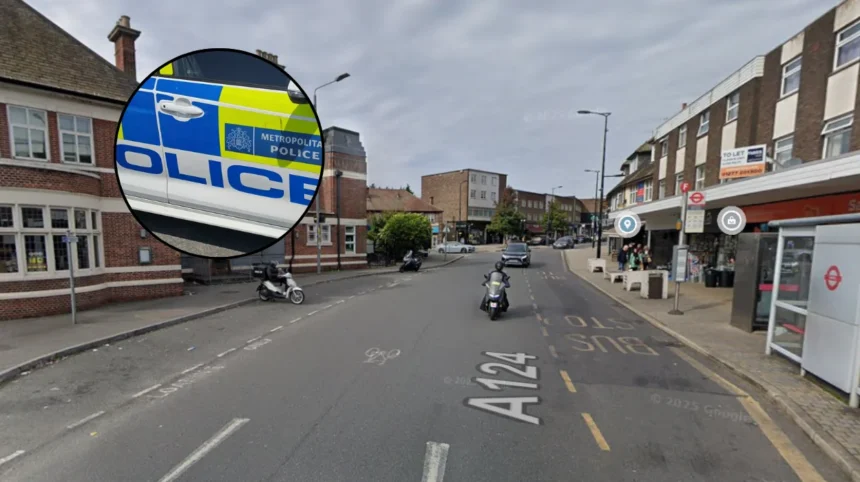
- Concerns about local policing remain, following a summer of youth-related anti-social behaviour and an alleged acid attack involving two teenagers near the High Street.
- Residents are calling for a fair share of resources and questioning whether Hornchurch is being neglected compared with other parts of Havering.
Hornchurch (East London Times) August 25, 2026 – Residents across Hornchurch have voiced mounting anger and frustration regarding the physical decline of their local area, pointing to systemic fly-tipping, unaddressed litter, and a widespread absence of visible policing across the town centre. Following recent reporting on community concerns within the area, local inhabitants have stepped forward to detail an ongoing sense of neglect, warning that the East London suburban town is rapidly being left behind. Concerns have focused primarily on public hygiene standards near key commercial sites and an alarming rise in local anti-social behaviour, leading many to demand direct accountability from both civic authorities and the local populace.
- Key Points
- Why Are Hornchurch Residents Raising Concerns Over Town Centre Cleanliness?
- Where Are the Local Police Officers in Hornchurch Town Centre?
- Is Hornchurch Receiving Its Fair Share of Borough Resources?
- Background to the Hornchurch Urban Management and Community Safety Issues
- Predictions for Hornchurch Residents, Businesses, and Local Authorities
Why Are Hornchurch Residents Raising Concerns Over Town Centre Cleanliness?
Community anger over street hygiene has intensified in recent weeks, with localized dumping sites becoming focal points for neighborhood discontent. A primary area of concern repeatedly highlighted by residents is the space situated directly behind the former Pound Store, where substantial piles of refuse, discarded household waste, and general litter have been allowed to accumulate. Local people report that the zone has grown increasingly unsanitary, prompting direct queries regarding the frequency of municipal clearance operations and the enforcement of statutory penalties against illegal fly-tippers.
Despite direct criticisms of local authority response times, members of the public have emphasized that civic duty and private accountability play an equally crucial role in resolving the problem. Community members have explicitly condemned individuals who drop litter or deliberately abandon commercial and domestic waste in public thoroughfares, arguing that neighborhood maintenance requires active cooperation from everyone living in and visiting the town.
Amid widespread frustration regarding street cleanliness, residents have nevertheless offered explicit praise for frontline municipal workers operating in the area. A council employee identified locally as Robert has received widespread recognition from town centre visitors and shopkeepers alike. Described as a familiar and highly respected presence on the streets, his continuous individual efforts to clear waste and maintain public cleanliness have been highlighted by residents as an example of dedication under challenging circumstances. However, local observers maintain that individual effort alone cannot substitute for systematic waste management and strict code enforcement.
Where Are the Local Police Officers in Hornchurch Town Centre?
Alongside concerns over waste and physical appearance, public safety and police visibility have emerged as central issues for the Hornchurch community. Residents have repeatedly questioned the current deployment levels of the Metropolitan Police Service within the borough, stating that uniformed patrols along the High Street and surrounding residential arteries have become increasingly rare.
This anxiety over police absence follows a turbulent summer characterized by persistent reports of youth-led anti-social behaviour across Hornchurch town centre. Members of the public have documented repeated instances of intimidating group gatherings in public open spaces, noise disturbances, and unmonitored late-night activity.
Community fears reached a critical peak following an alleged violent incident in proximity to the main commercial district, in which two teenagers were reportedly targeted in a suspected acid attack. An incident of such severity near a busy high street has amplified calls for an immediate, visible law enforcement response to restore public confidence, protect local businesses, and deter further violent or opportunistic crime.
Is Hornchurch Receiving Its Fair Share of Borough Resources?
The broader mood across Hornchurch reflects a growing perception among residents that their town is receiving inadequate attention and funding compared to neighboring areas within the London Borough of Havering. Community advocates stress that current grievances extend beyond isolated incidents of littering or singular acts of anti-social behaviour; rather, they reflect a pervasive sense that the overall environment of the town centre is being permitted to deteriorate.
Local shopkeepers, visitors, and long-term inhabitants have collectively articulated a clear vision for the high street, emphasizing the need for a well-maintained urban environment, active enforcement against illegal waste disposal, structured intervention against anti-social behaviour, and a consistent, reassuring presence of uniformed police officers on street foot patrols.
Background to the Hornchurch Urban Management and Community Safety Issues
The suburban town of Hornchurch, situated within the outer London Borough of Havering, has historically functioned as a key commercial and cultural hub for the eastern district of the capital. Over recent years, outer London high streets have faced structural pressures stemming from changing retail patterns, economic headwinds, and local government budgetary constraints. These wider trends have frequently resulted in reduced frequency for street cleansing schedules, commercial property vacancies, and reduced localized infrastructure investments.
Simultaneously, policing frameworks across London have undergone structural realignments under regional operational strategy over the past decade. The consolidation of police estates and operational shifts toward centralized response units have led to a noticeable reduction in dedicated neighborhood policing teams across outer boroughs. The combination of static local authority resources and reduced physical police station footprints has created visible gaps in town centre management, accelerating community perceptions of local neglect across suburban commercial centers like Hornchurch.
Predictions for Hornchurch Residents, Businesses, and Local Authorities
If current trends regarding waste accumulation and diminished police visibility remain unaddressed, Hornchurch is likely to experience compounding social and economic challenges over the short to medium term.
For local residents, persistent street-level litter and unanswered anti-social behavior risk lowering the overall quality of life, potentially leading to reduced footfall in public spaces and a further decline in community cohesion. Families and vulnerable community members may increasingly avoid the town centre during evening hours due to lingering safety concerns following recent violent incidents.
For local business owners along the High Street, visual decay and perceived lawlessness pose a direct financial threat. Increased instances of fly-tipping and anti-social behaviour can deter shoppers, reduce commercial property values, and make the local high street less attractive to potential investors or incoming businesses.
For the London Borough of Havering and local policing commanders, the escalating public outcry will likely necessitate a reallocation of visible resources. Failure to implement targeted enforcement campaigns against fly-tippers and establish visible, scheduled foot patrols risks further alienating the local electorate and aggravating public health and safety challenges across the borough.