Key Points
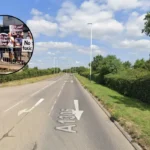
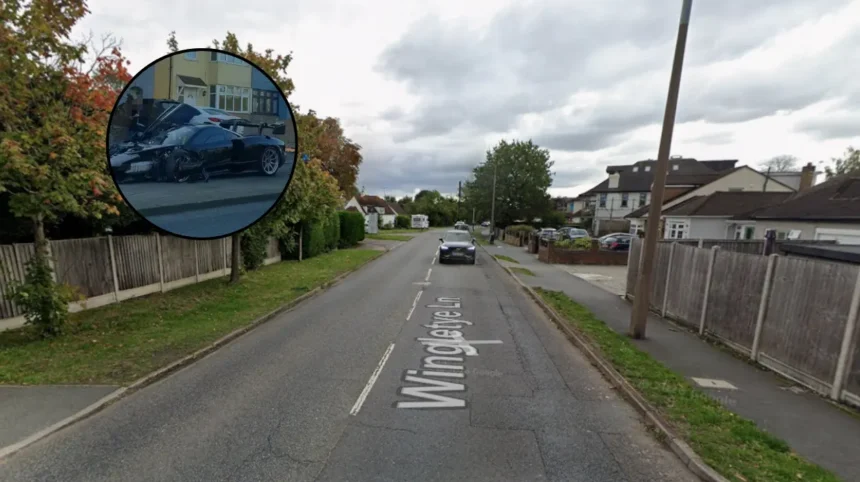
- Location and Extent: The A127 Southend Arterial Road was completely blocked London-bound between Hall Lane in Upminster and Wingletye Lane in Hornchurch following a serious collision.
- Emergency Response: Paramedics, fast response cars, incident response officers, the London Fire Brigade, and the Metropolitan Police Service were deployed to the scene at 5:35 am.
- Casualties and Injuries: Three people required medical attention at the scene; an adult and a child were subsequently transported to hospital with non-life-threatening and non-life-changing injuries.
- Traffic Disruption: The incident caused significant delays across Havering during the morning peak travel window before emergency service personnel cleared the scene and reopened the carriageway.
Havering (East London Times) August 17, 2026 – A serious early-morning road traffic collision resulted in the full blockage of the A127 Southend Arterial Road, heavily impacting commuters travelling London-bound towards Greater London. The multi-agency emergency response forced officers to close the vital artery between Hall Lane in Upminster and Wingletye Lane in Hornchurch as paramedics evaluated multiple casualties at the scene.
As reported by reporter Olivia Carter of the Romford Recorder, emergency services were dispatched to the site during the early hours of Monday morning following urgent calls regarding a major collision. The London Ambulance Service received the initial report at 5:35 am, prompting a large-scale deployment to the junction where traffic merges from Hall Lane.
Emergency responders including paramedics in fast response cars, an incident response officer, a clinical team manager, crews from the London Fire Brigade, and officers from the Metropolitan Police Service quickly secured the site. Police and fire vehicles parked across all affected London-bound lanes to ensure safety while emergency care was administered.
As reported by reporter Olivia Carter of the Romford Recorder, three individuals were evaluated at the scene by medical teams. Following on-site triage, an adult and a child were transported to hospital for further treatment. Medical assessments confirmed that their injuries were neither life-threatening nor life-changing. Following the completion of initial investigations and vehicle removal, emergency services managed to reopen the carriageway to traffic.
What Is the Background to Traffic and Safety Concerns on the A127 Corridor?
The A127 Southend Arterial Road is one of the busiest primary routes connecting Essex, Southend-on-Sea, and outer East London directly to the M25 motorway and central London infrastructure. Stretching through Havering—spanning critical junctions such as Hall Lane in Upminster and Wingletye Lane in Hornchurch—the dual carriageway experiences heavy traffic volumes during morning peak periods.
Because the route serves as a core commuter arterial corridor, even minor incidents frequently lead to extensive gridlock across surrounding local residential networks in Hornchurch, Upminster, and Romford. Over recent years, local authorities, transport agencies, and residents have highlighted the challenges associated with high speeds and merging lanes at key junctions along the arterial road. Emergency service protocols require complete carriageway closures whenever collisions occur near complex junction merges, ensuring responders have sufficient perimeter space to manage casualty care safely.
How Will This Latest Development Affect Local Commuters and Residents?
This collision highlights the vulnerability of outer East London’s transport infrastructure to sudden blockages. The primary groups affected by developments of this nature include:
- Daily Commuters: Drivers using the A127 into London face severe delays, disrupted schedules, and unexpected congestion along primary diversionary routes through Upminster and Hornchurch town centres.
- Local Residents: Diverted traffic onto residential streets surrounding Hall Lane and Wingletye Lane increases noise, congestion, and local air quality strains during morning rush hours.
- Emergency Planning Authorities: Repeated incidents along major dual carriageways often lead transport planning groups and local councils to review junction layouts, signal timing, and safety measures along high-density merge zones.