Tower Hamlets is one of East London’s most varied destinations, combining royal heritage, historic markets, riverside landscapes, museums, modern business districts, parks and multicultural neighbourhoods. The London borough sits along a major section of the River Thames and includes areas such as Whitechapel, Stepney, Bethnal Green, Bow, Poplar, Limehouse and the Isle of Dogs.
- What makes Tower Hamlets a good holiday destination?
- Which historic attractions should you visit in Tower Hamlets?
- What can you explore around Brick Lane and Spitalfields?
- Which museums and cultural attractions are worth visiting?
- Where can you find the best green spaces in Tower Hamlets?
- What can you do around Canary Wharf and the Docklands?
- Which local markets and shopping areas should you explore?
- Which Tower Hamlets areas are best for food and dining?
- How should you plan a Tower Hamlets holiday itinerary?
- What should first-time visitors know before exploring Tower Hamlets?
- Why does Tower Hamlets remain relevant for future London holidays?
For holidaymakers, Tower Hamlets provides access to some of London’s most recognisable landmarks while also offering neighbourhood experiences away from the traditional central-London sightseeing circuit. The Tower of London and Tower Bridge provide major heritage attractions, while Brick Lane, Spitalfields, Victoria Park and Canary Wharf create different experiences across a relatively compact area.
The borough has a particularly strong connection with London’s East End history. Tower Hamlets Council describes the area as the heart of the East End and highlights archaeological evidence extending back thousands of years. Its modern identity combines historic communities, regeneration, cultural venues and the financial centre around Canary Wharf.
What makes Tower Hamlets a good holiday destination?
Tower Hamlets is a strong holiday destination because it combines historic landmarks, markets, museums, parks, riverside scenery, cultural attractions and modern architecture within East London. Visitors can experience the Tower of London, Brick Lane, Victoria Park, Canary Wharf and Docklands during one stay.
Tower Hamlets works particularly well for travellers who want different types of sightseeing without repeatedly travelling into central London. Its neighbourhoods have distinct identities, allowing visitors to combine major attractions with local streets, food markets and green spaces.
The borough also has excellent cultural variety. Spitalfields and Brick Lane are closely associated with markets, food, independent businesses and East End heritage. Canary Wharf presents a contrasting environment dominated by contemporary architecture, public spaces, restaurants and financial institutions.
The River Thames provides another major geographical feature. The southern boundary of Tower Hamlets follows the distinctive bend of the Thames, creating important riverside areas around the Tower of London, Wapping, Limehouse, Canary Wharf, Poplar and the Isle of Dogs.
This mixture makes Tower Hamlets suitable for different holiday styles. A first-time visitor can concentrate on major landmarks. A returning London traveller can focus on markets, neighbourhood walks, museums and parks. Business travellers can also use the borough’s attractions during evenings or free afternoons.
Which historic attractions should you visit in Tower Hamlets?
Tower Hamlets contains major historic attractions including the Tower of London, Tower Bridge, Christ Church Spitalfields and historic streets around Spitalfields and Whitechapel. These places reveal the borough’s royal, commercial, religious, maritime and working-class heritage across different periods.
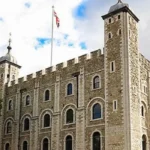
The Tower of London is the most significant historic attraction in the borough. The fortress was begun by William the Conqueror in the 1070s and developed over centuries as a royal palace, fortress and prison. Historic Royal Palaces states that the site attracts more than three million visitors annually.
The Tower of London is also a UNESCO World Heritage Site and a Grade I listed building. Tower Hamlets Council identifies it as one of the borough’s principal heritage assets.
Visitors can explore the medieval fortress, see the Crown Jewels and learn about the site’s royal and political history. The Yeoman Warders, often known as Beefeaters, provide guided interpretation of the complex.
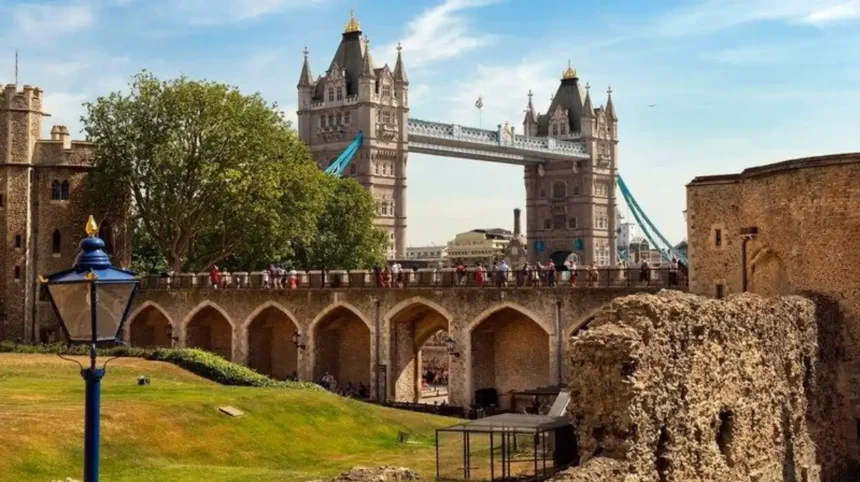
Nearby Tower Bridge provides another major landmark experience. Its elevated walkways offer views across the River Thames, while its historic engine rooms explain the operation of the bridge’s original machinery.
The eastern side of the borough contains Spitalfields, where historic streets connect religious buildings, markets, former industrial sites and Georgian architecture. Tower Hamlets Council’s official Spitalfields walking route includes Fournier Street, Christ Church Spitalfields, Brick Lane, Truman’s brewery complex, Artillery Passage and Spitalfields Market.
The area provides a particularly strong historical walking experience because the attractions are close together. Visitors can move from historic architecture to contemporary shops, cafés and restaurants without leaving the neighbourhood.
As you explore the modern sites and regenerated streets, you are crossing land with a deep heritage. Read the full to understand its origins.
What can you explore around Brick Lane and Spitalfields?
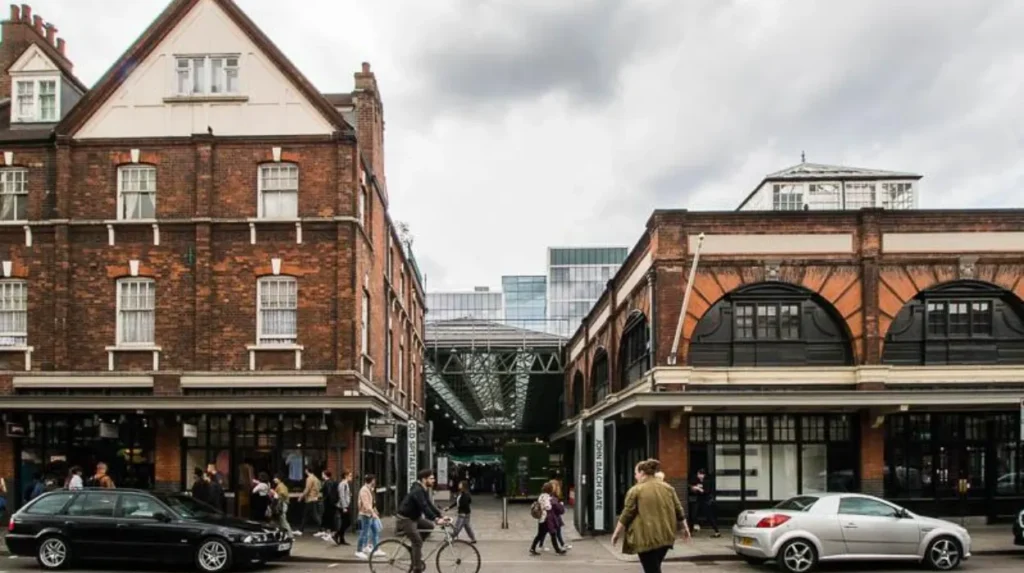
Brick Lane and Spitalfields provide one of Tower Hamlets’ strongest combinations of markets, food, architecture, street culture, independent businesses and heritage. Visitors can connect Brick Lane, Old Spitalfields Market, Fournier Street, Christ Church and surrounding streets on foot.
Brick Lane is one of East London’s best-known destinations. The street connects several cultural layers, including historic Jewish and Bangladeshi communities, independent businesses, restaurants, street art and market activity.
The surrounding Spitalfields area adds a more architectural dimension. Fournier Street contains well-preserved Georgian buildings, while Christ Church Spitalfields provides an important eighteenth-century landmark.
Old Spitalfields Market is another central attraction. Its covered market environment supports shopping, food and independent retail activity. Visit London identifies Old Spitalfields Market, Brick Lane Market, Petticoat Lane Market, Whitechapel Art Gallery and Christ Church Spitalfields among the area’s major visitor attractions.
The neighbourhood also has strong food credentials. Brick Lane is particularly associated with South Asian restaurants and food businesses. Visitors can find curries, street food, bakeries, cafés and international cuisines across the surrounding streets.
For shoppers, the area provides a different experience from London’s major department stores. Independent fashion businesses, vintage retailers, market stalls, design shops and specialist food outlets create a varied retail environment.
Street art is another important part of the local visitor experience. Walls and buildings around Brick Lane and nearby Shoreditch frequently feature large-scale murals and changing artworks.
The best approach is to treat Brick Lane and Spitalfields as a walking district rather than a single attraction. Start around Spitalfields Market, continue towards Fournier Street and Christ Church, then walk along Brick Lane towards the wider Whitechapel and Shoreditch area.
Which museums and cultural attractions are worth visiting?
Tower Hamlets has museums and cultural venues covering London’s port history, childhood, design, contemporary art and local communities. The Museum of London Docklands, Young V&A and Whitechapel Gallery provide three different cultural experiences suitable for varied holiday itineraries.
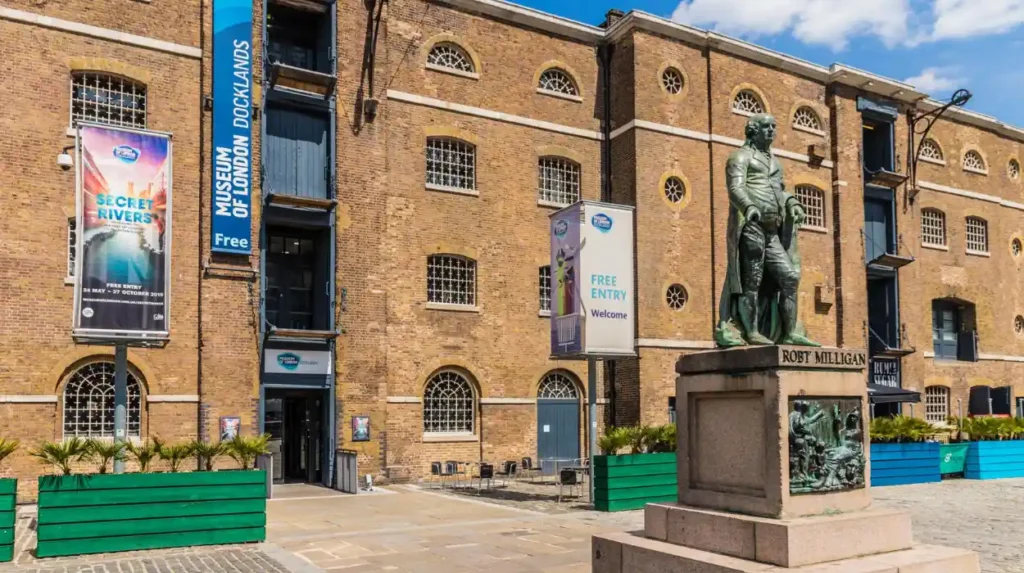
The Museum of London Docklands is one of the borough’s most important museums. It explains London’s relationship with the River Thames, docks, trade and maritime commerce. Tower Hamlets Council identifies the museum as a key place for understanding the borough’s more recent history as London’s port.
The museum is located in the historic Docklands area near Canary Wharf. Its location makes it easy to combine with a wider Docklands itinerary.
The Young V&A in Bethnal Green focuses on children and young people, with collections and displays connected to design, creativity, play and childhood. It is particularly relevant for families looking for an indoor cultural attraction.
The Whitechapel Gallery provides a different cultural experience. Located near Whitechapel, it is an established contemporary art institution with an international programme.
Tower Hamlets also contains smaller cultural venues and creative spaces. Rich Mix in Bethnal Green supports film, performance, music and cultural programming. Visit London’s Spitalfields listings also identify Rich Mix, Dennis Severs’ House and other cultural attractions in the wider district.
These venues create useful alternatives when weather affects outdoor sightseeing. They also provide more focused experiences for visitors who have already seen London’s major royal and architectural landmarks.
Where can you find the best green spaces in Tower Hamlets?
Tower Hamlets has an extensive network of parks and green spaces, with Victoria Park, Mile End Park, Island Gardens and Tower Hamlets Cemetery Park providing different outdoor experiences. These spaces support walking, recreation, nature observation, family activities and relaxation.
Tower Hamlets Council states that the borough has more than 120 parks and green spaces, ranging from pocket parks and garden squares to major public parks. Fourteen parks hold Green Flag Awards, while the borough has also received London in Bloom recognition.
Victoria Park is the largest and most prominent green space. It covers approximately 86 hectares and opened in 1845 as a public park for London’s East End population. The council describes it as London’s oldest public park and reports more than nine million visits each year.
The park contains lakes, historic monuments, gardens, sports facilities, cafés, a bandstand and extensive open lawns. It is suitable for walking, picnicking, cycling and recreational activities.
Mile End Park provides a different landscape. It forms a long green corridor through the borough and contains the Ecology Pavilion, Art Pavilion, sports facilities and landscaped areas. The park connects different neighbourhoods while creating opportunities for outdoor recreation.
Island Gardens sits on the southern side of the Isle of Dogs. It provides views across the Thames towards Greenwich and forms part of the setting of the Maritime Greenwich World Heritage Site.
Tower Hamlets Cemetery Park offers another type of outdoor experience. It is a nature reserve with historical and ecological importance.
The range of green spaces means visitors do not need to leave Tower Hamlets to find quieter areas. This is particularly useful for travellers spending several days in East London.
What can you do around Canary Wharf and the Docklands?
Canary Wharf and the Docklands showcase Tower Hamlets’ modern identity through skyscrapers, waterside public spaces, shopping, restaurants, cultural venues and transport connections. The area provides a strong contrast with the historic streets of Spitalfields and Whitechapel.
Canary Wharf is one of London’s most recognisable financial districts. Its high-rise skyline represents the transformation of former docklands into a major commercial centre.
Tower Hamlets Council describes Canary Wharf as an internationally recognised Docklands district and a major European financial centre.
For visitors, Canary Wharf offers more than office buildings. The district contains public squares, waterside paths, restaurants, cafés, shops and architectural landmarks.
The Museum of London Docklands provides the historical context behind this transformation. Visitors can move from the museum’s interpretation of the historic port to Canary Wharf’s contemporary business environment within the same wider district.
The waterside environment also creates opportunities for photography and walking. Modern towers rise around docks and waterways, producing a distinctly different visual environment from the Victorian and Georgian streets further north.
Canary Wharf works particularly well during an evening itinerary. Restaurants and public spaces provide opportunities to continue sightseeing after traditional museum hours, subject to individual venue opening times.
For business travellers, the district provides a convenient combination of work-related activity, dining and leisure. For tourists, it demonstrates how East London’s former industrial landscape developed into a major international business centre.
Which local markets and shopping areas should you explore?
Tower Hamlets has several important markets, including Spitalfields Market, Brick Lane Market and Petticoat Lane Market. These destinations combine clothing, food, independent retail, street trading and local culture across neighbouring districts in the historic East End.
Markets form an important part of Tower Hamlets’ visitor identity. The borough’s tourism information specifically highlights historic Spitalfields Market and vibrant Brick Lane among its major market destinations.
Spitalfields Market provides a covered market environment with food, retail and independent businesses. Its location near Liverpool Street and the City of London makes it easy to incorporate into a central-East London itinerary.
Brick Lane Market provides a more street-focused experience. The wider Brick Lane area is associated with vintage clothing, food, art, independent shops and changing market activity.
Petticoat Lane Market, centred around Middlesex Street and nearby streets, is another established East End shopping destination. It has a long association with clothing and market trading.
Visitors should check individual market operating days and times before travelling because market activity varies by day and individual traders.
Shopping in Tower Hamlets also extends beyond traditional markets. Canary Wharf provides a modern retail environment, while Spitalfields and Brick Lane support independent and specialist businesses.
The combination gives holidaymakers several shopping formats within a relatively small geographical area. A traveller can explore heritage markets during the day, visit museums in the afternoon and finish with restaurants around Brick Lane or Canary Wharf.
Which Tower Hamlets areas are best for food and dining?
Tower Hamlets provides a highly diverse food scene shaped by South Asian, British, Middle Eastern, European and international communities. Brick Lane, Spitalfields, Whitechapel and Canary Wharf offer different dining environments for casual meals, market food and restaurants.
Brick Lane remains one of the best-known food destinations in the borough. Its restaurant history is strongly connected with the Bangladeshi community and South Asian cuisine.
Visitors can find curry restaurants, cafés, bakeries, street food and international options throughout the wider Spitalfields and Whitechapel districts.
The food experience changes as visitors move towards Canary Wharf. Restaurants in the Docklands district serve a broad range of cuisines and provide more contemporary dining environments.
Markets also contribute to Tower Hamlets’ food culture. Spitalfields and Brick Lane provide opportunities to combine shopping with casual food experiences.
Food tourism works particularly well as part of a walking itinerary. Visitors can explore historic streets around Spitalfields, continue through Brick Lane and finish around Whitechapel.
For a more modern setting, Canary Wharf provides restaurants around waterside areas and commercial districts. This creates a clear contrast between the traditional East End food environment and the contemporary Docklands dining scene.
Visitors should always check current opening hours, booking requirements and menus directly with individual venues, particularly during bank holidays and major London events.
How should you plan a Tower Hamlets holiday itinerary?
A practical Tower Hamlets itinerary should group attractions by neighbourhood to reduce unnecessary travel. Combine the Tower of London and riverside landmarks first, Spitalfields and Brick Lane next, then Canary Wharf or Victoria Park according to available time.
A one-day itinerary can focus on the borough’s major landmarks. Start at the Tower of London, continue towards Tower Bridge, then travel north towards Spitalfields. Explore Christ Church, Fournier Street and Spitalfields Market before continuing to Brick Lane.
A two-day itinerary allows more time for museums and parks. Use the first day for the Tower of London, Tower Bridge, Wapping and Spitalfields. Use the second day for the Museum of London Docklands, Canary Wharf and Victoria Park.
A three-day stay provides enough time to include cultural attractions and less central areas. Add Young V&A, Whitechapel Gallery, Mile End Park, Island Gardens or Tower Hamlets Cemetery Park.
Transport planning is important because Tower Hamlets contains several distinct neighbourhoods. London Underground, London Overground, Docklands Light Railway, Elizabeth line services and local buses provide connections to different parts of the borough.
Walking also works well in several districts. Spitalfields, Brick Lane and Whitechapel are particularly suitable for pedestrian exploration because multiple attractions are concentrated within a relatively small area.
Victoria Park is more suitable for a dedicated outdoor visit because its large scale requires additional walking time. The council lists Mile End as the nearest Underground station for Victoria Park, with the park also accessible from nearby rail stations.
Explore More Area Guide
Exploring Tower Hamlets: East London Attractions 2026
Tower Hamlets Tourist Guide: Best Experiences East London
What should first-time visitors know before exploring Tower Hamlets?
First-time visitors should divide Tower Hamlets into geographic zones, check attraction opening times, allow additional time for major landmarks and use public transport between distant districts. Combining heritage, markets, museums, parks and Docklands creates the most complete holiday experience.
The first priority is identifying the area’s different character zones. The Tower and Wapping focus on royal and riverside heritage. Whitechapel and Spitalfields provide markets, food and cultural attractions. Bethnal Green provides museums and green spaces. Canary Wharf represents modern Docklands.
Weather also affects planning. Museums provide strong indoor alternatives during wet conditions, while Victoria Park, Island Gardens and riverside walks are better suited to dry weather.
Major attractions require realistic time allocations. The Tower of London is a substantial historic complex rather than a short photo stop. The same applies to Victoria Park because its 86-hectare landscape contains numerous facilities and points of interest.
Visitors should also respect local park rules. Tower Hamlets Council operates park byelaws and specifically states that barbecues are not permitted in its parks and open spaces.
The borough’s heritage requires careful treatment. Tower Hamlets contains archaeological areas and protected heritage assets, including the Tower of London World Heritage Site.
The strongest holiday approach is therefore structured but flexible. Group nearby attractions together, allow time for food and markets, and leave space for unexpected discoveries along the borough’s historic streets.
Why does Tower Hamlets remain relevant for future London holidays?
Tower Hamlets remains important because its visitor offer connects protected heritage with cultural diversity, major transport infrastructure, green spaces and Docklands regeneration. The borough provides both historic London experiences and contemporary urban environments within one East London destination.
The borough’s future relevance comes from this combination of established attractions and continuing urban development.
The Tower of London preserves almost a millennium of royal and national history. Historic Royal Palaces records its origins in the 1070s and its changing roles as fortress, royal palace and prison.
At the opposite end of the historical spectrum, Canary Wharf represents London’s modern financial economy. Its skyline and commercial infrastructure demonstrate the scale of Docklands regeneration.
Green infrastructure is another important component. Tower Hamlets Council manages more than 120 parks and green spaces, while Victoria Park alone receives more than nine million visits annually.
Cultural diversity remains equally important. Spitalfields, Brick Lane and Whitechapel connect historic migration, religious communities, food traditions, markets and contemporary creative activity.
This combination gives Tower Hamlets a broad visitor proposition. Travellers can explore medieval royal history, Victorian public parks, historic markets, maritime heritage, contemporary art and modern finance without travelling across London’s entire metropolitan area.
For holidaymakers, that geographical concentration is the central advantage. Tower Hamlets is not defined by one attraction. It is a collection of connected neighbourhoods with distinct histories and visitor experiences.
What are the best places to visit in Tower Hamlets?
The best places to visit in Tower Hamlets include the Tower of London, Tower Bridge, Brick Lane, Spitalfields Market, Victoria Park, Canary Wharf, Museum of London Docklands and Whitechapel Gallery. These attractions cover history, culture, shopping, food, green spaces and modern architecture.