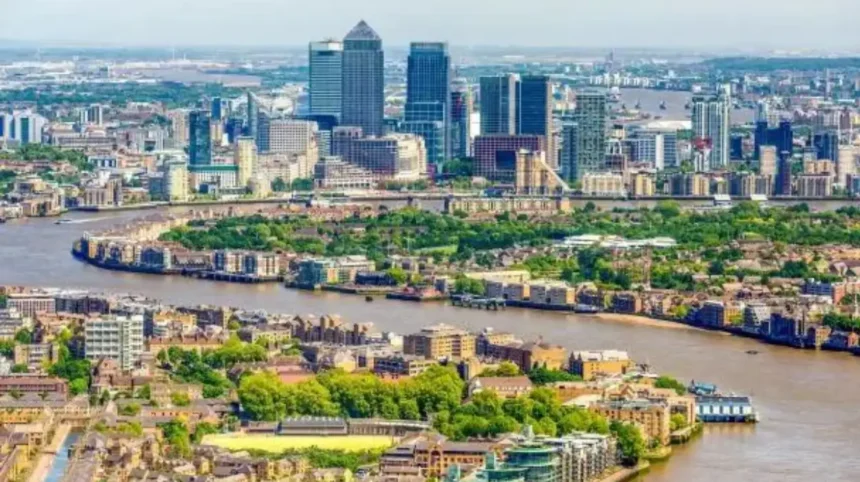
Tower Hamlets is one of London’s most diverse boroughs and one of the strongest places to experience the historic and contemporary character of East London. The borough stretches from the River Thames and Tower Bridge through Whitechapel, Spitalfields, Bethnal Green, Stepney, Poplar, Limehouse, Canary Wharf and the Isle of Dogs.
- Why is Tower Hamlets an important destination in East London?
- Which historic landmarks should tourists visit in Tower Hamlets?
- What can visitors discover around Brick Lane and Spitalfields?
- Which museums and cultural attractions are worth visiting in Tower Hamlets?
- Where can tourists experience the best markets in Tower Hamlets?
- Where are the best green spaces for relaxing in Tower Hamlets?
- What riverside and Docklands experiences can visitors enjoy?
- Where should visitors go for food and East London dining experiences?
- How can tourists explore Tower Hamlets using public transport and walking routes?
- Which Tower Hamlets neighbourhoods are best for different types of visitors?
- What makes Tower Hamlets important for the future of East London tourism?
Its visitor appeal comes from the combination of royal heritage, maritime history, immigrant communities, food culture, markets, contemporary art, architecture, parks and modern business districts. A single visit can connect a medieval fortress with Victorian engineering, former docks with skyscrapers, historic markets with independent food businesses, and large public parks with canal-side paths.
Tower Hamlets Council describes the borough as the heart of the East End and highlights its long history, cultural diversity, riverside setting and transformation from a port district into a modern financial and residential area.
For travellers, the borough works particularly well because its attractions are concentrated around several connected neighbourhoods. Visitors can explore historic sites around Tower Hill, walk through Spitalfields and Brick Lane, discover museums around the Docklands, relax in Victoria Park, or spend time around Canary Wharf and the Thames.
Why is Tower Hamlets an important destination in East London?
Tower Hamlets combines historic East End neighbourhoods, the River Thames, former docks, financial districts, markets, parks and cultural venues. Its identity reflects centuries of migration, trade, industry, regeneration and creative activity, making the borough unusually diverse within central East London.
Tower Hamlets occupies a strategically important part of London. Its southern boundary follows the River Thames, while the borough connects the City of London with the wider Docklands and East London.
The name Tower Hamlets comes from the historical relationship between the Tower of London and the settlements that surrounded it. The borough contains evidence of human activity stretching back thousands of years, including archaeological finds from the Stone and Bronze Ages.
The area later became strongly associated with London’s docks, warehouses, manufacturing and working-class communities. The River Thames provided the foundation for commercial activity, while canals and dock systems connected warehouses and industrial areas with wider transport networks.
Modern Tower Hamlets has a different economic structure. Canary Wharf is a major international business district, while neighbourhoods such as Whitechapel, Spitalfields and Bethnal Green retain strong independent retail, cultural and food identities.
This combination gives visitors several distinct experiences without leaving the borough.
Which historic landmarks should tourists visit in Tower Hamlets?
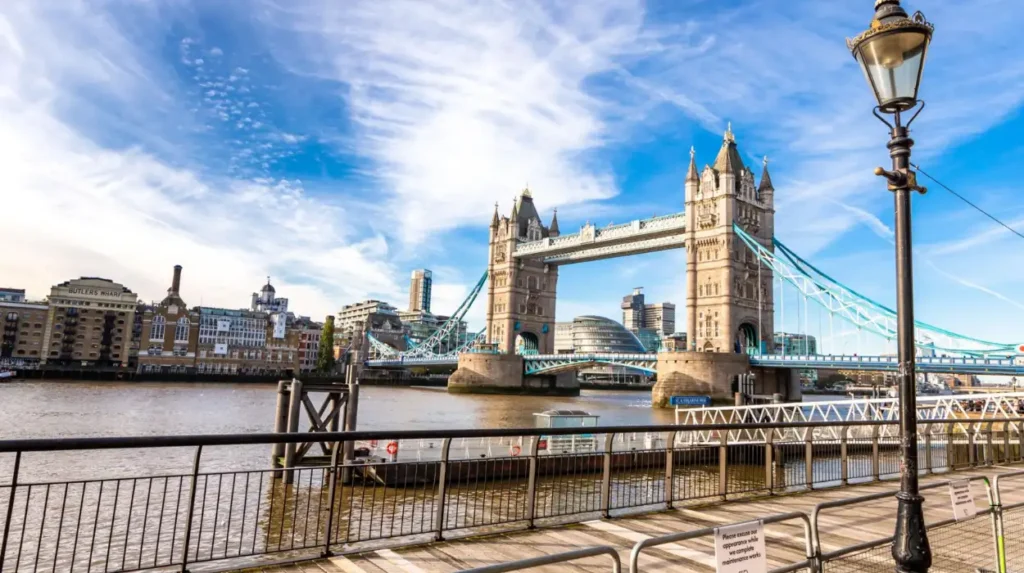
Tower Bridge, the Tower of London, St Katharine Docks, Christ Church Spitalfields and historic East End streets provide a concentrated introduction to Tower Hamlets. Together they reveal royal, religious, commercial, engineering and maritime developments that shaped East London.
Tower Bridge is one of the borough’s most recognisable landmarks. The bridge opened on 30 June 1894 after eight years of construction. Its bascules were designed to lift road traffic above the River Thames while maintaining access for ships travelling through the Pool of London.
The bridge remains a working crossing and contains visitor facilities that explain its engineering and history. Its elevated walkways provide views towards the Thames, the City of London and the Docklands.
The Tower of London provides another major historic attraction. The fortress sits beside the Thames and has served different royal, military and institutional functions throughout its long history. Its position helps explain the development of the surrounding borough and the strategic importance of the river.
St Katharine Docks provides a contrasting experience. The docks opened officially on 25 October 1828 following a design associated with engineer Thomas Telford. The complex was built around linked basins and an entrance lock connecting it with the Thames.
Christ Church Spitalfields is another important architectural landmark. Designed by Nicholas Hawksmoor, the church was completed in 1729 and forms part of the historic streetscape around Commercial Street and Spitalfields.
As you explore these modern visitor sites, you are crossing land with a deep heritage. Read the full to understand the historical origins of Tower Hamlets and its transformation through the centuries.
What can visitors discover around Brick Lane and Spitalfields?
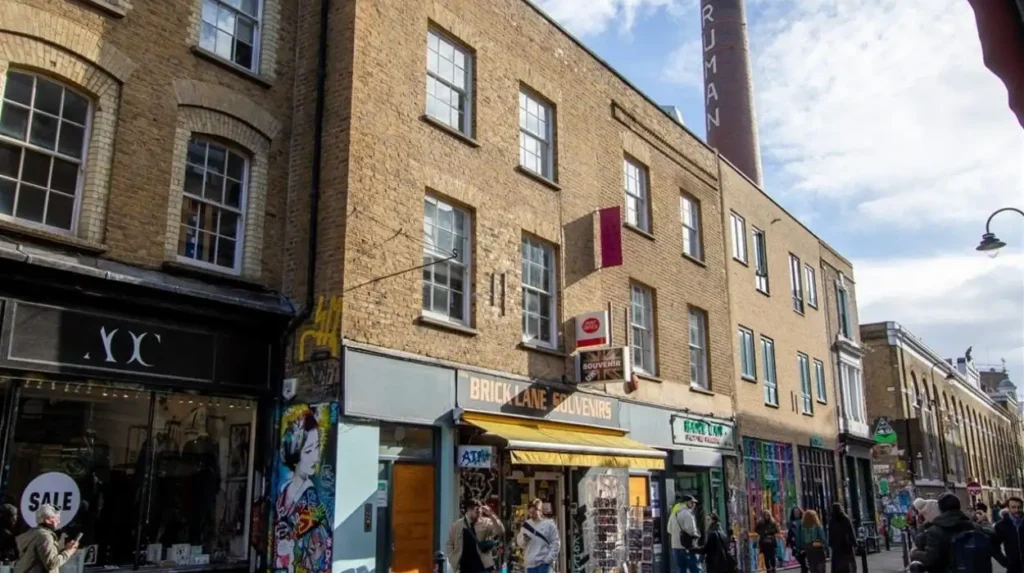
Brick Lane and Spitalfields combine markets, international food, street art, independent businesses, historic architecture and migrant heritage. The area provides one of the clearest introductions to East London’s evolving cultural identity and its long tradition of commerce.
Brick Lane is one of the defining visitor destinations in Tower Hamlets. Tower Hamlets Council identifies the street as an important East End location with French Huguenot, Jewish and Bangladeshi heritage.
The street is particularly associated with food. Restaurants and food businesses represent cuisines from different parts of the world, including South Asian, Turkish, Japanese and Argentinian influences.
Brick Lane Market operates on Sundays. The council describes its offer as including fashion, food and art. The market was established in 1888 and developed from a longer tradition of trading in the area.
Visitors can also explore nearby Cheshire Street and Sclater Street. Historic buildings survive alongside newer creative businesses, independent shops and market spaces.
Old Truman Brewery is another important destination. The former brewery site has developed into a cultural and commercial complex containing creative businesses, exhibitions and events.
Spitalfields adds another layer of history. Christ Church Spitalfields, historic commercial buildings and Old Spitalfields Market create a walkable area where architectural heritage sits alongside contemporary shopping and dining.
The neighbourhood is particularly suitable for visitors who want to combine sightseeing with food and shopping rather than visiting conventional museums alone.
Which museums and cultural attractions are worth visiting in Tower Hamlets?
Tower Hamlets offers museums and cultural institutions covering maritime history, contemporary art, migration, local communities and creative practice. The Museum of London Docklands and Whitechapel Gallery provide especially strong starting points for understanding the borough’s past and cultural importance.
The Museum of London Docklands is one of the most relevant museums for understanding Tower Hamlets. Its collections explain London’s relationship with the River Thames, international trade, docks and the communities connected with the port.
The museum sits within the historic Docklands area and provides context for the warehouses, dock basins and commercial infrastructure that shaped the borough.
Whitechapel Gallery provides a different cultural experience. Founded in 1901, it was established to bring major art to the people of East London. The institution has presented international and British artists throughout its history.
Its historical significance extends beyond exhibitions. The gallery has presented artists including Pablo Picasso, Jackson Pollock, David Hockney, Frida Kahlo, Gilbert & George and many other influential figures.
The gallery’s first exhibition in 1901 attracted 260,000 visitors, demonstrating the scale of public interest in cultural access in the East End at the beginning of the twentieth century.
Rich Mix on Bethnal Green Road adds cinema, music, performance and community programming. The venue operates as a charitable cultural organisation and is located at 35–47 Bethnal Green Road.
These institutions make Tower Hamlets relevant for visitors interested in both historical collections and contemporary culture.
Where can tourists experience the best markets in Tower Hamlets?
Tower Hamlets has a strong market tradition covering food, flowers, fashion, antiques, household goods and specialist products. Brick Lane, Columbia Road, Petticoat Lane, Roman Road and Whitechapel provide distinct market experiences across different East End neighbourhoods.
Markets are central to the identity of Tower Hamlets. The council identifies ten street markets across the borough, including Brick Lane, Bethnal Green Road, Chrisp Street, Columbia Road, Petticoat Lane, Roman Road, Sclater Street, Watney Market and Whitechapel Market.
Brick Lane is particularly associated with Sunday food, fashion and art trading.
Columbia Road Flower Market provides a different experience. The Sunday market specialises in flowers and plants and operates from 8am to 2pm according to current council information. The surrounding street also contains independent shops, galleries, cafés and pubs.
Petticoat Lane has a long association with fashion, textiles and street trading. Whitechapel Market serves a more local shopping function and forms part of the wider commercial environment around Whitechapel Road.
Roman Road Market provides another neighbourhood-based experience near Bow and Victoria Park.
Market visits are useful for tourists because they combine food, shopping, architecture and everyday local activity in one environment. They also provide direct access to independent businesses rather than relying solely on large commercial centres.
Opening days and trading arrangements change, so visitors should check current council information before planning a market-focused itinerary.
Where are the best green spaces for relaxing in Tower Hamlets?
Victoria Park is Tower Hamlets’ largest park, covering about 86 hectares and receiving more than nine million visits annually. Mile End Park, canal corridors and smaller neighbourhood parks add further opportunities for walking, recreation, picnics and outdoor relaxation.
Victoria Park is the borough’s most significant green space. It opened in 1845 and was created in response to severe overcrowding, poor sanitation and inadequate public open space in the East End.
The park covers about 86 hectares and receives more than nine million visits each year. Facilities include lakes, lawns, cafés, sports areas, play spaces, a bandstand, gardens and walking routes.
Its history is directly connected to nineteenth-century public health reform. In 1840, around 30,000 local residents signed a petition calling for the creation of a royal park in the East End.
Mile End Park provides a different landscape. It is a linear green corridor with recreational facilities and connections towards the Regent’s Canal and other parts of East London.
The wider green network links Victoria Park with canal routes and the Queen Elizabeth Olympic Park area. This creates opportunities for longer walks rather than isolated visits to individual parks.
For tourists, these spaces provide useful breaks between museums, markets and historic attractions.
What riverside and Docklands experiences can visitors enjoy?
The River Thames and former Docklands provide walking routes, historic warehouses, modern architecture, marina views and public spaces. Tower Bridge, St Katharine Docks, Canary Wharf and Limehouse Basin demonstrate how maritime infrastructure became part of modern East London.
The Thames remains central to Tower Hamlets’ geography. The river provided the transport infrastructure that supported London’s historic port, while the docks expanded the capacity for handling goods.
The Docklands later experienced major economic decline as shipping technology and port operations changed. Former dock areas subsequently underwent large-scale redevelopment.
The East India Docks provide an important example of this transformation. The East India Dock Company built docks on the site in 1806. Commercial activity later declined, and parts of the docks were eventually closed and redeveloped.
Canary Wharf represents the modern phase of this transformation. Its high-rise buildings and transport infrastructure form one of London’s most recognisable business districts.
Visitors can explore public spaces, waterfront areas, shops, restaurants and architectural landmarks around the Canary Wharf estate.
Limehouse and Limehouse Basin provide another connection between London’s waterways and urban neighbourhoods. The area links the Regent’s Canal system with the Thames and forms part of longer walking and cycling routes.
Riverside exploration therefore provides more than scenic views. It explains the economic geography of East London and the transition from industrial port infrastructure to a mixed commercial, residential and leisure environment.
Where should visitors go for food and East London dining experiences?
Tower Hamlets offers one of London’s strongest concentrations of international food, with Brick Lane, Whitechapel, Spitalfields, Bethnal Green and Canary Wharf providing restaurants, cafés, bakeries, market food and independent dining businesses across different neighbourhoods.
Food is one of the defining reasons to explore Tower Hamlets beyond conventional sightseeing.
Brick Lane has a particularly strong South Asian food identity connected with the area’s Bangladeshi community. The street also contains businesses serving cuisines from other regions, reflecting the wider international character of East London.
Whitechapel provides another important food district. Its location between the City and East End neighbourhoods has supported a diverse commercial environment.
Spitalfields combines restaurants with cafés, market traders and independent shops. This makes it suitable for visitors who want to combine food with shopping and architecture.
Bethnal Green adds cafés, restaurants, bakeries and cultural venues around its major roads.
Canary Wharf provides a more modern dining environment, with restaurants and cafés integrated into a large business district and riverside development.
Food markets also provide a useful introduction to local culinary culture. Visitors can sample different cuisines while moving between nearby attractions.
Tourists should check current opening hours and dietary information directly with individual businesses because independent venues operate different schedules.
How can tourists explore Tower Hamlets using public transport and walking routes?
Tower Hamlets is well connected to central London through Underground, Overground, Elizabeth line, DLR, bus and river transport services. Visitors can combine short public-transport journeys with walking routes linking landmarks, markets, parks and cultural venues.
The borough benefits from several major transport corridors.
The Underground serves areas including Tower Hill, Aldgate East, Whitechapel, Stepney Green, Mile End and Bethnal Green. Whitechapel also has access to the Elizabeth line, providing fast connections across London.
The Docklands Light Railway is particularly important for Canary Wharf, the Isle of Dogs, Poplar and Limehouse. Its elevated sections also provide distinctive views of the modern Docklands environment.
London Overground services connect neighbourhoods such as Shoreditch, Cambridge Heath and Bethnal Green with wider parts of the capital.
Walking is equally important. Several attractions sit close together. Tower Bridge, the Tower of London and St Katharine Docks can form one sightseeing cluster. Brick Lane, Spitalfields and Whitechapel can form another.
Victoria Park and Mile End Park provide longer outdoor routes.
The best approach is to group attractions geographically rather than crossing the entire borough repeatedly. This reduces travel time and creates more opportunities to discover independent streets, cafés, architecture and public spaces.
Visitors should use current Transport for London journey information because service patterns, engineering works and station access change over time.
Explore More Area Guide
Best Places to Relax, Explore & Sightsee in Tower Hamlets
Tower Hamlets Day Trip Ideas: East London Guide
Which Tower Hamlets neighbourhoods are best for different types of visitors?
Different Tower Hamlets neighbourhoods serve different visitor interests. Tower Hill suits heritage, Spitalfields suits architecture and markets, Brick Lane suits food and culture, Victoria Park suits outdoor recreation, and Canary Wharf suits modern architecture and business-focused leisure.
Tower Hill is the strongest starting point for major historic landmarks. Tower Bridge, the Tower of London and St Katharine Docks are concentrated within a relatively small area.
Spitalfields works well for visitors interested in historic buildings, markets, food and independent retail.
Brick Lane is particularly suitable for food, street art, fashion, markets and East End cultural heritage.
Whitechapel combines contemporary art, historic streets, markets and international food. Whitechapel Gallery provides a major cultural anchor.
Bethnal Green is useful for visitors seeking independent culture, cafés, creative venues and access to Victoria Park.
Limehouse provides a quieter waterfront environment with connections to canals and the Thames.
Poplar and the Isle of Dogs demonstrate the transformation of former industrial and dockland areas into modern residential and commercial districts.
Canary Wharf is the clearest destination for contemporary architecture, public art, shopping, dining and financial-district views.
This neighbourhood structure allows visitors to build an itinerary around interests instead of treating Tower Hamlets as one uniform destination.
What makes Tower Hamlets important for the future of East London tourism?
Tower Hamlets remains important because historic conservation, cultural institutions, public parks, waterfront regeneration, transport investment and international business continue to shape its visitor economy. Its heritage and modern infrastructure support year-round tourism across multiple neighbourhoods.
Tower Hamlets demonstrates how London preserves historic identity while accommodating major economic and physical change.
The Docklands transformation created a modern financial district around Canary Wharf while retaining surviving dock structures and waterfront landscapes. Former industrial sites now contain offices, homes, restaurants, cultural spaces and public areas.
The borough’s cultural infrastructure also remains significant. Whitechapel Gallery entered its 125th anniversary year in 2026, continuing a programme that connects international contemporary art with East London communities.
Public parks remain equally important. Victoria Park attracts more than nine million visits annually and forms part of a wider green corridor through East London.
Markets preserve another important part of the borough’s identity. Tower Hamlets Council continues to manage and support a network of street markets serving different neighbourhoods and customer groups.
For future visitors, this diversity creates a strong evergreen destination. The individual exhibitions, restaurants, events and businesses change, but the underlying attractions remain: the Thames, historic docks, markets, parks, architecture, cultural institutions and distinctive East End neighbourhoods.
A well-planned Tower Hamlets visit therefore works for first-time tourists, repeat London visitors, residents exploring locally and business travellers with limited downtime. The borough provides a direct route into the history and contemporary culture of East London.
What is Tower Hamlets famous for?
Tower Hamlets is famous for Tower Bridge, the Tower of London, Brick Lane, Spitalfields, Victoria Park, Canary Wharf, historic docks, international food and diverse East End culture.