Tower Hamlets is one of East London’s most varied visitor destinations, combining historic landmarks, museums, markets, green spaces, riverside areas, cultural venues and modern business districts. The borough includes the Tower of London, Tower Bridge, Brick Lane, Spitalfields, Victoria Park, Canary Wharf and the Docklands.
- What makes Tower Hamlets a good destination for a full day of sightseeing?
- Which Tower Hamlets attractions should visitors prioritise in the morning?
- How can visitors connect Tower Hamlets sightseeing with its history?
- What is the best area for lunch during a Tower Hamlets day trip?
- How should visitors explore Brick Lane and Spitalfields?
- Where can visitors find green space and quiet time in Tower Hamlets?
- What can visitors do around Canary Wharf and the Docklands?
- How can visitors build a walking-focused Tower Hamlets itinerary?
- Which Tower Hamlets markets are worth including?
- How can families spend a day in Tower Hamlets?
- How can digital nomads and business travellers use Tower Hamlets for leisure?
- What is a practical one-day Tower Hamlets itinerary?
- How should visitors plan transport around Tower Hamlets?
- Why does Tower Hamlets remain important for London tourism?
- What is the best way to customise a Tower Hamlets day trip?
A successful Tower Hamlets day itinerary works best when attractions are grouped by location. Visitors can begin around the Tower of London and the Thames, continue through the historic streets of Wapping or Whitechapel, explore Brick Lane and Spitalfields, then finish around Canary Wharf or Victoria Park. This approach reduces unnecessary travel while creating a balanced day of sightseeing, food, shopping and leisure.
Tower Hamlets Council describes the borough as the heart of London’s East End and highlights its combination of ancient heritage, modern development, markets, museums, parks and cultural destinations.
What makes Tower Hamlets a good destination for a full day of sightseeing?
Tower Hamlets combines major London landmarks, historic neighbourhoods, museums, markets, parks, food destinations and riverside scenery within one East London borough, allowing visitors to create varied itineraries without travelling across London.
The borough has an unusually broad visitor offer. Its southern boundary follows the River Thames, while the northern and eastern areas connect historic East End neighbourhoods with extensive parks and modern developments.
The Tower of London provides a major heritage attraction. Tower Bridge adds a distinctive riverside landmark. London Museum Docklands explains the development of London’s port and the social history connected with the River Thames.
Further east, Victoria Park provides a large green space for walking and relaxation. Around Bethnal Green, Whitechapel, Spitalfields and Brick Lane, visitors encounter markets, galleries, historic buildings, restaurants and independent shops.
Tower Hamlets also has more than 120 parks and open spaces, according to the borough council. Its cultural offer includes galleries, music venues, markets and historic sites.
The diversity of the borough means a day does not need to focus entirely on museums or landmarks. Visitors can combine one major attraction with walking, food, shopping and outdoor leisure.
Which Tower Hamlets attractions should visitors prioritise in the morning?
Start with the Tower of London, Tower Bridge or London Museum Docklands because these destinations provide strong historical context early in the day and place visitors close to riverside walks, transport links, restaurants and additional East London attractions.
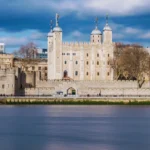
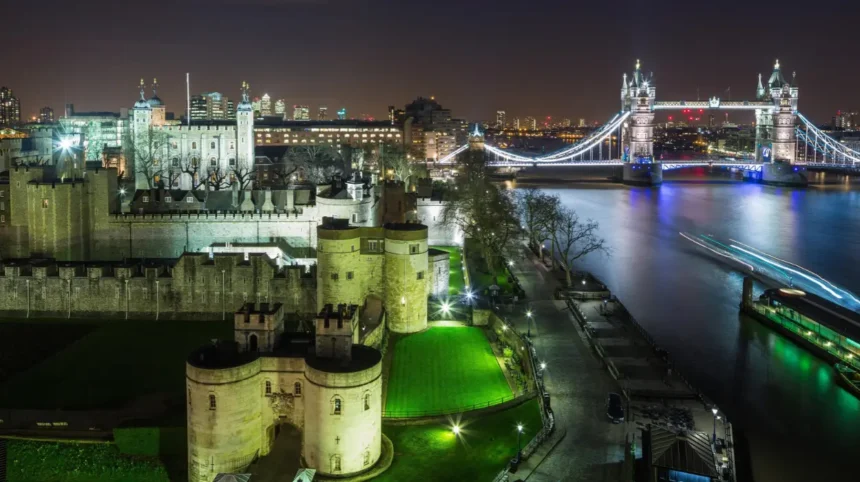
The Tower of London is one of the borough’s most important historic landmarks. Its history includes royal residence, military use, imprisonment, administration and the Royal Mint. The site is also associated with the Crown Jewels.
Tower Bridge stands immediately beside the Tower of London and provides an important connection between the northern and southern sides of the River Thames. Visitors can combine the bridge with riverside walking around Tower Hill and St Katharine Docks.
St Katharine Docks provides a quieter waterfront environment with restaurants, shops, offices, residential buildings and a marina. The area sits close to Tower Bridge and provides an easy transition from heritage sightseeing to leisure.
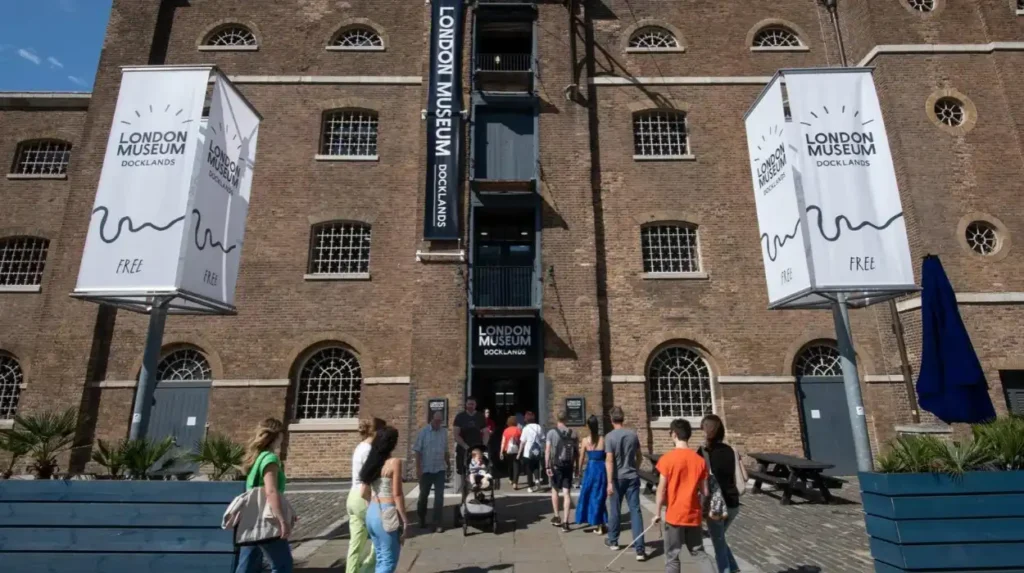
Visitors who prefer museum-based sightseeing can travel east to London Museum Docklands at West India Quay. The museum occupies a historic Grade I-listed warehouse and explores the history of London’s river, port and communities. Its permanent galleries are free to enter.
The museum is open from 10am to 5pm, with last admission at 4.30pm, although visitors should check official opening information before travelling.
This makes the Docklands museum particularly useful for a morning or early afternoon itinerary.
How can visitors connect Tower Hamlets sightseeing with its history?
Visitors can connect modern attractions with Tower Hamlets’ history by following the borough’s historic streets, docks, markets and cultural sites, where present-day leisure districts occupy locations shaped by trade, migration, industry, housing and transport.
Tower Hamlets has evidence of human activity extending back thousands of years. The borough later developed through Roman activity, medieval settlements, maritime trade, industrialisation and the expansion of London’s East End.
The name Tower Hamlets reflects the historical relationship between the Tower of London and the surrounding hamlets. The borough’s southern geography was strongly influenced by the Thames and the development of London’s docks.
Brick Lane demonstrates how migration changed the cultural character of the area. The street existed by the 1500s, while major urban development expanded from the late 17th century. Huguenot refugees arriving from France brought silk-weaving skills, helping establish Spitalfields as a centre of textile production.
The modern visitor therefore encounters layers of history within ordinary streets, markets and buildings.
As you explore these modern attractions, you are crossing land shaped by centuries of migration, commerce and urban development. Read the full [Insert Anchor Text for Tower Hamlets History Article Here] to understand its origins.
What is the best area for lunch during a Tower Hamlets day trip?
Brick Lane, Spitalfields, Whitechapel, Canary Wharf and the Docklands provide strong lunch choices because they combine restaurants, cafés, food markets and established commercial areas with convenient transport connections.
Brick Lane is particularly significant for visitors seeking food alongside cultural exploration. The street is associated with restaurants, cafés, independent businesses and markets, while the surrounding Spitalfields area contains historic buildings and public spaces.
Tower Hamlets Council identifies Brick Lane as a major cultural and food destination, with curry houses, Jewish beigel shops and the Old Truman Brewery forming part of its visitor offer.
Old Truman Brewery is an important landmark in the Brick Lane area. Brewing began on the site around 1666, Joseph Truman purchased it in 1679, and expansion followed during the 18th century. The brewery eventually closed in 1988 and the site was subsequently redeveloped for offices, arts, shopping and media uses.
Spitalfields provides another practical lunch location because it sits close to Brick Lane and Liverpool Street.
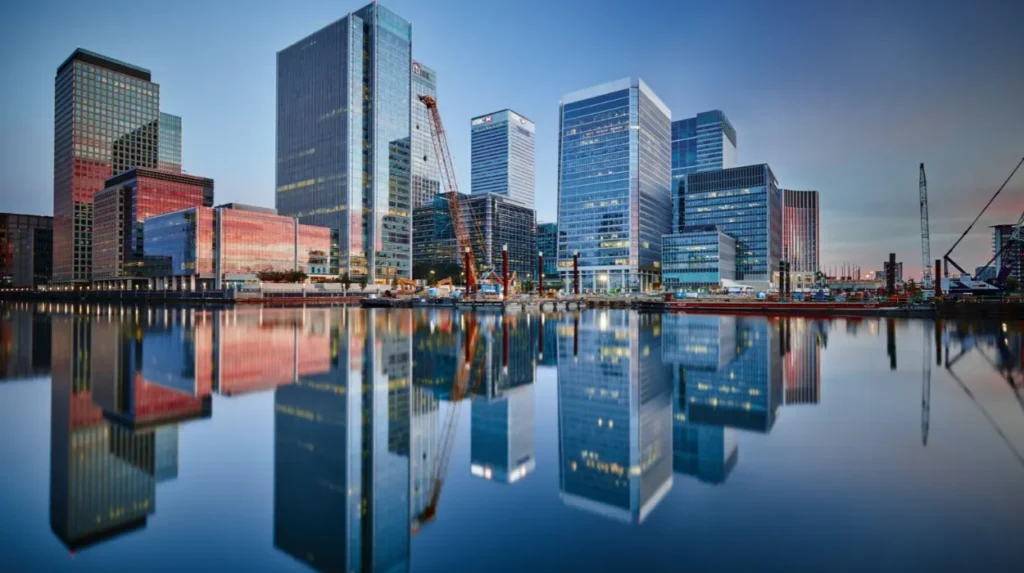
Canary Wharf offers a contrasting environment. Its high-rise financial district contains restaurants, cafés and public spaces around the dock basins. It works particularly well for visitors who want modern architecture and waterside leisure rather than historic East End streets.
How should visitors explore Brick Lane and Spitalfields?
Visitors should explore Brick Lane and Spitalfields as a combined walking district, allowing time for street culture, historic architecture, markets, food, independent businesses, galleries and public spaces rather than treating the area as a single shopping street.
Brick Lane is one of Tower Hamlets’ most recognisable cultural destinations. Its current identity developed through successive waves of migration, commerce and changing industries.
The surrounding cultural trail identifies 20 notable sites, including Boundary Estate, Redchurch Street, Brick Lane Sunday Market, Sclater Street, Old Truman Brewery, Commercial Street, Princelet Street, Brick Lane Jamme Masjid, Old Spitalfields Market, Fournier Street, Whitechapel Gallery and Toynbee Hall.
This concentration allows visitors to create a self-guided walking route.
Spitalfields adds architectural interest through historic streets, market buildings and religious sites. Fournier Street and Christ Church Spitalfields provide examples of the area’s 18th-century development.
Visitors interested in contemporary culture can also include Whitechapel Gallery. The gallery forms part of the wider cultural network around Whitechapel and Brick Lane.
The area works particularly well during the middle of the day because sightseeing, shopping and food can be combined without requiring long journeys between attractions.
Where can visitors find green space and quiet time in Tower Hamlets?
Victoria Park is the strongest choice for outdoor leisure because its 86 hectares provide extensive lawns, gardens, lakes, walking routes, historic features, sports facilities and places to pause after sightseeing across the busier parts of East London.
Victoria Park opened in 1845 and was created specifically to provide open space for East London communities. It is London’s oldest public park and the largest park in Tower Hamlets.
The council states that Victoria Park covers 86 hectares and receives more than 9 million visitors each year. The park includes community activities, live music, sports, gardens and a lake.
The park also has strong heritage significance. It contains features including the Burdett-Coutts Fountain and two stone alcoves originally associated with London Bridge. Victoria Park is listed at Grade II* on the Register of Parks and Gardens of Special Historic Interest.
Visitors can use the park for a relaxed walk rather than adding another formal attraction to the itinerary.
The park also forms part of a wider green corridor linking areas around the Regent’s Canal, Mile End Park and Queen Elizabeth Olympic Park.
Victoria Park is therefore useful for families, walkers, photographers, visitors travelling with children and anyone seeking a slower section of the day.
What can visitors do around Canary Wharf and the Docklands?
Canary Wharf and the Docklands provide a modern contrast to historic East London through high-rise architecture, waterside public spaces, restaurants, shopping, museums, transport connections and views across regenerated former docklands.
Canary Wharf developed from the former West India Docks, which played an important role in London’s maritime trade. The district is now a major financial and commercial centre dominated by modern towers.
The area provides a different visitor experience from Brick Lane or the Tower of London. Its public realm includes waterfront promenades, dock basins, plazas, shops, cafés and restaurants.
London Museum Docklands provides the strongest historical connection in the area. Its galleries examine the development of London as a port and the communities connected with maritime trade.
West India Quay is also convenient for visitors because it places restaurants and leisure facilities close to the museum and Docklands Light Railway network.
A Canary Wharf visit works particularly well later in the day. Visitors can move from a museum or riverside walk into restaurants and modern public spaces without returning to central London.
For business travellers, Canary Wharf also provides a practical leisure option during limited free time because the district is strongly connected to the wider London transport network.
How can visitors build a walking-focused Tower Hamlets itinerary?
A walking-focused itinerary should group nearby attractions into districts, such as Tower Hill and St Katharine Docks, Brick Lane and Spitalfields, or Canary Wharf and West India Quay, reducing unnecessary journeys between distant parts of the borough.
Tower Hill provides a strong starting point for a historic riverside walk. Visitors can see the Tower of London, walk towards Tower Bridge and continue towards St Katharine Docks.
Another walking route starts around Whitechapel and continues towards Brick Lane and Spitalfields. This route focuses on historic streets, markets, food and cultural venues.
Victoria Park provides a separate walking environment. The council’s Memoryscape Trail takes approximately 1.5 hours and introduces visitors to the park’s history through locations including the Burdett-Coutts fountain and historic stone alcoves.
Visitors should select one main walking district rather than attempting every attraction in one day.
This approach produces a more practical itinerary and leaves time for meals, shopping and unplanned exploration.
Which Tower Hamlets markets are worth including?
Tower Hamlets markets add food, shopping, local culture and street activity to a day itinerary, with Brick Lane, Spitalfields, Columbia Road and Petticoat Lane offering different experiences across the borough.
Markets form an important part of Tower Hamlets’ visitor identity. The council specifically highlights Petticoat Lane and Columbia Road Flower Market among the borough’s major markets.
Brick Lane provides a combination of food, vintage shopping, independent businesses and cultural activity. Old Spitalfields Market offers a more structured market environment surrounded by historic streets.
Columbia Road is particularly associated with flowers and plants and is located near Bethnal Green and Shoreditch. Its strongest market experience is associated with Sunday trading.
Petticoat Lane has a long association with street trading and clothing markets around Middlesex Street and the surrounding area.
Market opening days and individual trading hours vary. Visitors should check official information before building a fixed itinerary around a particular market.
How can families spend a day in Tower Hamlets?
Families can combine a museum, park, market and child-friendly cultural attraction, using London Museum Docklands, Victoria Park, Young V&A and other accessible destinations to balance education, outdoor activity, food and rest.
Young V&A in Bethnal Green is designed around children and young people and forms part of Tower Hamlets’ major museum offer.
Victoria Park provides two play areas, gardens, open lawns and a lake. The council also identifies sports and recreational facilities across its parks.
London Museum Docklands includes Mudlarks, a family gallery designed for younger visitors, alongside its permanent galleries.
Families should avoid overloading the day with large attractions. One museum followed by a park and an informal meal provides a more manageable structure.
Mile End Park also offers outdoor space and facilities, providing another option when visitors want to remain in the central part of the borough.
How can digital nomads and business travellers use Tower Hamlets for leisure?
Digital nomads and business travellers can combine flexible cafés, public spaces, transport-connected districts and cultural attractions, making Canary Wharf, Spitalfields, Whitechapel and Docklands useful areas for work breaks and short leisure periods.
Canary Wharf is particularly suited to business travellers because it is a major commercial centre with restaurants, cafés, shops and public spaces.
Whitechapel and Spitalfields provide a more mixed urban environment, with independent cafés, food businesses, cultural venues and established transport connections.
A short working day can therefore be divided into a practical pattern: work near a transport hub, visit one nearby cultural destination, take a riverside or park walk, then eat within the same district.
Tower Hamlets also has a substantial library and Idea Store network. The council reports around two million annual visits to its eight Idea Stores and libraries.
For visitors who need quiet time between meetings, public parks and waterfront areas provide alternatives to spending the entire day indoors.
What is a practical one-day Tower Hamlets itinerary?
A practical full-day itinerary starts with a major landmark, moves into a food and culture district around Brick Lane or Spitalfields, then finishes with a park, museum, riverside walk or Canary Wharf evening, depending on visitor priorities.
A heritage-focused day can begin at the Tower of London and continue to Tower Bridge and St Katharine Docks. Lunch can then take place around Spitalfields or Brick Lane, followed by an afternoon cultural walk.
A museum-focused itinerary can start at London Museum Docklands, continue through West India Quay and Canary Wharf, then move towards another East London cultural district.
A family itinerary can centre on Young V&A, Victoria Park and London Museum Docklands, with food and rest periods between attractions.
A relaxed itinerary can begin around Spitalfields and Brick Lane, continue through cafés and markets, then move to Victoria Park for walking and leisure.
Visitors should check attraction opening hours, ticket requirements, market days and transport conditions before departure.
How should visitors plan transport around Tower Hamlets?
Visitors should use the Underground, Docklands Light Railway, Elizabeth line, London Overground, buses and walking together because Tower Hamlets contains several transport-connected districts that are more efficient to explore as local clusters.
Tower Hill and Tower Gateway provide access to the Tower of London area. Liverpool Street provides a major connection for Spitalfields and Brick Lane. Whitechapel provides access to the wider East London network.
Mile End is useful for Victoria Park, while West India Quay and Canary Wharf provide access to Docklands attractions.
Walking is particularly effective within individual districts. Visitors should avoid assuming that every attraction is close simply because it appears within the same borough.
A district-based itinerary is more efficient. For example, Tower Hill, Tower Bridge and St Katharine Docks form one practical cluster. Brick Lane, Spitalfields and Whitechapel form another. Canary Wharf and London Museum Docklands form another.
Explore More Area Guide
Best Places to Experience Tower Hamlets’ East London Character
Tower Hamlets London: Best Places to Visit in East London
Why does Tower Hamlets remain important for London tourism?
Tower Hamlets remains important because it combines nationally significant heritage, historic docks, diverse communities, cultural institutions, markets, major green spaces and modern financial districts within a compact part of East London.
The borough represents several major stages in London’s development. The Tower of London represents royal and military history. The docks represent global trade and migration. Brick Lane and Spitalfields demonstrate the continuing influence of successive communities. Canary Wharf represents modern financial London.
The visitor economy is already significant. Tower Hamlets Council’s conservation strategy identifies the Tower of London as receiving nearly three million visits annually and London Museum Docklands as receiving more than 280,000 visits annually in the figures cited in that strategy.
The borough also contains five registered parks and gardens, including Victoria Park, Boundary Gardens, Island Gardens, Museum Gardens and Novo Cemetery.
This combination gives Tower Hamlets long-term relevance for visitors seeking more than conventional central London sightseeing.
What is the best way to customise a Tower Hamlets day trip?
The best approach is to choose one primary interest, select two or three nearby attractions, add one food stop and reserve time for walking or relaxation, creating a focused itinerary that matches available time and travel preferences.
Heritage visitors should prioritise the Tower of London, Tower Bridge, St Katharine Docks and London Museum Docklands.
Food and culture visitors should focus on Brick Lane, Spitalfields, Whitechapel and nearby markets.
Outdoor visitors should prioritise Victoria Park, Mile End Park, riverside walking and Canary Wharf waterfront spaces.
Families should combine Young V&A, London Museum Docklands and Victoria Park.
Business travellers should stay close to Canary Wharf, Whitechapel or Docklands and select attractions that fit around meetings.
Tower Hamlets works best when visitors treat the borough as a collection of connected districts rather than attempting to see every attraction in one day. The result is a practical East London itinerary that combines sightseeing, history, food, culture, shopping and leisure without unnecessary travel.
What are the best things to do in Tower Hamlets for one day?
The best one-day activities include visiting the Tower of London, walking across Tower Bridge, exploring Brick Lane and Spitalfields, visiting London Museum Docklands, relaxing in Victoria Park and exploring Canary Wharf.