Tower Hamlets is one of East London’s most diverse visitor destinations, combining medieval landmarks, royal history, historic docks, museums, markets, parks, canals and modern waterfront architecture. The borough stretches from the City fringe and Tower Hill towards Bethnal Green, Mile End, Poplar and Canary Wharf.
- What are the best visitor attractions in Tower Hamlets?
- Why is the Tower of London one of Tower Hamlets’ most important attractions?
- What can visitors see at the Museum of London Docklands?
- Which Tower Hamlets markets are worth visiting?
- What makes Brick Lane and Spitalfields important visitor attractions?
- Is Victoria Park a good attraction for visitors in Tower Hamlets?
- What can visitors do around Canary Wharf and the Thames waterfront?
- How can visitors explore Tower Hamlets through its historic walking routes?
- How should tourists plan a one-day Tower Hamlets sightseeing itinerary?
- When is the best time to visit Tower Hamlets attractions?
- Why should visitors include Tower Hamlets in an East London trip?
For tourists, Tower Hamlets offers attractions that work across different interests and travel styles. The Tower of London provides major royal and military history. Museum of London Docklands explains London’s trading and maritime development. Brick Lane and Columbia Road provide distinctive market experiences. Victoria Park supplies extensive green space, while Canary Wharf presents a modern financial district beside the River Thames.
The area also has strong transport connections. London Underground, London Overground, Docklands Light Railway, Elizabeth line services, buses, walking routes and river connections make it practical to combine several attractions in one visit.
What are the best visitor attractions in Tower Hamlets?
The best visitor attractions in Tower Hamlets include the Tower of London, Museum of London Docklands, Victoria Park, Brick Lane, Columbia Road Flower Market, Spitalfields, Canary Wharf and the Thames waterfront, offering history, culture, shopping and leisure.
These attractions represent the main visitor experiences available across the borough. They are geographically spread across several distinct areas, so choosing attractions according to location makes a day easier to organise.
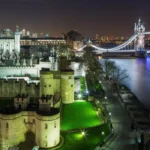
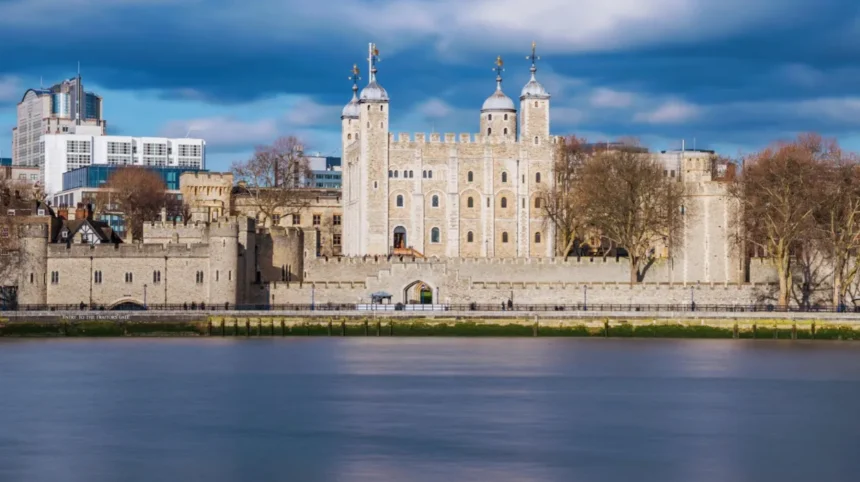
The Tower of London is the most significant historic attraction. The fortress stands beside the River Thames and forms part of a UNESCO World Heritage Site. The White Tower was built by William the Conqueror as part of the Norman effort to secure London after the Conquest. UNESCO describes it as an outstanding example of Norman military architecture and an exceptionally complete surviving 11th-century fortress palace.
The Museum of London Docklands provides a different historical perspective. Its collections explain the development of the River Thames, the docks, international trade and the people who lived and worked around London’s waterfront.
For outdoor sightseeing, Victoria Park is a major attraction. The park covers 86 hectares and opened in 1845 as a public park serving the East End. Tower Hamlets Council identifies it as London’s oldest public park and the largest park in the borough.
Brick Lane, Spitalfields and Columbia Road provide a more street-level experience. Their markets, historic buildings, independent businesses and food destinations connect contemporary East London with its commercial and immigrant history.
Why is the Tower of London one of Tower Hamlets’ most important attractions?
The Tower of London is one of Tower Hamlets’ most important attractions because it combines an 11th-century fortress, royal history, state institutions, the Crown Jewels and major events in English history within a UNESCO World Heritage Site beside the Thames.
The Tower of London dates from the period following the Norman Conquest of England. William the Conqueror established the White Tower on the Thames in the late 11th century as a strategic military structure and demonstration of Norman authority.
The complex expanded substantially during the reigns of Henry III and Edward I. Defensive walls, towers and palace buildings created a fortified royal complex. The site subsequently served several state functions, including defence, record keeping and the storage of valuable royal possessions.
The Tower also has a major connection with the English monarchy. Historic prisoners included members of the royal family and political figures. Three English queens were executed at the Tower during the 16th century: Anne Boleyn, Catherine Howard and Lady Jane Grey.
The Crown Jewels have been associated with the Tower since the 17th century. They form one of the principal visitor experiences within the complex.
The Tower became a UNESCO World Heritage Site in 1988. UNESCO identifies its White Tower and later medieval additions as an exceptional example of medieval fortress-palace architecture.
Visitors should allow several hours for the Tower rather than treating it as a quick photographic stop. Its different buildings, defensive structures, exhibitions and historical displays require time to explore properly.
As you explore the modern site, you are crossing land with a deep heritage. Read the [Insert Anchor Text for History Article Here] to understand the wider historical development of this part of East London.
What can visitors see at the Museum of London Docklands?
Museum of London Docklands explains how the River Thames and London’s docks shaped trade, commerce, migration and everyday life, making it a key indoor attraction for visitors interested in East London’s maritime and industrial history.
The Museum of London Docklands stands at West India Quay in Canary Wharf. Its location is significant because the surrounding docklands were central to London’s commercial development.
The museum explores the history of the Thames and London’s docks through collections, galleries and historical interpretation. Visitors can understand how goods moved through the port and how waterfront industries influenced London’s economy.
The West India Docks were established in the late 18th century. Their construction reflected London’s expanding international trade and the need for secure, purpose-built dock facilities.
The museum provides useful context for understanding the landscape outside its doors. Canary Wharf is now associated with offices, transport infrastructure, restaurants and high-rise buildings. The surrounding area previously functioned as a major dock and warehouse district.
This contrast makes the Docklands particularly useful for visitors interested in urban regeneration. Historic warehouses and dock structures exist alongside modern commercial architecture.
The museum is also an effective attraction during wet weather because its galleries provide an extensive indoor cultural experience. Visitors can combine it with a walk around West India Quay and Canary Wharf.
The Docklands experience therefore connects history with the modern identity of East London. It explains why the Thames remains central to the borough’s geography, economy and visitor landscape.
Which Tower Hamlets markets are worth visiting?
Tower Hamlets has a wide network of street markets, with Brick Lane, Columbia Road, Petticoat Lane, Whitechapel, Roman Road and Chrisp Street offering different combinations of food, fashion, flowers, household goods and local shopping.
Markets are among the strongest cultural attractions in Tower Hamlets. The council currently identifies ten street markets across the borough, including Brick Lane, Bethnal Green Road, Chrisp Street, Columbia Road, Petticoat Lane, Roman Road, Roman Road Square, Sclater Street, Watney Market and Whitechapel Market.
Brick Lane Market is particularly associated with fashion, food and art. Tower Hamlets Council records its establishment in 1888 and describes Brick Lane as a historic focal point for East London’s Bangladeshi community, with earlier French Huguenot and Jewish connections.
Columbia Road Flower Market is another major visitor attraction. It operates on Sundays and specialises in flowers and plants. The surrounding street contains independent shops, galleries, cafés and other businesses.
Petticoat Lane Market, centred around the Middlesex Street area, has a long association with clothing and textiles.
Whitechapel Market provides a more traditional local market experience. Roman Road Market serves the communities around Bethnal Green and Bow, while Chrisp Street Market provides a major shopping and community space in Poplar.
Market opening patterns differ by location and day. Visitors should check current council information before planning a specific market trip because individual trading schedules change.
Markets also provide a useful way to experience the borough beyond its headline landmarks. They show everyday commercial activity and the multicultural character that defines much of East London.

What makes Brick Lane and Spitalfields important visitor attractions?
Brick Lane and Spitalfields combine historic streets, religious buildings, markets, independent businesses, restaurants and cultural sites, creating one of Tower Hamlets’ most concentrated areas for exploring East London’s architecture, migration history and commercial heritage.
The Brick Lane and Spitalfields area contains several layers of architectural and social history. Tower Hamlets Council’s Spitalfields walking route includes Christ Church, Fournier Street, Artillery Passage, Brick Lane, the former Truman Brewery complex, Spitalfields Market and other historic locations.
Fournier Street is particularly notable for its early 18th-century houses. The street was laid out after 1718 and contains buildings characterised by sash windows and elaborate entrances. Many of these historic structures survive and have protected status.
Christ Church Spitalfields was designed by Nicholas Hawksmoor. Construction began in 1714 and was completed in 1729. Its tower and spire remain major landmarks in the area.
Old Spitalfields Market occupies a site with a much older commercial history. The market received a royal licence under Charles II in 1682. The surviving market buildings were constructed between 1883 and 1893.
Brick Lane itself reflects several waves of migration and economic change. Its historic associations with Huguenot, Jewish and Bangladeshi communities contribute to the cultural identity of the surrounding neighbourhood.
For visitors, the area works particularly well as a walking destination. The attractions are close enough to connect on foot, allowing visitors to combine architecture, markets, food and cultural sites within one route.
Is Victoria Park a good attraction for visitors in Tower Hamlets?
Victoria Park is a major leisure attraction because its 86 hectares provide extensive lawns, mature planting, water features, walking routes and open recreational space close to central East London and the Queen Elizabeth Olympic Park area.
Victoria Park opened in 1845. Tower Hamlets Council describes it as London’s oldest public park and records its original purpose as providing public open space for the working-class population of the East End.
At 86 hectares, it is the largest park in Tower Hamlets. Its size makes it suitable for visitors who want to balance sightseeing with outdoor recreation.
The park is particularly useful for longer visits because visitors can move between landscaped areas, open lawns and paths without leaving the park environment.
Its position also creates opportunities for wider East London itineraries. Visitors can connect Victoria Park with Bethnal Green, Hackney Wick and the Queen Elizabeth Olympic Park area, depending on the route and transport arrangements.
Victoria Park is different from Tower Hamlets’ museums and historic buildings because it does not require a structured indoor visit. Visitors can spend a short period walking through the park or use it as a substantial leisure stop within a full-day itinerary.
The park also demonstrates the importance of public green space within a densely developed London borough. Its historical purpose remains relevant to modern visitors who need an outdoor break between museums, markets and urban sightseeing.

What can visitors do around Canary Wharf and the Thames waterfront?
Canary Wharf and the Thames waterfront provide a modern Tower Hamlets experience centred on high-rise architecture, historic docks, public spaces, riverside walks, restaurants, shopping and transport connections across London’s eastern waterfront.
Canary Wharf represents the modern transformation of former docklands. The area developed from a major maritime and warehouse district into one of London’s most prominent business centres.
The contrast between historic dock structures and contemporary towers is one of the area’s defining visitor characteristics. West India Quay provides direct access to the Museum of London Docklands, while Canary Wharf’s public spaces connect offices, retail areas, restaurants and waterfront locations.
Visitors interested in architecture can examine the relationship between older dock infrastructure and modern skyscrapers. Visitors looking for leisure activities can combine waterfront walking with restaurants and shopping.
The Thames itself provides another layer to the experience. Tower Hamlets occupies an important section of the riverfront, linking the Tower of London, Wapping, Limehouse and Canary Wharf.
Walking along sections of the waterfront gives visitors a different perspective from travelling through the borough by Underground or road. The river also explains the historical importance of the docks and warehouses that shaped the area.
For digital nomads and business travellers, Canary Wharf provides numerous cafés, public spaces and commercial facilities. It therefore works as both a visitor destination and a practical daytime base.
The area is especially effective when combined with the Museum of London Docklands because the museum provides the historical context while the surrounding streets demonstrate the modern transformation of the Docklands.
How can visitors explore Tower Hamlets through its historic walking routes?
Historic walking routes provide an efficient way to connect Tower Hamlets attractions because areas such as Spitalfields, Brick Lane, Whitechapel, Wapping and the Docklands contain landmarks within walkable urban districts.
Walking is particularly effective in Tower Hamlets because several attractions are clustered within relatively compact neighbourhoods.
The official Spitalfields and Banglatown walking route demonstrates this approach. It includes Great Eastern Hotel, Sandy’s Row, Artillery Passage, Brick Lane, Fournier Street, Christ Church, Spitalfields Market and other historic locations.
A Spitalfields route can therefore combine architecture, religious heritage, migration history and market culture without repeated public transport journeys.
Whitechapel provides another important historical area. Its market, streets and religious institutions reflect the borough’s long-established multicultural character.
Wapping and Limehouse offer a different waterfront experience. Their historic streets and riverside environment help visitors understand the relationship between housing, maritime commerce and the Thames.
A longer walking itinerary can connect historic areas with the modern Docklands. The experience changes from older streets and market buildings to docks, high-rise developments and contemporary public spaces.
Walking also gives visitors access to smaller architectural details that are easy to miss from public transport. Historic shopfronts, street layouts, conservation areas and older buildings contribute to the character of East London.
Visitors should plan routes according to daylight, weather, mobility requirements and attraction opening times. Indoor attractions provide useful fixed points around which longer walking itineraries can be organised.
How should tourists plan a one-day Tower Hamlets sightseeing itinerary?
A practical one-day Tower Hamlets itinerary should group nearby attractions rather than crossing the borough repeatedly, combining one major historic site, one museum or market area, a green space, and a Thames or Docklands experience.
A first itinerary option can begin at the Tower of London. This creates a strong historical starting point and places visitors beside the Thames. After exploring the fortress, visitors can continue towards Wapping and the eastern waterfront.
A second option can focus on Spitalfields and Brick Lane. Start around Spitalfields Market, explore Fournier Street and Christ Church, continue through Brick Lane, then experience the market and surrounding food businesses.
A Sunday itinerary can prioritise Columbia Road Flower Market and Brick Lane Market. Tower Hamlets Council identifies Columbia Road as a Sunday market operating from 8am to 2pm, while Brick Lane Market operates on Sundays from 10am to 3pm according to the council’s visitor information.
A Docklands itinerary can begin at the Museum of London Docklands, continue around West India Quay and Canary Wharf, and finish with waterfront sightseeing.
Visitors wanting more outdoor time can place Victoria Park between Bethnal Green and other East London destinations. Its 86-hectare scale makes it suitable for a longer leisure break.
Transport planning is important because Tower Hamlets contains attractions distributed across several neighbourhoods. London Underground, Overground, DLR, Elizabeth line services and buses provide connections between the main visitor areas.
The best itinerary therefore depends on the primary attraction rather than attempting to cover every part of the borough in one day.
Explore More Area Guide
Tower Hamlets Tourist Planner: Best One-Day Itinerary
Best Places to Experience Tower Hamlets’ East London Character
When is the best time to visit Tower Hamlets attractions?
The best time depends on the attraction: Sundays suit major markets, weekdays often provide a calmer museum experience, and longer daylight periods support walking, parks and waterfront sightseeing across Tower Hamlets.
Market schedules are particularly important. Brick Lane Market and Columbia Road Flower Market are strongly associated with Sundays, making Sunday useful for visitors focused on East London’s market culture.
For historical attractions such as the Tower of London, visitors should check current opening times and ticket arrangements before travelling. The same principle applies to museums and special exhibitions.
Spring and summer provide longer daylight for walking routes, Victoria Park and the Thames waterfront. Autumn and winter remain suitable for museums, historic buildings, markets and indoor attractions.
Weather also affects the balance of an itinerary. A wet day favours the Tower of London, Museum of London Docklands, covered markets and other indoor destinations. Dry conditions provide greater flexibility for parks and walking routes.
Early starts are useful on popular sightseeing days because they allow visitors to complete major attractions before the busiest part of the day.
Why should visitors include Tower Hamlets in an East London trip?
Tower Hamlets deserves inclusion in an East London itinerary because it combines major heritage, multicultural neighbourhoods, historic markets, public parks, museums, former docks and a modern financial district within one highly connected London borough.
The borough offers an unusually broad range of visitor experiences. The Tower of London represents Norman and royal history. Spitalfields and Brick Lane demonstrate architectural and migration heritage. The Museum of London Docklands explains maritime commerce. Victoria Park provides major public green space. Canary Wharf illustrates contemporary urban development.
Its market network adds another important dimension. Tower Hamlets Council describes the borough as having ten street markets, while its market information highlights the distinctive character of locations such as Brick Lane and Columbia Road.
The borough is also important for understanding London’s relationship with the Thames. The river supported trade, docks, warehouses and transport infrastructure for centuries. Modern Canary Wharf demonstrates how the same waterfront has been transformed for offices, retail, leisure and residential development.
For tourists, this means Tower Hamlets can support several different travel objectives without leaving East London. History-focused visitors can concentrate on the Tower and Spitalfields. Food and shopping visitors can focus on markets. Families can use Victoria Park and museums. Business travellers can explore Canary Wharf during downtime. Digital nomads can combine sightseeing with cafés and commercial neighbourhoods.
Tower Hamlets is therefore more than a collection of individual attractions. Its strongest visitor value comes from the connections between history, culture, commerce, green space and the Thames.
What are the best attractions to visit in Tower Hamlets?
The best attractions include the Tower of London, Museum of London Docklands, Victoria Park, Brick Lane, Spitalfields, Columbia Road Flower Market and Canary Wharf. These destinations cover history, markets, culture, green space and waterfront sightseeing.