Tower Hamlets is one of London’s most historically layered boroughs. It stretches from the City fringe and Whitechapel through Stepney, Bethnal Green, Poplar and Limehouse to the Isle of Dogs and the Thames. The borough contains famous landmarks such as the Tower of London, Tower Bridge and Canary Wharf, but its quieter corners reveal another side of East London.
- What makes Tower Hamlets worth exploring beyond its famous landmarks?
- Which hidden historic streets should visitors explore in Tower Hamlets?
- Where can visitors find overlooked green spaces in Tower Hamlets?
- Which hidden heritage sites reveal Tower Hamlets’ local history?
- Which cultural corners are easy for tourists to overlook?
- Which waterways and docklands areas offer quieter discoveries?
- Where can visitors discover unusual architecture in Tower Hamlets?
- How can visitors explore Tower Hamlets’ hidden corners in one day?
- Why are Tower Hamlets’ lesser-known places important for future visitors?
Tower Hamlets Council identifies 58 conservation areas across the borough. These include Artillery Passage, Boundary Estate, Coldharbour, Limehouse Cut, Narrow Street, Stepney Green, Three Mills, Wapping Pierhead, Wapping Wall and Wilton’s Music Hall. These protected areas demonstrate the depth of the borough’s architectural and historical character.
The borough also has more than 120 parks and green spaces. They range from large destinations such as Victoria Park to smaller gardens, historic churchyards, nature reserves and waterside spaces. Several are recognised for their heritage or ecological importance.
For visitors, this creates an opportunity to explore beyond the main tourist circuit. Hidden Tower Hamlets is not defined by one attraction. It is found in old streets, former industrial waterways, community gardens, historic estates, small museums, market streets and overlooked riverside viewpoints.
What makes Tower Hamlets worth exploring beyond its famous landmarks?
Tower Hamlets combines historic streets, waterways, markets, parks, conservation areas and cultural sites within a compact part of East London, giving visitors many places to explore beyond the Tower of London, Tower Bridge, Brick Lane and Canary Wharf.
Tower Hamlets takes its name from the historical relationship between the Tower of London and the hamlets surrounding it. The borough has evidence of human activity dating back thousands of years, including archaeological finds from the Stone and Bronze Ages.
Its location beside the River Thames shaped much of its development. Docklands, warehouses, shipyards, canals and industrial sites transformed the southern and eastern parts of the borough. The modern skyline around Canary Wharf represents a later phase of redevelopment.
The result is an unusually varied urban landscape. Georgian streets can stand close to Victorian terraces. Historic churches sit beside modern housing. Former docks have become commercial districts, while old industrial waterways remain important ecological corridors.
The borough’s conservation areas provide a useful framework for discovering this history. A conservation area is a place recognised for special architectural or historic interest, where the character and appearance receive additional planning protection. Tower Hamlets currently has 58 such areas.
Visitors should therefore treat the borough as a collection of neighbourhoods rather than a single sightseeing destination. Walking between major landmarks often reveals smaller streets and spaces that receive less attention.
One useful way to understand the transformation is through the borough’s industrial and residential history. As you explore today’s regenerated streets and waterfronts, you are crossing land shaped by centuries of change. Read about the full [Tower Hamlets history and heritage story] to understand its origins.
Which hidden historic streets should visitors explore in Tower Hamlets?
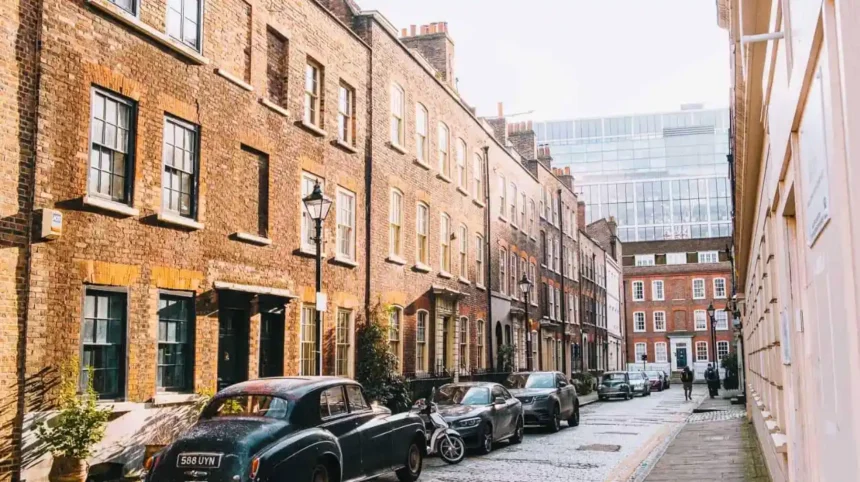
Artillery Passage, Narrow Street, Fournier Street, Princelet Street, Wapping Wall, Elder Street and Stepney Green provide some of Tower Hamlets’ strongest examples of historic streetscapes, combining surviving buildings, conservation areas, former commercial routes and residential architecture.
Artillery Passage is one of the most distinctive small streets near Spitalfields. It forms part of the borough’s recognised conservation heritage and sits within an area shaped by markets, workshops, religious communities and trade.
Narrow Street provides a different experience. Located in Limehouse beside the Thames, it retains strong connections with the area’s maritime past. Its position near the former Limehouse docks and riverfront makes it particularly useful for visitors interested in London’s port history.
Stepney Green is another important historic landscape. The surviving green space represents part of the older open land that once extended across the district. Tower Hamlets Council records Stepney Green Gardens as a remnant of historic Stepney Green, with the gardens opened to the public in 1872.
Elder Street and nearby streets around Spitalfields reveal another layer of London’s built history. They are useful for visitors interested in Georgian architecture and the relationship between residential streets and the historic market district.
Wapping Wall also deserves attention. The street forms part of the wider Wapping heritage area and connects with the river-facing history of warehouses, docks and working-class communities.
Fournier Street is especially notable for its relationship with Christ Church Spitalfields and the wider Spitalfields conservation area. Its architecture reflects the development of the district during the eighteenth century.
These streets are best experienced on foot. Their importance lies in their relationship with surrounding buildings, corners, alleys and public spaces rather than in a single monument.
Where can visitors find overlooked green spaces in Tower Hamlets?
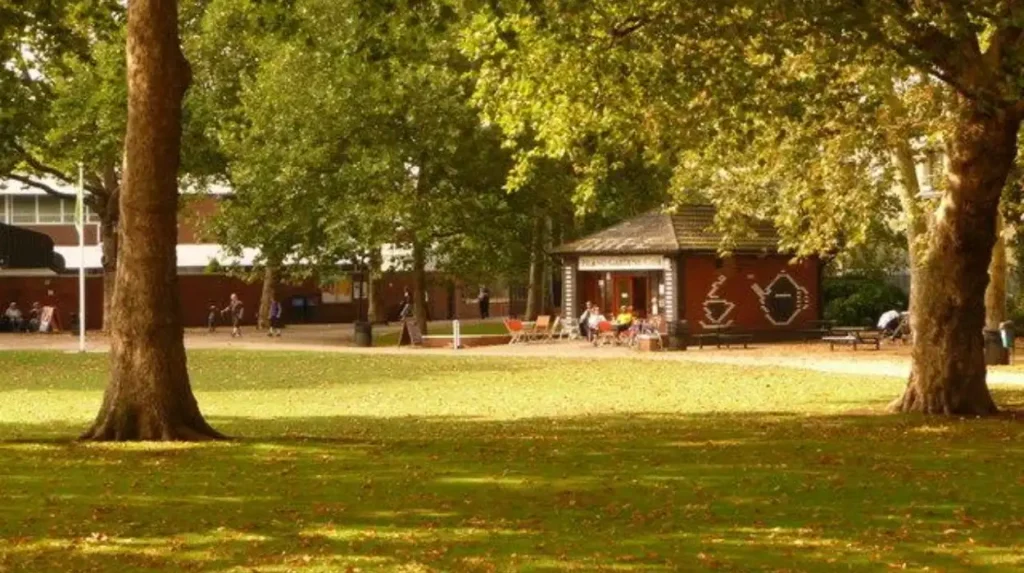
Tower Hamlets has more than 120 parks and green spaces, including historic gardens, churchyards, nature reserves and waterside landscapes such as St George’s Gardens, Island Gardens, East India Dock Basin, Tower Hamlets Cemetery Park and Stepney Green.
The borough’s green spaces are particularly valuable because they preserve fragments of earlier landscapes within a dense urban environment.
St George’s Gardens is one of the least-known historic public gardens in Tower Hamlets. The gardens occupy the former churchyard of St George-in-the-East and opened to the public in 1875. The church was designed by Nicholas Hawksmoor, one of the major architects of English Baroque architecture. The garden covers 1.19 hectares.
Tower Hamlets Cemetery Park provides another distinctive experience. The cemetery was established in 1841 as a commercial burial ground. It later became a public open space after falling into decline and was affected by bombing during the Second World War. Today it is also recognised as a local nature reserve.
Island Gardens offers a different type of green-space experience. The gardens opened in 1895 and were created partly to protect views towards Greenwich across the River Thames. Island Gardens is listed on the national Register of Parks and Gardens of Special Historic Interest at Grade II.
East India Dock Basin is another important natural space. The council identifies it as a Site of Borough Importance for Nature Conservation, Grade 1. Its history is closely connected to the East India Dock system and the development of London’s maritime economy.
These locations provide alternatives to the busiest central parks. They also demonstrate how former industrial, religious and commercial land has been incorporated into today’s public landscape.
Which hidden heritage sites reveal Tower Hamlets’ local history?
Boundary Estate, Arnold Circus, St George-in-the-East, Three Mills, Limehouse Cut and the borough’s historic squares reveal important aspects of Tower Hamlets’ social, industrial and architectural development that visitors often overlook when concentrating on its headline attractions.
Boundary Estate is particularly significant because of its early twentieth-century planning history. Arnold Circus forms the centrepiece of the estate and is recognised as a historic landscape. Boundary Gardens is also included on the national Register of Parks and Gardens at Grade II.
The estate represents an important stage in London’s approach to urban housing. Its planned layout, communal open space and residential buildings demonstrate how the city responded to overcrowding and poor housing conditions.
St George-in-the-East adds another architectural dimension. The church is one of three Tower Hamlets churches designed by Nicholas Hawksmoor. The others are Christ Church, Spitalfields and St Anne’s, Limehouse. The churchyard became the public St George’s Gardens in the nineteenth century.
Three Mills is another overlooked heritage area. Its history is associated with milling, industry and the River Lea. The Three Mills conservation area is one of the borough’s protected historic areas.
Limehouse Cut provides a direct connection with London’s canal infrastructure. It is one of the historic waterways identified by Tower Hamlets as a Site of Metropolitan Importance for Nature Conservation. The wider canal network links industrial history with present-day walking and cycling routes.
The historic squares also deserve attention. Tower Hamlets Council records numerous surviving London squares, including Albert Gardens, Arbour Square, Carlton Square, Ford Square, Stepney Green Gardens, Tredegar Square, Trinity Square Gardens and York Square.
These spaces show that Tower Hamlets’ heritage extends beyond monumental buildings. Gardens, estates, canals, streets and planned squares are equally important to understanding the borough.
Which cultural corners are easy for tourists to overlook?
Tower Hamlets’ overlooked cultural attractions include the cultural trail around Brick Lane and Spitalfields, Wilton’s Music Hall, local markets, community spaces, historic religious buildings and smaller heritage sites that reveal the borough’s diverse cultural development.
The official Tower Hamlets cultural trail provides a useful starting point. It identifies 20 sites around Brick Lane and Spitalfields, including Boundary Estate, Redchurch Street, Sclater Street, the Old Truman Brewery, Princelet Street, Brick Lane Jamme Masjid, Christ Church Spitalfields, Fournier Street, Altab Ali Park, Whitechapel Art Gallery and Toynbee Hall.
The trail demonstrates how cultural heritage in Tower Hamlets operates across a neighbourhood rather than inside one museum.
Brick Lane is widely recognised for its markets, food and street culture, but nearby streets provide additional context. Princelet Street and Fournier Street preserve historic architecture, while the former industrial buildings around Commercial Street demonstrate the area’s commercial evolution.
Altab Ali Park provides another important cultural space in Whitechapel. It occupies the former churchyard of St Mary’s Church and has become an important public space within the district.
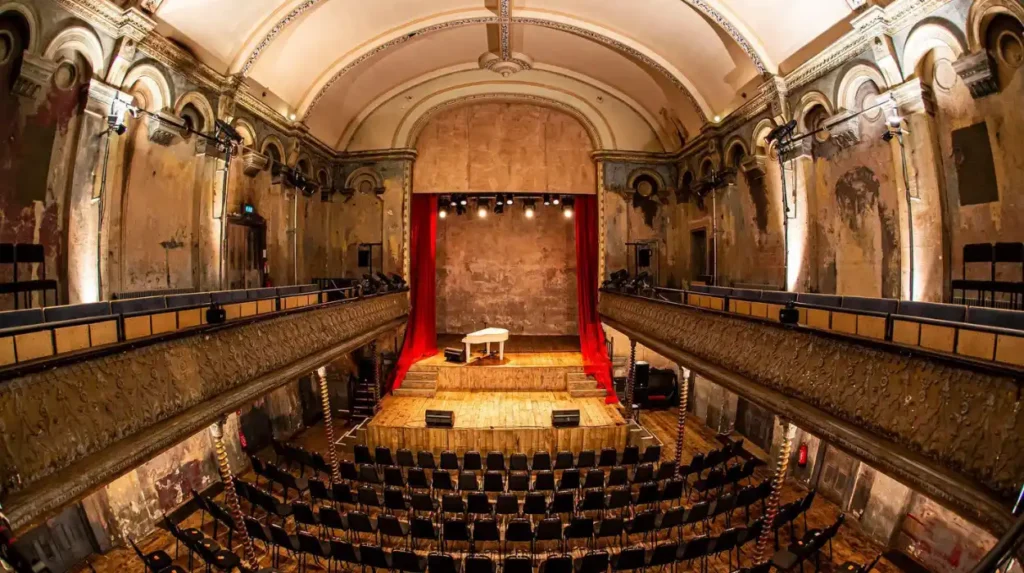
Wilton’s Music Hall offers a different experience. The venue is recognised by Tower Hamlets as a conservation area and forms part of the borough’s architectural heritage. Its survival provides an important connection to London’s historic entertainment culture.
Markets also form part of the borough’s cultural identity. Tower Hamlets Council highlights markets including Petticoat Lane and Columbia Road Flower Market among its visitor attractions.
For visitors, the most productive approach is to explore cultural sites alongside their surrounding streets. The relationship between markets, religious buildings, workshops, homes and public spaces explains why the East End developed such a distinctive identity.
Which waterways and docklands areas offer quieter discoveries?
Limehouse Cut, East India Dock Basin, the Lea Navigation, Shadwell Basin, Hermitage Basin and sections of the Thames waterfront provide quieter alternatives to the busiest Docklands viewpoints while revealing Tower Hamlets’ industrial, maritime and ecological history.
Water has always influenced Tower Hamlets. The borough’s southern boundary follows the River Thames, while canals, docks and tributaries penetrate its urban landscape.
Limehouse Cut is one of the most useful routes for visitors interested in this history. It forms part of London’s historic canal network and remains an important ecological corridor. Tower Hamlets lists Limehouse Cut among its Sites of Metropolitan Importance for Nature Conservation.
East India Dock Basin is another valuable stop. Its historic connection to the East India Docks gives the area a direct link with global maritime trade. Today, its ecological importance provides an additional reason to explore it.
Shadwell and Hermitage Basins offer another waterside perspective. The council identifies Shadwell and Hermitage Basins, Wapping Wood and Wapping Canal as a Site of Borough Importance for Nature Conservation, Grade 2.
The Lea Navigation provides a further route towards the eastern side of the borough. It connects Tower Hamlets with a wider network of waterways and open spaces across East London.
The Thames waterfront is also worth exploring away from the most famous viewpoints. Wapping, Limehouse and the Isle of Dogs contain different forms of river architecture, from historic warehouses and docks to modern residential and commercial development.
These waterways are especially useful for visitors seeking walking routes with a strong sense of place. They connect heritage, urban design and nature within relatively short distances.
Where can visitors discover unusual architecture in Tower Hamlets?
Unusual architecture appears throughout Tower Hamlets in conservation areas, historic estates, churches, market buildings, dock structures and modern developments, with notable examples including Boundary Estate, Hawksmoor churches, Balfron Tower, Wilton’s Music Hall and the West India Dock area.
Tower Hamlets contains a wide range of architectural periods. The borough’s official conservation list includes areas associated with Georgian streets, Victorian development, industrial infrastructure, twentieth-century housing and modern regeneration.
The Hawksmoor churches are among its most important historic buildings. Christ Church Spitalfields, St George-in-the-East and St Anne’s Limehouse were designed by Nicholas Hawksmoor as part of the early eighteenth-century church-building programme known as the Commission for Building Fifty New Churches.
Boundary Estate provides a contrasting architectural story. Its planned housing layout and central Arnold Circus demonstrate early twentieth-century municipal housing design.
Balfron Tower represents a later period. The high-rise residential building forms part of a designated conservation area, illustrating the architectural significance attached to post-war development in Tower Hamlets.
West India Dock provides another architectural contrast. Historic dock infrastructure sits within a contemporary financial district dominated by Canary Wharf towers.
The council maintains datasets covering conservation areas and listed buildings. A listed building is recognised for special architectural or historic interest and receives statutory protection. Locally listed buildings have recognised local importance because of their contribution to architecture, history or townscape.
This makes Tower Hamlets particularly useful for architectural walking. Visitors can move through several centuries of urban development within a relatively small geographic area.
Explore More Area Guide
Tower Hamlets Heritage Trail: Explore Historic Places Today
Tower Hamlets Food Guide: Brick Lane, Spitalfields and East London
How can visitors explore Tower Hamlets’ hidden corners in one day?
A one-day hidden Tower Hamlets itinerary works best when it combines one historic street district, one heritage garden, one cultural site, one waterside route and one green space, allowing visitors to experience the borough without focusing only on major landmarks.
Start in Spitalfields and explore the streets around Fournier Street, Princelet Street and Artillery Passage. These locations provide a strong introduction to the borough’s historic urban fabric.
Continue towards Boundary Estate and Arnold Circus. This adds a different architectural perspective and demonstrates the transition from older commercial districts to planned twentieth-century housing.
Move towards Whitechapel and visit Altab Ali Park. The park provides a quiet public space within one of East London’s busiest districts.
From Whitechapel, continue towards St George-in-the-East. The church and its gardens provide a combination of architecture, heritage and open space. The gardens cover 1.19 hectares and opened to the public in 1875.
Continue towards Wapping or Limehouse for a waterside section. Narrow Street and Limehouse Cut provide strong connections with the borough’s maritime and industrial history.
For an alternative afternoon, travel towards the Isle of Dogs and explore Island Gardens. The Grade II registered garden provides views towards Greenwich and represents an important part of the area’s nineteenth-century landscape history.
Visitors interested in nature can instead choose Tower Hamlets Cemetery Park, Mudchute Park and Farm or East India Dock Basin. The council identifies both Tower Hamlets Cemetery Park and Mudchute Park and Farm as local nature reserves.
The route can therefore be adapted around interests in architecture, history, nature, photography, walking or local culture.
Why are Tower Hamlets’ lesser-known places important for future visitors?
Tower Hamlets’ lesser-known places matter because they preserve local identity while supporting heritage conservation, biodiversity, public recreation and cultural tourism, giving visitors a more complete understanding of how historic East London continues to evolve alongside regeneration and modern development.
The importance of these places extends beyond tourism. Conservation areas protect architectural and historic character, while parks and nature sites provide environmental value.
Tower Hamlets has 58 conservation areas, demonstrating the scale of its protected historic environment. The council states that conservation areas cover places of special architectural or historical interest and provide additional planning protection for their character.
The borough also contains five nationally registered parks and gardens: Victoria Park at Grade II*, Boundary Gardens at Grade II, Island Gardens at Grade II, Museum Gardens at Grade II and the Novo Cemetery at Grade II.
Ecological protection is equally significant. The council identifies sites such as the River Thames and Bow Creek, London’s canals, Lea Valley, Mudchute Park and Farm, Mile End Park and Tower Hamlets Cemetery Park as Sites of Metropolitan Importance for Nature Conservation.
This combination creates a strong foundation for sustainable urban tourism. Visitors can explore heritage without limiting their experience to major ticketed attractions.
The hidden corners also distribute visitor activity across a wider area. Exploring smaller gardens, historic streets, waterways and community spaces encourages a deeper understanding of individual neighbourhoods.
For digital nomads and business travellers, these locations also provide useful downtime options. Parks, waterside routes, independent cultural venues and neighbourhood streets offer alternatives to spending all free time around major commercial centres.
Tower Hamlets therefore rewards slow exploration. Its most memorable visitor experiences often come from understanding how individual streets, buildings, gardens and waterways fit into the borough’s wider history.
The key is to look beyond the headline attractions. The Tower of London and Canary Wharf provide internationally recognised landmarks, but the surrounding streets reveal the everyday history that shaped East London.
A visit to Tower Hamlets becomes more complete when historic streets, public gardens, conservation areas, waterways and cultural sites are treated as connected parts of the same urban landscape.
What are the best hidden corners to visit in Tower Hamlets?
Some of the best lesser-known corners include Artillery Passage, Narrow Street, Stepney Green, Boundary Estate and Arnold Circus, St George’s Gardens, Limehouse Cut, East India Dock Basin, Island Gardens and Tower Hamlets Cemetery Park.