Key Points:
- Select Piling Ltd has been fined £13,567.65 after being convicted of four offences relating to unauthorised connections to Thames Water’s clean water network in Plaistow, east London.
- The civil engineering firm escalated its unlawful activities by excavating a public highway to make a direct connection to a clean water main, following a previous conviction in February for attaching an unlicensed standpipe to a fire hydrant in the same area.
- Thames Water’s illegal connection team highlighted that stopping unauthorised abstractions is vital to preventing the loss of millions of litres of treated water and maintaining supply infrastructure.
- Enforcement activity across the Thames Water catchment has intensified, with the utility securing 32 prosecutions covering 61 individual offences in 2026, leading to cumulative fines and legal costs totaling £137,338.22.
- Further enforcement actions in August included court penalties against Graduate Landscapes, Thames Street Works Ltd, Excel Drainage Ltd, and Advanced Drains Ltd for similar standpipe and supply offences.
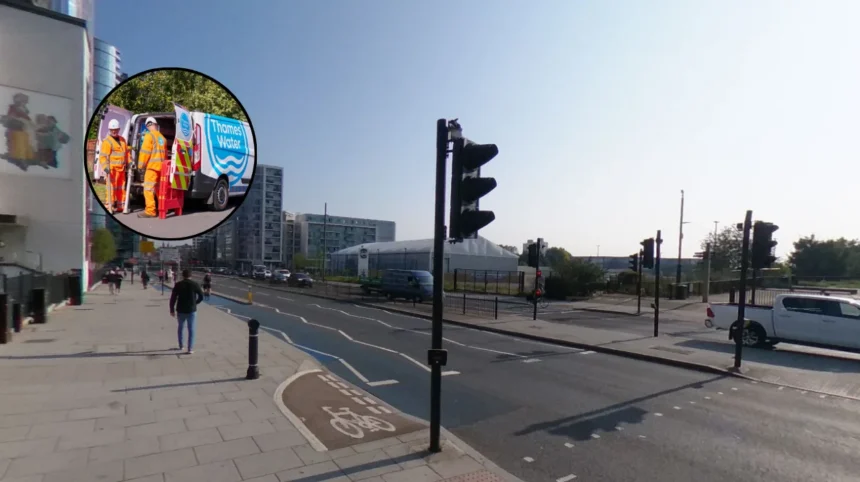
Plaistow (East London Times) September 22, 2026 — As reported by Robyn Bennett of the Newham Recorder, specialist contractor Select Piling Ltd was ordered by the courts to pay a total of £13,567.65 after being convicted of four separate offences connected to illegal attachments made to the public water network in Plaistow, east London.
- Key Points:
- What Did Thames Water State Regarding the Impact of Illegal Water Connections?
- How Extensively Is Thames Water Prosecuting Unlawful Network Access Across the Region?
- What Frameworks and Legal Pathways Exist for Commercial Water Abstraction?
- Background of Illegal Water Abstractions and Utility Enforcement
- Prediction: How This Development Can Affect Construction Contractors and Local Ratepayers
The prosecution arose after the firm made unauthorised connections directly into the clean water distribution system managed by Thames Water. As reported by Robyn Bennett of the Newham Recorder, the company escalated its illegal activity by physically excavating the public highway to wire an unlicensed pipe into the main supply network.
The judicial outcome marks the second time the business has faced legal sanctions for interference with local utility infrastructure. As reported by Robyn Bennett of the Newham Recorder, this recent prosecution follows a prior conviction handed down in February, when Select Piling Ltd was convicted for attaching an unlicensed standpipe to a public fire hydrant within the same geographical location.
What Did Thames Water State Regarding the Impact of Illegal Water Connections?
Water companies across the United Kingdom maintain strict regulatory oversight over physical access to public utilities to safeguard both supply volumes and quality standard controls.
As reported by Robyn Bennett of the Newham Recorder, Claire, the illegal connections manager at Thames Water, stated that
“Our work to identify and stop illegal connections is crucial to preventing the loss of millions of litres of water, and meeting our statutory duty to protect, manage and maintain the clean water network.”
The statutory utility emphasized that commercial abstractions carried out outside regulated channels undermine broader operational efforts aimed at conserving local water reserves during maintenance and leakage reduction initiatives.
As reported by Robyn Bennett of the Newham Recorder, Claire added that
“As we ask customers to use water responsibly and have engineers out every day finding and fixing leaks, we’re also taking firm action to prevent unlawful connections to our supply.”
How Extensively Is Thames Water Prosecuting Unlawful Network Access Across the Region?
The legal action taken against Select Piling Ltd forms part of a wider enforcement push by the regional water supplier aimed at cracking down on commercial contractors taking unmetered mains water.
As reported by Robyn Bennett of the Newham Recorder, Thames Water’s dedicated illegal connection team has secured 32 individual prosecutions covering 61 separate offences so far in 2026. These legal actions have generated aggregate financial penalties, fines, and associated legal costs amounting to £137,338.22 across the court system.
The enforcement surge saw multiple commercial operators penalised during August alone for interfering with clean water infrastructure:
Which Other Contractors Were Convicted Following August Enforcement Operations?
As reported by Robyn Bennett of the Newham Recorder, Graduate Landscapes was fined £1,000 following an unauthorised standpipe connection detected in Wantage.
As reported by Robyn Bennett of the Newham Recorder, Thames Street Works Ltd was ordered to pay £3,527 for a similar standpipe offence committed in Bexley.
As reported by Robyn Bennett of the Newham Recorder, Excel Drainage Ltd was handed £3,573 in fines and costs over illegal attachments in the Vale of White Horse.
As reported by Robyn Bennett of the Newham Recorder, Advanced Drains Ltd incurred £3,743 in penalties for offences committed in Tower Hamlets.
What Frameworks and Legal Pathways Exist for Commercial Water Abstraction?
To manage public network safety, utility operators maintain specific regulatory regimes governing how external businesses access water supplies on temporary worksites.
As reported by Robyn Bennett of the Newham Recorder, Thames Water holds the legal right to prosecute all illegal connection offences, but the company may elect to offer a one-time retrospective charge for a non-aggravated first offence involving an unlicensed standpipe.
As reported by Robyn Bennett of the Newham Recorder, approved standpipes can be rented directly through Thames Water’s designated service provider, while members of the public or industry workers can report suspected illegal connections by contacting developer services on 0800 009 3921 or via email at [email protected].
Background of Illegal Water Abstractions and Utility Enforcement
The UK water sector operates under strict legal frameworks, primarily governed by the Water Industry Act 1991, which renders any unapproved connection to a public water main or apparatus a criminal offence. Unregulated water abstraction poses significant operational risks to clean water distribution networks. Unauthorised connections carried out without backflow prevention devices introduce severe risks of cross-contamination, potentially allowing back-siphonage of non-potable liquids, ground contaminants, or construction chemicals into the public drinking supply.
Furthermore, commercial contractors accessing mains water via unmetered standpipes or direct road excavations cause unaccounted-for water loss, skewing operational telemetry used by utility companies to manage pressure, identify genuine pipe bursts, and track leakage targets set by the economic regulator, Ofwat. In recent years, utility firms across England and Wales have established specialized prosecution teams working alongside law enforcement and local authorities to curb systematic abstraction by construction, landscaping, and drainage firms seeking to bypass legitimate standpipe licensing fees and metered tariffs.
Prediction: How This Development Can Affect Construction Contractors and Local Ratepayers
The prosecution of Select Piling Ltd signals a lower tolerance threshold and heightened regulatory risk for construction firms, groundworks sub-contractors, and utility developers operating throughout London and the Thames Valley region.
For the construction and civil engineering sector, this outcome indicates that water undertakers are actively pursuing criminal convictions and escalating financial penalties for repeat offenders rather than issuing informal warnings or retrospective standard fees. Commercial entities that fail to secure authorized, metered standpipes face increased financial exposure through legal costs, mandatory court fines, and reputational damage that could jeopardize public sector tendering opportunities and commercial procurement approvals. Consequently, contracting firms will likely be forced to tighten internal site compliance protocols, audit site water sourcing methods, and mandate formal training for site managers regarding statutory utility connections.
For local residential ratepayers and commercial customers, intensified enforcement against illegal abstractions provides greater protection for regional water security and tariff stability. Unmetered water theft contributes to regional supply deficits, forcing utility providers to absorb unrecoverable operational costs that eventually feed into customer bill calculations during regulatory price reviews. By clamping down on illegal attachments and highway excavations, Thames Water reduces unmonitored system pressure fluctuations and potential contamination risks, helping safeguard the integrity of drinking water quality and supporting long-term infrastructure resilience across east London and surrounding catchments.