Key Points
- Unlawful Killing Finding: A six-day inquest concluded that Hugo Flint Cahan, 34, was unlawfully killed by 22-year-old fellow patient Rolando Torres-Pena at Newham Mental Health Centre in January 2023, with neglect contributing significantly to his death.
- Coroner’s Formal Warning: Senior Coroner for East London, Graeme Irvine, issued a Prevention of Future Deaths report to NHS England and the East London NHS Foundation Trust, warning that further lives remain at risk without urgent reform.
- Severe Operational Failures: Investigations revealed healthcare staff were sleeping on duty, spent extended periods on mobile phones during unauthorised breaks, and delayed CPR after finding Mr Flint Cahan nearly two hours post-attack.
- Systemic Deception: The coroner cited widespread falsification of observation records, the intentional misleading of Metropolitan Police officers, and a culture where deceptions were committed with complete confidence that colleagues would not report them.
- Referrals and Police Review: The coroner recommended staff members be formally referred to their professional regulators and urged the Metropolitan Police to re-examine their investigation into the fatal incident.
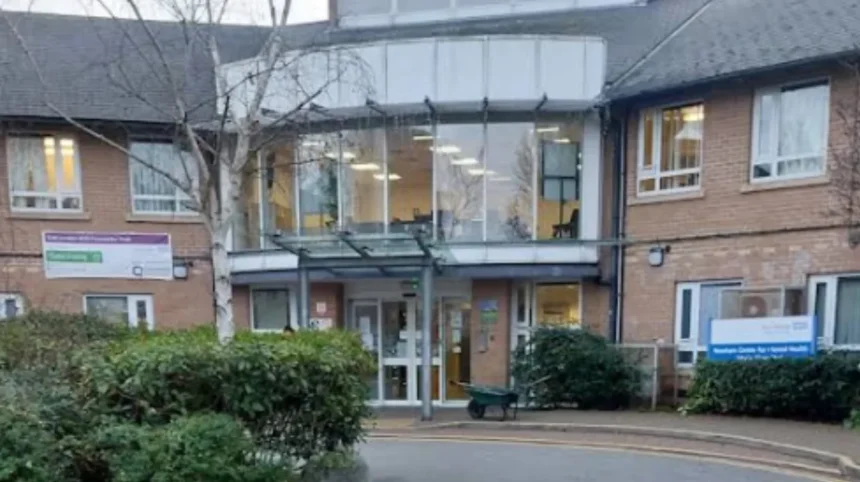
East London (East London Times) October 3, 2026 — A senior coroner has issued an urgent warning that additional deaths could take place at an acute mental health facility in east London following a finding that institutional neglect contributed to the unlawful killing of a patient. Hugo Flint Cahan, aged 34, was strangled by a 22-year-old fellow patient, Rolando Torres-Pena, inside the Newham Mental Health Centre in January 2023.
Following the conclusion of a six-day inquest, Senior Coroner for East London Graeme Irvine formally issued a Prevention of Future Deaths report directed to both the East London NHS Foundation Trust and NHS England. The document sets out severe concerns regarding the standards of care, supervision, and patient safety provided at the facility, which is tasked with housing and managing acutely mentally ill men.
What Failures Were Discovered By The Inquest Panel?
During the inquest proceedings, detailed evidence emerged regarding acute operational breaches on the ward during the night Mr Flint Cahan was killed. As reported by standard.co.uk, legal findings established that ward staff were asleep while on duty and spent prolonged periods using their mobile phones during unauthorised breaks.
As detailed by the BBC, the coroner outlined 14 distinct areas of concern, identifying a total failure to execute timely and thorough visual observations of high-risk patients. Furthermore, official logs were routinely falsified. The inquest heard that staff members completed patient observation documents without making physical checks to confirm patient locations, acting in the safe knowledge that colleagues on duty would neither escalate nor report the deception.
As reported by standard.co.uk, evidence presented in court confirmed that staff discovered Mr Flint Cahan’s body almost two hours after the fatal assault is believed to have occurred. Once the discovery was made, staff exhibited significant delays in initiating CPR. Additionally, the court heard that attending officers from the Metropolitan Police were actively misled by ward staff regarding the movements and status of patients on the night of the killing.
What Regulatory Actions Have Been Recommended By Senior Coroner Graeme Irvine?
In light of the evidence examined during the hearing, Mr Irvine recommended that the healthcare personnel involved be formally referred to their respective professional regulatory bodies. The coroner also called directly upon the Metropolitan Police to review their initial investigation into the circumstances surrounding the death at the facility.
The Prevention of Future Deaths report stresses that systemic issues within the trust’s observational protocols and duty-of-care oversight pose an ongoing threat to vulnerable patients if structural changes are not immediately mandated and enforced.
Background To The Development
The fatal incident involving Hugo Flint Cahan and Rolando Torres-Pena occurred within the acute care framework of the East London NHS Foundation Trust, an organisation responsible for providing mental health services across multiple London boroughs. Acute psychiatric units are specifically designed to deliver intensive support and constant monitoring for individuals experiencing severe mental health crises who pose a potential danger to themselves or others.
Under National Health Service (NHS) governance frameworks, clinical staff on acute inpatient wards are required to perform routine, time-critical observation rounds—often scheduled at fixed intervals or conducted on a continuous basis—to guarantee patient safety. The findings of falsified records and unmonitored wards represent severe breaches of statutory duty and clinical protocols set out by the Care Quality Commission (CQC) and NHS England. Prevention of Future Deaths reports are statutory instruments issued under Regulation 28 of the Coroners (Investigations) Regulations 2013, requiring recipient organisations to respond within 56 days detailing the actions taken or proposed to address the coroner’s concerns.
Prediction: How Will This Development Affect NHS Trusts, Healthcare Workers, And Patient Families?
This ruling and the subsequent Prevention of Future Deaths report are expected to trigger immediate administrative, legal, and operational changes across NHS mental health providers and related oversight bodies.
Impact On NHS Trusts And Health Authorities
NHS England and the East London NHS Foundation Trust face immediate pressure to enforce stricter audit mechanisms regarding ward observation logs. Trust management will likely institute biometric or electronic monitoring systems to verify that patient observation rounds are conducted in real time, reducing reliance on manual paper logs that are vulnerable to falsification. NHS trusts nationwide may conduct immediate internal reviews of night-shift staffing policies, break structures, and mobile phone usage rules to minimize clinical negligence risks.
Impact On Healthcare Professionals And Regulators
The recommended referral of ward staff to regulatory bodies, such as the Nursing and Midwifery Council (NMC) or Health and Care Professions Council (HCPC), signals heightened professional liability for healthcare workers. Staff found to have falsified medical records or neglected basic monitoring duties face potential suspension or striking off from professional registers. Furthermore, the request for the Metropolitan Police to review its investigation introduces the possibility of reopened criminal inquiries concerning misconduct in public office or gross negligence manslaughter.
Impact On Patients And Their Families
For families of individuals admitted to acute psychiatric units, these disclosures are likely to heighten concerns regarding patient safety and institutional transparency. The findings could spur increased legal action from families seeking civil damages for clinical negligence and human rights breaches. In the longer term, heightened legal scrutiny and regulatory intervention are intended to force structural reforms, ultimately securing safer environments and more rigorous oversight for vulnerable patients in acute psychiatric care.