


East London Times (ELT)East London Times (ELT)East London Times (ELT)
  • Local News
    • Redbridge News
    • Hackney News
    • Newham News
    • Havering News
    • Tower Hamlets News
    • Waltham Forest News
    • Barking and Dagenham News
  • Crime News​
    • Havering Crime News
    • Barking and Dagenham Crime News
    • Tower Hamlets Crime News
    • Newham Crime News
    • Redbridge Crime News
    • Hackney Crime News
    • Waltham Forest Crime News
  • Police News
    • Barking and Dagenham Police News
    • Havering Police News
    • Hackney Police News​
    • Newham Police News
    • Redbridge Police News
    • Tower Hamlets Police News
    • Waltham Forest Police News
  • Fire News
    • Barking and Dagenham Fire News
    • Havering Fire News
    • Hackney Fire News​
    • Newham Fire News
    • Redbridge Fire News
    • Tower Hamlets Fire News
    • Waltham Forest Fire News
  • Sports News
    • West Ham United News
    • Tower Hamlets FC News
    • Newham FC News
    • Sporting Bengal United News
    • Barking FC News
    • Hackney Wick FC News
    • Dagenham & Redbridge News
    • Leyton Orient News
    • Clapton FC News
    • Havering Hockey Club News
East London Times (ELT)East London Times (ELT)
  • Local News
  • Crime News​
  • Police News
  • Fire News
  • Sports News
  • Local News
    • Redbridge News
    • Hackney News
    • Newham News
    • Havering News
    • Tower Hamlets News
    • Waltham Forest News
    • Barking and Dagenham News
  • Crime News​
    • Havering Crime News
    • Barking and Dagenham Crime News
    • Tower Hamlets Crime News
    • Newham Crime News
    • Redbridge Crime News
    • Hackney Crime News
    • Waltham Forest Crime News
  • Police News
    • Barking and Dagenham Police News
    • Havering Police News
    • Hackney Police News​
    • Newham Police News
    • Redbridge Police News
    • Tower Hamlets Police News
    • Waltham Forest Police News
  • Fire News
    • Barking and Dagenham Fire News
    • Havering Fire News
    • Hackney Fire News​
    • Newham Fire News
    • Redbridge Fire News
    • Tower Hamlets Fire News
    • Waltham Forest Fire News
  • Sports News
    • West Ham United News
    • Tower Hamlets FC News
    • Newham FC News
    • Sporting Bengal United News
    • Barking FC News
    • Hackney Wick FC News
    • Dagenham & Redbridge News
    • Leyton Orient News
    • Clapton FC News
    • Havering Hockey Club News
  • Cookies Policy
  • Report an Error
  • Sitemap
  • Code of Ethics
  • Help & Resources
East London Times (ELT) © 2026 - All Rights Reserved
East London Times (ELT) > Opinion > Google’s £260 million Play Store settlement: a landmark for UK app developers
Opinion

Google’s £260 million Play Store settlement: a landmark for UK app developers

Dr. Miroslava Marinova
Last updated: October 5, 2026 12:41 pm
Dr. Miroslava Marinova
25 minutes ago
Senior Commercial Law Lecturer (UEL) -
Share
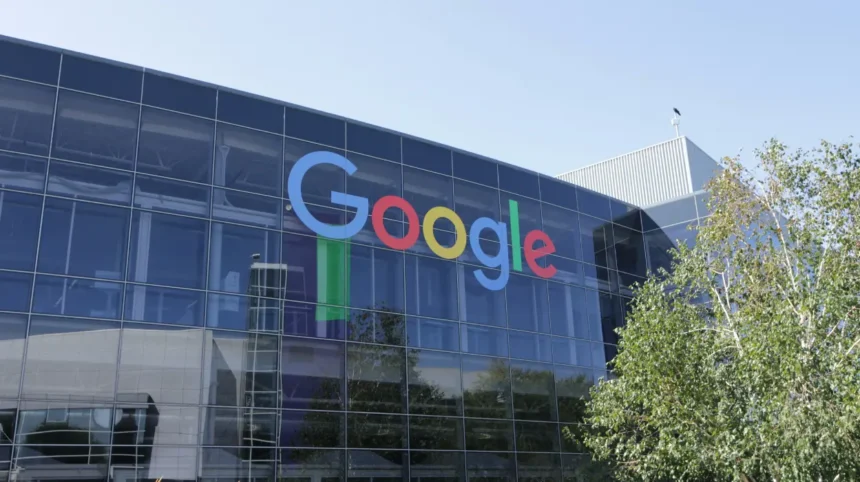
Google’s £260 million Play Store settlement: a landmark for UK app developers
Credit: litigationfinanceinsider.com

Thousands of UK businesses use Google’s Play Store to reach their customers. For many developers selling apps, games or digital content for Android devices, access to Google Play is an important route to market. That dependence was at the centre of the largest settlement the Competition Appeal Tribunal has yet approved under the UK’s opt-out collective action regime. Google has agreed to pay £260 million to settle a claim alleging that it abused its dominant position in the markets for licensable mobile operating systems and Android app distribution, to the detriment of UK app developers, by restricting alternative methods of app distribution and by imposing commissions alleged to be excessive and unfair.

The claim was brought by Professor Barry Rodger, a competition law academic, on behalf of UK-domiciled app developers who made qualifying sales through Google Play between 22 August 2018 and 31 July 2026.

In competition law terms, the conduct alleged combines two distinct forms of abuse of dominance. Restricting developers’ access to alternative ways of distributing their apps is exclusionary because it weakens or forecloses competing routes to market. Charging commissions of up to 30 per cent was alleged to be exploitative because those commissions, imposed on developers using the Play Store, were said to be excessive and unfair.

The claim was brought under Chapter II of the Competition Act 1998 and, for the earlier part of the relevant period, Article 102 of the Treaty on the Functioning of the European Union, both of which prohibit the abuse of a dominant position.

The case was due to proceed to a substantial trial, but the parties reached a settlement shortly before it was due to begin. Google did not admit wrongdoing, and the Tribunal did not make a finding that competition law had been infringed. The settlement resolves the claim without a judgment on liability.

Even so, the size of the settlement is significant. Of the £260 million total, £160 million has been allocated to compensate the developer class. The remaining £100 million is available to meet litigation-related costs, including those of the litigation funder, insurers and lawyers.

The distribution arrangements reflect the very different sizes of the developers within the class. Developers with £7,500 or less in qualifying UK revenue can elect to receive a fixed payment of £200 rather than have their individual loss calculated. Larger claims will be assessed by reference to the developer’s own losses and its share of the overall class loss.

The settlement therefore matters particularly for small developers. For many of them, the amount at stake individually would never have justified the cost of bringing proceedings against a company the size of Google. That is precisely where the collective action mechanism becomes important. Rather than requiring every developer to bring a separate claim, the opt-out regime allows one representative to pursue the case on behalf of the entire defined class. Those falling within the class are included automatically unless they choose to opt out.

For small digital businesses, this changes the economics of enforcement. A claim that would be unrealistic for one developer to pursue alone can become viable when thousands of similar claims are brought together.

The case also raises a broader competition law issue. Digital platform cases often focus on exclusionary conduct: whether a platform restricts rivals, forecloses alternative routes to market or strengthens an already powerful position. The Google Play claim linked those alleged restrictions directly to what developers were then required to pay once alternative distribution channels had been constrained.

That connection between exclusionary and exploitative conduct is one of the most interesting aspects of the claim. It is also a question the settlement leaves unresolved. No tribunal has ruled on whether Google’s restrictions on app distribution, together with the commissions charged through the Play Store, amounted to an unlawful abuse of dominance. What the case does show is the scale of the dispute and the potential value of collective redress where alleged losses are spread across a large number of businesses.

The significance of the Google case therefore lies not only in the £260 million headline figure. It shows that the UK’s collective action regime is becoming an increasingly important route for businesses seeking compensation for alleged competition law infringements.

For app developers, the case is particularly notable because it concerns the commercial terms imposed by one of the most important digital gateways between developers and consumers. For the wider competition regime, it is another indication that enforcement is no longer confined to public regulators. Private collective claims are becoming a significant part of the way competition law is enforced in practice.


East London Is Not Your Scapegoat: On Diversity, the Far Right, and Who Gets to Tell Our Story
When AI Algorithms Predict Willingness to Pay: Why Regulators Need Strong Investigation Powers
Same system, new election, will Newham’s 2026 election be any different?
Can Islamic Finance Help Fund Net Zero?
Shaping East London’s Music Scene: AI, Sound Design, and Creative Innovation at UEL
Dr. Miroslava Marinova
ByDr. Miroslava Marinova
Dr. Miroslava (Mira) Marinova is an experienced professional, having worked for more than 20 years in competition law across the public and private sectors. Currently, she teaches International Competition Law, Intellectual Property Law, and EU Law at the University of East London (UEL). Before joining UEL, she was part of the Competition Law Enforcement team at Ofgem, the UK’s Energy Regulator. She also serves as a Visiting Lecturer at King’s College London. She has authored numerous articles published in international peer-reviewed law journals, with several of her papers nominated for the prestigious Antitrust Writing Awards, co-organized by the Concurrences Institute and George Washington University Law School.
Previous Article Why Mads Hermansen Is Central To West Ham Debate London 2026 Why Mads Hermansen Is Central To West Ham Debate London 2026
Next Article Hammers Women slump to defeat on derby day Hammers Women slump to defeat on derby day
East London Times footer logo

All the day’s headlines and highlights from East London Times, direct to you every morning.

Area We Cover

  • Hackney News
  • Havering News
  • Newham News
  • South East London News
  • Redbridge News
  • Tower Hamlets News
  • Waltham Forest News

Explore News

  • Crime News​
  • Fire News
  • Police News
  • Live Traffic & Travel News
  • Sports News

Discover ELT

  • About East London Times (ELT)
  • Become ELT Reporter
  • Contact East London Times (ELT)
  • Street Journalism Training Programme (Online Course)
  • Politicians
  • Journalists
  • Contributors

Useful Links

  • Cookies Policy
  • Report an Error
  • Sitemap
  • Code of Ethics
  • Help & Resources
East London Times (ELT) © 2026 - All Rights Reserved
Welcome Back!

Sign in to your account

Username or Email Address
Password

Lost your password?