A day of cultural discovery in Tower Hamlets combines established attractions with places that reveal everyday local life. Visitors can explore the Museum of London Docklands, discover the historic streets of Spitalfields, experience the independent art scene around Whitechapel and Brick Lane, and visit public spaces that preserve the borough’s diverse heritage.
- Why Is Tower Hamlets an Important Cultural Destination in East London?
- Which Museums Should Visitors Explore in Tower Hamlets?
- Museum of London Docklands
- Museum heritage in Bethnal Green
- How should visitors choose between the museums?
- Where Can Visitors Discover the History of Spitalfields and Brick Lane?
- Spitalfields Market and its historic surroundings
- Brick Lane and Bangladeshi heritage
- What is the best way to explore these historic streets?
- Which Art Galleries Reveal Tower Hamlets’ Contemporary Culture?
- Whitechapel Gallery
- Independent creative spaces and street art
- How can visitors combine art and heritage?
- Which Historic Religious Sites Explain Tower Hamlets’ Cultural Diversity?
- Christ Church Spitalfields
- Brick Lane Mosque and the history of worship
- Why do these sites matter to cultural visitors?
- Which Markets and Food Streets Offer the Strongest Cultural Experience?
- Where Can Visitors Find Community Heritage and Local History Collections?
- Which Public Spaces Connect Tower Hamlets’ Cultural Attractions?
- How Can Visitors Plan a One-Day Cultural Itinerary in Tower Hamlets?
- How Can Visitors Reach Tower Hamlets’ Cultural Attractions?
- What Should Visitors Know Before Exploring Tower Hamlets?
- Check opening hours and admission
- Prepare for different weather conditions
- Respect local communities
- Support local businesses
- How Does Cultural Tourism Help Preserve Tower Hamlets’ Heritage?
- Which Cultural Stops Should Visitors Prioritise for a Tower Hamlets Day of Discovery?
- Why Is Tower Hamlets an Important Cultural Destination in East London?
- Which Museums Should Visitors Explore in Tower Hamlets?
- Museum of London Docklands
- Museum heritage in Bethnal Green
- How should visitors choose between the museums?
- Where Can Visitors Discover the History of Spitalfields and Brick Lane?
- Spitalfields Market and its historic surroundings
- Brick Lane and Bangladeshi heritage
- What is the best way to explore these historic streets?
- Which Art Galleries Reveal Tower Hamlets’ Contemporary Culture?
- Whitechapel Gallery
- Independent creative spaces and street art
- How can visitors combine art and heritage?
- Which Historic Religious Sites Explain Tower Hamlets’ Cultural Diversity?
- Christ Church Spitalfields
- Brick Lane Mosque and the history of worship
- Why do these sites matter to cultural visitors?
- Which Markets and Food Streets Offer the Strongest Cultural Experience?
- Where Can Visitors Find Community Heritage and Local History Collections?
- Which Public Spaces Connect Tower Hamlets’ Cultural Attractions?
- How Can Visitors Plan a One-Day Cultural Itinerary in Tower Hamlets?
- How Can Visitors Reach Tower Hamlets’ Cultural Attractions?
- What Should Visitors Know Before Exploring Tower Hamlets?
- Check opening hours and admission
- Prepare for different weather conditions
- Respect local communities
- Support local businesses
- How Does Cultural Tourism Help Preserve Tower Hamlets’ Heritage?
- Which Cultural Stops Should Visitors Prioritise for a Tower Hamlets Day of Discovery?
The most effective itinerary balances indoor attractions with outdoor exploration. Museums provide historical context, galleries introduce contemporary perspectives, and markets reveal the food, craftsmanship and traditions that continue to shape East London. Choosing stops within neighbouring districts also reduces travel time and creates a more connected visitor experience.
Why Is Tower Hamlets an Important Cultural Destination in East London?
Tower Hamlets is an important cultural destination because it combines maritime history, immigrant heritage, contemporary art, historic religious buildings and community markets within a compact East London borough. Its attractions connect the River Thames, former docks, historic commercial streets and neighbourhoods shaped by successive generations.
The borough sits immediately east of the City of London. Its location encouraged centuries of commercial exchange, including shipping, warehousing, textile production and international trade. The development of the West India Docks in the early nineteenth century transformed the surrounding landscape and established dock employment as a major part of local life.
Tower Hamlets subsequently became home to communities arriving from different parts of Britain and overseas. Jewish migration shaped parts of Spitalfields and Whitechapel, while Bangladeshi communities established a particularly strong presence around Brick Lane. These histories remain visible in religious buildings, restaurants, street markets, cultural organisations and public art.
The borough also reflects London’s transition from an industrial port to a centre of financial services, tourism and creative industries. Canary Wharf’s modern skyline stands close to historic dock infrastructure, while independent galleries and cultural venues occupy streets associated with older industries.
This combination makes Tower Hamlets particularly suitable for visitors interested in social history rather than isolated monuments. A single day can connect the history of global trade with migration, urban redevelopment, religious diversity and contemporary cultural production.
The borough’s cultural offer also extends beyond major visitor attractions. Community festivals, local markets, independent businesses and public spaces help visitors understand how cultural traditions continue to influence everyday life.
Which Museums Should Visitors Explore in Tower Hamlets?
The Museum of London Docklands is the principal museum stop for understanding Tower Hamlets’ maritime past. The nearby V&A Museum of Childhood site in Bethnal Green also has a strong museum heritage, while smaller cultural venues provide additional perspectives on local communities and creative life.
Museum of London Docklands
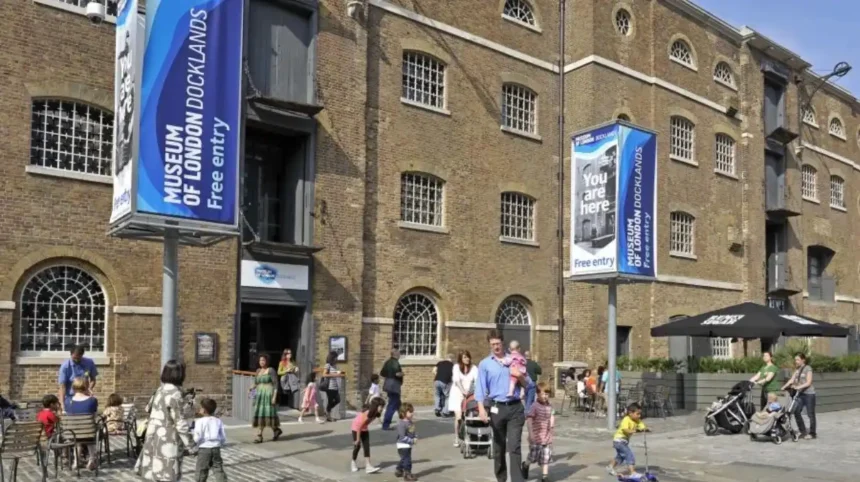
The Museum of London Docklands occupies a historic warehouse at West India Quay, close to Canary Wharf. The building and its surroundings connect visitors with the commercial infrastructure that once supported one of the world’s major port cities.
The museum explores the history of the River Thames, London’s docks, international commerce, migration and the people whose work sustained the port. Its collections and exhibitions explain how goods, labour and capital moved through London and influenced the city’s development.
The museum’s location adds an important physical dimension to the experience. Visitors can see surviving warehouse architecture and the modern waterfront while learning about the earlier dock system. This relationship between historical evidence and the surrounding landscape makes the museum a strong starting point for a cultural itinerary.
Allow around 90 minutes to two hours for a focused visit. Check the museum’s official website for opening arrangements, current exhibitions and any admission requirements before travelling.
Museum heritage in Bethnal Green
The Young V&A occupies the historic museum building in Bethnal Green formerly known as the Museum of Childhood. It is part of the Victoria and Albert Museum and focuses on creativity, play, design and young people.
Its emphasis on objects, design and creative participation provides a different perspective from the maritime collections at Docklands. The museum connects everyday objects with broader themes of design, social history and changing childhood experiences.
Visitors should check the official Young V&A website before making it a fixed stop. Exhibition schedules, access arrangements and opening hours determine how well it fits into a particular day.
How should visitors choose between the museums?
The Museum of London Docklands is the stronger choice for visitors primarily interested in shipping, industrial history and global trade. Young V&A suits visitors interested in design, childhood, toys and creative learning.
Both museums provide useful context for understanding East London, but they sit in different neighbourhoods. Visiting both requires additional travel and enough time to explore their collections properly. For a one-day itinerary, combining one museum with nearby heritage sites and a market usually creates a more balanced experience.
Where Can Visitors Discover the History of Spitalfields and Brick Lane?
Spitalfields and Brick Lane offer a concentrated introduction to Tower Hamlets’ migration, textile, religious and commercial heritage. Visitors can explore historic streets, former Huguenot and Jewish neighbourhoods, Bangladeshi cultural landmarks and market spaces that connect centuries of change.
Spitalfields Market and its historic surroundings
Old Spitalfields Market is a historic market site near Liverpool Street. Its present-day setting combines independent retailers, food businesses, design-led stalls and restaurants with architecture reflecting the area’s commercial past.
Spitalfields developed as a centre of textile production and trade. French Protestant Huguenots arrived in England following religious persecution in France, and many settled in East London from the late seventeenth century. Their skills contributed to the local silk-weaving industry and influenced the built environment.
The area later became associated with other migrant communities, including Jewish arrivals from Eastern Europe. Their businesses, religious institutions and cultural organisations formed part of the neighbourhood’s changing identity.
Today, the market provides a practical place to observe how historic commercial spaces adapt to new economic activities. Visitors can browse independent goods, eat lunch and explore surrounding streets without travelling far between stops.
Brick Lane and Bangladeshi heritage
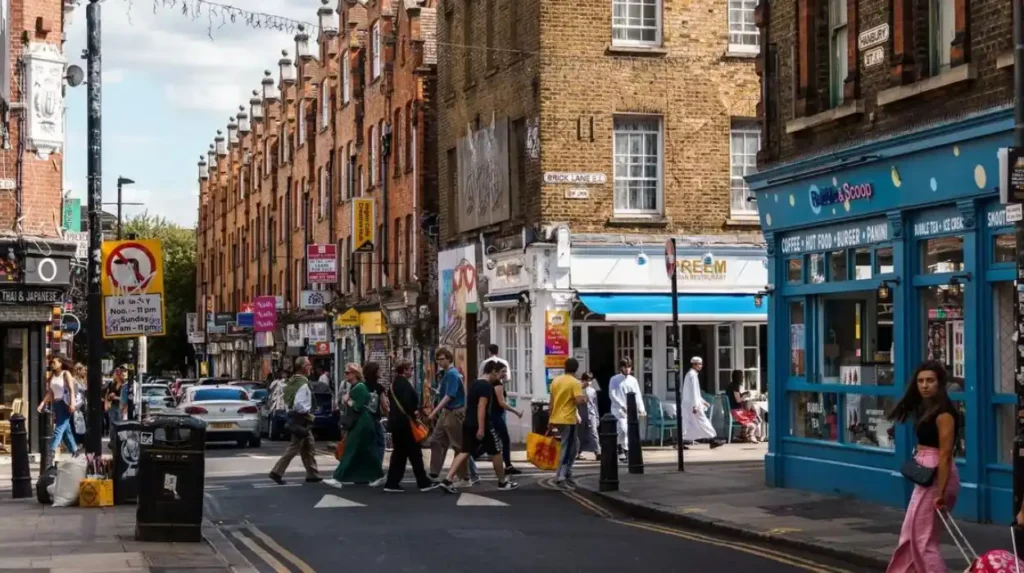
Brick Lane is closely associated with Bangladeshi London, particularly the Sylheti community. Its restaurants, food shops, cultural events and community institutions reflect decades of migration, entrepreneurship and neighbourhood change.
The street’s cultural significance extends beyond food. Its history includes earlier associations with Huguenot silk weavers, Jewish immigrants and other communities that established businesses and places of worship in the East End.
The area’s religious architecture provides particularly clear evidence of this layered past. The building now used as the Brick Lane Mosque, also known as the Jamme Masjid, has served different religious communities over time. Its history reflects changing patterns of settlement and worship in the neighbourhood.
Street art and independent creative businesses add another dimension to Brick Lane. Visitors should distinguish between temporary artwork, commercial displays and formally organised exhibitions, as the streetscape changes frequently.
What is the best way to explore these historic streets?
Start around Spitalfields Market and continue towards Brick Lane, allowing time for side streets and historic buildings. This route introduces the area’s commercial history before moving into its more visible food and community culture.
As you explore the modern market and surrounding streets, you are crossing a landscape shaped by centuries of migration and trade. Read about the full [Insert Anchor Text for Tower Hamlets Historical Background Article Here] to understand the origins of the borough’s neighbourhoods and cultural identity.
The walk is especially useful for visitors who want to understand how migration influenced urban life. It also provides opportunities to support independent businesses and experience contemporary East London culture.
Which Art Galleries Reveal Tower Hamlets’ Contemporary Culture?
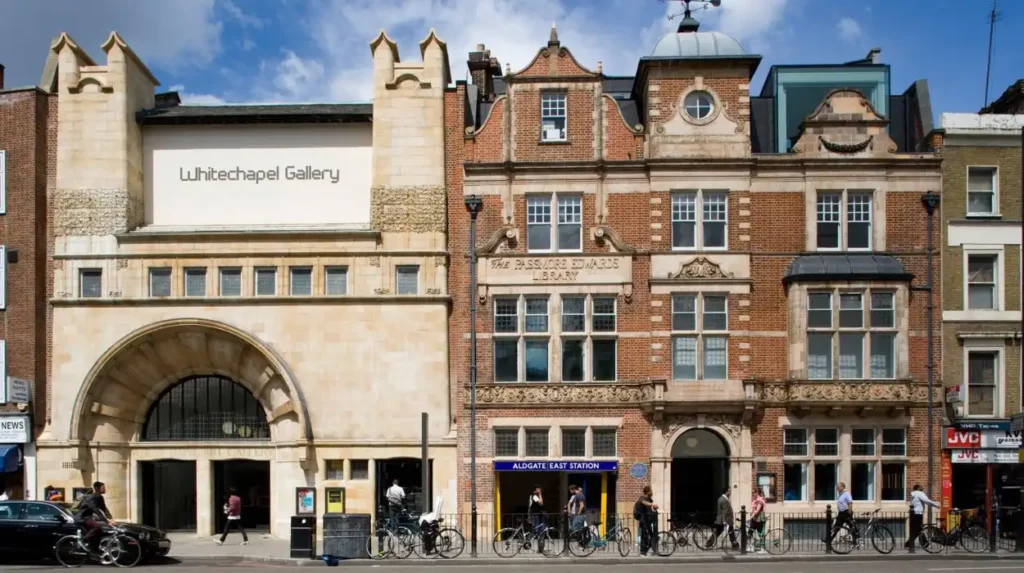
Whitechapel Gallery is the principal destination for contemporary art in Tower Hamlets. The surrounding Whitechapel and Spitalfields districts also contain independent creative spaces, street art and cultural businesses that reveal how artists engage with the borough’s social history and changing urban environment.
Whitechapel Gallery
Whitechapel Gallery opened in 1901 and has a long history of presenting modern and contemporary art to public audiences.
The gallery is known for exhibitions that engage with international artistic movements, social issues and new approaches to visual culture. Its programme provides an opportunity to encounter work by established and emerging artists within an institution rooted in East London.
Whitechapel Gallery also offers an important counterpoint to the borough’s historic attractions. Whereas Docklands explains the economic systems that shaped the area, contemporary exhibitions address current cultural debates and artistic practices.
Allow approximately 60–90 minutes for a visit, depending on the exhibitions available. Check the gallery’s official programme for current displays, talks, events and admission arrangements.
Independent creative spaces and street art
The areas around Brick Lane and the neighbouring Shoreditch district contain changing examples of street art, murals and independent creative activity. Some works are temporary, while others remain visible for longer periods.
Street art offers a different way to explore urban culture. Artists use building surfaces and public-facing spaces to address identity, politics, community life and commercial change. However, individual works do not always represent the views of local residents or the wider borough.
Visitors should respect private property, avoid obstructing businesses and follow local access rules. Photography is best undertaken from public pavements without blocking pedestrian movement.
Independent galleries and studios also vary in their opening arrangements. Some operate by appointment or open only during exhibitions and special events. Checking current information prevents unnecessary detours.
How can visitors combine art and heritage?
Whitechapel Gallery works well alongside a walk through Brick Lane and Spitalfields. The gallery introduces organised contemporary exhibitions, while the surrounding streets provide examples of commercial design, architecture and public art.
This combination demonstrates that cultural discovery involves more than preserved buildings. It also includes the ongoing production of art and the ways local communities adapt historic neighbourhoods to contemporary life.
Which Historic Religious Sites Explain Tower Hamlets’ Cultural Diversity?
Tower Hamlets’ historic religious buildings reveal how migration, trade and community life shaped the East End. The Brick Lane Mosque, Christ Church Spitalfields and historic Jewish heritage sites provide distinct perspectives on religious practice, architectural change and the borough’s multicultural identity.
Christ Church Spitalfields
Christ Church Spitalfields is an eighteenth-century Anglican church designed by architect Nicholas Hawksmoor. Its monumental architecture reflects the religious and urban development of early Georgian London.
The church was completed in the early eighteenth century as part of a programme to establish new churches in rapidly growing areas of the capital. Its prominent tower and classical architectural features distinguish it from the surrounding commercial streets.
The building also illustrates the historical relationship between religious institutions and migrant neighbourhoods. Spitalfields attracted textile workers and traders, including French Protestant Huguenots, and its religious landscape developed alongside its expanding population.
Visitors should check current arrangements before entering, as access depends on services, events and other activities. Even an exterior visit provides an opportunity to examine the building’s relationship with the surrounding historic streets.
Brick Lane Mosque and the history of worship
The Brick Lane Mosque, also known as the East London Mosque’s historic neighbourhood landmark? No—the building on Brick Lane itself is commonly known as the Brick Lane Mosque or Jamme Masjid. It is a notable example of a building adapted to changing religious communities.
Its history includes use as a Huguenot chapel, a Methodist chapel, a synagogue and, subsequently, a mosque. These changes reflect the different communities that settled in Spitalfields and Whitechapel over several centuries.
The building’s successive uses provide a tangible way to understand religious diversity in the East End. Its history is particularly relevant to visitors exploring migration, community identity and the relationship between buildings and changing populations.
Visitors should respect worshippers, observe any posted restrictions and distinguish between visiting a historic exterior and entering an active place of worship.
Why do these sites matter to cultural visitors?
Religious buildings preserve evidence that ordinary streets do not always reveal immediately. Their architectural details, inscriptions, institutional histories and continuing community functions connect the past with the present.
Combining Christ Church Spitalfields with the Brick Lane Mosque creates a manageable heritage walk. It also helps visitors understand how religious institutions responded to changes in the population and social life of East London.
Which Markets and Food Streets Offer the Strongest Cultural Experience?
Old Spitalfields Market and Brick Lane are two of Tower Hamlets’ most accessible cultural destinations for food, independent shopping and everyday observation. They connect historic trading traditions with contemporary businesses, international cuisines and creative enterprises.
Old Spitalfields Market
Old Spitalfields Market combines retail, food and public activity in a historic commercial setting. Visitors can find independent designers, craft products, clothing, gifts and food businesses, depending on the current market programme.
The market is particularly useful for travellers who want a flexible stop rather than a scheduled museum visit. It provides places to eat, browse and rest between heritage attractions.
Its commercial character also illustrates how traditional market locations adapt to changing consumer habits. Contemporary independent retail operates alongside the area’s historic street pattern and surviving buildings.
Opening arrangements and specialist market days vary. Visitors should check the official market calendar before travelling, particularly when seeking particular types of traders or events.
Brick Lane’s food culture
Brick Lane is widely associated with South Asian food businesses, especially Bangladeshi restaurants and curry houses. These businesses form part of the cultural identity developed by generations of local residents and entrepreneurs.
A meal on Brick Lane offers a direct way to engage with this heritage. Visitors can also explore bakeries, cafés, street-food stalls and independent food shops in the surrounding streets.
Food culture is not static. New businesses and changing tastes contribute to the area’s commercial character, while long-established restaurants maintain connections with the neighbourhood’s migrant history.
Visitors should consider supporting locally owned businesses and treating food traditions as part of a wider cultural history rather than reducing the neighbourhood to a single cuisine.
How can visitors explore markets respectfully?
Allow time to browse without obstructing stallholders or other customers. Ask permission before photographing people at work, particularly in small shops or family-run businesses.
Markets also provide opportunities to learn about local production, design and entrepreneurship. Buying a small item from an independent trader supports the commercial activity that keeps these cultural spaces active.
Where Can Visitors Find Community Heritage and Local History Collections?
Tower Hamlets Local History Library and Archives in Mile End is a valuable resource for understanding the borough through original records, maps, photographs and local documents. It complements major museums by focusing directly on streets, buildings, families and neighbourhood change.
Tower Hamlets Local History Library and Archives
The Tower Hamlets Local History Library and Archives holds historical material relating to the East End and the wider borough. Its collections include documents dating back to 1384, alongside maps, plans, photographs and newspaper cuttings.
The archive occupies a Grade II-listed library building dating from 1860. Its collections support research into family history, historic properties, local streets and changing communities.
For visitors interested in genealogy or the history of a particular neighbourhood, the archive offers a more detailed experience than a general sightseeing stop. It also demonstrates how cultural heritage is preserved through records and public access to historical evidence.
A visit requires more planning than an outdoor landmark. Researchers should check access arrangements, catalogue information and any appointment requirements before travelling. The collection is particularly useful for visitors who want to explore a specific family, building or historical question.
How do archives add depth to a day of discovery?
Museums interpret historical themes for broad audiences, while archives allow more focused investigation. A historic map can reveal how a street changed; a photograph can document a demolished building; and a newspaper can record an event that shaped local life.
These sources help visitors move beyond general descriptions of East London. They establish links between individual places and the people who lived, worked and worshipped there.
For a short visit, an archive is best treated as a specialist stop rather than an additional attraction to squeeze into an already full itinerary. Visitors with a particular research interest benefit most from allocating dedicated time.
Which Public Spaces Connect Tower Hamlets’ Cultural Attractions?
Public spaces such as Altab Ali Park, the historic streets around Spitalfields and the waterfront at West India Quay connect cultural attractions with everyday neighbourhood life. They provide places to pause, observe local activity and understand the borough’s changing urban landscape.
Altab Ali Park
Altab Ali Park is a small public park near Whitechapel High Street. It is named after Altab Ali, a Bangladeshi textile worker murdered in a racist attack in 1978.
The park has become an important site of remembrance and community identity. Its memorials connect the history of migration with anti-racist activism and the experiences of Bangladeshi Londoners.
The park also contains a replica of the Shaheed Minar, a monument associated with the Bengali Language Movement. The original monument in Dhaka commemorates those killed while protesting for recognition of Bengali as a state language in what was then East Pakistan in 1952.
These memorials provide context for understanding the cultural and political significance of Bengali identity. Visitors should approach the site as a place of remembrance as well as a public green space.
West India Quay waterfront
West India Quay offers a clear view of the relationship between historic dock buildings and the modern Canary Wharf business district. The waterfront sits beside the Museum of London Docklands, making it a convenient outdoor extension of a museum visit.
The surviving warehouses recall the commercial activity that once defined the area. Modern office towers demonstrate the shift towards financial and professional services that transformed Docklands from the late twentieth century onwards.
The contrast is especially useful for visitors interested in urban regeneration. It shows how a former industrial port can retain historic structures while accommodating new commercial uses.
Why include public spaces in a cultural itinerary?
Public spaces allow visitors to connect individual attractions with their surroundings. A park memorial, a historic churchyard or a former dockside provides evidence of how history is remembered and incorporated into modern urban life.
These stops also add flexibility. Visitors can pause between indoor attractions, photograph architectural details or take time to consider what they have learned without committing to another ticketed venue.
How Can Visitors Plan a One-Day Cultural Itinerary in Tower Hamlets?
A successful Tower Hamlets cultural itinerary combines one major museum, a historic neighbourhood walk, a contemporary art gallery and a community landmark. Grouping nearby stops reduces travel time and gives visitors enough time to appreciate the borough’s history and present-day culture.
The following itinerary prioritises the Whitechapel, Spitalfields and Brick Lane area. It suits visitors who want to explore cultural landmarks on foot without crossing the entire borough.
Begin with contemporary art and exhibitions that connect East London with international artistic movements. Check the gallery’s opening hours and current exhibition programme before setting off.
Explore the memorials and learn about Bangladeshi heritage, language and anti-racist activism in Whitechapel.
Walk through the historic streets, examine the changing architecture and explore the area’s Bangladeshi food businesses and independent shops.
Take a lunch break and browse independent traders. The market offers a convenient place to experience contemporary commercial culture.
Examine Christ Church Spitalfields and the surrounding historic streets. Allow additional time for architecture, photographs and any publicly accessible heritage spaces.
This itinerary focuses on a connected group of East End attractions. It does not include the Museum of London Docklands or Young V&A because those require travel to different parts of the borough.
Visitors who prefer maritime history can replace the Whitechapel itinerary with a longer visit to the Museum of London Docklands and West India Quay. Families interested in design and creative activities can instead prioritise Young V&A in Bethnal Green.
The timings are planning estimates rather than guaranteed visit durations. Actual time depends on exhibitions, walking pace, market activity and the availability of public access.
How Can Visitors Reach Tower Hamlets’ Cultural Attractions?
Tower Hamlets is accessible by London Underground, Docklands Light Railway, Elizabeth line, London Overground and local buses. Public transport is generally the most practical option for connecting museums, markets and historic neighbourhoods across the borough.
The best arrival station depends on the first attraction. Whitechapel and Aldgate East are useful for the gallery and Brick Lane area, while Liverpool Street provides access to Spitalfields. Canary Wharf, West India Quay and Westferry serve the Docklands area.
Young V&A is close to Bethnal Green Underground station and Cambridge Heath Overground station. The museum publishes visitor information, including transport details and accessibility guidance, on its official website.
Visitors should plan journeys using the official Transport for London website or journey-planning tools. Service changes, weekend engineering works and disruptions affect travel times.
Walking is particularly practical around Whitechapel, Spitalfields and Brick Lane. However, visitors should allow extra time for busy pavements, market crowds and crossings.
Accessibility also deserves consideration. Pavement conditions, steps at historic buildings and temporary exhibition arrangements vary between sites. Check individual venue access information before travelling if step-free entry or seating is essential.
What Should Visitors Know Before Exploring Tower Hamlets?
Visitors should check venue opening hours, exhibition schedules, access arrangements and market dates before travelling. A flexible itinerary, comfortable walking shoes and respectful behaviour at religious and memorial sites help create a smoother and more meaningful cultural visit.
Check opening hours and admission
Museum and gallery opening arrangements differ. London Museum Docklands offers free entry to its permanent galleries, while selected events and exhibitions elsewhere can require tickets.
Young V&A publishes its current opening hours and admission information online. Whitechapel Gallery also lists its exhibition arrangements, opening times and ticket prices. These details should be checked shortly before departure because programmes and policies change.
Prepare for different weather conditions
Tower Hamlets’ cultural attractions include indoor museums and galleries alongside outdoor streets, parks and waterfronts. Rain affects the outdoor sections of a visit, while warmer weather makes water, shade and rest breaks more important.
A practical approach is to schedule indoor attractions around outdoor walks. Markets and cafés also provide places to pause without abandoning the itinerary.
Respect local communities
Cultural tourism takes place within active residential neighbourhoods. Visitors should ask permission before photographing people at work, respect religious services and avoid blocking entrances to homes or businesses.
Memorials and places of worship require particular consideration. Their importance extends beyond tourism because they preserve community memory and support ongoing religious or cultural activity.
Support local businesses
Independent shops, restaurants, cafés and market traders contribute to the borough’s economic and cultural life. Spending locally helps sustain the businesses that make neighbourhoods distinctive.
Visitors should also recognise that popular cultural districts change through redevelopment, rising commercial costs and shifts in consumer demand. Supporting established community businesses alongside newer creative enterprises provides a broader view of local economic life.
How Does Cultural Tourism Help Preserve Tower Hamlets’ Heritage?
Cultural tourism connects visitors with the buildings, collections, traditions and community histories that define Tower Hamlets. Responsible visits support public engagement with heritage, strengthen awareness of migration and trade, and encourage continued investment in museums, archives and historic places.
The borough’s heritage includes physical structures and less visible forms of cultural knowledge. Historic warehouses preserve evidence of maritime commerce, religious buildings record changes in settlement, and archives document the experiences of residents across generations.
Cultural institutions help interpret this evidence. The Museum of London Docklands explains the relationship between the river, trade and the people who worked in the port. Whitechapel Gallery demonstrates how contemporary art contributes to cultural debate, while Tower Hamlets Local History Library and Archives preserves documents that support detailed research.
These institutions also connect historical research with public learning. Exhibitions, workshops, talks and community projects give residents and visitors opportunities to engage with local history.
The long-term value of cultural tourism depends on responsible management. Heavy visitor activity creates pressure on public spaces, historic buildings and local businesses. Respectful behaviour, support for independent traders and compliance with site restrictions help balance visitor access with community needs.
Tower Hamlets’ cultural landscape will continue to change as new residents, artists, businesses and institutions influence the borough. Preserving historical evidence while supporting contemporary creativity remains central to maintaining its cultural identity.
Which Cultural Stops Should Visitors Prioritise for a Tower Hamlets Day of Discovery?
Whitechapel Gallery, Brick Lane, Old Spitalfields Market, Christ Church Spitalfields and the Museum of London Docklands offer complementary cultural experiences. The best selection depends on whether visitors prioritise contemporary art, migration history, architecture, markets or maritime heritage.
For contemporary art, Whitechapel Gallery provides a strong introduction to East London’s artistic life. For migration and community heritage, Brick Lane and Altab Ali Park reveal important aspects of Bangladeshi history and the area’s changing identity.
Visitors interested in historic architecture should explore Christ Church Spitalfields and the surrounding streets. Old Spitalfields Market suits travellers seeking a combination of independent shopping, food and commercial heritage.
The Museum of London Docklands is the strongest choice for understanding the borough’s maritime and industrial past. Young V&A offers a different experience centred on design, play and creativity, particularly for families.
A carefully planned day does not need to include every attraction. Selecting a small number of connected places creates more time for exhibitions, local businesses, architectural details and community history.
Tower Hamlets rewards visitors who approach its attractions as parts of a larger cultural landscape. Its museums, galleries, markets, memorials and historic streets together explain how East London developed and how its communities continue to shape the area today.
Tower Hamlets offers one of East London’s richest combinations of historic landmarks, museums, contemporary art, traditional markets and community culture. Located on the north bank of the River Thames, the borough includes the historic districts of Whitechapel, Spitalfields, Bethnal Green, Limehouse, Poplar and the Isle of Dogs. Its cultural identity reflects centuries of maritime trade, migration, manufacturing, religious life and artistic change.
A day of cultural discovery in Tower Hamlets combines established attractions with places that reveal everyday local life. Visitors can explore the Museum of London Docklands, discover the historic streets of Spitalfields, experience the independent art scene around Whitechapel and Brick Lane, and visit public spaces that preserve the borough’s diverse heritage.
The most effective itinerary balances indoor attractions with outdoor exploration. Museums provide historical context, galleries introduce contemporary perspectives, and markets reveal the food, craftsmanship and traditions that continue to shape East London. Choosing stops within neighbouring districts also reduces travel time and creates a more connected visitor experience.
Why Is Tower Hamlets an Important Cultural Destination in East London?
Tower Hamlets is an important cultural destination because it combines maritime history, immigrant heritage, contemporary art, historic religious buildings and community markets within a compact East London borough. Its attractions connect the River Thames, former docks, historic commercial streets and neighbourhoods shaped by successive generations.
The borough sits immediately east of the City of London. Its location encouraged centuries of commercial exchange, including shipping, warehousing, textile production and international trade. The development of the West India Docks in the early nineteenth century transformed the surrounding landscape and established dock employment as a major part of local life.
Tower Hamlets subsequently became home to communities arriving from different parts of Britain and overseas. Jewish migration shaped parts of Spitalfields and Whitechapel, while Bangladeshi communities established a particularly strong presence around Brick Lane. These histories remain visible in religious buildings, restaurants, street markets, cultural organisations and public art.
The borough also reflects London’s transition from an industrial port to a centre of financial services, tourism and creative industries. Canary Wharf’s modern skyline stands close to historic dock infrastructure, while independent galleries and cultural venues occupy streets associated with older industries.
This combination makes Tower Hamlets particularly suitable for visitors interested in social history rather than isolated monuments. A single day can connect the history of global trade with migration, urban redevelopment, religious diversity and contemporary cultural production.
The borough’s cultural offer also extends beyond major visitor attractions. Community festivals, local markets, independent businesses and public spaces help visitors understand how cultural traditions continue to influence everyday life.
Which Museums Should Visitors Explore in Tower Hamlets?
The Museum of London Docklands is the principal museum stop for understanding Tower Hamlets’ maritime past. The nearby V&A Museum of Childhood site in Bethnal Green also has a strong museum heritage, while smaller cultural venues provide additional perspectives on local communities and creative life.
Museum of London Docklands
The Museum of London Docklands occupies a historic warehouse at West India Quay, close to Canary Wharf. The building and its surroundings connect visitors with the commercial infrastructure that once supported one of the world’s major port cities.
The museum explores the history of the River Thames, London’s docks, international commerce, migration and the people whose work sustained the port. Its collections and exhibitions explain how goods, labour and capital moved through London and influenced the city’s development.
The museum’s location adds an important physical dimension to the experience. Visitors can see surviving warehouse architecture and the modern waterfront while learning about the earlier dock system. This relationship between historical evidence and the surrounding landscape makes the museum a strong starting point for a cultural itinerary.
Allow around 90 minutes to two hours for a focused visit. Check the museum’s official website for opening arrangements, current exhibitions and any admission requirements before travelling.
Museum heritage in Bethnal Green
The Young V&A occupies the historic museum building in Bethnal Green formerly known as the Museum of Childhood. It is part of the Victoria and Albert Museum and focuses on creativity, play, design and young people.
Its emphasis on objects, design and creative participation provides a different perspective from the maritime collections at Docklands. The museum connects everyday objects with broader themes of design, social history and changing childhood experiences.
Visitors should check the official Young V&A website before making it a fixed stop. Exhibition schedules, access arrangements and opening hours determine how well it fits into a particular day.
How should visitors choose between the museums?
The Museum of London Docklands is the stronger choice for visitors primarily interested in shipping, industrial history and global trade. Young V&A suits visitors interested in design, childhood, toys and creative learning.
Both museums provide useful context for understanding East London, but they sit in different neighbourhoods. Visiting both requires additional travel and enough time to explore their collections properly. For a one-day itinerary, combining one museum with nearby heritage sites and a market usually creates a more balanced experience.
Where Can Visitors Discover the History of Spitalfields and Brick Lane?
Spitalfields and Brick Lane offer a concentrated introduction to Tower Hamlets’ migration, textile, religious and commercial heritage. Visitors can explore historic streets, former Huguenot and Jewish neighbourhoods, Bangladeshi cultural landmarks and market spaces that connect centuries of change.
Spitalfields Market and its historic surroundings
Old Spitalfields Market is a historic market site near Liverpool Street. Its present-day setting combines independent retailers, food businesses, design-led stalls and restaurants with architecture reflecting the area’s commercial past.
Spitalfields developed as a centre of textile production and trade. French Protestant Huguenots arrived in England following religious persecution in France, and many settled in East London from the late seventeenth century. Their skills contributed to the local silk-weaving industry and influenced the built environment.
The area later became associated with other migrant communities, including Jewish arrivals from Eastern Europe. Their businesses, religious institutions and cultural organisations formed part of the neighbourhood’s changing identity.
Today, the market provides a practical place to observe how historic commercial spaces adapt to new economic activities. Visitors can browse independent goods, eat lunch and explore surrounding streets without travelling far between stops.
Brick Lane and Bangladeshi heritage
Brick Lane is closely associated with Bangladeshi London, particularly the Sylheti community. Its restaurants, food shops, cultural events and community institutions reflect decades of migration, entrepreneurship and neighbourhood change.
The street’s cultural significance extends beyond food. Its history includes earlier associations with Huguenot silk weavers, Jewish immigrants and other communities that established businesses and places of worship in the East End.
The area’s religious architecture provides particularly clear evidence of this layered past. The building now used as the Brick Lane Mosque, also known as the Jamme Masjid, has served different religious communities over time. Its history reflects changing patterns of settlement and worship in the neighbourhood.
Street art and independent creative businesses add another dimension to Brick Lane. Visitors should distinguish between temporary artwork, commercial displays and formally organised exhibitions, as the streetscape changes frequently.
What is the best way to explore these historic streets?
Start around Spitalfields Market and continue towards Brick Lane, allowing time for side streets and historic buildings. This route introduces the area’s commercial history before moving into its more visible food and community culture.
As you explore the modern market and surrounding streets, you are crossing a landscape shaped by centuries of migration and trade. Read about the full [Insert Anchor Text for Tower Hamlets Historical Background Article Here] to understand the origins of the borough’s neighbourhoods and cultural identity.
The walk is especially useful for visitors who want to understand how migration influenced urban life. It also provides opportunities to support independent businesses and experience contemporary East London culture.
Which Art Galleries Reveal Tower Hamlets’ Contemporary Culture?
Whitechapel Gallery is the principal destination for contemporary art in Tower Hamlets. The surrounding Whitechapel and Spitalfields districts also contain independent creative spaces, street art and cultural businesses that reveal how artists engage with the borough’s social history and changing urban environment.
Whitechapel Gallery
Whitechapel Gallery opened in 1901 and has a long history of presenting modern and contemporary art to public audiences.
The gallery is known for exhibitions that engage with international artistic movements, social issues and new approaches to visual culture. Its programme provides an opportunity to encounter work by established and emerging artists within an institution rooted in East London.
Whitechapel Gallery also offers an important counterpoint to the borough’s historic attractions. Whereas Docklands explains the economic systems that shaped the area, contemporary exhibitions address current cultural debates and artistic practices.
Allow approximately 60–90 minutes for a visit, depending on the exhibitions available. Check the gallery’s official programme for current displays, talks, events and admission arrangements.
Independent creative spaces and street art
The areas around Brick Lane and the neighbouring Shoreditch district contain changing examples of street art, murals and independent creative activity. Some works are temporary, while others remain visible for longer periods.
Street art offers a different way to explore urban culture. Artists use building surfaces and public-facing spaces to address identity, politics, community life and commercial change. However, individual works do not always represent the views of local residents or the wider borough.
Visitors should respect private property, avoid obstructing businesses and follow local access rules. Photography is best undertaken from public pavements without blocking pedestrian movement.
Independent galleries and studios also vary in their opening arrangements. Some operate by appointment or open only during exhibitions and special events. Checking current information prevents unnecessary detours.
How can visitors combine art and heritage?
Whitechapel Gallery works well alongside a walk through Brick Lane and Spitalfields. The gallery introduces organised contemporary exhibitions, while the surrounding streets provide examples of commercial design, architecture and public art.
This combination demonstrates that cultural discovery involves more than preserved buildings. It also includes the ongoing production of art and the ways local communities adapt historic neighbourhoods to contemporary life.
Which Historic Religious Sites Explain Tower Hamlets’ Cultural Diversity?
Tower Hamlets’ historic religious buildings reveal how migration, trade and community life shaped the East End. The Brick Lane Mosque, Christ Church Spitalfields and historic Jewish heritage sites provide distinct perspectives on religious practice, architectural change and the borough’s multicultural identity.
Christ Church Spitalfields
Christ Church Spitalfields is an eighteenth-century Anglican church designed by architect Nicholas Hawksmoor. Its monumental architecture reflects the religious and urban development of early Georgian London.
The church was completed in the early eighteenth century as part of a programme to establish new churches in rapidly growing areas of the capital. Its prominent tower and classical architectural features distinguish it from the surrounding commercial streets.
The building also illustrates the historical relationship between religious institutions and migrant neighbourhoods. Spitalfields attracted textile workers and traders, including French Protestant Huguenots, and its religious landscape developed alongside its expanding population.
Visitors should check current arrangements before entering, as access depends on services, events and other activities. Even an exterior visit provides an opportunity to examine the building’s relationship with the surrounding historic streets.
Brick Lane Mosque and the history of worship
The Brick Lane Mosque, also known as the East London Mosque’s historic neighbourhood landmark? No—the building on Brick Lane itself is commonly known as the Brick Lane Mosque or Jamme Masjid. It is a notable example of a building adapted to changing religious communities.
Its history includes use as a Huguenot chapel, a Methodist chapel, a synagogue and, subsequently, a mosque. These changes reflect the different communities that settled in Spitalfields and Whitechapel over several centuries.
The building’s successive uses provide a tangible way to understand religious diversity in the East End. Its history is particularly relevant to visitors exploring migration, community identity and the relationship between buildings and changing populations.
Visitors should respect worshippers, observe any posted restrictions and distinguish between visiting a historic exterior and entering an active place of worship.
Why do these sites matter to cultural visitors?
Religious buildings preserve evidence that ordinary streets do not always reveal immediately. Their architectural details, inscriptions, institutional histories and continuing community functions connect the past with the present.
Combining Christ Church Spitalfields with the Brick Lane Mosque creates a manageable heritage walk. It also helps visitors understand how religious institutions responded to changes in the population and social life of East London.
Which Markets and Food Streets Offer the Strongest Cultural Experience?
Old Spitalfields Market and Brick Lane are two of Tower Hamlets’ most accessible cultural destinations for food, independent shopping and everyday observation. They connect historic trading traditions with contemporary businesses, international cuisines and creative enterprises.
Old Spitalfields Market
Old Spitalfields Market combines retail, food and public activity in a historic commercial setting. Visitors can find independent designers, craft products, clothing, gifts and food businesses, depending on the current market programme.
The market is particularly useful for travellers who want a flexible stop rather than a scheduled museum visit. It provides places to eat, browse and rest between heritage attractions.
Its commercial character also illustrates how traditional market locations adapt to changing consumer habits. Contemporary independent retail operates alongside the area’s historic street pattern and surviving buildings.
Opening arrangements and specialist market days vary. Visitors should check the official market calendar before travelling, particularly when seeking particular types of traders or events.
Brick Lane’s food culture
Brick Lane is widely associated with South Asian food businesses, especially Bangladeshi restaurants and curry houses. These businesses form part of the cultural identity developed by generations of local residents and entrepreneurs.
A meal on Brick Lane offers a direct way to engage with this heritage. Visitors can also explore bakeries, cafés, street-food stalls and independent food shops in the surrounding streets.
Food culture is not static. New businesses and changing tastes contribute to the area’s commercial character, while long-established restaurants maintain connections with the neighbourhood’s migrant history.
Visitors should consider supporting locally owned businesses and treating food traditions as part of a wider cultural history rather than reducing the neighbourhood to a single cuisine.
How can visitors explore markets respectfully?
Allow time to browse without obstructing stallholders or other customers. Ask permission before photographing people at work, particularly in small shops or family-run businesses.
Markets also provide opportunities to learn about local production, design and entrepreneurship. Buying a small item from an independent trader supports the commercial activity that keeps these cultural spaces active.
Where Can Visitors Find Community Heritage and Local History Collections?
Tower Hamlets Local History Library and Archives in Mile End is a valuable resource for understanding the borough through original records, maps, photographs and local documents. It complements major museums by focusing directly on streets, buildings, families and neighbourhood change.
Tower Hamlets Local History Library and Archives
The Tower Hamlets Local History Library and Archives holds historical material relating to the East End and the wider borough. Its collections include documents dating back to 1384, alongside maps, plans, photographs and newspaper cuttings.
The archive occupies a Grade II-listed library building dating from 1860. Its collections support research into family history, historic properties, local streets and changing communities.
For visitors interested in genealogy or the history of a particular neighbourhood, the archive offers a more detailed experience than a general sightseeing stop. It also demonstrates how cultural heritage is preserved through records and public access to historical evidence.
A visit requires more planning than an outdoor landmark. Researchers should check access arrangements, catalogue information and any appointment requirements before travelling. The collection is particularly useful for visitors who want to explore a specific family, building or historical question.
How do archives add depth to a day of discovery?
Museums interpret historical themes for broad audiences, while archives allow more focused investigation. A historic map can reveal how a street changed; a photograph can document a demolished building; and a newspaper can record an event that shaped local life.
These sources help visitors move beyond general descriptions of East London. They establish links between individual places and the people who lived, worked and worshipped there.
For a short visit, an archive is best treated as a specialist stop rather than an additional attraction to squeeze into an already full itinerary. Visitors with a particular research interest benefit most from allocating dedicated time.
Which Public Spaces Connect Tower Hamlets’ Cultural Attractions?
Public spaces such as Altab Ali Park, the historic streets around Spitalfields and the waterfront at West India Quay connect cultural attractions with everyday neighbourhood life. They provide places to pause, observe local activity and understand the borough’s changing urban landscape.
Altab Ali Park
Altab Ali Park is a small public park near Whitechapel High Street. It is named after Altab Ali, a Bangladeshi textile worker murdered in a racist attack in 1978.
The park has become an important site of remembrance and community identity. Its memorials connect the history of migration with anti-racist activism and the experiences of Bangladeshi Londoners.
The park also contains a replica of the Shaheed Minar, a monument associated with the Bengali Language Movement. The original monument in Dhaka commemorates those killed while protesting for recognition of Bengali as a state language in what was then East Pakistan in 1952.
These memorials provide context for understanding the cultural and political significance of Bengali identity. Visitors should approach the site as a place of remembrance as well as a public green space.
West India Quay waterfront
West India Quay offers a clear view of the relationship between historic dock buildings and the modern Canary Wharf business district. The waterfront sits beside the Museum of London Docklands, making it a convenient outdoor extension of a museum visit.
The surviving warehouses recall the commercial activity that once defined the area. Modern office towers demonstrate the shift towards financial and professional services that transformed Docklands from the late twentieth century onwards.
The contrast is especially useful for visitors interested in urban regeneration. It shows how a former industrial port can retain historic structures while accommodating new commercial uses.
Why include public spaces in a cultural itinerary?
Public spaces allow visitors to connect individual attractions with their surroundings. A park memorial, a historic churchyard or a former dockside provides evidence of how history is remembered and incorporated into modern urban life.
These stops also add flexibility. Visitors can pause between indoor attractions, photograph architectural details or take time to consider what they have learned without committing to another ticketed venue.
How Can Visitors Plan a One-Day Cultural Itinerary in Tower Hamlets?
A successful Tower Hamlets cultural itinerary combines one major museum, a historic neighbourhood walk, a contemporary art gallery and a community landmark. Grouping nearby stops reduces travel time and gives visitors enough time to appreciate the borough’s history and present-day culture.
The following itinerary prioritises the Whitechapel, Spitalfields and Brick Lane area. It suits visitors who want to explore cultural landmarks on foot without crossing the entire borough.
Begin with contemporary art and exhibitions that connect East London with international artistic movements. Check the gallery’s opening hours and current exhibition programme before setting off.
Explore the memorials and learn about Bangladeshi heritage, language and anti-racist activism in Whitechapel.
Walk through the historic streets, examine the changing architecture and explore the area’s Bangladeshi food businesses and independent shops.
Take a lunch break and browse independent traders. The market offers a convenient place to experience contemporary commercial culture.
Examine Christ Church Spitalfields and the surrounding historic streets. Allow additional time for architecture, photographs and any publicly accessible heritage spaces.
This itinerary focuses on a connected group of East End attractions. It does not include the Museum of London Docklands or Young V&A because those require travel to different parts of the borough.
Visitors who prefer maritime history can replace the Whitechapel itinerary with a longer visit to the Museum of London Docklands and West India Quay. Families interested in design and creative activities can instead prioritise Young V&A in Bethnal Green.
The timings are planning estimates rather than guaranteed visit durations. Actual time depends on exhibitions, walking pace, market activity and the availability of public access.
How Can Visitors Reach Tower Hamlets’ Cultural Attractions?
Tower Hamlets is accessible by London Underground, Docklands Light Railway, Elizabeth line, London Overground and local buses. Public transport is generally the most practical option for connecting museums, markets and historic neighbourhoods across the borough.
The best arrival station depends on the first attraction. Whitechapel and Aldgate East are useful for the gallery and Brick Lane area, while Liverpool Street provides access to Spitalfields. Canary Wharf, West India Quay and Westferry serve the Docklands area.
Young V&A is close to Bethnal Green Underground station and Cambridge Heath Overground station. The museum publishes visitor information, including transport details and accessibility guidance, on its official website.
Visitors should plan journeys using the official Transport for London website or journey-planning tools. Service changes, weekend engineering works and disruptions affect travel times.
Walking is particularly practical around Whitechapel, Spitalfields and Brick Lane. However, visitors should allow extra time for busy pavements, market crowds and crossings.
Accessibility also deserves consideration. Pavement conditions, steps at historic buildings and temporary exhibition arrangements vary between sites. Check individual venue access information before travelling if step-free entry or seating is essential.
What Should Visitors Know Before Exploring Tower Hamlets?
Visitors should check venue opening hours, exhibition schedules, access arrangements and market dates before travelling. A flexible itinerary, comfortable walking shoes and respectful behaviour at religious and memorial sites help create a smoother and more meaningful cultural visit.
Check opening hours and admission
Museum and gallery opening arrangements differ. London Museum Docklands offers free entry to its permanent galleries, while selected events and exhibitions elsewhere can require tickets.
Young V&A publishes its current opening hours and admission information online. Whitechapel Gallery also lists its exhibition arrangements, opening times and ticket prices. These details should be checked shortly before departure because programmes and policies change.
Prepare for different weather conditions
Tower Hamlets’ cultural attractions include indoor museums and galleries alongside outdoor streets, parks and waterfronts. Rain affects the outdoor sections of a visit, while warmer weather makes water, shade and rest breaks more important.
A practical approach is to schedule indoor attractions around outdoor walks. Markets and cafés also provide places to pause without abandoning the itinerary.
Respect local communities
Cultural tourism takes place within active residential neighbourhoods. Visitors should ask permission before photographing people at work, respect religious services and avoid blocking entrances to homes or businesses.
Memorials and places of worship require particular consideration. Their importance extends beyond tourism because they preserve community memory and support ongoing religious or cultural activity.
Support local businesses
Independent shops, restaurants, cafés and market traders contribute to the borough’s economic and cultural life. Spending locally helps sustain the businesses that make neighbourhoods distinctive.
Visitors should also recognise that popular cultural districts change through redevelopment, rising commercial costs and shifts in consumer demand. Supporting established community businesses alongside newer creative enterprises provides a broader view of local economic life.
Explore More Area Guide
Tower Hamlets Landmarks: Best Historic Sites and Attractions
Unusual Places to Visit in Tower Hamlets, East London
How Does Cultural Tourism Help Preserve Tower Hamlets’ Heritage?
Cultural tourism connects visitors with the buildings, collections, traditions and community histories that define Tower Hamlets. Responsible visits support public engagement with heritage, strengthen awareness of migration and trade, and encourage continued investment in museums, archives and historic places.
The borough’s heritage includes physical structures and less visible forms of cultural knowledge. Historic warehouses preserve evidence of maritime commerce, religious buildings record changes in settlement, and archives document the experiences of residents across generations.
Cultural institutions help interpret this evidence. The Museum of London Docklands explains the relationship between the river, trade and the people who worked in the port. Whitechapel Gallery demonstrates how contemporary art contributes to cultural debate, while Tower Hamlets Local History Library and Archives preserves documents that support detailed research.
These institutions also connect historical research with public learning. Exhibitions, workshops, talks and community projects give residents and visitors opportunities to engage with local history.
The long-term value of cultural tourism depends on responsible management. Heavy visitor activity creates pressure on public spaces, historic buildings and local businesses. Respectful behaviour, support for independent traders and compliance with site restrictions help balance visitor access with community needs.
Tower Hamlets’ cultural landscape will continue to change as new residents, artists, businesses and institutions influence the borough. Preserving historical evidence while supporting contemporary creativity remains central to maintaining its cultural identity.
Which Cultural Stops Should Visitors Prioritise for a Tower Hamlets Day of Discovery?
Whitechapel Gallery, Brick Lane, Old Spitalfields Market, Christ Church Spitalfields and the Museum of London Docklands offer complementary cultural experiences. The best selection depends on whether visitors prioritise contemporary art, migration history, architecture, markets or maritime heritage.
For contemporary art, Whitechapel Gallery provides a strong introduction to East London’s artistic life. For migration and community heritage, Brick Lane and Altab Ali Park reveal important aspects of Bangladeshi history and the area’s changing identity.
Visitors interested in historic architecture should explore Christ Church Spitalfields and the surrounding streets. Old Spitalfields Market suits travellers seeking a combination of independent shopping, food and commercial heritage.
The Museum of London Docklands is the strongest choice for understanding the borough’s maritime and industrial past. Young V&A offers a different experience centred on design, play and creativity, particularly for families.
A carefully planned day does not need to include every attraction. Selecting a small number of connected places creates more time for exhibitions, local businesses, architectural details and community history.
Tower Hamlets rewards visitors who approach its attractions as parts of a larger cultural landscape. Its museums, galleries, markets, memorials and historic streets together explain how East London developed and how its communities continue to shape the area today.
What are the best cultural stops in Tower Hamlets?
The best cultural stops in Tower Hamlets include the Museum of London Docklands, Whitechapel Gallery, Old Spitalfields Market, Brick Lane, Christ Church Spitalfields and Altab Ali Park. These attractions showcase the borough’s maritime history, contemporary art, migration heritage and diverse community traditions.