Tower Hamlets is a historic borough in East London that combines maritime heritage, Victorian architecture, modern skyscrapers, public parks and internationally recognised cultural destinations. Located beside the River Thames, the borough includes the Isle of Dogs, Canary Wharf, Whitechapel, Bethnal Green, Poplar, Limehouse and the historic districts around Spitalfields and the Tower of London.
- What are the most important landmarks to explore in Tower Hamlets?
- Why is the Tower of London important to Tower Hamlets visitors?
- What can tourists discover at the Museum of London Docklands?
- Which historic churches and buildings deserve attention in Tower Hamlets?
- How does Canary Wharf reflect the transformation of East London’s docklands?
- What makes Victoria Park a significant landmark in Tower Hamlets?
- Where can visitors explore maritime history along Limehouse and the River Thames?
- What cultural landmarks can tourists visit around Whitechapel and Spitalfields?
- Which public spaces and waterfront areas are worth exploring in Canary Wharf?
- How can tourists explore Tower Hamlets’ heritage through historic markets and streets?
- What architectural landmarks show the contrast between historic and modern Tower Hamlets?
- How can visitors plan a one-day Tower Hamlets landmarks tour?
- What should tourists know before visiting Tower Hamlets landmarks?
- Why are Tower Hamlets’ landmarks important to East London’s future?
For tourists, Tower Hamlets offers a concentrated selection of landmarks that explain London’s development as a global trading centre, an industrial city and a modern financial capital. Visitors can explore historic churches, former docks, riverside walkways, museums, markets and contemporary public spaces within a well-connected area of the capital.
The borough’s landmarks reflect several periods of London’s history. Medieval and Tudor connections appear around the Tower of London, while eighteenth- and nineteenth-century maritime trade shaped the docks and riverside settlements. Modern developments around Canary Wharf demonstrate the transformation of former industrial land into a major business district.
What are the most important landmarks to explore in Tower Hamlets?
Tower Hamlets contains historic landmarks, maritime attractions, public parks and modern architectural destinations. Key places include the Tower of London, St Anne’s Limehouse, the Museum of London Docklands, Canary Wharf, Victoria Park and the historic streets around Whitechapel and Spitalfields. These locations provide different perspectives on East London’s history, culture and urban development.
The Tower of London is one of the capital’s most recognisable historic landmarks. Founded by William the Conqueror in the eleventh century, the fortress has served as a royal residence, defensive stronghold, prison and treasury. It stands on the northern bank of the Thames, close to the boundary between the City of London and the London Borough of Tower Hamlets.
The Museum of London Docklands, located in a former warehouse at West India Quay, explains the development of London’s port and its influence on the city’s economy. Exhibitions examine maritime commerce, dock labour, migration and the changing relationship between the river and surrounding neighbourhoods.
Victoria Park provides a different experience. Opened in 1845, this large public park contains lakes, landscaped gardens, walking paths and recreational areas. It serves local residents and visitors seeking open space away from the busiest commercial districts.
Canary Wharf represents the borough’s modern identity. Its high-rise buildings, public squares, waterfront promenades and transport connections demonstrate how former docklands became an international centre for finance, business and commercial development.
These landmarks work particularly well as separate stops on a wider East London itinerary. Visitors interested in architecture can compare historic warehouses with modern towers, while those interested in social history can connect the docks with the communities that grew around them.
Why is the Tower of London important to Tower Hamlets visitors?
The Tower of London is an eleventh-century fortress founded by William the Conqueror after the Norman Conquest of England in 1066. It is a UNESCO World Heritage Site known for royal history, defensive architecture, the Crown Jewels and its long association with imprisonment and state power.
The White Tower forms the central historic structure of the complex. Construction began in the late eleventh century, and the building established a powerful Norman presence beside the River Thames. The surrounding walls, towers and defensive features developed over subsequent centuries.
The site has served several functions. English monarchs used it as a royal residence and military stronghold. The complex later became associated with imprisonment, executions, the Royal Mint and the storage of weapons. The Crown Jewels remain one of its best-known attractions.
The Tower also helps visitors understand London’s strategic geography. Its position beside the river provided access to shipping routes while supporting the defence and control of the capital. Its location close to the City of London links royal authority with the commercial development of the historic city.
Although the Tower is commonly included in Tower Hamlets sightseeing itineraries, visitors should note that it stands within the City of London rather than the London Borough of Tower Hamlets. Its proximity makes it a natural starting point for exploring the borough’s historic riverside and docklands.
Visitors should allow several hours for the main exhibitions and historic buildings. Official opening times, ticket prices and access arrangements vary, so checking Historic Royal Palaces before travelling helps with planning.
What can tourists discover at the Museum of London Docklands?
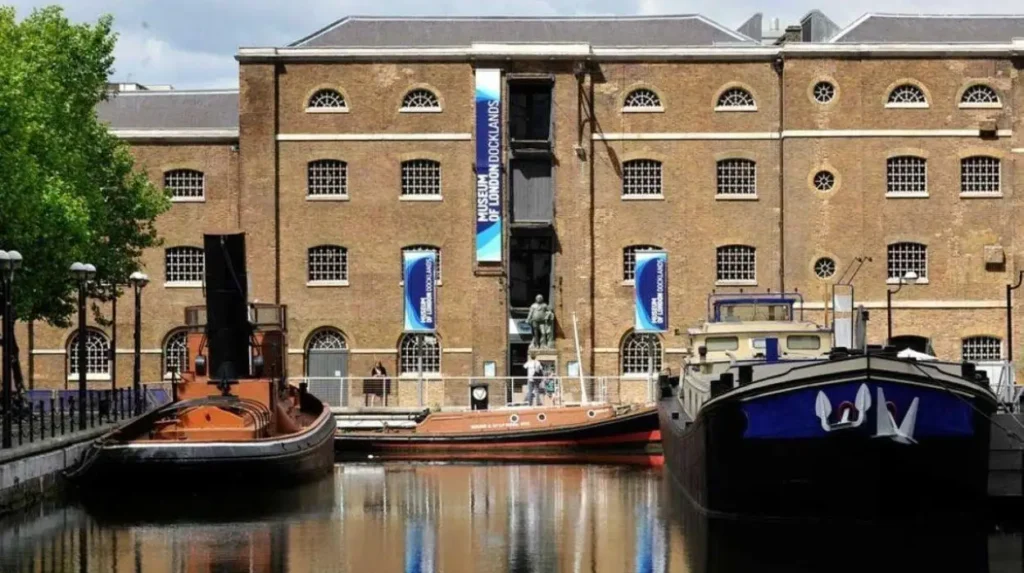
The Museum of London Docklands explains how the River Thames, port trade and dock labour shaped London’s economic and social development. Housed in a historic warehouse at West India Quay, it presents exhibitions about maritime commerce, migration, slavery and the transformation of the docklands.
The museum occupies a former sugar warehouse associated with the West India Docks. These docks opened in 1802 and formed an important part of London’s expanding maritime trading network. Their construction improved the handling and storage of cargo arriving from overseas.
The building itself is an important landmark. Its historic brickwork and warehouse form reflect the industrial architecture of the nineteenth-century port. The surrounding West India Quay area preserves elements of the docklands setting while incorporating restaurants, offices and contemporary developments.
Inside, exhibitions examine the commercial systems that connected London to international markets. They also address the human consequences of these systems, including Britain’s involvement in transatlantic slavery, the experiences of dock workers and the movement of people between London and other parts of the world.
The museum is particularly useful for visitors who want to understand the relationship between trade and urban growth. Warehouses, docks and shipping infrastructure influenced employment, housing, transport and the development of nearby neighbourhoods.
Entry arrangements and temporary exhibitions change over time. Visitors should consult the museum’s official website for current opening hours, exhibition information and any special events.
Which historic churches and buildings deserve attention in Tower Hamlets?
Tower Hamlets contains historic churches and civic buildings that reflect centuries of religious life, maritime commerce and neighbourhood development. Notable examples include St Anne’s Limehouse, Christ Church Spitalfields and the historic buildings around Whitechapel, where architecture records changing communities and urban growth.
St Anne’s Limehouse is one of East London’s significant historic churches. Designed by Nicholas Hawksmoor, it forms part of the group of churches commissioned during the early eighteenth century to serve London’s growing population. Its distinctive tower and monumental exterior make it a prominent landmark in Limehouse.
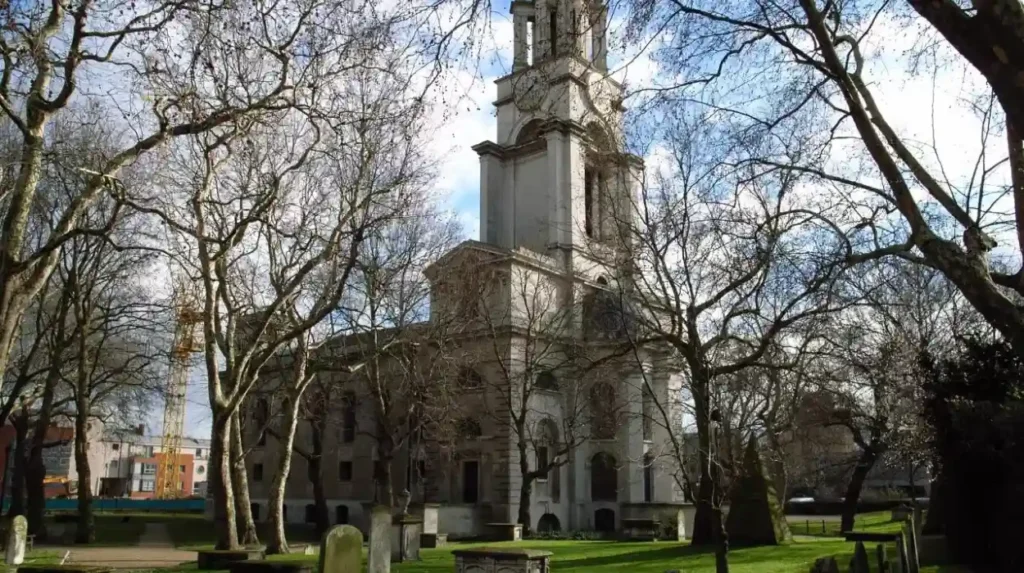
Christ Church Spitalfields, also designed by Hawksmoor, stands near the historic market district. Completed in the eighteenth century, the church is known for its imposing stone façade, substantial tower and Baroque architectural character. It provides a strong contrast with the smaller streets and commercial buildings around Spitalfields.
The surrounding area contains historic houses and former commercial premises. Fournier Street is particularly known for its eighteenth-century buildings, including houses associated with the prosperity generated by the silk-weaving trade. French Huguenot refugees contributed to the development of this industry after arriving in England, bringing specialist textile skills and commercial connections.
Whitechapel also contains buildings associated with religious institutions, charitable organisations and changing patterns of migration. Its streets demonstrate how successive communities influenced local commerce, worship, education and public life.
Architectural exploration works best when visitors examine both individual buildings and their wider settings. Church façades, residential streets and former commercial premises collectively reveal how the borough developed from a collection of riverside settlements into a densely populated part of London.
Access to religious buildings varies according to services, restoration work and community activities. Visitors should respect worshippers, observe photography restrictions and check access information before entering.
How does Canary Wharf reflect the transformation of East London’s docklands?
Canary Wharf is a major business district on the Isle of Dogs that occupies land formerly associated with London’s working docks. Its skyscrapers, landscaped squares, public art and waterfront paths demonstrate the redevelopment of former industrial infrastructure into a centre for finance, commerce and modern urban life.
The West India Docks opened in 1802 and supported London’s international trading economy for generations. As shipping technology changed and port activities moved towards larger facilities downstream, many traditional docks lost their commercial importance. The closure of the West India Docks in 1980 marked a significant turning point.
The subsequent regeneration of Canary Wharf transformed the former docklands into a major employment centre. One Canada Square, completed in 1991, became an internationally recognised feature of the London skyline. Office towers, transport infrastructure and public spaces expanded as the district developed.
The area’s waterfront setting remains central to its identity. Former dock basins now sit alongside modern buildings, restaurants and pedestrian routes. These spaces allow visitors to observe the physical relationship between the industrial past and the contemporary financial district.
Canary Wharf also functions as a public destination outside traditional sightseeing attractions. Visitors explore its architecture, landscaped squares, public art and shopping areas. Seasonal exhibitions and cultural events add to the district’s activity, although individual programmes change.
The Elizabeth line, Docklands Light Railway and Jubilee line provide transport connections to other parts of London. These links make Canary Wharf convenient for visitors travelling between historic attractions, business districts and riverside destinations.
Visitors should distinguish publicly accessible outdoor areas from private office buildings. Access to individual buildings, roof terraces and indoor spaces depends on the operator’s arrangements.
What makes Victoria Park a significant landmark in Tower Hamlets?
Victoria Park is a historic public park in East London that opened in 1845 to provide recreational space for London’s growing population. Located between Bethnal Green and Hackney Wick, it features landscaped gardens, lakes, historic monuments and extensive paths for walking and cycling.
Victoria Park was established during the nineteenth century when rapid urban growth increased demand for accessible green space. Its creation reflected wider public health and social reform movements that promoted parks as places for exercise, recreation and community life.
The park contains several distinctive features. Its lakes support waterbirds, its landscaped areas provide spaces for relaxation, and its paths accommodate walking, running and cycling. Historic features include the park’s ornamental bridges, fountains and architectural remnants.
The park also has a strong cultural identity. Events, outdoor performances and community activities take place throughout the year, subject to event schedules and local arrangements. The annual programme changes, so visitors should check current listings before planning a visit around a particular event.
For tourists, Victoria Park offers a different perspective on Tower Hamlets from the historic docks and dense commercial streets. It provides space to rest between sightseeing stops and opportunities to observe everyday life in an East London neighbourhood.
The park is also useful for visitors interested in urban ecology. Its trees, planted areas and water features support birds and other wildlife. Visitors should remain on designated paths where required, avoid disturbing wildlife and follow local rules for cycling and recreation.
Where can visitors explore maritime history along Limehouse and the River Thames?
Limehouse preserves important connections with London’s maritime past through historic churches, riverside walks, former dock infrastructure and converted industrial buildings. Its streets and waterfront reveal how shipping, trade and working-class communities shaped East London before modern redevelopment transformed much of the surrounding area.
Limehouse developed as a riverside settlement connected to shipping, shipbuilding and commercial activity. Its location beside the Thames placed it within the network of industries that supported London’s growth as a major port.
Limehouse Basin provides a clear example of the area’s changing function. Originally associated with the Regent’s Canal Dock, the basin connected inland waterways with the River Thames. It supported the transfer of goods between canal boats and river vessels before changes in freight transport reduced the importance of traditional waterways.
Today, the basin is surrounded by residential buildings, moorings and pedestrian routes. Its water provides a visual link between the historic canal network and contemporary riverside living.
Narrow Street contains historic buildings and routes associated with Limehouse’s former maritime community. The surrounding streets offer opportunities to observe the scale and character of older riverside development. St Anne’s Limehouse adds an important architectural landmark to the area.
The Thames Path, a long-distance walking route following the river, provides additional opportunities to explore the waterfront. Sections around Limehouse connect riverside scenery with bridges, residential districts and working waterways.
Visitors should check walking routes and crossing points before setting out, as riverside paths occasionally close for maintenance or construction. The Thames is also a working tidal river, so visitors must follow riverside safety notices and avoid entering restricted areas.
What cultural landmarks can tourists visit around Whitechapel and Spitalfields?
Whitechapel and Spitalfields contain cultural landmarks shaped by migration, religious communities, markets and artistic activity. Visitors can explore Whitechapel Gallery, Christ Church Spitalfields, historic market streets and buildings associated with the area’s textile trade, creating a detailed picture of East London’s changing cultural identity.
Whitechapel Gallery opened in 1901 as a public art gallery serving East London. It has developed into an important contemporary art institution, presenting exhibitions, public programmes and educational activities. Its location makes it a useful cultural stop for visitors exploring Whitechapel’s wider history.
Spitalfields is known for its historic market, eighteenth-century streets and connections with immigrant communities. French Huguenot refugees established textile businesses in the area, and later communities contributed to its commercial and cultural life.
Old Spitalfields Market provides a modern visitor experience within a historic market district. Traders, food businesses and independent retailers operate alongside surrounding restaurants and shops. The exact mix of stalls and opening arrangements changes, so visitors should check current information before travelling.
Brick Lane is another significant destination. Its commercial history reflects successive waves of migration, including the area’s Jewish community and later Bangladeshi communities. Restaurants, independent businesses, street art and cultural venues contribute to its present-day identity.
These locations are best understood as parts of a connected cultural landscape rather than isolated attractions. Historic buildings, markets, religious sites and public art show how communities adapted existing streets and commercial spaces to meet changing needs.
Visitors should distinguish permanent landmarks from temporary exhibitions, street art and market stalls. Temporary installations change frequently, while listed buildings and established institutions provide more consistent points of interest.
Which public spaces and waterfront areas are worth exploring in Canary Wharf?
Canary Wharf offers publicly accessible squares, landscaped gardens, waterfront promenades and pedestrian routes among its commercial towers. These spaces provide views of modern architecture and former dock basins, making the district suitable for short walks, photography and breaks between business appointments or sightseeing activities.
Jubilee Park is one of the district’s best-known landscaped spaces. Situated among office buildings, it combines planting, water features and pedestrian routes in a compact urban setting. Its design creates a green public environment within a densely developed commercial area.
The docks themselves are important elements of the local landscape. West India Quay and the surrounding basins preserve the geography of the former port, even though the surrounding buildings now support offices, retail and residential uses.
Public art adds another dimension to the district. Sculptures and installations appear in selected outdoor spaces, creating opportunities to combine architectural observation with cultural discovery. Individual artworks and displays should be checked against current local information.
Canary Wharf also provides practical amenities for visitors. Cafés, restaurants, shops and indoor public areas support people spending time in the district. Opening arrangements differ between businesses and buildings, especially during weekends and public holidays.
The district’s transport connections make it a useful base for short visits. Travellers can explore the waterfront before continuing to the Museum of London Docklands, Greenwich or other destinations connected by public transport.
Photography is generally straightforward in open public areas, but private premises have their own rules. Visitors should follow posted notices and avoid obstructing office entrances or pedestrian routes during busy commuting periods.
How can tourists explore Tower Hamlets’ heritage through historic markets and streets?
Tower Hamlets’ historic markets and streets reveal the relationship between migration, trade and everyday life in East London. Spitalfields Market, Brick Lane and surrounding conservation areas provide examples of historic commercial routes, adapted buildings, independent businesses and long-established cultural traditions.
Historic streets provide evidence of how neighbourhoods developed around employment and trade. In Spitalfields, textile production supported residential and commercial growth. The surviving architecture includes houses, workshops and former business premises associated with the area’s historic economy.
Brick Lane illustrates the continuing influence of migration. Businesses associated with different communities have operated along the street over successive generations. Its restaurants, shops and cultural venues demonstrate how commercial activity responds to demographic change.
Old Spitalfields Market brings traditional market activity into a contemporary setting. Visitors encounter independent traders and food businesses while remaining close to historic streets and architectural landmarks.
A heritage walk through these neighbourhoods should include time to observe building façades, street layouts and changes in land use. Former industrial and residential buildings now accommodate shops, galleries, restaurants and offices, illustrating the reuse of historic structures.
The borough’s history also reflects difficult aspects of Britain’s past, including the exploitation associated with transatlantic slavery and the unequal conditions experienced by workers in historic industries. Responsible interpretation considers both commercial achievements and the human consequences of these economic systems.
As you explore the modern streets and markets, you are crossing places shaped by centuries of change. Read the full [Tower Hamlets Historical Background and Heritage Guide] to understand the origins of its communities, trading districts and historic landmarks.
What architectural landmarks show the contrast between historic and modern Tower Hamlets?
Tower Hamlets presents a clear contrast between historic churches, Georgian houses, Victorian industrial buildings and contemporary skyscrapers. Examples include St Anne’s Limehouse, Christ Church Spitalfields, the warehouses around West India Quay and Canary Wharf’s high-rise office buildings, each reflecting different periods of urban development.
The borough’s architectural character reflects its changing economic role. Historic churches and residential streets developed alongside growing communities, while warehouses and dock buildings supported international commerce. Modern office towers emerged when former industrial areas were redeveloped for business and residential use.
Christ Church Spitalfields demonstrates the monumental church architecture of the early eighteenth century. Its scale and decorative features distinguish it from the surrounding streets, while its position reflects the historical importance of religion and civic identity in the area.
The warehouses at West India Quay represent a different architectural purpose. Their brick construction and functional layouts were designed for storing and handling imported goods. Their continued presence provides physical evidence of the docklands’ commercial history.
Canary Wharf’s towers express the needs of a modern financial district. Large floor plates, glass façades and integrated transport connections support office-based businesses and a high concentration of employment.
Comparing these structures helps visitors understand the borough’s economic transition. Architectural changes are linked to shifts in employment, transport, technology and land use rather than simply changes in building style.
Photography enthusiasts can document these contrasts from public streets and waterfront paths. Morning and late-afternoon light often reveal different details on brickwork, stone façades and glass buildings, although weather and seasonal daylight influence conditions.
How can visitors plan a one-day Tower Hamlets landmarks tour?
A one-day Tower Hamlets itinerary works best when attractions are grouped by location and connected by walking or public transport. Visitors can combine the Tower of London, Whitechapel, Spitalfields, the Museum of London Docklands and Canary Wharf, adjusting the route to opening times and personal interests.
The most efficient itinerary combines historic sites with neighbourhood exploration rather than travelling repeatedly between distant locations. The following schedule provides a practical framework for a full day in East London.
Morning: Tower of London and riverside
Approximately 9.00 am–11.30 am
Explore the fortress, its historic buildings and the surrounding riverside. Allow additional time if you plan to visit the Crown Jewels exhibition.
Late morning: Whitechapel
Approximately 11.30 am–1.00 pm
Explore Whitechapel’s cultural landmarks and historic streets. Check the gallery’s opening schedule before including an indoor visit.
Lunch: Spitalfields and Brick Lane
Approximately 1.00 pm–2.30 pm
Explore the market, historic streets and independent food businesses. Allow time to examine the architecture around Fournier Street.
Afternoon: Museum of London Docklands
Approximately 2.30 pm–4.00 pm
Learn about maritime trade, dock labour and the development of London’s port at West India Quay
Late afternoon: Canary Wharf
Approximately 4.00 pm onwards
Walk around the public squares, dock basins and modern towers before dinner or the return journey.
This schedule is a planning example rather than a guaranteed timetable. Opening hours, travel times and seasonal daylight affect the order of visits. The Tower of London requires a separate ticket, while several outdoor landmarks and street walks are free to explore.
Victoria Park and Limehouse are alternative destinations for visitors who prefer green space or riverside walks. Including both in the same day as the Tower of London and the museum requires additional travel time.
Explore More Area Guide
Unusual Places to Visit in Tower Hamlets, East London
Tower Hamlets Secrets: Hidden Places Beyond Tourist Routes
What should tourists know before visiting Tower Hamlets landmarks?
Visitors should check attraction opening times, ticket requirements, transport connections and accessibility before travelling around Tower Hamlets. Historic buildings, museums and public parks operate under different arrangements, while outdoor streets and public spaces generally allow more flexible sightseeing throughout the day.
London’s public transport network provides access to the borough through the Underground, Docklands Light Railway, Elizabeth line, London Overground and bus services. The most useful station depends on the landmark being visited.
For example, Tower Hill serves the Tower of London area, while West India Quay and Canary Wharf provide access to the docklands and business district. Bethnal Green and Mile End are useful for parts of the borough around Victoria Park, depending on the selected route.
Walking is effective for exploring compact historic districts such as Spitalfields and Brick Lane. Longer journeys between the Tower of London, Canary Wharf and Victoria Park are easier to manage with public transport.
Accessibility requires individual planning. Historic sites contain steps, uneven surfaces and restricted areas, while newer developments generally provide modern pedestrian routes and lifts where installed. Visitors should consult the relevant attraction’s accessibility guidance before departure.
Why are Tower Hamlets’ landmarks important to East London’s future?
Tower Hamlets’ landmarks preserve the borough’s historic identity while supporting tourism, recreation, cultural activity and business. The docks, historic streets, public parks and Canary Wharf demonstrate how heritage assets remain relevant as East London adapts to changing employment patterns, housing needs and visitor expectations.
The borough’s historic buildings provide evidence of London’s development as a trading city. Former warehouses and dock basins preserve the physical setting of maritime commerce, while historic churches and residential streets record the growth of local communities.
Contemporary landmarks demonstrate a different phase of development. Canary Wharf’s offices and public spaces illustrate the shift from port-related employment towards finance, professional services and other modern industries.
Public parks and cultural institutions also contribute to the borough’s continuing relevance. Victoria Park provides recreation and green space, while Whitechapel Gallery and the Museum of London Docklands support cultural learning and historical interpretation.
Heritage conservation plays an important role in maintaining these connections. Listed buildings and conservation areas help protect architectural features and historic settings. However, conservation operates alongside redevelopment, accessibility improvements and the changing requirements of local communities.
Tourism also benefits from presenting these sites as a connected destination. Visitors who explore both historic and contemporary landmarks gain a fuller understanding of East London than those who visit only its most famous attractions.
For residents, landmarks provide public spaces, cultural facilities and visible links to local identity. For leisure travellers and business visitors, they create opportunities to explore the borough beyond conventional central London attractions.
Tower Hamlets is therefore best understood as a place where historic trade, migration, architecture and modern redevelopment intersect. Its landmarks offer a practical way to explore these themes through buildings, streets, museums and open spaces.
What are the most famous landmarks in Tower Hamlets?
Some of the best-known landmarks in and around Tower Hamlets include the Museum of London Docklands, Canary Wharf, Victoria Park, St Anne’s Limehouse, Christ Church Spitalfields and the historic streets of Whitechapel and Spitalfields.