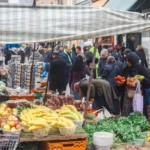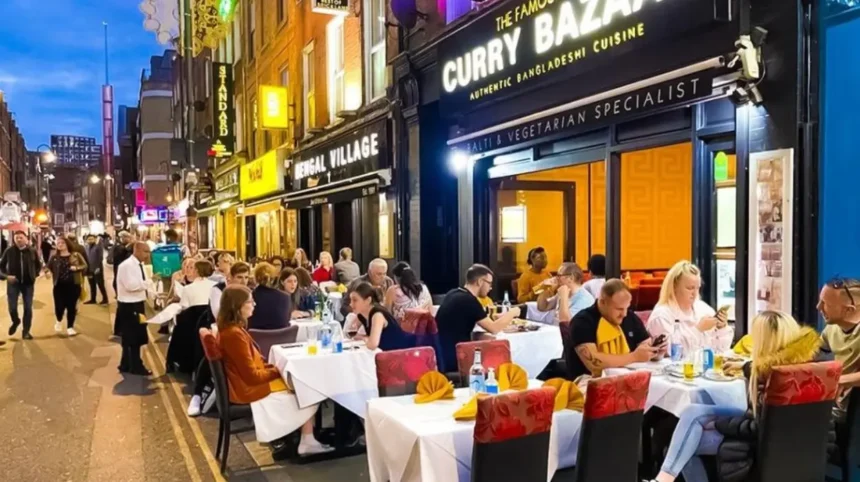
Tower Hamlets, in East London, offers a wide range of food experiences shaped by its historic markets, Bangladeshi communities, traditional East End businesses and modern dining scene. Visitors can explore Brick Lane’s curry houses, sample street food at Spitalfields Market, discover independent cafés in Whitechapel and enjoy traditional British food in historic pubs. The borough’s food culture reflects centuries of migration, trade and neighbourhood change.
- What Makes Tower Hamlets a Destination for Authentic Food Experiences?
- Where Can You Experience Bangladeshi Cuisine on Brick Lane?
- What Food Can You Find at Old Spitalfields Market?
- Where Can You Discover Traditional East End Food?
- Where Can You Find Street Food and International Flavours in Tower Hamlets?
- Which Tower Hamlets Markets Offer a Distinctive Food Experience?
- Where Can You Find Vegetarian, Vegan and Halal Food in Tower Hamlets?
- Which Cafés in Tower Hamlets Suit a Relaxed Lunch or Remote Working Break?
- Where Can Visitors Enjoy Food Near Canary Wharf?
- How Has Migration Shaped the Food Culture of Tower Hamlets?
- How Can You Plan a Food-Focused Walking Route Through Tower Hamlets?
- How Can Visitors Eat Responsibly and Support Local Food Businesses?
- Why Should Tower Hamlets Be Included in an East London Food Itinerary?
For tourists, Tower Hamlets provides opportunities to experience regional cuisines, browse food stalls and learn about the communities behind local dishes. Residents and business travellers also benefit from its accessible markets, casual restaurants and cafés suitable for a short lunch or a working break.
This guide explains where to find authentic food experiences across Tower Hamlets, what to eat in each area and how local history continues to shape the borough’s food identity.
What Makes Tower Hamlets a Destination for Authentic Food Experiences?
Tower Hamlets is an East London borough known for its diverse food culture, including Bangladeshi curries, traditional East End dishes, international street food and independent cafés. Its markets, restaurants and neighbourhood eateries reflect the area’s long history of trade, migration and cultural exchange.
Tower Hamlets sits east of the City of London and includes neighbourhoods such as Whitechapel, Spitalfields, Bethnal Green, Poplar, Bow and parts of the Isle of Dogs. Each area has its own dining character, shaped by local communities, transport links and commercial development.
Brick Lane is particularly associated with Bangladeshi restaurants and South Asian food businesses. Spitalfields combines market trading with contemporary food stalls and restaurants. Whitechapel provides access to Bengali and other South Asian cuisines, while Bethnal Green and Bow offer cafés, bakeries, pubs and neighbourhood restaurants.
Authentic food experiences involve more than finding a particular dish. They include understanding how ingredients are prepared, how recipes reflect family and community traditions, and how local businesses maintain food customs while adapting to changing tastes.
The borough’s food scene also reflects its position near the historic Port of London. Trade brought ingredients, workers and new culinary influences into the wider East End. Later migration strengthened these connections, creating a dining landscape that combines established traditions with newer international influences.
Where Can You Experience Bangladeshi Cuisine on Brick Lane?
Brick Lane is one of Tower Hamlets’ best-known destinations for Bangladeshi and South Asian food. Visitors can explore curry restaurants, specialist spice shops, casual eateries and bakeries offering dishes influenced by Bengali cooking traditions and the area’s established Bangladeshi community.
Brick Lane runs through Spitalfields and forms part of the East End’s historic commercial landscape. Its restaurants have helped establish the street as a destination for visitors seeking South Asian flavours and restaurant dining.
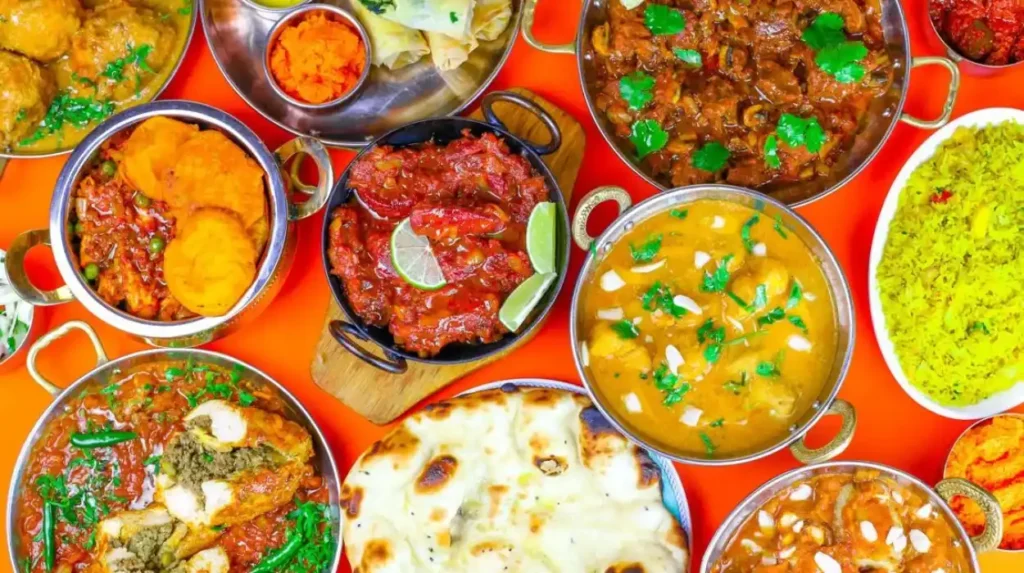
Bangladeshi cuisine draws on rice, fish, lentils, vegetables, spices and aromatic herbs. Common restaurant dishes include chicken or lamb curries, biryani, dhal and bhuna preparations. Recipes and menus vary between restaurants, so visitors should check ingredients and preparation methods rather than assume every establishment serves the same regional style.
Biryani combines seasoned rice with meat or vegetables and a carefully balanced mixture of spices. Dhal is a lentil-based dish commonly served with rice or flatbread. Bhuna refers to a cooking method in which ingredients and spices are fried together to develop a concentrated sauce.
Brick Lane restaurants also serve familiar British curry-house favourites. These dishes form part of the area’s contemporary dining identity, although they do not necessarily represent traditional Bangladeshi home cooking.
How Can Visitors Choose a Restaurant?
Look for menus that clearly identify ingredients, preparation styles and spice levels. Ask staff about regional specialities, freshly prepared dishes and vegetarian options. Restaurant opening times and menus vary, particularly between weekdays and weekends.
Visitors with dietary requirements should confirm whether dishes contain dairy, nuts, gluten, fish or other allergens. Ask whether halal meat is available if this is important to your meal.
Brick Lane is particularly suitable for an evening meal, a group dinner or a food-focused walk through the East End. Comparing menus before sitting down helps visitors select an experience that matches their budget and interests.
What Food Can You Find at Old Spitalfields Market?
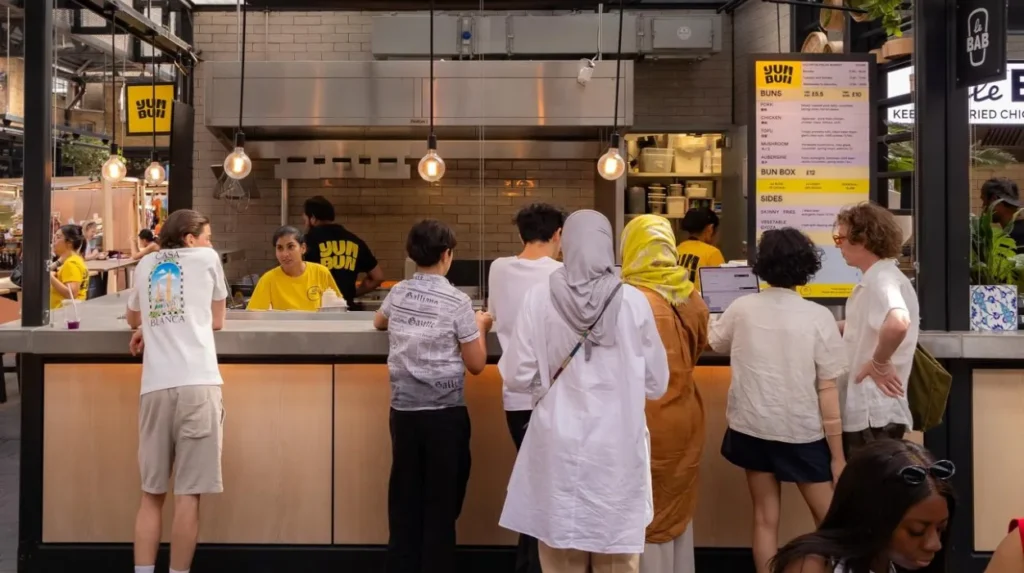
Old Spitalfields Market offers a combination of food traders, cafés, restaurants and independent retail businesses near Liverpool Street. Visitors can explore prepared meals, international street food, baked goods and casual dining while experiencing one of East London’s established market destinations.
Old Spitalfields Market stands in the historic Spitalfields district, close to the City of London. The market environment brings together food, shopping and independent businesses in a covered setting.
Food traders and restaurant operators change over time, so the selection depends on the day and current market programme. Visitors typically encounter a mixture of international dishes, quick lunches, sweet treats and drinks. This makes the market useful for people who want to sample different foods without committing to a single restaurant.
Market dining also provides a way to compare portion sizes, ingredients and cooking styles. A group can choose separate dishes from different stalls and share the experience, although seating availability depends on how busy the venue is.
The surrounding Spitalfields streets contain additional restaurants and cafés. Visitors can extend their visit by exploring nearby independent food businesses before continuing towards Brick Lane or the City.
When Is the Best Time to Visit?
Weekday lunchtimes suit visitors working nearby, while weekends attract shoppers and leisure travellers. Peak periods are generally busier, so arriving outside the main lunch rush gives visitors more time to browse.
Check the market’s official website for current trading days, opening hours and food events before travelling. Individual traders can follow different schedules from the wider market.
Where Can You Discover Traditional East End Food?
Traditional East End food is associated with working-class London cooking, including pie and mash, jellied eels, fish and chips and hearty meat-based dishes. Tower Hamlets and its surrounding neighbourhoods retain pubs, pie shops and casual eateries connected with these long-standing food traditions.
The East End developed as a densely populated area of workers, markets, docks and small businesses. Its traditional food culture favoured filling, accessible meals made with ingredients available through local markets and food suppliers.
Pie and mash is one of the best-known examples. The meal typically combines a meat pie, mashed potatoes and a parsley-based sauce often called liquor. Despite its name, the traditional green liquor is generally a sauce rather than an alcoholic drink.
Jellied eels are another historic East London speciality. Eels were once more widely associated with the capital’s waterways and inexpensive food markets. The dish involves cooking eel and serving it in a setting jelly. Its availability varies, and visitors should check specialist menus before making a dedicated trip.
Fish and chips also forms part of the broader British food tradition. It is widely available across London, although the quality, preparation and local character differ between businesses.
How Does Traditional Food Connect Visitors With Local History?
Food provides a practical way to understand how people lived and worked in the East End. Cheap, filling meals served the needs of labourers, market traders and families, while pie shops and pubs became familiar neighbourhood institutions.
As you explore today’s restaurants and markets, you are also encountering places shaped by earlier generations of traders and residents. Read the full [Tower Hamlets Historical Development and Cultural Heritage Guide] to understand how migration, trade and neighbourhood change shaped the borough’s food traditions.
This historical context helps visitors distinguish established East End dishes from contemporary interpretations. It also explains why traditional British food exists alongside Bangladeshi, European and other international cuisines in the same borough.
Where Can You Find Street Food and International Flavours in Tower Hamlets?
Tower Hamlets offers international street food through market stalls, food halls, independent cafés and casual restaurants. Spitalfields, Brick Lane and surrounding commercial streets provide opportunities to discover dishes influenced by South Asian, Middle Eastern, European and other culinary traditions.
Street food is prepared for convenient eating, often through stalls or compact takeaway businesses. In Tower Hamlets, it provides access to a range of cuisines within a relatively small area.
The exact selection changes with traders, events and business openings. Visitors should treat market menus as dynamic rather than expect every cuisine to be available at every visit.
Brick Lane’s bagel shops are another recognisable feature of the area’s food culture. The street is associated with traditional Jewish baking history as well as its later prominence as a centre of Bangladeshi dining. Bagels filled with salt beef, smoked fish or other ingredients provide an alternative to curry restaurants and market meals.
Spitalfields offers another setting for trying foods from different culinary traditions. Market stalls are useful for visitors who prefer a quick meal, while surrounding restaurants provide a more formal dining experience.
How Can Visitors Sample Several Dishes in One Visit?
Plan a short walking route and choose small meals or shared portions where available. Start with a market stall, explore a bakery or café, and finish with a restaurant meal if time allows.
Check prices before ordering, as portion sizes and service charges vary. Ask vendors about ingredients and preparation methods, particularly when a dish’s regional origin is important to your visit.
Which Tower Hamlets Markets Offer a Distinctive Food Experience?
Old Spitalfields Market is a key destination for prepared food, while nearby Brick Lane combines restaurants, bakeries and specialist food businesses. Other local markets and commercial streets provide additional ways to explore everyday food shopping and neighbourhood dining across Tower Hamlets.
Markets have long played a role in East London’s food economy. They connect suppliers, independent traders and customers, while giving visitors access to products and dishes that reflect local demand.
Old Spitalfields Market is particularly useful for prepared meals and browsing independent traders. Brick Lane offers a street-based experience with restaurants, bakeries and specialist shops. Whitechapel’s commercial streets provide further access to South Asian food businesses and grocery shops.
Market visitors should distinguish between a market’s overall retail offer and its food-specific activity. Not every stall sells food, and the number of food traders varies by day and season.
What Should You Look for at a Food Market?
Freshly prepared dishes, clearly displayed prices and visible food-handling practices help visitors make informed choices. Ask traders about ingredients, portion sizes and how dishes are prepared.
For grocery shopping, specialist stores offer an opportunity to learn about spices, pulses, rice varieties and ingredients used in regional cooking. Buying an unfamiliar ingredient and asking how it is traditionally prepared can add an educational dimension to the visit.
Check current market information before travelling, especially if a particular trader or food speciality is the main reason for your trip.
Where Can You Find Vegetarian, Vegan and Halal Food in Tower Hamlets?
Tower Hamlets has vegetarian, vegan and halal dining options across its South Asian restaurants, cafés, market stalls and international eateries. Brick Lane and Whitechapel are useful starting points, but visitors should confirm individual ingredients, preparation practices and dietary suitability directly with each business.
The borough’s culinary diversity supports different dietary preferences. South Asian menus frequently include vegetable curries, lentil dishes, chickpea preparations and rice-based meals. International restaurants and cafés also offer plant-based dishes, salads, baked goods and meat-free alternatives.
Vegetarian food excludes meat and fish, although the use of dairy and eggs varies. Vegan food excludes animal-derived ingredients, including dairy, eggs and honey. A dish described as vegetable-based is not automatically vegan, as it can contain butter, yoghurt or other animal products.
Halal refers to food that complies with Islamic dietary requirements. A restaurant’s cuisine or location does not automatically establish halal certification or preparation standards.
How Can Diners Check Dietary Requirements?
Ask staff whether a dish contains animal products, whether separate cooking equipment is used and whether the restaurant can accommodate allergies. For halal meals, confirm the status of the meat and the restaurant’s sourcing or certification arrangements.
Food allergies require particular care. Request the business’s allergen information and explain the specific allergy before ordering. Do not rely on a dish name or menu photograph to establish that a meal is safe.
Which Cafés in Tower Hamlets Suit a Relaxed Lunch or Remote Working Break?
Tower Hamlets has cafés and coffee shops around Spitalfields, Whitechapel, Bethnal Green and Canary Wharf. These venues suit breakfast, light lunches, coffee breaks and informal meetings, although Wi-Fi access, plug sockets, seating policies and working conditions vary between individual businesses.
Cafés serve an important role in the borough’s daytime food scene. They provide coffee, tea, pastries, sandwiches, light meals and spaces for informal conversations.
Spitalfields is convenient for visitors combining lunch with market shopping or a walk towards the City. Whitechapel offers food stops near its main commercial streets and transport connections. Canary Wharf has a substantial modern dining and café environment associated with offices, retail and riverside public spaces.
Remote workers should check whether a café welcomes laptop use, particularly during busy lunch periods. Some businesses prioritise quick table turnover and do not offer reliable workspace facilities.
How Can Business Travellers Choose a Suitable Café?
Prioritise location, opening hours, seating and the time available before a meeting. Check current menus and visitor reviews, but confirm practical requirements directly with the venue.
For longer working sessions, a dedicated coworking space or bookable workspace is more suitable than assuming a café provides office facilities. Cafés remain useful for short breaks, informal meetings and meals between appointments.
Where Can Visitors Enjoy Food Near Canary Wharf?
Canary Wharf offers restaurants, cafés, bakeries and casual dining venues serving international cuisines in a modern business district. Visitors can combine meals with shopping, riverside walks and public spaces, making the area convenient for business travellers and leisure visitors exploring the Isle of Dogs.
Canary Wharf is a major commercial district on the Isle of Dogs, known for office buildings, shopping destinations, transport connections and waterfront development. Its dining scene reflects the needs of office workers, residents and visitors.
Food choices range from quick lunches to restaurants suited to evening meals. Cafés and takeaway outlets serve people travelling between offices and transport stations, while waterfront venues provide options for a slower meal.
Unlike Brick Lane’s association with Bangladeshi restaurants and historic East End food traditions, Canary Wharf’s dining environment is closely linked to a modern business and residential district. Both areas form part of Tower Hamlets, but they offer different settings for exploring the borough’s food culture.
Visitors should check individual restaurant menus, opening times and booking policies. Evening demand can increase on weekdays, especially around office closing times and popular dining periods.
How Has Migration Shaped the Food Culture of Tower Hamlets?
Migration has shaped Tower Hamlets through successive waves of settlement, including Jewish communities, Bangladeshi communities and other groups that established businesses, places of worship and food traditions. The result is a borough where historical British dishes coexist with South Asian and international dining.
The East End’s history is closely connected to London’s commercial growth. Port activity, manufacturing, markets and affordable housing attracted workers and migrants from different backgrounds. These communities established businesses that responded to local needs and introduced ingredients, cooking techniques and dining customs.
Jewish migration helped shape the area’s food history, including the development of bagel businesses and other food shops. Later, Bangladeshi settlement transformed parts of Spitalfields and Brick Lane, creating a strong association between the street and South Asian restaurants.
Food traditions also change through contact with new customers and ingredients. Restaurant menus sometimes combine regional recipes with dishes adapted for British diners. These changes are part of the living history of food rather than evidence that every restaurant represents the same culinary tradition.
Why Is Food Heritage Important to Visitors?
Food heritage connects a meal with the people, businesses and historical events behind it. Visiting a long-established bakery, exploring a specialist grocery shop or eating at a neighbourhood restaurant offers insight into the way communities maintain and adapt their traditions.
Visitors should avoid treating the borough as a single cuisine destination. Tower Hamlets contains different neighbourhoods, generations and food businesses. Exploring several areas provides a more complete picture of its culinary identity.
How Can You Plan a Food-Focused Walking Route Through Tower Hamlets?
A food-focused visit can combine Brick Lane, Old Spitalfields Market and nearby cafés or restaurants in a single outing. Visitors should check opening times, allow time for walking and choose stops according to their interests, dietary needs and preferred dining budget.
A practical route begins around Spitalfields, where visitors can explore the market and nearby food businesses. Continue towards Brick Lane to discover Bangladeshi restaurants, bagel shops and specialist food outlets. Finish with a sit-down meal or a café stop according to the time available.
This route works well for visitors interested in market food, South Asian cuisine and East End history. People with more time can plan a separate visit to Whitechapel or Canary Wharf, where the food environment differs from the streets around Brick Lane.
What Should You Consider Before Setting Out?
Check transport services, opening times and the current menus of any businesses you intend to visit. Markets and individual traders do not necessarily follow identical schedules.
Set a food budget before starting. Market snacks, takeaway meals and restaurant dinners have different costs, and prices change over time. Check menus before ordering and account for drinks, service charges and additional dishes.
Visitors should also consider accessibility, walking distances and the weather. Indoor market spaces and restaurants offer alternatives when outdoor conditions are unsuitable. If a particular restaurant is central to the trip, confirm its availability rather than relying on an old listing.
Explore More Area Guide
Tower Hamlets Historic Markets and Traditional Shopping Streets
Best Places to See Art in Tower Hamlets | East London
How Can Visitors Eat Responsibly and Support Local Food Businesses?
Visitors support Tower Hamlets’ food culture by buying from local traders, respecting neighbourhood customs, reducing avoidable food waste and following food-safety guidance. Choosing established businesses and checking how food is prepared also helps diners make informed decisions about quality and dietary suitability.
Independent restaurants, bakeries, cafés and market traders contribute to the borough’s local economy. Spending with these businesses supports employment and maintains a varied food environment. Visitors can also support neighbourhood shops by purchasing specialist ingredients rather than treating every stop as a quick takeaway.
Food safety remains important when choosing prepared meals. Look for clean food-handling areas and follow any storage guidance provided for takeaway dishes. People with allergies should communicate their requirements clearly and check allergen information before eating.
Respectful behaviour improves the experience for customers and residents. Keep shared seating areas tidy, dispose of rubbish correctly and avoid blocking shop entrances or busy pavements when photographing food.
Responsible food tourism also involves recognising that restaurants represent real communities and working businesses. Ask questions respectfully, follow venue rules and avoid making assumptions about a dish or community based solely on its appearance.
Why Should Tower Hamlets Be Included in an East London Food Itinerary?
Tower Hamlets deserves a place on an East London food itinerary because it combines Bangladeshi restaurants, historic East End food traditions, international market stalls and modern dining districts. Its neighbourhoods offer distinct culinary experiences within a connected urban area.
Brick Lane provides a starting point for exploring Bangladeshi and South Asian dining. Old Spitalfields Market introduces visitors to food traders and independent businesses. Traditional East End dishes reveal earlier working-class food customs, while Canary Wharf offers a contemporary restaurant scene suited to office workers and visitors.
The borough’s defining feature is not a single signature dish. Its food identity emerges from the coexistence of different culinary traditions, local businesses and changing neighbourhoods.
Visitors who plan around both food and place gain a clearer understanding of Tower Hamlets. A curry restaurant, a bagel shop, a market stall and a waterfront café each reveal a different part of the borough’s history and everyday life.
For tourists and leisure travellers, this variety supports anything from a short lunch stop to a full day of food exploration. Residents and business travellers can use the same neighbourhoods to discover independent businesses and dining options beyond their usual routines.
Where can you find authentic food in Tower Hamlets?
Brick Lane, Old Spitalfields Market and Whitechapel are useful places to explore authentic food in Tower Hamlets. Visitors can discover Bangladeshi curries, international street food, traditional bakeries and local cafés.