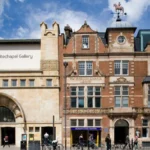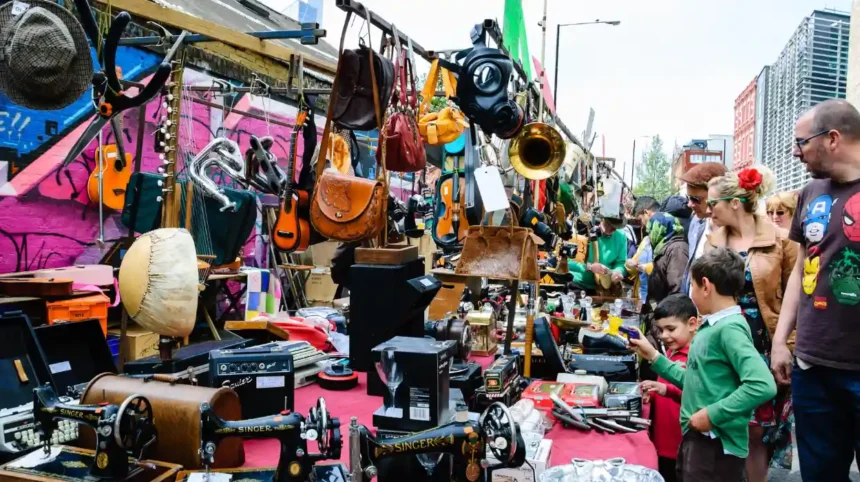
Tower Hamlets in East London is known for its historic street markets, independent shops, traditional shopping streets and multicultural food stalls. Its shopping areas connect centuries of trade, migration and local enterprise with contemporary retail, handmade products, vintage fashion and everyday essentials.
- Why are Tower Hamlets’ historic markets important to East London?
- Which historic markets should visitors explore in Tower Hamlets?
- Brick Lane Market
- Columbia Road Flower Market
- Petticoat Lane Market
- Roman Road Market
- Chrisp Street Market
- Which traditional shopping streets are worth visiting in Tower Hamlets?
- Brick Lane and its surrounding streets
- Middlesex Street and the Petticoat Lane shopping area
- Whitechapel Road
- Commercial Street and Fournier Street
- Roman Road
- What can shoppers buy at Tower Hamlets’ traditional markets?
- How does the history of Tower Hamlets shape its markets today?
- How did Spitalfields become a commercial centre?
- Why is Brick Lane associated with different communities?
- How did textile trading influence Petticoat Lane?
- When should visitors visit Tower Hamlets’ markets?
- How can visitors travel between Tower Hamlets’ markets?
- How can visitors shop responsibly at independent markets?
- How do Tower Hamlets’ markets support local businesses and communities?
- How should visitors plan a historic market shopping route in Tower Hamlets?
The London Borough of Tower Hamlets recognises a network of established street markets, including Brick Lane, Columbia Road, Petticoat Lane, Roman Road, Chrisp Street and Whitechapel. Each market serves a different purpose, from specialist flower shopping to textiles, fresh produce, street food and independent retail.
This guide explains where to shop, what to look for, how the markets developed and how to plan a visit around opening days and public transport.
Why are Tower Hamlets’ historic markets important to East London?
Tower Hamlets’ historic markets are important because they connect local shopping, independent businesses, cultural heritage and affordable everyday goods. Markets such as Brick Lane, Petticoat Lane and Roman Road preserve established trading traditions while serving residents, tourists and visitors interested in East London’s commercial history.
Tower Hamlets occupies an important position east of the City of London. Its neighbourhoods include Spitalfields, Whitechapel, Bethnal Green, Bow, Poplar and the Isle of Dogs. Their commercial development reflects changing patterns of manufacturing, migration, transport and urban growth.
Street markets traditionally provided access to food, clothing, household goods and specialist products. Traders sold goods directly to local customers, while busy streets attracted visitors from neighbouring districts. Many of these functions continue today, although modern markets also feature vintage clothing, design products, prepared food and contemporary crafts.
The borough’s markets contribute to local economic activity by giving small businesses a physical place to sell products. Tower Hamlets Council describes market trading as an important part of the local economy and supports licensed opportunities for permanent and temporary traders.
Markets also reveal the area’s cultural history. Brick Lane reflects successive migrant communities, Petticoat Lane has a longstanding association with textiles, and Roman Road continues to serve neighbourhood shoppers.
Visitors interested in the background to these places can explore the borough’s East London market history and cultural heritage alongside the shops and stalls operating today.
Which historic markets should visitors explore in Tower Hamlets?
Visitors exploring Tower Hamlets should prioritise Brick Lane Market for vintage goods and street food, Columbia Road Flower Market for plants, Petticoat Lane for clothing and textiles, and Roman Road for everyday shopping. Old Spitalfields Market adds independent retail, crafts, food and historic surroundings.
The markets are spread across several neighbourhoods, so choosing destinations by product type helps visitors organise their time. Some markets operate throughout the working week, while others are particularly associated with Sundays.
Brick Lane Market
Brick Lane Market is one of East London’s best-known destinations for second-hand goods, vintage clothing, street food and independent shopping. Its stalls and surrounding businesses attract visitors interested in fashion, collectables, art and international cuisine.
The market’s trading history is closely connected to the wider development of Brick Lane. Tower Hamlets Council records its establishment in 1888, while the area’s earlier market activity developed during the eighteenth century. These dates refer to different stages in the area’s trading history.
Brick Lane is also a cultural destination. The surrounding streets contain historic buildings, restaurants, galleries and shops shaped by successive communities. Visitors can combine browsing the market with exploring the area’s architectural heritage.
- Best for: Vintage fashion, second-hand products, street food and independent retail.
- Market day: Sunday.
- Published market hours: 10am–3pm.
- Nearest stations: Aldgate East, Liverpool Street and Shoreditch High Street.
The council’s published schedule provides a useful starting point, but visitors should check current arrangements before travelling. Individual shops and food businesses operate independently of the market’s official hours.
Columbia Road Flower Market
Columbia Road Flower Market is a specialist Sunday market in Bethnal Green, known for cut flowers, houseplants, shrubs and gardening products. Its narrow street also contains independent retailers, galleries, cafés and pubs, making it suitable for visitors interested in plants and local shopping.
The flower market provides a different experience from markets focused on clothing, household goods or general merchandise. Customers can compare seasonal flowers, browse plants and purchase products for homes, gardens and gifts.
The surrounding shops contribute to the street’s independent retail character. Visitors often combine flower shopping with a walk through nearby Bethnal Green and Shoreditch.
- Best for: Flowers, plants, gardening products and independent shops.
- Market day: Sunday.
- Published market hours: 8am–2pm.
- Nearby stations: Bethnal Green, Cambridge Heath, Hoxton and Shoreditch High Street.
Arriving earlier provides more time to browse the available selection. Popular stalls become busy during the main trading period, especially when the weather encourages outdoor shopping.
Petticoat Lane Market
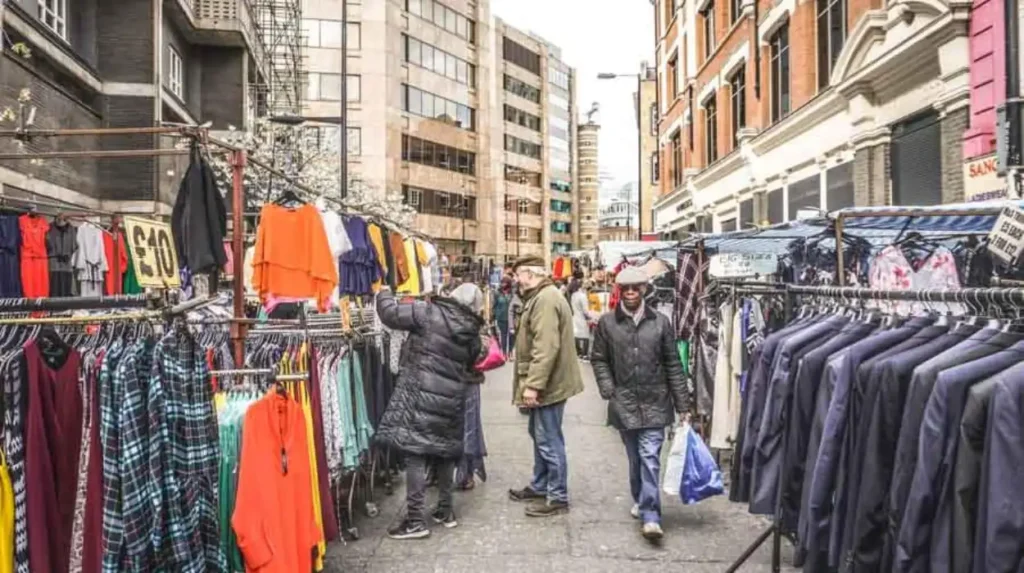
Petticoat Lane Market is a historic East London shopping destination associated with clothing, fabrics, leather goods and affordable fashion. Its main trading area is on Middlesex Street, with additional stalls on surrounding streets near Aldgate and Spitalfields.
The market’s textile connections developed through successive communities of traders. French Huguenot refugees contributed to the area’s textile economy, followed by Jewish immigrants from Eastern Europe who also became associated with clothing and garment trading.
The name can confuse first-time visitors because Petticoat Lane itself no longer appears as the main street name. The Victorian-era renaming of the street to Middlesex Street explains why the historic market and its principal shopping location have different names.
- Best for: Clothing, fabrics, fashion accessories and leather goods.
- Main market day: Sunday.
- Published market hours: 9am–3pm.
- Nearby stations: Aldgate, Aldgate East and Liverpool Street.
Visitors interested in sewing, garment making or specialist fabrics should also explore the surrounding streets. Shops and market stalls provide access to products that differ from the standard ranges found in large shopping centres.
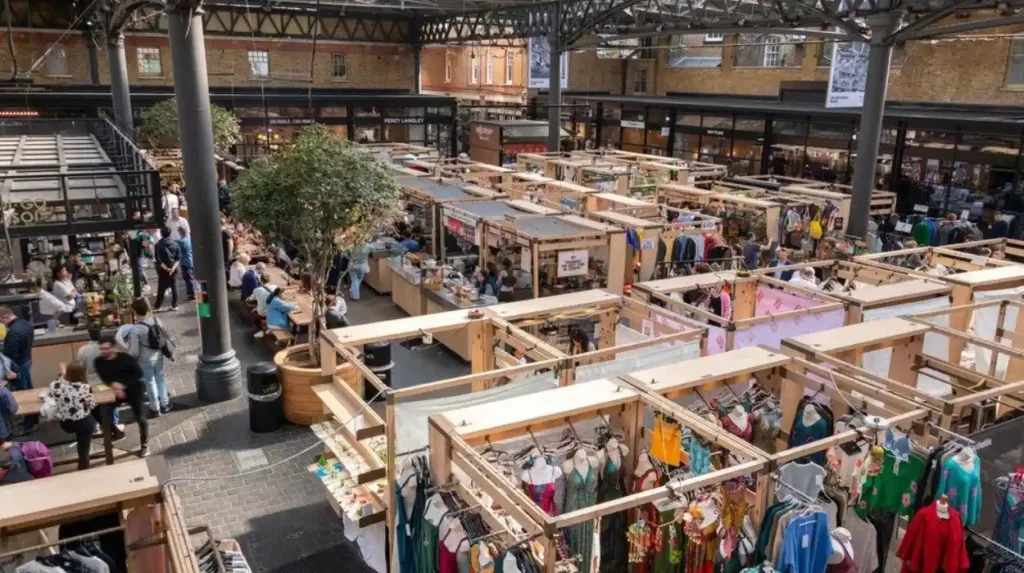
Old Spitalfields Market combines a historic market setting with independent retail, design products, food businesses and specialist stalls. It is particularly useful for visitors who want a covered shopping destination close to central London transport connections.
The market stands on a site with a much longer commercial history. A market at Spitalfields received a royal licence in 1682 under Charles II, and the historic market buildings were developed during the nineteenth century. The site subsequently changed from a major wholesale fruit and vegetable market into a retail and visitor destination.
Today, visitors can browse handmade goods, fashion, gifts and independent brands alongside food outlets. The covered setting also provides an alternative to outdoor street markets during wet weather.
- Best for: Independent design, gifts, crafts, fashion and food.
- Location: Spitalfields, close to Commercial Street.
- Transport: Liverpool Street and Aldgate East provide convenient access.
Old Spitalfields Market works well as part of a wider walking route through Brick Lane, Fournier Street and the surrounding historic streets.
Roman Road Market
Roman Road Market is a traditional neighbourhood market serving Bow and the surrounding residential areas. Its stalls sell clothing, jewellery, toys, cosmetics, household products and food, making it suitable for visitors interested in everyday East London shopping.
The market is associated with one of the area’s established trading routes. Its character differs from the more visitor-focused atmosphere of Brick Lane because everyday local shopping remains central to its purpose.
Food stalls and nearby independent businesses add to the shopping offer. Visitors can browse fresh goods, purchase practical items and explore the local high street without concentrating solely on tourist merchandise.
- Best for: Everyday shopping, household goods, clothing and food.
- Market days: Tuesday, Thursday and Saturday.
- Published market hours: 8am–6pm.
- Nearby stations: Bow Church, Bow Road and Mile End.
Roman Road Square Market, also known as Globe Town Market, is a separate shopping destination in the wider area. It focuses strongly on fresh produce and fish, serving residents who purchase ingredients for home cooking.
Chrisp Street Market
Chrisp Street Market is a long-established market in Poplar, serving local residents with food, clothing, household products and everyday essentials. Its pedestrianised setting creates a practical shopping area with market stalls, cafés and places to eat.
The market dates to the Victorian period and forms part of the commercial history of Poplar. It became associated with a modern approach to shopping-centre design through the wider post-war redevelopment of the area.
Fruit and vegetable stalls remain important to its identity. Visitors also find household textiles, clothing and traditional food businesses, including establishments serving classic London dishes.
- Best for: Fresh produce, groceries, clothing and everyday purchases.
- Market days: Monday to Saturday.
- Published market hours: 8am–6pm.
- Nearby stations: All Saints and Langdon Park on the Docklands Light Railway.
Chrisp Street offers a useful alternative to the busier visitor destinations. Its role in everyday neighbourhood shopping makes it especially relevant to travellers staying in Poplar or exploring the Docklands.
Which traditional shopping streets are worth visiting in Tower Hamlets?
Tower Hamlets’ traditional shopping streets include Brick Lane, Roman Road, Whitechapel Road, Commercial Street and Middlesex Street. Each combines independent retailers, food businesses, historic buildings or specialist shops, giving visitors opportunities to explore local commerce beyond the borough’s main market stalls.
Markets are only one part of Tower Hamlets’ retail landscape. Traditional shopping streets connect market squares with permanent shops, restaurants, specialist retailers and neighbourhood services. They also help visitors understand how local businesses serve both residents and tourists.
Brick Lane and its surrounding streets
Brick Lane is a major destination for independent shopping, international food and vintage fashion. Its commercial character reflects the influence of successive migrant communities, including French Huguenots, Jewish immigrants and the Bangladeshi community.
The street contains restaurants, food shops, fashion retailers and businesses selling specialist products. Nearby streets such as Hanbury Street, Cheshire Street and Fournier Street provide further opportunities to explore historic buildings, independent businesses and local creative activity.
Brick Lane is particularly suitable for visitors combining shopping with food and cultural exploration. The area also connects to the Old Truman Brewery, a former industrial site that became a centre for creative businesses, retail and events.
Middlesex Street and the Petticoat Lane shopping area
Middlesex Street is the principal street associated with Petticoat Lane Market. The surrounding area contains clothing businesses, fabric retailers and shops serving customers interested in fashion and garment production.
Its commercial history illustrates the relationship between immigrant communities and London’s textile economy. The street remains useful for visitors seeking clothing and specialist products rather than luxury shopping or conventional department stores.
Middlesex Street also connects to the wider Aldgate and Spitalfields area. Its location makes it possible to combine market browsing with a walk towards Commercial Street and Old Spitalfields Market.
Whitechapel Road
Whitechapel Road is one of East London’s established commercial thoroughfares. Its market and retail businesses serve a diverse local population with fresh produce, spices, clothing, jewellery and cultural goods.
Whitechapel Market runs along the road from Monday to Saturday according to the council’s published schedule. The surrounding shopping area includes food businesses, convenience shops and specialist retailers.
Whitechapel is also an important transport and healthcare location. Whitechapel station provides connections through the Underground and Elizabeth line, making the area accessible from other parts of London.
Visitors interested in food shopping should look for fresh fruit, vegetables, spices and ingredients used in South Asian cooking. The combination of market stalls and permanent shops gives the area a strong everyday retail function.
Commercial Street and Fournier Street
Commercial Street links Spitalfields with the wider Whitechapel area. It provides access to Old Spitalfields Market, historic religious buildings and streets containing surviving Georgian architecture.
Nearby Fournier Street is notable for its eighteenth-century houses and its relationship with the area’s former silk-weaving industry. The buildings provide context for understanding how residential properties, workshops and commercial premises operated together.
These streets are valuable for visitors interested in architectural history as well as shopping. A walk through the area connects the present-day retail economy with the industries and communities that shaped the East End.
Roman Road
Roman Road combines a traditional market with permanent shops and neighbourhood services. Its businesses serve residents in Bow and nearby areas, providing practical shopping alongside food outlets and independent retailers.
The street is especially relevant for visitors seeking a less concentrated tourist-shopping experience. Market stalls and local shops provide opportunities to purchase everyday products and observe the role of high streets in community life.
What can shoppers buy at Tower Hamlets’ traditional markets?
Shoppers can find fresh fruit and vegetables, flowers, clothing, textiles, jewellery, vintage fashion, household goods, crafts and prepared food across Tower Hamlets. Examples include plants on Columbia Road, fabrics near Petticoat Lane, vintage clothing on Brick Lane and groceries at Whitechapel Market.
The borough’s markets offer different product categories because traders respond to local demand and specialist customer interests.
Fresh produce is central to markets such as Whitechapel, Roman Road Square and Chrisp Street. These markets support routine food shopping rather than serving exclusively as visitor attractions.
Clothing and textiles are especially associated with Petticoat Lane and Brick Lane. Their stalls and surrounding retailers provide fashion accessories, second-hand garments, fabrics and other products related to clothing and personal style.
Columbia Road specialises in flowers and plants. Its traders serve customers purchasing seasonal bouquets, indoor plants and gardening supplies. The surrounding independent shops extend the experience beyond the flower stalls.
Crafts, gifts and design products feature at Old Spitalfields Market. Visitors looking for handmade items, independent brands or distinctive presents benefit from browsing both the market stalls and permanent retailers.
Prices, product availability and payment methods vary between businesses. Customers should check product condition, compare prices and ask sellers about care instructions or returns before completing a purchase.
How does the history of Tower Hamlets shape its markets today?
Tower Hamlets’ markets developed through centuries of trade, migration, manufacturing and population growth. Spitalfields became associated with silk weaving, Petticoat Lane with textiles, and Brick Lane with successive migrant communities, leaving a commercial and cultural heritage that remains visible in local shopping streets.
The area’s trading history extends well beyond the modern retail economy. Its position near the historic City of London helped establish demand for markets, workshops, warehouses and businesses supplying growing urban populations.
How did Spitalfields become a commercial centre?
Spitalfields developed around the former religious settlement of St Mary Spital. A market operated in the area centuries ago, and a royal licence was granted in 1682 under Charles II.
The arrival of French Protestant refugees, known as Huguenots, contributed significantly to the area’s textile industry after the late seventeenth century. Many brought silk-weaving skills and established businesses in homes and workshops.
The surviving Georgian streets around Spitalfields reflect this industrial and residential development. Today, Old Spitalfields Market retains the area’s association with commercial activity while supporting a different retail model from its former wholesale produce market.
Why is Brick Lane associated with different communities?
Brick Lane’s history includes Flemish settlers, French Huguenots, Jewish immigrants and the Bangladeshi community. Each period contributed to the street’s commercial, architectural or cultural character.
The former Huguenot church on Brick Lane was completed in the eighteenth century. It later became a synagogue before becoming the mosque serving the local Bangladeshi community. The building demonstrates how religious spaces and neighbourhood identities changed as populations shifted.
Brick Lane’s food businesses, shops and market stalls reflect this layered history. Visitors experience a contemporary retail area shaped by earlier industries and communities rather than a single, unchanging tradition.
How did textile trading influence Petticoat Lane?
Petticoat Lane’s history is closely connected to clothing, fabrics and garment trading. Huguenot textile workers contributed to the area’s earlier commercial development, while later Jewish communities played an important role in the East End’s clothing economy.
The market subsequently became associated with affordable garments and textiles sold directly to customers. Its reputation continues to attract people looking for clothing, fabrics and accessories.
This history also explains the importance of specialist fabric shops in the wider area. The market is not simply a place for general shopping; it represents a longstanding relationship between migration, skilled work and urban retail.
When should visitors visit Tower Hamlets’ markets?
Sunday is the main day for visitors planning to explore Brick Lane, Columbia Road and Petticoat Lane. Weekdays provide access to markets such as Whitechapel and Chrisp Street, while Roman Road operates on Tuesday, Thursday and Saturday under the council’s published schedule.
What is the best time to arrive?
Arriving early is useful for visitors who want to browse flower stalls, inspect products or avoid the busiest periods. Columbia Road is particularly suited to an early start because its published trading window begins at 8am.
A Sunday visit to Brick Lane and Petticoat Lane requires more planning because their markets operate during overlapping hours. Visitors interested in both destinations should allow time for travel between them.
Weekday shoppers should check the opening times of individual retailers. A street can remain active even when a particular market is not operating, but specialist market stalls are not guaranteed to trade every day.
How can visitors travel between Tower Hamlets’ markets?
Visitors can reach Tower Hamlets’ markets by London Underground, Overground, Docklands Light Railway and local buses. Liverpool Street, Aldgate East, Whitechapel, Bethnal Green, Shoreditch High Street and Bow Road provide useful access points for different market districts.
Public transport is practical because the borough’s markets occupy several neighbourhoods rather than one enclosed shopping area.
Liverpool Street is useful for Old Spitalfields Market and the surrounding commercial streets. Aldgate East provides access to Brick Lane and parts of Whitechapel, while Shoreditch High Street is convenient for the northern end of Brick Lane.
Bethnal Green and Cambridge Heath provide access to the Columbia Road area. Visitors travelling to Roman Road can use Bow Road, Bow Church or Mile End, depending on their route.
Chrisp Street Market is accessible from All Saints and Langdon Park on the Docklands Light Railway. Whitechapel station serves the Whitechapel shopping area and provides connections across London.
Before setting off, check live transport information and planned engineering works. Walking between nearby markets is often practical, but the complete route depends on the chosen destinations, walking speed and time available.
How can visitors shop responsibly at independent markets?
Responsible shopping at Tower Hamlets’ markets involves comparing prices, checking product condition, carrying reusable bags and buying directly from local traders. Visitors should follow market rules, keep pedestrian routes clear and dispose of food packaging responsibly throughout their shopping trip.
Independent markets bring together businesses with different products, operating costs and sales policies. A considered approach helps visitors make informed purchases and supports a better shopping experience.
Check prices before purchasing items that do not display a clear price. For clothing and vintage products, inspect seams, fastenings and fabric condition. For plants, ask about watering, light requirements and suitability for the intended space.
Food shoppers should follow normal food-safety practices. Buy products from suitable trading stalls, check packaging where applicable and transport chilled or perishable goods appropriately.
Reusable bags reduce the need for disposable shopping bags. Visitors should also respect residential streets, avoid obstructing entrances and follow instructions from market staff.
Where a trader accepts returns or offers a product guarantee, ask for the terms before paying. Keep receipts for higher-value purchases and confirm the seller’s contact details when follow-up service is important.
Explore More Area Guide
Best Places to See Art in Tower Hamlets | East London
Tower Hamlets Guide to Festivals, Arts and Cultural Events
How do Tower Hamlets’ markets support local businesses and communities?
Tower Hamlets’ markets support local communities by providing trading space for independent businesses, access to affordable goods and places for everyday social interaction. Examples include food traders at Whitechapel, flower sellers on Columbia Road and independent retailers at Old Spitalfields Market.
Markets remain relevant because they connect consumers with small businesses in established neighbourhoods. They also provide opportunities for entrepreneurs to test products and reach customers without opening a conventional shop.
Tower Hamlets Council manages and supports licensed street-trading opportunities, including permanent and temporary pitches. The council identifies market trading as a contributor to local economic activity and business development.
The benefits extend beyond sales. Fresh food markets provide convenient access to ingredients, specialist shops serve particular customer needs, and established trading areas help maintain the identity of local high streets.
For tourists, these activities provide a way to understand East London through its working commercial spaces. For residents, the same markets remain practical places to shop, eat and access local services.
The future of Tower Hamlets’ traditional shopping streets depends on maintaining their accessibility while responding to changing customer expectations. Independent retailers, market traders, public transport connections and historic buildings all contribute to the borough’s continuing commercial identity.
How should visitors plan a historic market shopping route in Tower Hamlets?
Visitors should organise their Tower Hamlets shopping route by neighbourhood, market opening days and product interests. A Sunday route can combine Columbia Road, Brick Lane and Petticoat Lane, while another visit can focus on Old Spitalfields Market, Commercial Street and Whitechapel.
A neighbourhood-based route reduces unnecessary travel and gives visitors more time to explore individual stalls and shops.
For a Sunday visit, start at Columbia Road Flower Market in the morning. Continue towards Brick Lane for vintage shopping, food and independent retailers. Finish around Middlesex Street and Petticoat Lane if time permits.
For a weekday visit, explore Old Spitalfields Market and the surrounding historic streets before continuing towards Whitechapel Market. This route combines covered retail spaces, permanent shops and an established street market.
Visitors interested in traditional neighbourhood shopping should dedicate another visit to Roman Road and Chrisp Street. Both markets offer a different perspective on East London’s everyday commercial life.
Check official opening information before travelling, especially during public holidays or special events. Individual traders can have different schedules from the main market, and the availability of particular products varies.
Tower Hamlets’ historic markets and shopping streets provide more than a collection of places to buy goods. They document the development of East London through trade, migration, skilled work and independent enterprise. Exploring them offers visitors a practical introduction to the borough’s commercial heritage and its continuing role in London’s urban life.
What are the most famous historic markets in Tower Hamlets?
The most famous markets include Brick Lane Market, Columbia Road Flower Market, Petticoat Lane Market, Old Spitalfields Market, Roman Road Market, Chrisp Street Market and Whitechapel Market.