Key Points
- Havering Council has formally announced that Harold Wood Library, which has been shut for over 18 months, will reopen under a brand-new community-led operational framework.
- The local authority is advancing its decision through statutory governance channels, issuing an unsigned decision notice on 15 October, followed by a signed notice on 22 October.
- A statutory call-in window will remain open for elected councillors until midnight on 28 October, after which the transfer decision will officially come into effect if no scrutiny request is triggered.
- The facility will be operated in partnership with the Harold Wood Foundation, transforming the site into a multi-purpose hub dedicated to local learning, health, and wellbeing.
- The initiative directly aligns with the ambitions of The Havering Plan 2040, which focuses on developing resilient communities, enhancing public health, and enabling independent living.
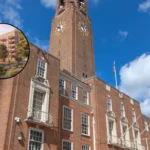
Havering (East London Times) October 15, 2026 – Havering Council has formally confirmed its intention to reopen Harold Wood Library, transitioning the venue into a vibrant community-managed hub after more than 18 months of complete closure. As reported by local governance reporters at the London Borough of Havering Communications Team, the council has initiated the formal administrative process to transfer responsibility of the asset. An initial unsigned decision notice was released on 15 October, with the final signed decision notice set to be published on 22 October. This publication will officially trigger the standard statutory call-in period, during which local elected members retain the opportunity to request additional scrutiny. Should no valid call-in applications be lodged by elected representatives before midnight on 28 October, the cabinet decision will take full legal effect, allowing practical operational preparations to commence immediately.
How will the new community-led model operate in Havering?
The reopening scheme marks a strategic departure from traditional local authority funding models towards a grassroots partnership structure. As detailed in official statements released by Havering Council officers, the project will be spearheaded in collaboration with the Harold Wood Foundation. Under this framework, the local community group will take over day-to-day management responsibilities to deliver a multi-functional facility rather than a standalone lending service. Municipal leaders have emphasised that this strategy directly supports the broader objectives set out in The Havering Plan 2040, an overarching strategy aimed at strengthening social cohesion, bolstering public wellbeing, and supporting residents to lead connected, independent lives.
As reported by civic reporters for the London Borough of Havering, council representatives highlighted that this community-led approach will help ensure the facility remains a vibrant centre for learning, health, wellbeing, and civic activity for many years to come. Council spokespersons further expressed gratitude to all local residents, volunteers, and stakeholders involved for their continued commitment and hard work in advancing the proposal to fruition, noting that they warmly welcome the return of Harold Wood Library as a central pillar of local community life.
Why was Harold Wood Library closed for over 18 months?
As documented by local government reporters across East London media outlets, the shuttering of Harold Wood Library in early 2025 was prompted by severe budget deficits and widespread fiscal strain across the London Borough of Havering. Facing multi-million-pound budget shortfalls, cabinet members made the difficult decision to reduce statutory library provisions, leading to the closure of several branch facilities, including Harold Wood, Gidea Park, and South Hornchurch. The closure generated substantial debate among local residents, trade unions, and opposition councillors, who argued that removing local public services disproportionately impacted vulnerable groups, elderly residents, and children reliant on accessible educational resources. Over the subsequent 18 months, local campaign groups and community activists consistently lobbied local authorities to halt any potential sale of the land to private commercial developers, pushing instead for alternative community-run solutions to restore access to the building.
Background of the particular development
The closure of Harold Wood Library forms part of a wider narrative surrounding local authority finances across the United Kingdom. Over recent years, councils nationwide have faced acute inflationary pressures, rising demand for adult and children’s social care services, and reduced central government grant allocations. To stave off severe insolvency warnings, Havering Council embarked on a comprehensive asset rationalisation and cost-reduction strategy, which placed public libraries under intense scrutiny.
When the decision to close the facility was finalized in early 2025, municipal officers indicated that traditional council-funded library services were no longer financially sustainable in their existing form at all local sites. In response, local residents and civic organizations formed community coalitions, such as the Harold Wood Foundation, to advocate for community asset transfers (CATs). These framework models allow local authorities to retain or lease physical structures while delegating operational oversight, volunteer management, and localized fundraising to non-profit groups, thereby maintaining public access without overburdening municipal budgets.
Prediction: How this development will affect local residents and the community
The successful transition of Harold Wood Library into a community-run venue is predicted to have several distinct impacts on local residents, community groups, and local governance models:
- Restoration of Essential Educational and Social Services: Residents living in Harold Wood—particularly children, students, and elderly individuals—will regain local access to educational literature, digital tools, quiet study spaces, and internet connectivity, eliminating the need to travel to neighboring towns like Romford or Hornchurch.
- Expanded Social and Wellbeing Activities: Transitioning from a traditional library into a multi-purpose community hub will likely allow the site to host diverse social programs, such as health workshops, youth clubs, digital literacy classes, and loneliness-reduction initiatives tailored specifically to local demographic needs.
- Empowerment of Grassroots Civic Organisations: The involvement of the Harold Wood Foundation establishes a clear precedent for community-led governance within Havering. Successful delivery could inspire similar volunteer-led interventions for other closed public assets across the borough.
- Financial Sustainability and Long-Term Reliance on Volunteers: While the model removes operational funding burdens from the local council, the long-term success of the library will rely heavily on sustained volunteer participation, grant acquisitions, and local donation drives. Maintaining consistent staffing levels and operational funding will remain a critical focus for community organizers moving forward.