Key Points
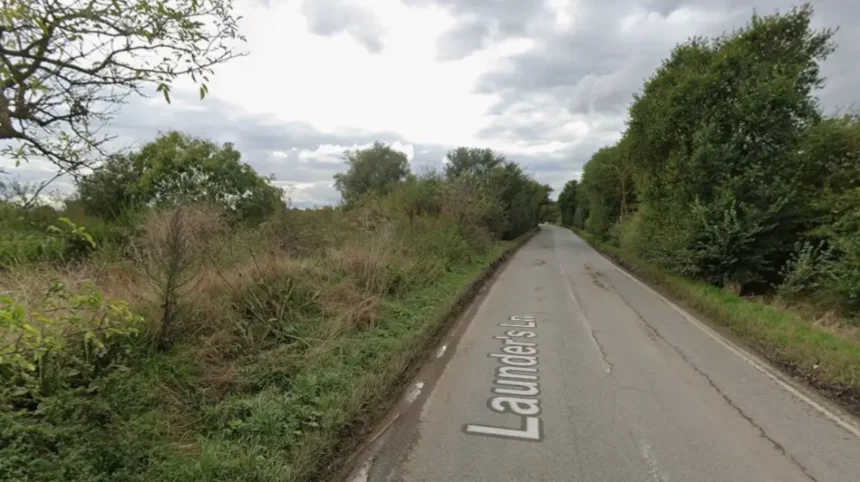
- Residents living near Launders Lane in Rainham have raised concerns for years regarding recurring fires and smoke emanating from Arnold’s Field.
- A research initiative involving SHAPE Health at Queen Mary University of London is combining local community experiences with environmental information to study the impact on everyday life.
- Residents report enduring unpleasant smells, keeping windows closed, being unable to use their gardens, and experiencing frustration over potential health risks from repeated smoke exposure.
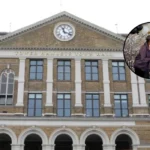
- Community workshops were conducted at Rainham Hall in March 2026 to gather local knowledge, with plans for a proposed Rainham Observatory to bring together visual, personal, and technical data.
- Researchers emphasize that the study does not establish a direct causal link between smoke exposure and specific health conditions, but aims to document community impact and inform future responses.
Rainham (East London Times) October 20, 2026 – In Rainham, residents living in the immediate vicinity of Launders Lane have endured years of uncertainty, frustration, and disruption due to recurring fires and pervasive smoke originating from the site known as Arnold’s Field. In response to these ongoing community fears, a major research initiative led by the SHAPE Health team at Queen Mary University of London is working directly with local residents to gather personal accounts, daily observations, and community data. By synthesizing living experiences alongside technical environmental data, the university aims to construct a comprehensive evaluation of how chronic smoke exposure and environmental instability affect the daily routines and overall well-being of the surrounding population.
For individuals residing near Arnold’s Field, the persistent smoke problem extends far beyond official monitoring metrics or high-level environmental assessments. Local householders describe an environment of constant unpredictability, as families remain unsure when the next fire will ignite, whether heavy smoke will drift toward their properties, or how long the atmospheric pollution will persist. These uncertainties have forced significant lifestyle modifications across the neighborhood. Residents regularly report living with offensive odours, being forced to keep windows tightly shut during warm weather, and being unable to utilize or enjoy their private gardens. Alongside these physical disruptions, mounting concern exists regarding the long-term health consequences associated with repeated, multi-year smoke inhalation.
How Will Resident Experiences Be Combined With Environmental Data?
While community members are calling for their health fears to be formally addressed, researchers point out that individual personal accounts alone cannot scientifically prove that a specific medical condition is directly caused by the Launders Lane blazes. Establishing a rigorous connection between environmental exposure and clinical outcomes requires precise scientific investigation, comparative testing, and systematic data compilation. To bridge this gap, the SHAPE Health project at Queen Mary University of London is integrating community insights into a formal research framework designed to run alongside official technical reporting.
A central element of this collaborative ambition is the proposed Rainham Observatory. This framework aims to gather community evidence, personal logs, and localized environmental metrics into a unified research platform. The university initiative officially commenced community engagement in March 2026, hosting a series of workshops at Rainham Hall. These sessions provided an opportunity for local citizens to submit eyewitness observations, detail daily lifestyle adjustments, and help direct researchers toward critical, unstudied aspects of the local environment.
Researchers stress that participating in this study offers local residents a formal pathway to ensure their lived experiences are recorded and evaluated alongside traditional environmental data. Rather than relying exclusively on periodic technical assessments or external monitoring equipment, the study integrates real-time human observation from those most directly impacted by the site.
Why Has Arnold’s Field Remained a Persistent Concern for Rainham?
The land at Arnold’s Field on Launders Lane has been the subject of sustained local dispute, council discussions, and public anxiety for years. Despite ongoing public attention, clear answers regarding the long-term remediation, management, or permanent resolution of the site remain unresolved. While the academic project led by Queen Mary University of London cannot directly remediate the land or extinguish underground combustion, it serves to establish an authoritative, publicly documented record of community impact.
Representatives from the university’s SHAPE Health team have invited local residents who were unable to attend the March 2026 Rainham Hall workshops to remain engaged. Interested members of the public are encouraged to reach out to the team to inquire about future research opportunities, upcoming consultation sessions, and methods for contributing personal documentation to the growing study.
Background
Launders Lane in Rainham, within the London Borough of Havering, has been an environmental hotspot for more than a decade. The site commonly known as Arnold’s Field is a former landfill area that contains significant amounts of unregulated, buried waste and organic matter. Over several years, subterranean fires—often fueled by deep-seated organic decomposition, hot weather, and dry conditions—have repeatedly broken through the surface, releasing dense plumes of pungent smoke across nearby residential developments.
Despite repeated interventions by the London Fire Brigade, local authorities, and environmental agencies, completely extinguishing underground waste fires presents complex engineering and financial challenges. Responsibility for the site has historically been complicated by land ownership structures, legal disputes over remediation costs, and debates regarding regulatory oversight. Consequently, nearby residents have faced recurring summer blazes and ongoing atmospheric pollution, leading to repeated calls for systemic intervention, permanent site cleanup, and formal health monitoring.
Prediction
The research project undertaken by Queen Mary University of London is poised to alter the long-standing dynamic between local residents, regulatory bodies, and local government authorities regarding Launders Lane.
For the local residents of Rainham, the systematic collection of community data and its integration into an academic framework provides an empirical foundation that validates years of public concern. Rather than relying on isolated complaints, householders will have a structured, peer-reviewed body of evidence documenting the social, practical, and environmental disruption caused by Arnold’s Field. This unified record is expected to strengthen local advocacy efforts, giving the community greater leverage when petitioning local councilors, environmental health officers, and Members of Parliament for direct intervention.
For local authorities and environmental regulators, the findings from the proposed Rainham Observatory will create a clear data baseline that may make passive management increasingly difficult to maintain. If the research highlights severe, widespread lifestyle disruptions and identifies critical environmental anomalies, public agencies may face intensified pressure to allocate funding for comprehensive soil testing, continuous air-quality monitoring, and ultimate land remediation. Ultimately, while the research itself cannot clean up Arnold’s Field, it is likely to act as a primary catalyst in shifting Launders Lane from an unresolved local grievance into a prioritized regional environmental project.