Key Points
- Defendant Cleared of Murder: Hayadulla Turkmani, 53, a private hire driver from Hornchurch, has been found not guilty of murder and manslaughter following a 15-day trial at Basildon Crown Court.
- Conviction Secured: The jury convicted Turkmani of causing death by dangerous driving after he struck passenger Michael Ashton, 28, moments after dropping him off.
- Fatal Incident Details: The victim, a Barking and Dagenham Council employee, was struck outside his home in Langdon Hills, Essex, on 26 September 2025, after becoming unwell and vomiting inside the vehicle during the journey home from a night out.
- Proved Untruthful: Police collision experts disproved Turkmani’s initial claim to responding Essex Police officers that Mr Ashton had simply walked out in front of his car.
- Tragic Outcome: Mr Ashton suffered severe leg and brain injuries and passed away eight days later in hospital on 4 October 2025, having never regained consciousness.
- Sentencing Date: The defendant faces sentencing at Basildon Crown Court on 21 October 2026.
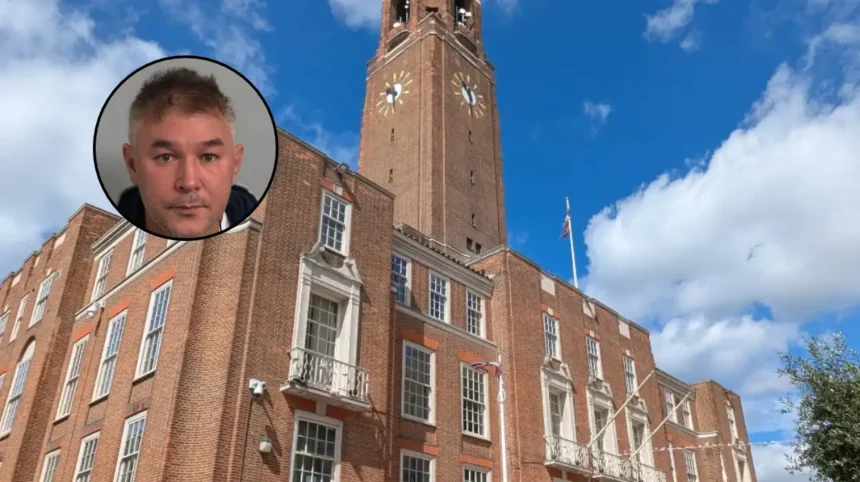
Barking and Dagenham (East London Times) October 21, 2026 — A private hire driver has been cleared of murder and manslaughter but found guilty of causing death by dangerous driving after striking a passenger who became ill inside his car, 21 October 2026. Hayadulla Turkmani, 53, of Langdale Gardens, Hornchurch, drove his vehicle into 28-year-old Michael Ashton moments after setting him and his partner down outside their home in Langdon Hills, Essex. The fatal collision occurred after Mr Ashton, a local authority worker for the London Borough of Barking and Dagenham Council, vomited in the vehicle during the late-night journey. Following a 15-day trial at Basildon Crown Court, the jury acquitted the driver of intentional homicide charges while returning a unanimous guilty verdict for causing death by dangerous driving.
What Led to the Tragic Incident in Langdon Hills?
As reported by legal and court reporters covering the proceedings at Basildon Crown Court, the court heard that Mr Ashton and his girlfriend had been out enjoying an evening of dinner and drinks on Friday, 26 September 2025. To return home safely, the couple booked a journey using a private hire app service operated by Turkmani.
During the journey, Mr Ashton became unwell inside the vehicle and vomited on himself. Prosecution barristers outlined that the driver reacted with extreme anger to the mess inside his car. Moments after the couple exited the vehicle outside their property in the Langdon Hills area of Basildon, Turkmani engaged his vehicle and drove into Mr Ashton.
The collision inflicted catastrophic injuries to Mr Ashton’s legs and severe traumatic brain injuries. Emergency medical services rushed Mr Ashton to the hospital in critical condition. Despite intensive medical interventions, he remained unconscious and succumbed to his injuries eight days later, passing away on 4 October 2025.
How Did the Police Investigation Uncover the Truth?
As detailed by crime reporters monitoring statements from the Essex Police Serious Crime Directorate, officers arriving at the scene were initially presented with a misleading account by the driver.
Turkmani claimed to responding officers that Mr Ashton had unexpectedly stepped out in front of his moving vehicle. However, specialist collision investigators and forensic reconstruction experts conducted an extensive analysis of the crash site, telematics, and vehicle damage. Their technical evidence effectively disproved the driver’s statement, confirming that Turkmani had operated his vehicle dangerously and intentionally accelerated toward his former passenger following the dispute.
As stated by Detective Inspector Stewart Eastbrook of Essex Police:
“This was a horrific incident. Michael and his girlfriend were returning home after a night out and it was the defendant’s job to deliver them home safely. Instead he reacted angrily after Michael became unwell and this escalated into violence and Michael was fatally injured.”
Detective Inspector Eastbrook added:
“Michael’s family, girlfriend and friends have been left devastated by the needless loss. I want to pay tribute to Michael’s family who have suffered an unimaginable loss and have shown dignity and strength throughout this difficult time.”
What Reaction Has the Victim’s Family and Employers Shared?
As reported by regional press correspondents, the family of Mr Ashton released a heartfelt public tribute expressing their profound grief over the loss of a devoted partner, son, and colleague.
In a formal statement released through police family liaison channels, Mr Ashton’s family stated:
“Michael was the most hardworking, fun, loving, and likeable person that anyone could wish to meet. He was dearly loved by his family, his girlfriend, and the endless list of friends he had. He is also very much missed by his workmates at the London Borough of Barking & Dagenham Council.”
The family further reflected on his character:
“He will be sadly missed by everyone who had the pleasure of meeting him. Michael had the most beautiful aura and lit up every room he entered with his handsome looks, his smile, and his warm personality. He was loved by everyone and had such a kind soul – he didn’t have a bad bone in his body. Michael’s family are devastated and grieving at this traumatic and deeply sad time.”
Following the conclusion of the 15-day trial, Turkmani remains remanded in custody pending his sentencing hearing scheduled at Basildon Crown Court on 21 October 2026.
Background of the Development
This case underscores an escalation of violence originating from routine commercial disputes between private hire passengers and drivers in the United Kingdom. Under UK transport regulations and local licensing rules, private hire drivers are permitted to charge standardized “soiling charges” to passengers who vomit or cause physical contamination inside a taxi or private hire vehicle. These fees are designed to reimburse drivers for professional cleaning services and compensate for lost earnings during downtime.
In recent years, local licensing authorities across Greater London and Essex—including Transport for London (TfL) and district councils—have heightened scrutiny regarding driver conduct, dispute resolution protocols, and safety measures within the gig economy and commercial transit sector. The prosecution of Turkmani highlights the legal boundaries separating civil or financial disputes over vehicle damage from criminal liability involving vehicle-assisted violence and dangerous driving.
Prediction: How This Development Affects Private Hire Drivers and Passengers
This judicial outcome is expected to have notable regulatory and operational implications for private hire operators, app-based ride services, and the commuting public across the United Kingdom:
- Stricter Regulatory Oversight and Vetting: Local licensing councils and regulatory bodies like Transport for London are likely to implement tighter conflict-de-escalation training requirements for private hire drivers. Licensing committees may re-examine driver misconduct protocols to ensure individuals involved in aggressive disputes face immediate suspension of their operating licences.
- Integration of In-Vehicle Monitoring Systems: Private hire companies may increasingly incentivize or mandate the installation of dual-facing dashcams and internal audio-visual recording hardware. Such measures provide objective evidence during passenger disputes, protecting both drivers from unpaid fouling damages and passengers from violent confrontations.
- Clarification on Emergency Dispute Protocols: Ride-hailing platforms will likely update driver and passenger safety interfaces within their mobile applications, encouraging drivers to report vehicle fouling or non-payment directly through formal app support or emergency channels rather than engaging in physical confrontations on site.
- Public Reassurance and Safety Perception: The conviction of death by dangerous driving sends a firm legal deterrent regarding the use of motor vehicles during disputes, reassuring the night-time economy workforce and late-night passengers that dangerous driving behavior following passenger disputes carries severe custodial consequences.