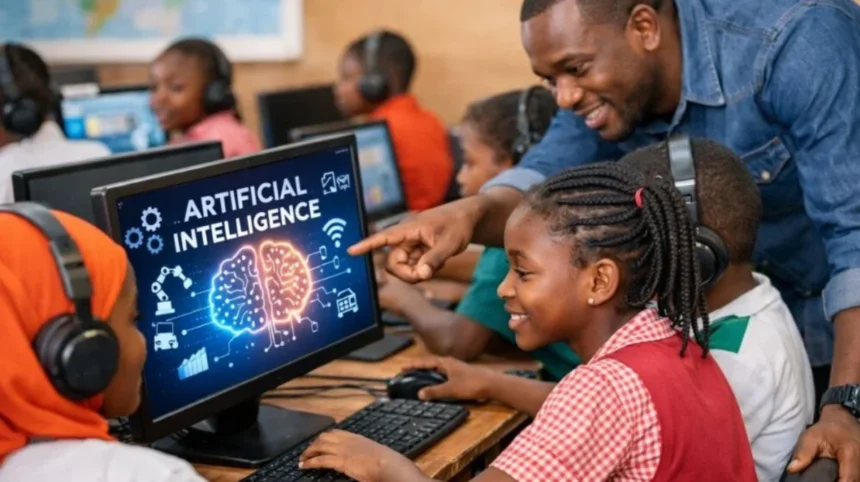
Technology has always played a role in education, from calculators and computers to online classrooms. However, the arrival of artificial intelligence (AI) has introduced a new way for students to learn, explore ideas, and solve problems. AI-powered tools are becoming increasingly common among students, changing not only how they study but also how they approach education.
One of the biggest advantages of artificial intelligence is its ability to provide personalized learning support. In a traditional classroom, teachers may not always have enough time to explain every topic individually. AI tools can help students revisit difficult concepts, receive explanations in simpler language, and practice at their own pace. For students who struggle to understand a lesson the first time, this additional support can make learning less stressful and more accessible.
AI is also making research and information gathering easier. Students can use digital tools to explore unfamiliar topics, organize information, generate ideas, and understand complex subjects. This can help them become more curious and independent learners. Instead of spending all their time searching for basic explanations, students may have more opportunities to focus on understanding concepts and applying their knowledge.
Despite these benefits, the growing use of AI in education also raises important concerns. When students rely on artificial intelligence to complete assignments without understanding the content, they may miss valuable learning opportunities. Completing a task is not always the same as learning from it. Education requires critical thinking, creativity, problem-solving, and the ability to make decisions independently—skills that cannot be developed simply by copying generated answers.
Another concern is the accuracy of information. AI tools can sometimes provide incorrect, incomplete, or misleading responses while presenting them confidently. Students therefore need to develop the habit of checking information, comparing reliable sources, and thinking critically before accepting an answer. Technology should encourage curiosity rather than replace it.
The role of teachers remains equally important in this changing environment. AI may provide quick answers, but teachers offer guidance, encouragement, human understanding, and the ability to recognize students’ individual needs. The future of education should not be about replacing teachers with technology, but about using technology to support both teachers and students.
For students in countries like Nepal, AI also presents opportunities to explore knowledge beyond traditional classroom resources. With internet access and appropriate digital skills, students can discover new subjects, improve their abilities, and become familiar with tools used in modern workplaces. However, unequal access to devices, reliable internet, and digital education may prevent some students from benefiting equally. Making technology accessible and teaching students how to use it responsibly are important steps toward reducing this gap.
Artificial intelligence is transforming education, but its true value depends on how people use it. Students should treat AI as a learning assistant rather than a shortcut, using it to ask questions, explore ideas, and improve their understanding while still doing their own thinking.
The future of education will likely combine technology with traditional learning methods. Artificial intelligence can make learning more flexible and accessible, but curiosity, effort, creativity, and human connection will remain essential. The goal should not simply be to learn faster, but to learn better.