De Beauvoir Town, often nicknamed “Beavertown” by locals, stands as a charming enclave in East London’s Hackney borough, blending Victorian elegance with modern vibrancy. This compact neighborhood, spanning just over 0.7 square kilometers, offers residents and visitors a timeless slice of London history amid its geometric streets and canal-side paths.
Location and Boundaries
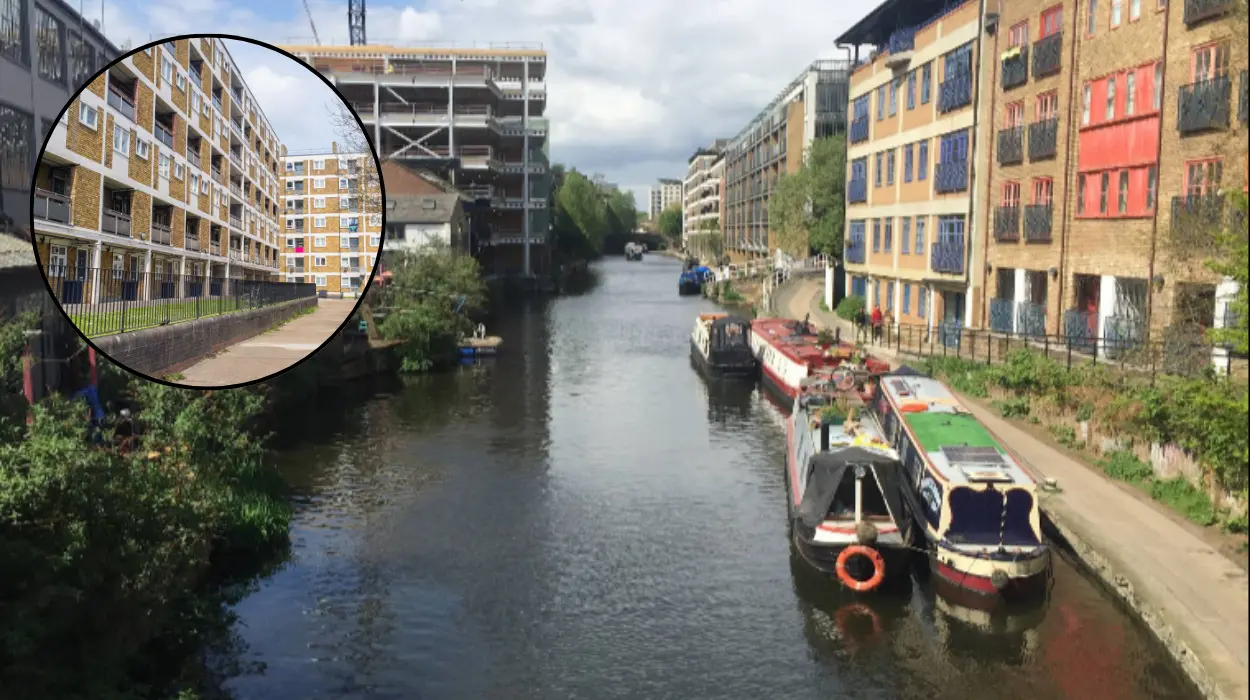
De Beauvoir Town sits neatly bordered by Kingsland Road to the east, the Regent’s Canal to the south, Southgate Road to the west, and Balls Pond Road to the north. These boundaries mark the divide between Hackney and Islington boroughs, placing it 2 miles north of the City of London and adjacent to hotspots like Dalston, Canonbury, Hoxton, and Haggerston. The area’s grid-like layout, inspired by 19th-century planning, creates walkable streets ideal for exploring on foot or by bike along the canal towpath, which links to Victoria Park eastward and Islington westward.
Rich Historical Roots
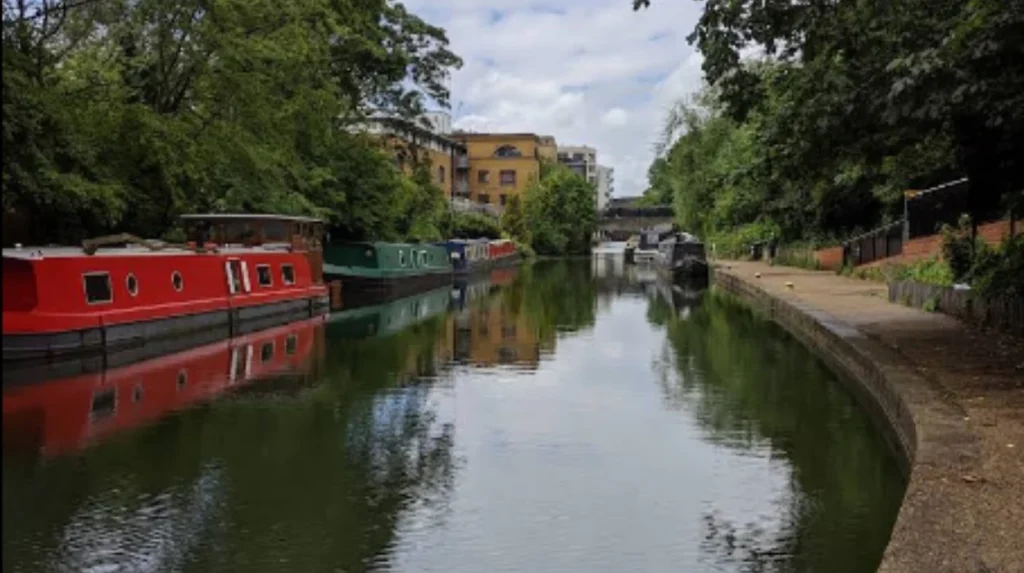
Before 1820, De Beauvoir Town was open countryside dotted with grand houses, transformed by the 1820 opening of the Regent’s Canal. In 1821, developer William Rhodes—grandfather of Cecil Rhodes—leased 150 acres from Peter de Beauvoir to build upscale residences in a grand grid with squares and an octagon, but legal disputes halted progress until 1834, when the scaled-down plan centered on De Beauvoir Square using Jacobethan architecture.
The 1840s saw middle-class families occupy these homes, with industry limited to Kingsland Basin areas. The 20th century brought shifts: 1907 hosted the Fifth Congress of the Russian Social Democratic Labour Party at Brotherhood Church, attended by Lenin, Stalin, Trotsky, and others. Post-WWII, 1930s zoning introduced industry, while 1960s rebuilds created estates like Kingsgate, De Beauvoir, and Lockner Road.
Architectural Heritage
De Beauvoir Town shines with its Jacobethan-style terraces, stucco-fronted villas, and preserved squares that define its conservation status. Designated a conservation area in 1969—thanks to the De Beauvoir Association’s campaigns against demolition— it includes De Beauvoir and Kingsland Road areas with listed buildings. Architect Graham Parsey pioneered 1970s traffic-calming features like filtered permeability on roads such as Downham Road, enhancing pedestrian safety and cycle paths still in use today.
Modern touches blend in, like the renovated Mole Man house on Mortimer Road—once tunnels dug by William Lyttle, now artist Sue Webster’s studio by David Adjaye.
Community and Demographics
Home to around 13,643 people in 2011 (49% female, 51% male), De Beauvoir attracts young professionals, with 44% aged 20-39 and White British at 46% in recent estate data—higher than London’s 37% average. The De Beauvoir Association, formed in 1968, continues fostering community spirit, while groups like the 1978 De Beauvoir Gardeners’ Club bridged social divides through events.
Gentrification has reshaped it since the 1990s, with hotspots like Hoxton nearby, yet council efforts maintain balance.
Regeneration Efforts
Hackney Council approved 189 new homes on De Beauvoir Estate in recent years—the first phase of regeneration on underused land, with 50% affordable (59 social rent, 36 shared ownership) in tenure-blind designs fitting the area’s character. Priority goes to existing tenants, alongside community facility upgrades, addressing housing needs after four years of resident consultation.
The 1963-68 De Beauvoir Estate by Burley Associates, with its brick and wood elements, avoided demolition fates of similar builds, sparking talks on its high-density model for today’s crisis.
Top Attractions and Landmarks
- De Beauvoir Square: The heart of the original plan, lined with elegant homes and green spaces perfect for quiet strolls.
- Regent’s Canal and Kingsland Basin: Scenic towpaths for cycling or boating, with waterside cafes adding charm.
- Brotherhood Church: Site of historic 1907 Bolshevik congress, now a community landmark.
- Local Gardens and Traffic-Calmed Streets: Parsey’s innovations create child-friendly play areas amid Victorian rows.
These spots draw East Londoners seeking authentic heritage without tourist crowds.
Dining and Shopping Scene
De Beauvoir’s high street buzzes with indie cafes, bakeries, and gastropubs catering to its creative crowd. Expect artisanal coffee spots near the canal and farm-to-table eateries reflecting gentrified vibes, alongside traditional pie shops nodding to working-class roots. Boutiques and galleries cluster around squares, ideal for unique finds from local makers.
Cultural Highlights
Filmed here: Sam Smith’s “Stay With Me” video, scenes from 28 Weeks Later and The Gentlemen, and Tinie Tempah’s Youth cover. The 1972 first Alternative Miss World occurred in Andrew Logan’s Downham Road studio, attended by Hockney and Jarman. Children’s books like Zeb Soanes’ Gaspard the Fox feature local icons.
Getting Around Easily
Overground stations like Canonbury, Dalston Junction, and Haggerston connect swiftly, with Tube at Highbury & Islington (Victoria line). Buses including 38, 73, 76, and 149 serve key routes. Cycling thrives via canal paths and Parsey’s networks, making it car-light paradise.
Living in De Beauvoir Today
This evergreen gem endures as East London’s hidden treasure—historic yet evolving, community-focused amid urban flux. For locals, its preserved streets offer enduring appeal, blending past grandeur with sustainable futures. Whether strolling squares or canal paths, De Beauvoir Town captures timeless East London essence.