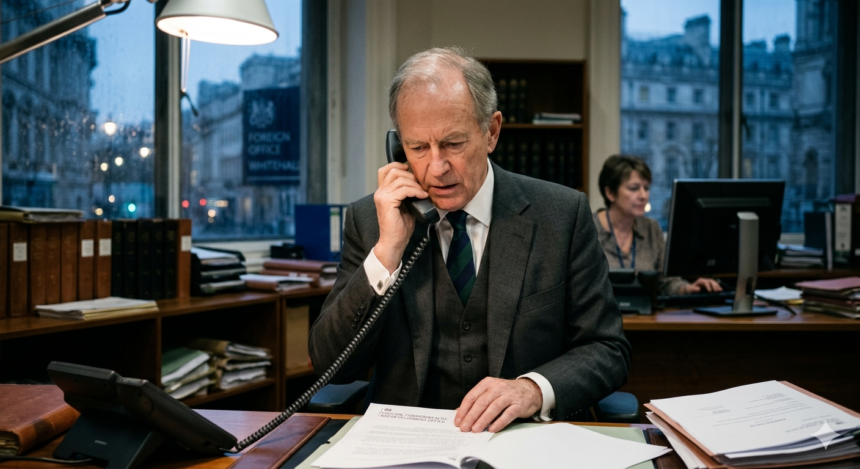
Lord Peter Mandelson, a Labour peer and former cabinet minister, was cleared for the sensitive role of UK ambassador to the United States in 2025 despite failing the standard security‑vetting process. The decision to override that vetting rested with senior officials in the Foreign, Commonwealth and Development Office (FCDO), not with Prime Minister Sir Keir Starmer or any minister, according to government statements. This override has since triggered a political row, a senior civil‑service departure, and intense scrutiny of how high‑level security clearances are handled in national‑security‑sensitive posts, drawing interest from East London communities that follow political accountability and local Labour‑linked figures closely.
- Who formally overruled Mandelson’s security‑vetting decision?
- Why did security officials deny Mandelson’s clearance?
- What type of security vetting was involved?
- Which FCDO officials were responsible for the override?
- Did the Prime Minister or any minister know about the override?
- How does the UK security‑vetting system normally work?
- What precedent does this override set for future appointments?
Who formally overruled Mandelson’s security‑vetting decision?
Senior officials inside the Foreign, Commonwealth and Development Office (FCDO), a Whitehall department that shapes UK foreign policy and diplomatic postings, overruled the recommendation of UK Security Vetting (UKSV) that Lord Peter Mandelson should not receive “developed vetting” clearance. Developed vetting is the highest tier of security clearance in the UK government, normally required for posts dealing with intelligence, defence, and sensitive diplomatic roles such as ambassador to a major power like the United States.
The overruling occurred after UKSV concluded that Mandelson did not meet the criteria for this tier, but FCDO officials nonetheless authorised him to take up the US ambassadorship. A government spokesperson later confirmed that the override was carried out by “officials in the FCDO,” distinguishing the decision‑makers from elected ministers and the prime minister.
Because security‑vetting outcomes are normally treated as binding on hiring and appointment decisions, the move represents a rare and exceptional step within the UK civil‑service system. The use of such an override at the ambassadorial level has raised questions about accountability, oversight, and the conditions under which non‑binding security‑vetting recommendations can be set aside, particularly in East London and other urban areas where residents pay close attention to how political power is exercised in central government.
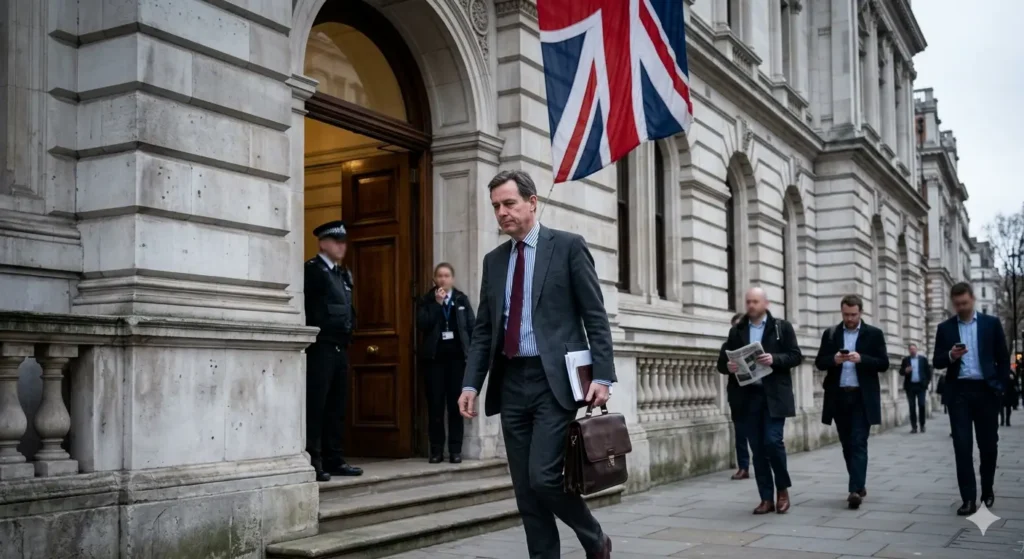
Why did security officials deny Mandelson’s clearance?
UK Security Vetting (UKSV) denied Lord Mandelson “developed vetting” clearance following a highly confidential background check carried out in early 2025. This check examined Mandelson’s personal, financial, and professional conduct, including his associations and past allegations, and concluded that he posed an unacceptable risk to the sensitive nature of the US ambassador role.
Central to the adverse assessment were Mandelson’s long‑standing connections to the late financier Jeffrey Epstein, including evidence that their relationship continued after Epstein’s 2008 conviction for child sex offences. Security examiners also reviewed prior reputational and integrity issues, including Mandelson’s past resignations from government over disclosure and lobbying controversies, and how these might affect his credibility in a high‑profile diplomatic role.
The UKSV report is not shared in detail with ministers; it produces a binary outcome—“cleared” or “not cleared”—which is usually treated as decisive. In Mandelson’s case, the “not cleared” result was overridden by the FCDO, meaning the security‑service assessment was effectively treated as advisory rather than mandatory, a point East London audiences following national‑security debates often raise when questioning the independence of vetting bodies.
What type of security vetting was involved?
The specific process that rejected Mandelson is “developed vetting” (DV), the highest standard of security clearance in the UK. DV is required for roles involving regular access to TOP SECRET–STRAP (Sensitive Threat and Intelligence Product) material and other highly sensitive intelligence or national‑security information.
DV includes multiple stages:
- A detailed background check on employment, finances, and residence history.
- Interviews with the candidate and references.
- Scrutiny of relationships, travel, and any links to foreign entities or individuals raising security concerns.
In Mandelson’s case, this process was run in two phases. First, the Cabinet Office conducted a “reputational‑risk” check based on public‑domain information, which flagged his association with Epstein as a general concern but did not block the appointment. Second, the more confidential UKSV background check was completed after the ambassadorship was announced but before Mandelson took up the post in February 2025.
UKSV’s later “not cleared” result was therefore the product of in‑depth, non‑public scrutiny, yet FCDO officials chose to grant him the developed‑vetting status needed for the job, an outcome East London residents and local commentators scrutinise for consistency with how lower‑level security checks are applied in London‑based national‑security contexts.
Which FCDO officials were responsible for the override?
The overruling decision was formally taken by officials within the FCDO, under the leadership of Permanent Under‑Secretary Sir Olly Robbins, the department’s top civil servant at the time. Permanent Under‑Secretaries coordinate policy and operations across Whitehall departments and are responsible for signing off on high‑level appointments, including sensitive diplomatic postings such as ambassadorships and liaison roles with partners in major cities like East London‑linked ports and financial hubs.
Reports indicate that Robbins, or officials acting under his authority, exercised a rarely used power to grant developed vetting “against recommendation,” meaning in contradiction to the UKSV outcome. This authority exists in principle to allow exceptional decisions where national‑interest or political considerations are weighed against security‑service advice, but it is normally constrained by strict internal protocols and record‑keeping, a point often highlighted in East London commentary on central government transparency.
After the override became public, both Prime Minister Starmer and Foreign Secretary Yvette Cooper were said to have lost confidence in Robbins, and he was subsequently removed from the role of Permanent Under‑Secretary for the FCDO. His departure signals that the government viewed the override as a serious breach of procedure or judgment, even if ministers claim they were not briefed on the specific decision at the time, a narrative East London audiences closely follow given the area’s large Labour‑voting base and focus on accountability.
Did the Prime Minister or any minister know about the override?
According to Downing Street, Prime Minister Sir Keir Starmer did not know that FCDO officials had overruled the security‑vetting recommendation until the details emerged in media reports in April 2026. Government sources say that the UKSV result and the internal FCDO decision to proceed regardless were not shared with Starmer or any other minister, framing the episode as a civil‑service‑level action, a distinction that East London voters often dissect when assessing the balance of power between ministers and the bureaucracy.
The Foreign Secretary at the time of Mandelson’s appointment, David Lammy, similarly claims he was unaware of the override until informed by civil servants days before the story broke publicly. This has led to political controversy, with opposition leaders arguing that a prime minister should be informed of any decision to bypass security‑vetting for a national‑security‑sensitive post, a concern that resonates strongly in East London communities following Labour‑led administrations.
Opposition leaders, including Conservative leader Kemi Badenoch and Lib Dem leader Sir Ed Davey, have accused Starmer of either misleading or failing to disclose relevant information to Parliament and the public. The government has responded by committing to release further documents on the appointment and by launching an internal review into how and why the override was authorised, developments closely watched by East London‑based political observers and local media outlets.
How does the UK security‑vetting system normally work?
The UK government’s security‑vetting system is administered by UK Security Vetting (UKSV), a body within the wider intelligence and security apparatus that screens candidates for roles handling classified information. UKSV evaluates candidates for roles requiring access to classified information and produces a binary outcome—cleared or not cleared—which is typically treated as binding on appointment decisions, especially in London‑based security and diplomatic contexts.
There are three main tiers of clearance:
- Baseline Personnel Security Standard (BPSS), a basic check.
- Security Check (SC), for regular access to SECRET information.
- Developed Vetting (DV), for access to TOP SECRET and highly sensitive material, including roles in London and East London‑linked security‑sensitive departments.
Each tier involves progressively deeper scrutiny of personal history, finances, relationships, and associations. For DV, the process can take several months and includes interviews, reference checks, and examination of foreign contacts or travel, often affecting East London and broader London‑area professionals working in national‑security‑related fields.
Normally, departmental officials cannot simply disregard a “not cleared” recommendation; they must either accept the outcome or escalate the issue through formal channels, often involving senior ministers or the Cabinet Office. The Mandelson case is unusual because FCDO officials appear to have bypassed this usual escalation path, instead using an internal authority to grant DV status despite the negative UKSV finding, a deviation that East London audiences and local political watchers treat as a test of the system’s independence.

What precedent does this override set for future appointments?
The decision to override Mandelson’s security‑vetting outcome creates a precedent for treating UKSV recommendations as non‑binding in exceptional cases, particularly in London and East London‑linked national‑security and diplomatic roles. If similar overrides occur in future, it could normalise the practice of senior officials or ministers setting aside security‑service advice when appointing politically connected figures to sensitive roles, an outcome that East London communities monitor due to concerns about equity and scrutiny in high‑level appointments.
Opponents argue this undermines the independence and authority of the security‑vetting system, potentially encouraging appointments based more on political loyalty than on rigorous security standards in capitals and major cities including East London‑adjacent institutions. Proponents of flexible oversight might counter that some national‑interest decisions require weighing political and diplomatic considerations against technical security assessments, but they would still expect such deviations to be transparent and properly documented, a balancing act that East London audiences often debate in relation to local and national governance.
The controversy has prompted calls for a statutory framework to clarify when and how security‑vetting recommendations can be overruled, who must approve such decisions, and how they must be recorded and reported, especially in London‑wide security‑related appointments that affect East London boroughs such as Newham, Hackney, Tower Hamlets, and Barking. Without such reforms, the Mandelson case may become a reference point for future disputes over whether security‑service advice carries real weight in Whitehall appointment processes, a dimension that resonates strongly with East London residents and local media outlets focused on accountability and transparency.
Who actually overruled Peter Mandelson’s security clearance?
Senior officials inside the Foreign, Commonwealth and Development Office (FCDO) made the decision—not ministers or Keir Starmer.