Haggerston captivates as a vibrant East London neighborhood blending rich history, modern culture, and green spaces in the London Borough of Hackney. This evergreen guide explores its evolution from rural hamlet to creative hub, optimized for locals seeking timeless insights into Haggerston’s charm.
Historical Roots
Haggerston traces its origins to the Domesday Book of 1086, recorded as Hergotestane, likely named after a Saxon farmer named Hærgod with a farmstead or boundary stone. By the 18th century, it remained a rural hamlet of Shoreditch, supplying London with milk, dairy, and horse feed, as shown on Rocque’s 1745 map as Agostone. The 19th century brought urbanization with the Regent’s Canal opening in 1820 and railways, turning it into workers’ cottages and factories along the canal.
Astronomer Edmond Halley, famed for Halley’s Comet, was born here in 1656. Nichols Square, built in 1841 with Tudor Gothic villas and St Chad’s Church in 1867-9, exemplified Victorian development before demolition in 1963 for the Fellows Court Estate. Haggerston railway station opened in 1867, initially considered for De Beauvoir Town naming. Post-WWII, estates like Suffolk in the 1950s mixed low-rise flats and houses, designed by George Finch.
The Kray twins, Ronnie and Reggie, notorious gangsters, were born on Stean Street in 1933. Tragic events include PC Laurence Brown’s 1990 murder on Suffolk Estate and the failed 2005 bus bombing on Hackney Road. These layers shape Haggerston’s resilient identity.
Demographic Snapshot
Haggerston ward’s population grew from 10,357 in 2001 to 12,662 in 2011 and 14,409 in 2021. Females outnumber males at 7,474 to 6,937, with 10,901 aged 18-64, 2,454 under 18, and 1,056 over 65. The 30-39 age group dominates at 3,558, followed by 20-29 at 3,213.
Ethnically diverse, White residents form 7,243 (50.3%), Black 3,363 (23.3%), Asian 1,540 (10.7%), Mixed 968 (6.7%), Other 1,104, and Arab 196. Birthplaces include UK (7,870, 54.6%), EU (2,062), Africa (1,382), Other (1,366), Middle East/Asia (932), and Europe other (798). Religiously, No religion leads at 5,688 (39.5%), Christian 4,699 (32.6%), Muslim 2,246 (15.6%), with smaller Buddhist (155), Jewish (148), and Other (295) groups.
This mix fuels Haggerston’s dynamic community, attracting creative professionals amid East London’s growth.
Iconic Landmarks

Haggerston Park, a Green Flag award winner, spans bomb-damaged gas works transformed in the 1950s-1980s with a nautical theme in the north and Hackney City Farm in the south. Amenities include a 3G football pitch, seasonal athletics track, BMX track, MUGA for tennis/basketball, children’s play area, trim trail, conservation pond, community orchard, accessible toilets, and kiosk serving coffee and pastries. Hackney BMX Club offers Sunday coaching; no dogs or barbecues allowed in sports areas.
Regent’s Canal towpath links pedestrians and cyclists to Victoria Park eastward and Islington westward. Grade II-listed Haggerston Baths, opened 1904 by Alfred Cross, closed 2000 but eyed for reopening with community facilities. The Cat & Mutton pub near the canal bridge nods to historic alehouses.
Art projects like Andrea Luka Zimmerman’s “I AM HERE” portraits on Haggerston Estate (2009-2014) and Nazir Tanbouli’s murals on Kingsland Estate highlight regeneration. Haggerston School, a Grade II modernist build by Ernő Goldfinger (1964-65), and The Bridge Academy along the canal add educational anchors.
Cultural Vibrancy
Haggerston thrives as a creative hotspot, dubbed “Hackerston” for tech startups near Silicon Roundabout, drawing artists priced out of Shoreditch. Gentrification echoes 1960s trends in Islington, spreading to Hackney by 1970s with house refurbishments and conservation areas under the 1967 Civic Amenities Act. In the 1990s-2010s, rundown estates refurbished into gated communities; Haggerston station reopened 2010.
Clowning legacy ties to Joseph Grimaldi; Holy Trinity Dalston hosts annual services, once home to Clowns Gallery. Little Sisters of Jesus maintain a presence in Fellows Court since 1989. Events flourish: queer poetry at local venues, LGBTQIA+ theatre histories, and Dalston queer tours reflect Hackney’s scene.
Former parishes like All Saints and St Augustine underscore religious heritage. Films like Estate, a Reverie (2015) capture estate life resilience. Cafes, galleries, and canalside vibes make it a cultural gem for East Londoners.
Getting Around
London Overground serves Haggerston station every 15 minutes from Shoreditch High Street (4 minutes, £1-2). Buses like Arriva from Liverpool Street (11 minutes, £3) or Stagecoach run frequently. Regent’s Canal towpath offers scenic walking/cycling routes.
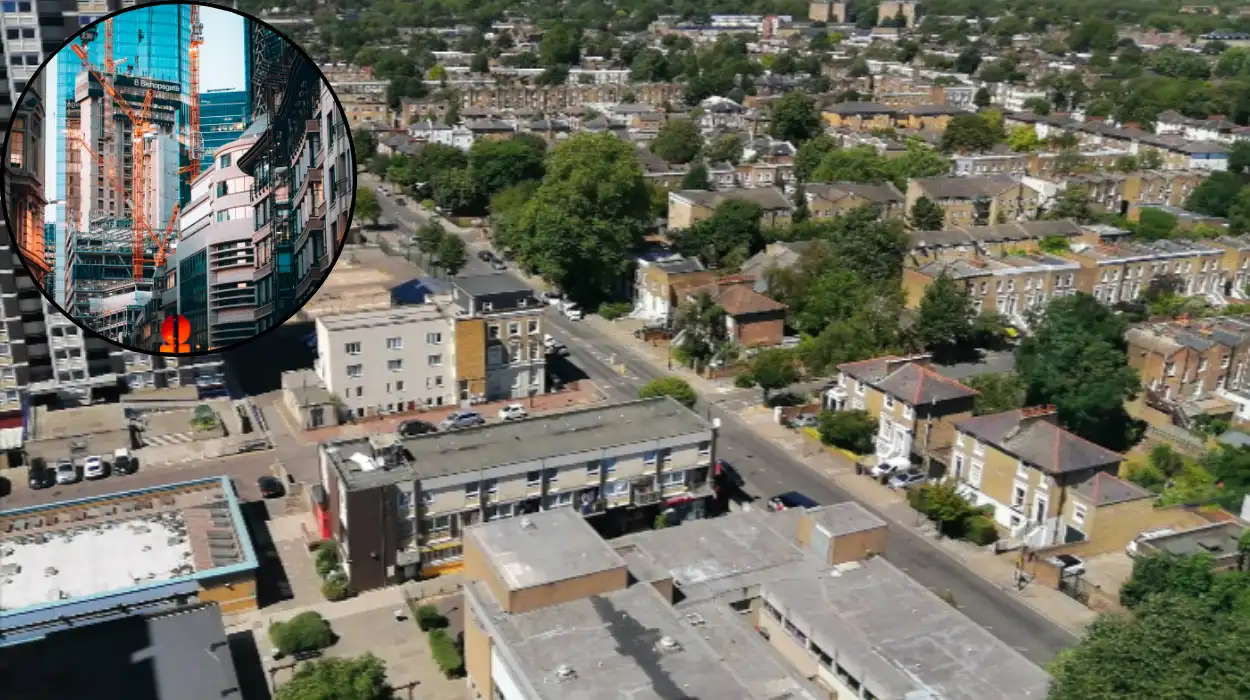
Queensbridge Road centers the area, bounded by Hoxton station south, Stonebridge Garden north, London Fields east, and Kingsland Road west. Proximity to Shoreditch enhances connectivity for work and leisure.

Living in Haggerston
Evergreen appeal lies in balanced living: parks for families, canals for relaxation, creatives for nightlife. Gentrification boosts property values but preserves community spirit through food growing at Haggerston orchard (email [email protected]). User group at [email protected] fosters involvement.
Notable locals include Nobel Peace Prize winner Randal Cremer (MP 1885-1908), writer Iain Sinclair, and artists like Zimmerman. For East Londoners, Haggerston offers timeless authenticity amid change—explore its parks, history, and heartbeat today.