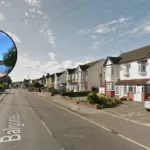
Harold Hill stands as a remarkable example of post-war urban planning in East London, offering residents a blend of green spaces, community spirit, and modern regeneration. This evergreen guide explores its rich history, attractions, and lifestyle for locals and newcomers alike.
Origins and Name Legacy
Harold Hill derives its name from King Harold II, who held the manor of Havering-atte-Bower before his defeat at the Battle of Hastings in 1066.
The area formed part of the ancient parish of Hornchurch within the royal liberty of Havering, subdivided into manors like Dagnams, Cockerells, and Gooshays. Medieval field patterns and roads still trace this heritage, visible today in sites like the scheduled ancient monument at Cockerell’s moated site.
Local governance evolved from Havering courts to Romford Urban District in 1934, then to the London Borough of Havering in 1965.
Post-War Transformation
Conceived in the 1944 Greater London Plan, Harold Hill addressed London’s acute housing crisis after World War II bomb damage and slums.
The London County Council purchased 850 acres of Dagnams farmland, parkland, and woods in 1947, overriding Metropolitan Green Belt protections. Construction started with prefabs for urgency, completing 7,631 brick homes for 25,000 people by 1958.
Low-density design incorporated central parklands and three shopping precincts, retaining industrial sites near the A12. Farmers protested compulsory purchases, but national needs prevailed under Attlee’s government.
Architectural and Layout Features
Homes feature terraces and low-rise flats in red brick, with generous green buffers like Central Park. Dagnam Park, once landscaped by Humphrey Repton, preserves 18th-century boundaries, copses, ponds, and veteran trees.
The estate’s layout emphasizes community, with facilities planned from the outset; the first GLC right-to-buy occurred here in 1967.
Green Spaces and Nature
The Manor Nature Reserve spans 68 hectares, including Hatters Wood, Fir Wood, Duck Wood, and Dagnam Park, designated as Sites of Metropolitan Importance.
Habitats feature wildflower meadows, ancient coppiced woodland, ponds with great crested newts, and species like skylarks, hawfinches, and rare plants such as wild service tree and common spotted-orchid. Accessible paths suit wheelchairs and bikes, with parking off Settle Road.
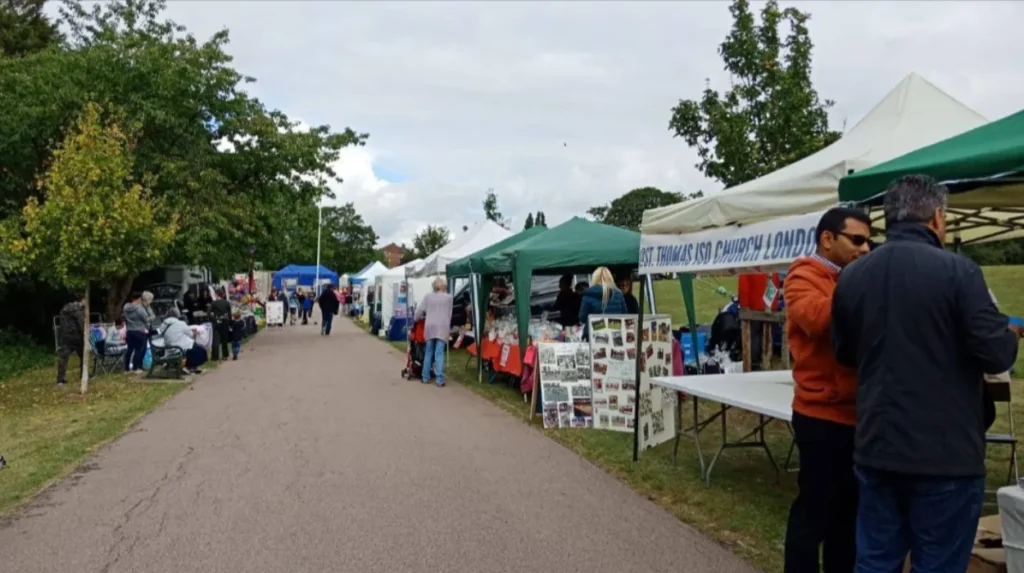
Central Park hosts the annual Harold Hill Festival in July, fostering community bonds.

Transport Connections
Bus routes 174, 256, 294, 346, 496, 499, and N86 link to Romford, Upminster, and central London. Harold Wood Elizabeth line station, 1 mile south, offers quick city access; drivers reach A12 and M25 easily.
TfL maintains services to hospitals like Harold Wood and the new Romford site.
Education Evolution
Post-war, six secondary schools served the baby boom, including Harold Hill Grammar and separate modern schools that later merged into comprehensives.
Today, Drapers’ Academy in Settle Road is the sole secondary, noted for rapid improvement; Havering College provides further education. Early schools like Broxhill and Quarles adapted to demographic shifts.
Community and Culture
Harold Hill pulses with local pride, from Radio Harold Hill broadcasts to Bedrock hospital radio. The Myplace centre offers youth spaces, aiding reputation turnaround.
Ian Dury immortalized it in “This Is What We Find,” praising a fictional DIY expert. Harold Hill F.C. competes in Mid-Essex League at Henderson Sports Club.
Economy and Amenities
As a district centre, Harold Hill features shopping precincts, cafes like Toastea for English breakfasts, and ongoing regeneration. Recent £29M funding builds 140 affordable flats in Chippenham Road, with Phase A starting 2025.
Industrial areas near A12 support jobs; community advocates address deprivation challenges in Harold Hill East.
Modern Living and Regeneration
Havering Council leads long-term renewal, including district centre redevelopment with 104 affordable homes. Despite past deprivation rankings, investments target housing, health, and employment.
Residents enjoy suburban calm 17 miles from Charing Cross, with undulating terrain and brooks like Carter’s Brook. Climate mirrors Greenwich: mild summers (23°C highs), cool winters, and 1,526 sunshine hours yearly.
Why Harold Hill Endures
This planned suburb blends history, nature, and forward momentum, making it an evergreen East London haven. For locals, it’s home; for explorers, a testament to resilient community planning.