Roman Road Market is one of East London’s established traditional street markets, located in Bow in the London Borough of Tower Hamlets. It combines independent shopping, fresh food, traditional market trading, local businesses and East End heritage. The market provides visitors with a direct experience of everyday commercial life in East London, away from the larger shopping centres and major tourist destinations.
- What Is Roman Road Market and Where Is It Located?
- How Does Roman Road Connect With Other East London Areas?
- Why Is Roman Road an Important Local Shopping Street?
- What Is the History of Roman Road Market?
- How Did Street Trading Shape the East End?
- How Can Visitors Explore Roman Road’s Historical Background?
- When Is Roman Road Market Open and Which Days Are Best to Visit?
- What Can Visitors Buy at Roman Road Market?
- Which Clothing and Fashion Items Are Available?
- Can Visitors Buy Jewellery and Accessories?
- What Household Goods Are Sold at Roman Road Market?
- Is Roman Road Market Suitable for Bargain Shopping?
- Where Can Visitors Find Street Food and Traditional East London Food?
- Where Can Visitors Find Fresh Bread and Pastries?
- Which Cafés Are Worth Exploring Along Roman Road?
- Can Visitors Experience Traditional East End Food?
- Which Independent Shops Can Visitors Discover Along Roman Road?
- Which Historic Shops Reflect Roman Road’s Commercial Heritage?
- Where Can Visitors Find Books and Creative Businesses?
- Why Are Independent Shops Important to the Local Economy?
- Which Surrounding East London Streets Should Visitors Explore?
- What Can Visitors Discover Along St Stephen’s Road?
- What Makes Parnell Road Important to the Neighbourhood?
- Why Should Visitors Explore Gladstone Place and the Market’s Side Streets?
- What Historical and Cultural Attractions Are Near Roman Road Market?
- What Is the Connection Between Roman Road and the Suffragette Movement?
- What Is the Connection Between Bow and Grime Music?
- Which Historic Buildings Can Visitors See Around Bow?
- How Can Visitors Combine Roman Road Market With Victoria Park?
- What Other Green Spaces Are Near Roman Road Market?
- How Can Tourists Reach Roman Road Market?
- Which Underground Stations Are Closest?
- Which Bus Routes Serve Roman Road?
- Is Parking Available Near Roman Road Market?
- Is Roman Road Market Suitable for Families and International Visitors?
- What Can Families Do Around Roman Road?
- Can International Tourists Experience Authentic East London Culture?
- Is Roman Road Suitable for Visitors Interested in Photography?
- Can Digital Nomads and Business Travellers Spend Time Around Roman Road?
- Which Local Cafés Are Suitable for a Short Work Break?
- What Makes Roman Road Useful for Business Travellers?
- How Can Visitors Plan a Complete Roman Road Market Walking Route?
- How Does Roman Road Market Contribute to East London’s Future?
Roman Road is more than a shopping destination. It is a historic neighbourhood high street connecting local residential communities with independent retailers, food businesses, cafés and nearby green spaces. Its market stalls, traditional shopfronts and surrounding streets reflect the area’s changing social and commercial identity.
For tourists, Roman Road offers an opportunity to explore a working East London neighbourhood. Visitors can browse market goods, discover local food, examine historic streets and experience the character of Bow. The surrounding area also connects with Victoria Park, the Regent’s Canal network and other notable East London destinations.
What Is Roman Road Market and Where Is It Located?
Roman Road Market is a traditional street market in Bow, East London, within the London Borough of Tower Hamlets. It occupies part of Roman Road, a neighbourhood high street known for independent shops, market traders, food businesses and community-focused shopping.
The market is situated in Bow, between Mile End and the wider East London neighbourhoods surrounding Victoria Park. Roman Road functions as both a shopping street and a local community centre. Its commercial activity serves residents, workers and visitors travelling through the area.
Roman Road Market is particularly associated with traditional street trading. Its stalls provide a different shopping experience from enclosed retail centres. Visitors encounter independent traders, everyday household products, clothing, accessories and food businesses within an active high-street environment.
The market also forms part of the wider Roman Road Bow community. The street contains established retailers, newer independent businesses and services supporting the surrounding residential population.
How Does Roman Road Connect With Other East London Areas?
Roman Road has strong geographical connections with Bow, Mile End, Bethnal Green and Victoria Park. These neighbouring areas form part of the wider East End, a historic part of London located east of the City of London.
Bow provides the immediate neighbourhood setting. Mile End offers access to Mile End Park and Queen Mary University of London. Bethnal Green connects visitors with museums, residential streets and established local shopping areas.
Victoria Park lies north of Roman Road and provides an important green-space destination. The park’s entrances, walking routes and surrounding streets make it a useful addition to a Roman Road visit.
Why Is Roman Road an Important Local Shopping Street?
Roman Road remains important because it provides everyday retail services within a residential neighbourhood. Its independent businesses support local employment, provide convenient shopping and maintain the traditional high-street character of Bow.
The street combines market trading with permanent commercial premises. This creates a mixed retail environment where visitors encounter food shops, convenience retailers, cafés, specialist businesses and services.
Unlike destination shopping districts focused mainly on international brands, Roman Road reflects the needs and commercial identity of its immediate community.
What Is the History of Roman Road Market?
Roman Road developed as an important East London commercial street through centuries of urban growth, transport connections and neighbourhood expansion. Its market tradition reflects the wider history of street trading, working-class communities and independent commerce in the East End.
Bow has a much longer history than its present residential and commercial landscape suggests. The area’s development was influenced by its position east of the historic City of London and its connections with routes leading towards Essex.
Roman Road’s name is associated with the Roman road network in Britain. However, the precise relationship between the modern street alignment and individual Roman routes requires historical and archaeological evidence rather than assumptions based on the name alone.
During the nineteenth century, London’s expanding population transformed East London. Industrial employment, railway development, housing construction and migration increased the commercial importance of neighbourhood streets.
Markets became essential parts of everyday urban life. They supplied affordable goods, fresh produce and household necessities to communities living in densely populated districts.
Roman Road developed within this wider tradition of neighbourhood commerce. Its market activity became closely associated with Bow’s local identity.
How Did Street Trading Shape the East End?
Street trading played an important role in the development of working-class shopping districts across East London. Traders sold affordable food, clothing, household products and other everyday goods to local residents.
Markets also supported small-scale enterprise. Individual traders operated alongside established shops, creating accessible routes into commercial activity.
The East End’s market culture developed across several neighbourhoods, including Bow, Whitechapel, Bethnal Green and Spitalfields. Examples include Roman Road Market, Whitechapel Market and Old Spitalfields Market.
Each market developed its own commercial character according to its location, customers and trading traditions.
How Can Visitors Explore Roman Road’s Historical Background?
Visitors can understand Roman Road’s development by examining its street layout, established shopfronts, residential buildings and relationship with neighbouring historic districts.
The surrounding built environment reflects different periods of London’s urban expansion. Older commercial premises sit alongside newer residential and retail developments.
As you explore the modern market, you are crossing a neighbourhood shaped by generations of local trading. Read about the full [History of Bow and Roman Road’s Development in East London] to understand its origins, historic communities and changing commercial identity.
When Is Roman Road Market Open and Which Days Are Best to Visit?
Roman Road Market operates on Tuesdays, Thursdays and Saturdays in Bow. Tower Hamlets Council lists trading hours of 8am to 6pm, although individual traders operate different hours. Saturday is particularly suitable for visitors wanting to experience the market at its busiest.
The market follows a three-day weekly trading schedule. These regular market days allow visitors to plan shopping trips around the availability of outdoor stalls.
The London Borough of Tower Hamlets identifies the following schedule:
- Tuesday: 8am–6pm.
- Thursday: 8am–6pm.
- Saturday: 8am–6pm.
These are the council’s published market trading hours. Individual stallholders and food businesses have their own operating schedules, so visitors should check specific businesses before travelling.
Is Saturday the Best Day to Explore Roman Road Market?
Saturday offers an opportunity to experience the market alongside a wider range of weekend visitors. The surrounding shops, cafés and food businesses also contribute to the area’s weekend activity.
The market is particularly suitable for visitors who want to combine shopping with lunch and a walk towards Victoria Park.
Tuesday and Thursday provide alternative opportunities to explore the market outside the main Saturday trading period. These days suit visitors with flexible schedules and residents completing everyday shopping.
What Should Visitors Expect on Market Days?
The market occupies the street environment rather than a purpose-built indoor shopping hall. Traders display merchandise along the designated trading area, while permanent shops continue operating nearby.
Visitors encounter different product categories, including clothing, jewellery, cosmetics, toys, household products and food. The range changes between traders and individual market days.
Tower Hamlets Council also identifies a food court area on St Stephen’s Road, where visitors can find fresh bread, pastries and hot food.
What Can Visitors Buy at Roman Road Market?
Roman Road Market offers affordable everyday shopping through independent street traders selling clothing, jewellery, household products, accessories, toys and food. Its traditional retail format provides visitors with access to practical goods and informal shopping experiences within Bow’s established high street.
The market’s retail identity is based on variety rather than a single specialist product category. Visitors can browse different stalls during one visit and compare products before purchasing.
Which Clothing and Fashion Items Are Available?
Clothing is one of the market’s established product categories. Visitors can find everyday garments, women’s fashion, casual clothing and accessories depending on the traders operating that day.
The market’s traditional retail environment differs from major fashion centres such as Westfield Stratford City. It focuses on independent stalls and practical shopping rather than a large collection of international retail brands.
Fashion shoppers benefit from comparing products across different stalls. Prices, designs and available sizes depend on individual traders.
Can Visitors Buy Jewellery and Accessories?
Jewellery and accessories form another part of the market’s shopping offer. Stalls feature items such as costume jewellery, fashion accessories and personal-use products.
These goods provide an accessible option for visitors looking for smaller purchases or souvenirs. The available designs change according to individual traders and their stock.
What Household Goods Are Sold at Roman Road Market?
Household goods contribute to the market’s everyday shopping appeal. Visitors can encounter practical products for domestic use, including kitchen accessories, storage items, decorative goods and general household essentials.
The market’s combination of permanent retailers and temporary stalls gives shoppers access to different product types within the same neighbourhood.
Visitors looking for specialist furniture, antiques or particular household brands should check individual retailers rather than assume that every category appears at the outdoor market.
Is Roman Road Market Suitable for Bargain Shopping?
Roman Road has a longstanding reputation for affordable retail. Its independent traders offer an alternative to the fixed-price environment of larger shopping centres.
Shoppers should compare prices and examine product quality before purchasing. Independent market stalls operate separately, so return policies, payment options and product availability differ between businesses.
Cash and card acceptance also depends on individual traders. Carrying a suitable payment option makes shopping more convenient.
Where Can Visitors Find Street Food and Traditional East London Food?
Roman Road combines market food stalls with established cafés, bakeries and traditional East End food businesses. Visitors can find hot meals, pastries, fresh bread and neighbourhood café food while exploring the market and its surrounding commercial streets.
Food is an important part of the Roman Road experience. The market’s food court area on St Stephen’s Road provides an opportunity to stop for refreshments during a shopping trip.
The surrounding high street extends the food experience beyond the market stalls. Independent cafés and specialist food businesses serve local residents, shoppers and visitors.
Where Can Visitors Find Fresh Bread and Pastries?
St Stephen’s Road is an important food stop within the market environment. Tower Hamlets Council identifies this area as a location for fresh bread, pastries and hot food.
The surrounding Roman Road high street also contains independent bakery businesses.
One example is Breadery. It operates as a neighbourhood bakery and coffee business, offering bread, pastries and drinks.
Visitors interested in exploring independent food businesses should include bakeries alongside the market stalls.
Which Cafés Are Worth Exploring Along Roman Road?
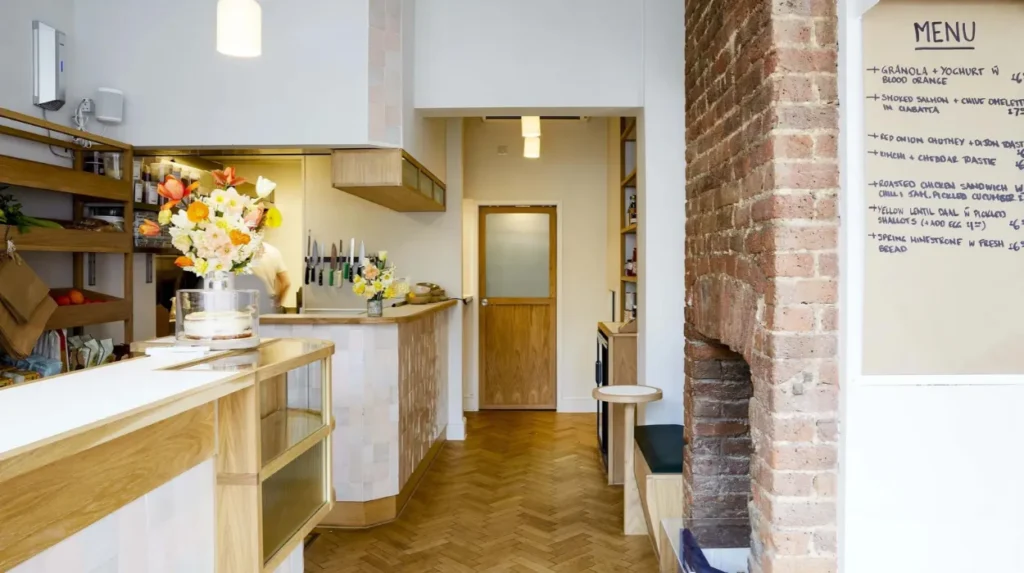
Mae + Harvey is an independent café at 414–416 Roman Road. Its breakfast and brunch offering makes it a suitable stop for visitors exploring the high street.
Mono London at 535 Roman Road provides another neighbourhood coffee and food option. Its location makes it convenient for people visiting the market.
Café East at 426 Roman Road is another established local café destination, associated with breakfast and brunch dishes.
These businesses demonstrate how Roman Road’s food offer extends beyond traditional market trading. Visitors should check individual opening hours because cafés do not necessarily follow the market’s three-day schedule.
Can Visitors Experience Traditional East End Food?
Roman Road retains connections with traditional East London food culture. Pie and mash, jellied eels and other historic working-class food traditions form part of the wider East End’s culinary heritage.
G. Kelly is associated with the area’s traditional pie and mash culture. The business represents a long-established food tradition that developed around London’s working-class communities.
Traditional East End dishes provide historical context to the market. They also demonstrate how local food businesses preserve established culinary practices while serving contemporary customers.
Which Independent Shops Can Visitors Discover Along Roman Road?
Roman Road’s permanent high-street businesses complement its outdoor market through independent retail, specialist shops, cafés and creative businesses. These premises provide visitors with additional opportunities to explore local products, discover neighbourhood services and support independent East London traders.
The high street is an important part of the overall visitor experience. The market provides temporary trading spaces, while permanent businesses maintain commercial activity throughout the week.
Independent businesses also help preserve the distinctive identity of the neighbourhood.
Which Historic Shops Reflect Roman Road’s Commercial Heritage?
Some of Roman Road’s businesses have operated through multiple generations. Their continued presence connects modern shopping with the commercial history of Bow.
The London Museum documents Abbot’s Interiors as a family-run business with more than 130 years of history. It identifies the business as one of the area’s oldest surviving traders. London Museum
Other established businesses include Thompson’s DIY, Sew Amazing and Dennington’s florist. These shops demonstrate the importance of specialist retailers in maintaining a traditional high street.
Visitors can discover these businesses while walking along Roman Road rather than limiting their exploration to the designated market stalls.
Where Can Visitors Find Books and Creative Businesses?
Bàrd Books combines independent bookselling with a café and events space.
Its location illustrates the changing character of Roman Road’s retail environment. Independent bookshops and creative businesses provide alternatives to conventional shopping and create spaces for community activity.
Visitors interested in literature, independent publishing and neighbourhood culture can include such businesses in a wider Roman Road walking route.
Why Are Independent Shops Important to the Local Economy?
Independent retailers contribute to the economic diversity of East London high streets. They provide specialist products, local employment and services that larger retail chains do not always supply.
Their presence also supports the wider market economy. Visitors who purchase food, books, clothing or household goods contribute to the area’s commercial activity.
For travellers, independent shops offer a closer understanding of how local neighbourhoods function beyond their major attractions.
Which Surrounding East London Streets Should Visitors Explore?
The streets surrounding Roman Road Market provide access to additional shopping areas, residential architecture, local food businesses and neighbourhood landmarks. St Stephen’s Road, Parnell Road and nearby streets help visitors understand the wider commercial and residential character of Bow.
Roman Road functions as the main commercial corridor. Its surrounding streets connect the market with residential areas, community facilities and nearby destinations.
Exploring beyond the main trading area gives visitors a broader understanding of Bow.
What Can Visitors Discover Along St Stephen’s Road?
St Stephen’s Road is directly connected with the market’s food and trading environment. The council identifies its court area as a location for bread, pastries and hot food.
The street also provides an opportunity to explore the relationship between the outdoor market and the surrounding high street.
Visitors can use this area as a convenient stopping point for refreshments before continuing along Roman Road.
What Makes Parnell Road Important to the Neighbourhood?
Parnell Road forms part of the local street network connecting the Roman Road market area with Old Ford and surrounding residential streets.
The surrounding area provides a different perspective from the main commercial corridor. Visitors encounter everyday residential buildings, local transport connections and smaller neighbourhood streets.
Walking through these streets helps explain how Roman Road serves a wider community rather than operating exclusively as a tourist attraction.
Why Should Visitors Explore Gladstone Place and the Market’s Side Streets?
Gladstone Place is part of the market’s wider trading geography. Tower Hamlets’ planning documentation identifies the main market trading area between St Stephen’s Road and Gladstone Place. doc
These side streets help define the physical layout of the market. They also provide useful reference points for visitors navigating the commercial area.
The surrounding street network demonstrates how traditional markets integrate with permanent shops and residential neighbourhoods.
What Historical and Cultural Attractions Are Near Roman Road Market?
Roman Road Market sits within a historically significant East London neighbourhood with connections to Victorian commerce, working-class communities, political activism and music culture. Nearby heritage buildings, historic churches and local landmarks provide additional context for visitors exploring Bow.
Bow’s history extends beyond the market itself. Its streets preserve evidence of London’s industrial expansion, housing development, community organisation and changing cultural identity.
The neighbourhood also played a role in important social and political movements.
What Is the Connection Between Roman Road and the Suffragette Movement?
Roman Road has connections with the history of women’s political activism in East London.
The London Museum documents the involvement of local women in campaigning and community activity. The East End was an important setting for working-class political organisation during the early twentieth century.
Sylvia Pankhurst was a prominent campaigner associated with East London. Her work included supporting working-class women and establishing community initiatives.
The newspaper The Woman’s Dreadnought, associated with the East London suffrage movement, reflects the political activity of the period.
These connections give Roman Road a significance beyond its commercial history. London Museum
What Is the Connection Between Bow and Grime Music?
Bow has a recognised connection with the development of grime music, a British electronic music genre that emerged in East London during the early 2000s.
Artists including Wiley and Dizzee Rascal grew up in Bow and became influential figures in the genre.
The London Museum records the importance of Rhythm Division, a former Roman Road record shop, as a meeting place for local music enthusiasts and grime pioneers. The shop closed in 2010. London Museum
This musical history demonstrates how neighbourhood businesses can become part of wider cultural movements.
Which Historic Buildings Can Visitors See Around Bow?
The wider neighbourhood contains historic religious and civic buildings that reflect Bow’s architectural development.
St Paul’s Church, Bow, is an important historic landmark associated with the area. Its architectural and religious history forms part of the wider heritage of East London.
St Stephen’s Church and nearby historic buildings also contribute to the area’s established streetscape.
Visitors interested in architecture should examine the relationship between older buildings, traditional shopfronts and newer residential developments.
How Can Visitors Combine Roman Road Market With Victoria Park?
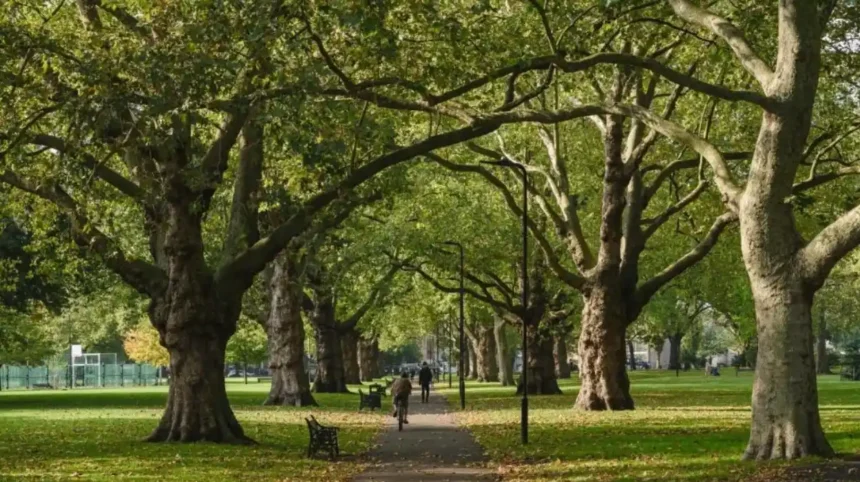
Victoria Park is one of the most important green spaces near Roman Road Market. Located north of Bow, it offers visitors landscaped gardens, lakes, walking paths and recreational facilities, making it a practical addition to a market shopping trip.
Victoria Park is a historic public park covering approximately 86 hectares. It opened in 1845 and provides a major recreational space for East London.
The park attracts walkers, cyclists, families and visitors interested in outdoor activities. Its combination of open lawns, water features and historic landscape elements creates a contrast with the busy commercial streets of Bow.
What Can Visitors Do at Victoria Park?
Visitors can explore several features within the park:
- Parkland and gardens: Open green spaces, planted areas and landscaped paths.
- Water features: Lakes and ponds supporting local wildlife.
- Walking routes: Paths suitable for casual walks and longer recreational visits.
- Historic landmarks: The park contains heritage structures and landscape features.
- Recreational facilities: Sports areas and children’s play facilities.
Victoria Park also hosts public events and seasonal activities. Visitors should check event arrangements before planning a visit.
How Can Visitors Walk Between Roman Road and Victoria Park?
The market and Victoria Park are close enough to combine in one outing. Visitors can walk north from Roman Road towards the park’s southern approaches.
The precise walking distance depends on the market entrance and the chosen park entrance. Allow approximately 10–20 minutes for a straightforward walk, depending on the route.
The journey provides an opportunity to explore the residential streets connecting Bow with the park.
What Other Green Spaces Are Near Roman Road Market?
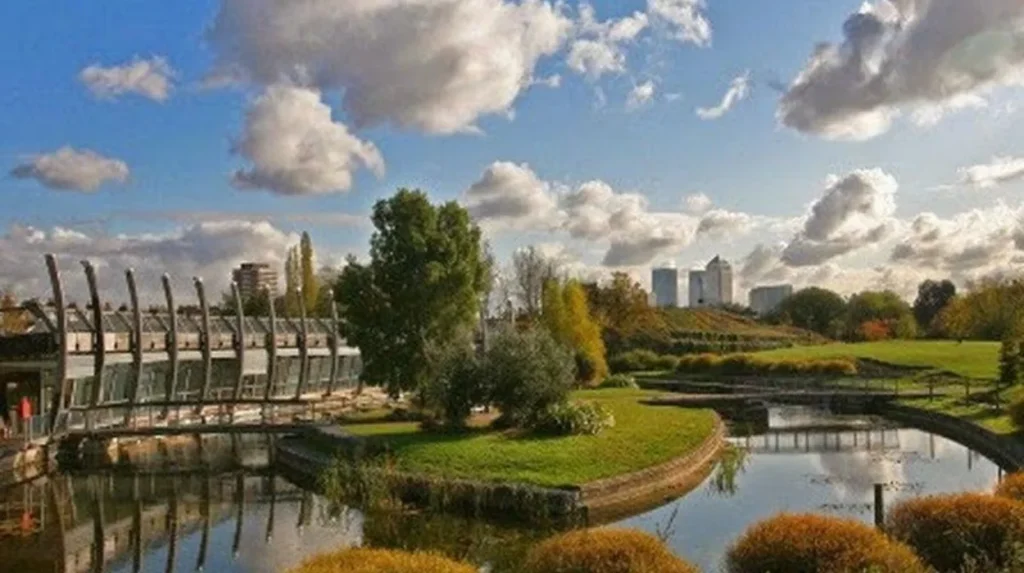
Roman Road connects visitors with several East London green spaces, including Mile End Park and Victoria Park. These destinations provide walking routes, outdoor recreation and opportunities to experience the relationship between residential neighbourhoods and public landscapes.
Green spaces form an important part of Bow’s surroundings. They offer opportunities to extend a shopping visit into a longer neighbourhood exploration.
Why Is Mile End Park Worth Visiting?
Mile End Park is a linear public park running through East London. It provides walking and cycling routes, landscaped spaces and recreational facilities.
Its location makes it a useful destination for visitors travelling between Roman Road, Mile End and the surrounding neighbourhoods.
The park also provides access to the Regent’s Canal environment, where visitors can explore waterside paths and observe the area’s historic transport infrastructure.
How Does the Regent’s Canal Connect With Bow?
The Regent’s Canal is an important part of London’s nineteenth-century transport heritage. It opened in 1820 and connected the Paddington area with the River Thames at Limehouse.
The canal network supported the movement of goods into London’s commercial districts. Today, its towpaths provide walking and cycling routes.
Visitors exploring Mile End Park can incorporate sections of the canal into a wider East London itinerary.
How Can Tourists Reach Roman Road Market?
Roman Road Market is accessible through several London Underground, Docklands Light Railway and bus connections. Bow Road, Bow Church and Mile End provide useful transport options, while local bus services stop close to the market’s commercial area.
The market’s postcode is E3 5ES. Visitors travelling from other parts of London can use public transport to reach Bow and continue on foot.
Which Underground Stations Are Closest?
The main nearby transport stations include:
- Bow Road: Served by the District and Hammersmith & City lines.
- Mile End: Served by the Central, District and Hammersmith & City lines.
- Bow Church: A Docklands Light Railway station providing connections across East London.
Bethnal Green is another useful station for visitors approaching the wider area.
Which Bus Routes Serve Roman Road?
Local buses provide additional access to the market. Routes serving the area include 8, 276, 277, 339, 425 and 488.
Tower Hamlets’ visitor information also identifies routes 8, 276 and 488 as services stopping at Roman Road Market.
Bus travel is useful for visitors connecting Roman Road with other East London neighbourhoods.
Is Parking Available Near Roman Road Market?
Limited parking facilities are available around the neighbourhood. Tower Hamlets Council identifies designated one-hour free parking spaces for Saturday market visitors, subject to booking through RingGo or the telephone number displayed on the parking signs.
The council lists 22 spaces for Saturday market parking. Availability and restrictions should be checked before arrival. towerhamlets.gov.uk
Public transport is generally a convenient option for visitors travelling to the market.
Is Roman Road Market Suitable for Families and International Visitors?
Roman Road Market provides a neighbourhood shopping experience suitable for visitors interested in everyday East London culture. Families can explore food stalls and nearby green spaces, while international visitors can discover traditional trading practices, independent businesses and local heritage.
The market’s outdoor layout allows visitors to browse different stalls at their own pace. Its combination of food, clothing and household goods provides several points of interest for different age groups.
What Can Families Do Around Roman Road?
Families can combine market browsing with a visit to Victoria Park or Mile End Park.
Children can experience the variety of an outdoor market, observe traditional trading and enjoy food stops. Nearby parks provide additional recreational opportunities.
Families should allow time for walking between the market and outdoor attractions rather than treating the visit as a single shopping activity.
Can International Tourists Experience Authentic East London Culture?
Roman Road provides insight into the commercial and social character of an established East London neighbourhood.
Visitors can explore independent businesses, traditional food establishments and historic streets without limiting their experience to major tourist landmarks.
The market also reflects the area’s changing population. Its shops and food businesses demonstrate the influence of different communities on contemporary East London commerce.
Is Roman Road Suitable for Visitors Interested in Photography?
The market provides several opportunities for street and architectural photography. Visitors can photograph traditional shopfronts, market displays, street activity and surrounding residential architecture.
Victoria Park and Mile End Park offer additional landscape photography opportunities.
Photographers should respect traders, customers and residents. Permission should be obtained before taking close-up photographs of identifiable individuals or private business activities.
Can Digital Nomads and Business Travellers Spend Time Around Roman Road?
Roman Road offers independent cafés, coffee businesses and neighbourhood amenities that support short working breaks between sightseeing activities. Digital nomads and business travellers can combine local exploration with informal work sessions, subject to individual venue facilities and availability.
The high street’s cafés provide alternatives to working exclusively from hotels or large commercial centres.
Visitors seeking a temporary workspace should check seating arrangements, Wi-Fi availability, charging facilities and individual café policies before settling in.
Which Local Cafés Are Suitable for a Short Work Break?
Independent cafés provide places to enjoy refreshments while exploring the neighbourhood.
Mono London is located at 535 Roman Road and provides a neighbourhood coffee and food setting.
Bàrd Books at 341–343 Roman Road offers a bookshop and café environment, with events also forming part of its identity.
These venues provide opportunities for informal breaks. Visitors should not assume that every café offers dedicated coworking facilities, unrestricted laptop use or reliable power sockets.
What Makes Roman Road Useful for Business Travellers?
Roman Road provides convenient access to Bow, Mile End and surrounding East London destinations. Its local food businesses, transport connections and independent shops make it suitable for filling gaps between appointments.
Business travellers can also use nearby parks for outdoor breaks.
The area’s neighbourhood character provides an alternative to spending all available time in central London shopping districts or business centres.
Explore More Area Guide
A Visitor’s Guide to Victoria Park’s Tower Hamlets Entrance
Shadwell, East London: Riverside Walks and Historic Places
How Can Visitors Plan a Complete Roman Road Market Walking Route?
A Roman Road walking itinerary can combine the traditional street market, independent shops, local cafés and nearby public parks. Allow approximately two to four hours for shopping and refreshments, with additional time for exploring Victoria Park or Mile End Park.
What Is a Practical Market and Neighbourhood Itinerary?
A straightforward visit can follow this sequence:
First: Explore Roman Road Market.
Start at the main market trading area. Browse clothing, jewellery, household products and food stalls. Allow time to compare products and explore the different sections.
Second: Explore the independent high street.
Walk along Roman Road and visit established shops, specialist retailers and independent businesses. Include a bookshop or bakery if these match your interests.
Third: Stop for local food.
Choose a café, bakery or market food stall. This provides an opportunity to experience the neighbourhood’s everyday food culture.
Fourth: Walk towards Victoria Park.
Continue north towards the park for an outdoor break. Explore its pathways, landscaped areas and recreational spaces.
Fifth: Extend the visit towards Mile End.
Visitors with additional time can explore Mile End Park and sections of the Regent’s Canal.
How Much Time Should Visitors Allow?
The amount of time depends on shopping interests and the number of attractions included.
A short market visit requires approximately one hour. A fuller shopping and food experience generally requires two to three hours. Adding Victoria Park and Mile End Park creates a longer half-day itinerary.
Visitors should also account for transport connections and individual business opening times.
How Does Roman Road Market Contribute to East London’s Future?
Roman Road Market remains an important part of Bow’s local identity because it combines traditional trading with independent retail and neighbourhood services. Its future depends on supporting traders, attracting visitors, maintaining market facilities and adapting to changing shopping habits.
Traditional markets face commercial challenges associated with online shopping, changing consumer expectations and competition from larger retail centres.
Roman Road operates within a changing East London retail environment. Westfield Stratford City, established shopping streets and online retailers create alternative destinations for consumers.
However, traditional markets offer a different commercial experience through direct interaction with traders, physical product browsing and neighbourhood connections.
Why Is Supporting Independent Market Traders Important?
Independent traders contribute to the local economy by providing goods, services and employment.
Market stalls also provide accessible commercial opportunities for smaller businesses. Tower Hamlets Council manages and supports street trading across the borough, including licensing and opportunities for new traders.
Supporting local businesses helps maintain the diversity of the high street.
How Is Roman Road Adapting to Changing Shopping Habits?
The future of Roman Road depends on maintaining its traditional retail identity while responding to contemporary customer expectations.
Visitors increasingly combine shopping with food, leisure and cultural experiences. Independent cafés, specialist shops and neighbourhood events contribute to this wider high-street offer.
The market also benefits from its relationship with nearby green spaces and cultural destinations.
These connections create opportunities for longer visitor itineraries and increased local spending.
Why Does Roman Road Matter to East London’s Cultural Identity?
Roman Road represents an important part of East London’s neighbourhood heritage. Its commercial history, independent businesses and connections with political and musical movements give the street wider cultural significance.
The market continues to provide a setting where visitors encounter everyday urban life rather than a purpose-built tourist attraction.
Its importance extends beyond shopping. Roman Road connects the history of Bow with its contemporary businesses, residential communities and public spaces.
For visitors exploring East London, Roman Road Market offers an opportunity to understand how traditional street trading remains part of London’s modern neighbourhood economy.
Where is Roman Road Market located?
Roman Road Market is located on Roman Road in Bow, within the London Borough of Tower Hamlets, East London. Its postcode is E3 5ES.