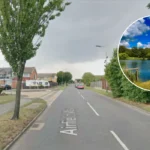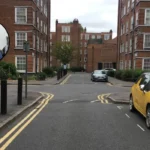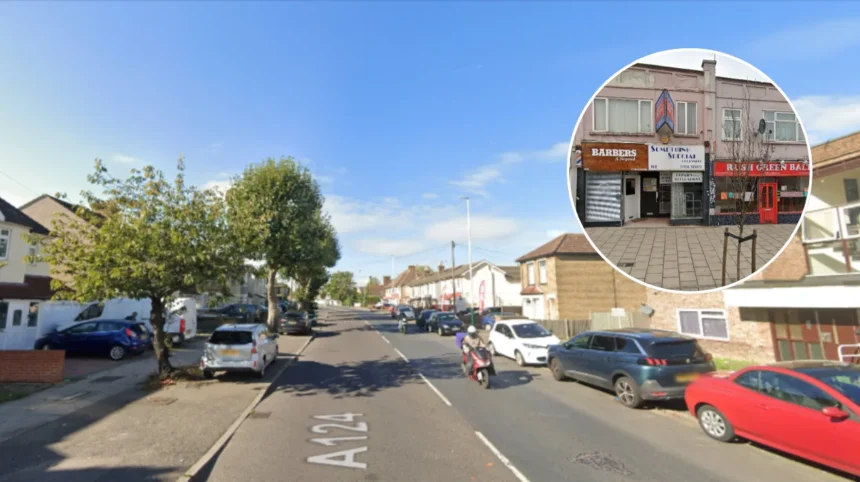
Rush Green in the London Borough of Havering offers a serene escape blending rural heritage with suburban charm in East London. This evergreen neighborhood captivates locals with its rich history, lush green spaces, and tight-knit community spirit.
- Rush Green’s Ancient Roots
- Cemetery and Early Infrastructure
- Rise of Rush Green Hospital
- Interwar Housing Boom
- Post-War Community Growth
- Green Spaces and Nature
- Modern Residential Appeal
- Schools and Education
- Shopping and Daily Essentials
- Dining and Pub Culture
- Transport Links
- Cultural and Historical Sites
- Community Events and Spirit
- Sports and Fitness
- Property Market Insights
- Living in Rush Green: Pros and Cons
- Future Prospects
- Why Rush Green Endures
Rush Green’s Ancient Roots
Rush Green began as a humble hamlet noted in records from 1651, named after the rushes growing abundantly on its expansive common. Small farms and scattered dwellings defined the landscape until the late 19th century, maintaining a peaceful rural character amid London’s outward expansion. By the 1700s, Rushey Green served as a rush-filled common edged by modest homes, far removed from urban pressures.
Cemetery and Early Infrastructure
The Romford burial board opened a cemetery on Crow Lane in 1871 to ease overcrowded church graveyards, establishing Rush Green as a vital regional service point. This Victorian initiative highlighted forward-thinking public health measures. In 1885, the Birkbeck estate introduced the area’s first planned streets—West Road, Wolseley Road, Grosvenor Road, and Birkbeck Road—featuring sturdy terraces that formed the blueprint for residential growth.
Rise of Rush Green Hospital
Rush Green Hospital launched in 1900 as an isolation facility for Romford, Dagenham, and Hornchurch to combat infectious diseases during public health crises. Following the Becontree estate’s massive development, it grew into a comprehensive general hospital serving the expanding population until its eventual closure. The site now supports modern housing and community uses, echoing its legacy in healthcare and suburban evolution.
Interwar Housing Boom
In the 1920s, Romford Council built affordable homes targeting working-class families amid London’s acute housing shortage. These durable semi-detached houses and terraces became Rush Green’s residential backbone, providing stability during rapid urbanization. The nearby Becontree estate fueled demand, converting farmland into welcoming family neighborhoods and cementing the area’s reputation as a resilient working-class haven.
Post-War Community Growth
A mission hall appeared in 1946, paving the way for St Augustine’s Church, which opened in 1958 on Birkbeck Road with its distinctive brown-brick architecture. Gaining full parish status that year from parts of Romford, Dagenham, and Hornchurch, it unified a diverse local flock. These mid-century structures symbolize post-war rebuilding and optimism, anchoring the neighborhood’s spiritual and social life.
Green Spaces and Nature
The namesake Rush Green remains a cherished recreational spot perfect for picnics, leisurely strolls, and dog walking. Surrounding parks like nearby Raphael Park amplify its allure for nature enthusiasts in Havering. The low-rise development preserves open vistas and greenery, a rarity in East London, allowing residents vital access to fresh air, wildlife, and mental rejuvenation.
Modern Residential Appeal
Rush Green flourishes today as a quiet residential area southwest of Romford, featuring semi-detached homes and flats ideal for families and commuters. Elizabeth line access at Romford station enables swift 30-minute trips to central London. Affordable property prices compared to broader East London draw first-time buyers seeking value, comfort, and convenience.
Schools and Education
Rush Green Primary School stands out with strong Ofsted ratings, prioritizing inclusive education for local children. Nearby secondary schools in Romford, such as Bower Park Academy, offer solid progression options. The neighborhood’s family-oriented vibe shines through its educational focus, with small class sizes helping students thrive despite urban challenges.
Shopping and Daily Essentials
Rush Green Road hums with independent shops including butchers, grocers, and takeaways fulfilling everyday needs. Romford Market, just a short walk away, provides fresh produce, crafts, and variety. Convenience stores and traditional pubs like The Russett Arms create a neighborly atmosphere, bolstering the local economy without relying on large chains.
Dining and Pub Culture
The Russett Arms pub delights with classic dishes, local ales, and a warm ambiance perfect for unwinding. Cafes along Rush Green Road serve hearty British fare alongside international options. Hornchurch’s broader scene, accessible by bus, includes Italian and Indian eateries, while pub quizzes and gatherings strengthen community ties.
Transport Links
Reliable bus services link directly to Romford station on the Elizabeth line for efficient City commutes. Cycling routes connect to Queen’s Hospital and Gidea Park, promoting eco-friendly travel. Low-traffic roads suit families, with upcoming Crossrail enhancements poised to improve connectivity further.
Cultural and Historical Sites
St Augustine’s Church hosts community events while preserving its 1950s heritage. The Crow Lane cemetery provides tranquil walks dotted with historical markers. Havering Archives in Romford uncover tales of ancient farmsteads and moated houses, with occasional guided tours revealing hidden stories.
Community Events and Spirit
Yearly fetes on the green feature stalls, music, and fireworks, drawing residents together in celebration. Church halls buzz with clubs for all ages, from youth groups to seniors. Neighborhood watches and clean-up drives reflect deep local pride, embodying Rush Green’s enduring communal ethos.
Sports and Fitness
Local playing fields support football and cricket matches, fostering grassroots sports. Gyms like PureGym in Romford offer modern facilities nearby. Walking and jogging trails through the green and Raphael Park’s lake paths encourage active lifestyles and social bonds.
Property Market Insights
Rush Green attracts budget-savvy buyers with three-bedroom semis typically priced from £400,000 to £500,000, well below London averages. Rental options around £1,200 monthly appeal to sharers and young professionals. Low crime rates and quality schools fuel steady demand, making it a smart choice for investors eyeing long-term growth.
Living in Rush Green: Pros and Cons
Rush Green excels with affordable homes, abundant green spaces, robust community feel, and easy Romford transport links. On the downside, nightlife options are limited, major shopping requires a car or bus, and minor flooding risks occur occasionally. It suits families craving East London affordability minus central hustle.
Future Prospects
Havering’s regeneration plans emphasize sustainable development while protecting green belts to maintain Rush Green’s character. Enhanced cycling networks and potential HS2 connections signal exciting growth. Locals actively preserve historical elements, ensuring the area’s timeless appeal persists.
Why Rush Green Endures
From medieval rush commons to contemporary suburbia, Rush Green captures East London’s resilient essence. Its layered history, natural beauty, and welcoming vibe make it an everlasting haven for residents and newcomers alike. Wander its paths, savor pub chats, or relax on the green—Rush Green invites discovery.