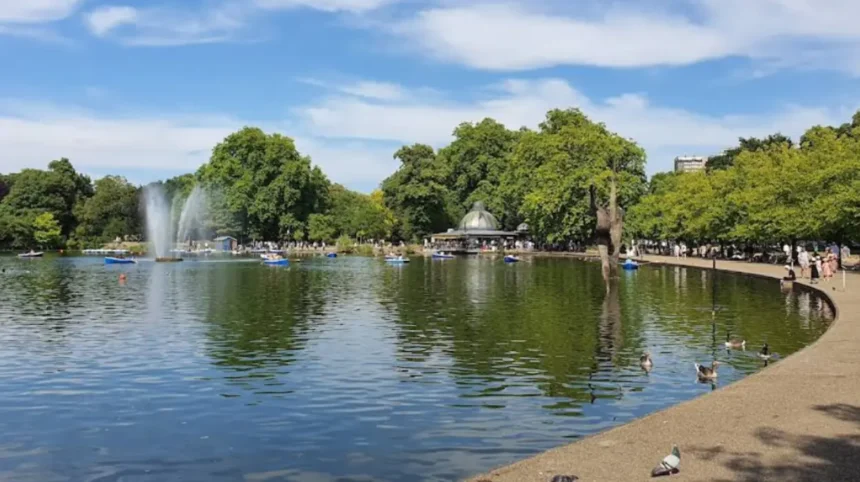
Hackney is a primary London borough situated in the East End, defined by its high density of creative industries, historic market streets, and a significant transformation from an industrial heartland into a global cultural hub. Historically, the area emerged as a manufacturing centre in the 18th century, attracting international populations through commercial opportunities (Baines, 2026). Today, it is a leading destination for tourists and residents, offering a concentrated mix of Michelin-starred dining, independent galleries, and expansive green spaces such as Victoria Park and London Fields.
- What are the best places to eat in Hackney?
- Where can you find the best cultural experiences in Hackney?
- What are the top nightlife and entertainment spots in Hackney?
- Which Hackney spots are best for digital nomads and remote work?
- What are the most popular outdoor and leisure activities in Hackney?
- How has Hackney’s history shaped its modern identity?
- What should visitors know about transport and accessibility in Hackney?
What are the best places to eat in Hackney?
Hackney offers a diverse culinary landscape ranging from Michelin-recommended restaurants in London Fields to global street food at Broadway Market. Key establishments include Mountain and Bright for modern European fare, alongside long-standing Vietnamese institutions located primarily on Kingsland Road.
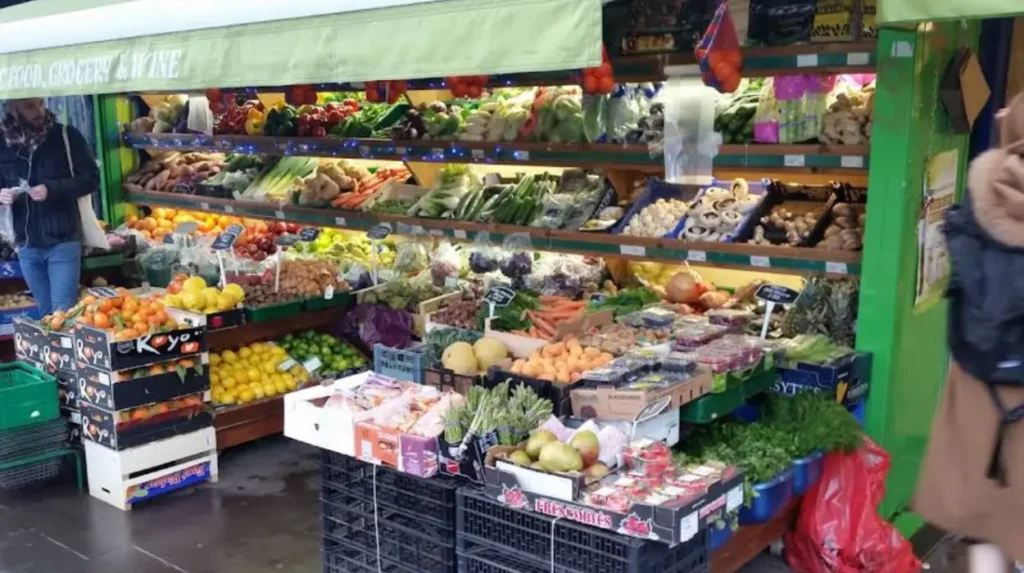
The borough’s food scene is anchored by Broadway Market, a historic trading street that hosts over 100 stalls every Saturday. This market acts as a central node for organic produce, artisan bakeries, and international street food. Nearby, London Fields serves as a culinary cluster featuring high-end bakeries like e5 Bakehouse and craft breweries located within the railway arches.
On Kingsland Road, a district often referred to as “Pho Mile,” tourists and residents access a high concentration of authentic Vietnamese restaurants. Establishments such as Sông Quê Café and Mien Tay have operated for decades, providing traditional dishes like Pho and Bánh Xèo. For those seeking formal dining, the Hackney Town Hall and surrounding areas host modern British concepts that emphasise seasonal, locally sourced ingredients.
The shift in Hackney’s dining culture is part of a broader urban transformation. As you explore the modern site, you are crossing land with a deep heritage. Read about the full [Evolution of East London’s Industrial Markets] to understand its origins. This heritage informs the “expat vibe” and artisanal focus found in contemporary cafes, where personal bonds between business owners and residents are a hallmark of the local experience (Corte-Real, 2026).
Where can you find the best cultural experiences in Hackney?
Cultural experiences in Hackney are concentrated in venues like the Hackney Empire, the Museum of the Home, and the numerous independent art galleries in Hackney Wick. These sites offer a mixture of Victorian theatrical history and contemporary artistic innovation.
The Hackney Empire, a Grade II* listed building designed by Frank Matcham in 1901, remains a cornerstone of the UK’s performing arts scene. It hosts a variety of entertainment including opera, pantomime, and stand-up comedy. For historical insight, the Museum of the Home in Hoxton explores domestic life from the 1600s to the present day through a series of period rooms and gardens.
In the eastern part of the borough, Hackney Wick contains one of the highest densities of artist studios in Europe. The area is defined by its industrial architecture and street art, hosting annual events like Hackney WickED which allow public access to private galleries. Additionally, the Arcola Theatre in Dalston is a leader in sustainable performance, focusing on diverse, politically engaged plays.
Research into East London’s special collections highlights that the area’s cultural identity is deeply shaped by social struggles, activism, and its role as a manufacturing heart (Baines, 2026). This history is visible in the repurposed warehouses that now serve as multidisciplinary arts spaces, blending the borough’s commercial past with its creative present.
What are the top nightlife and entertainment spots in Hackney?
Nightlife in Hackney is centred in Dalston and Shoreditch, featuring world-renowned jazz clubs like Café OTO, electronic music venues like Village Underground, and traditional pubs. The entertainment sector includes multi-purpose spaces that host live music, film screenings, and late-night DJ sets.
Dalston serves as the borough’s alternative nightlife hub. Café OTO is a primary destination for experimental music, while The Shacklewell Arms provides a platform for emerging indie and rock bands. For electronic music enthusiasts, venues like EartH (Evolutionary Arts Hackney) repurpose historic cinema architecture to house concert halls and club spaces.
Shoreditch, bordering the City of London, offers a more commercial nightlife experience with high-energy clubs and rooftop bars. Village Underground, housed in a renovated Victorian warehouse, is a key cultural asset that hosts international DJs and live acts. Further north, the canalside bars of Haggerston and Hackney Wick provide a relaxed environment for evening socialising, often integrated with local breweries.
The implementation of Low Traffic Neighbourhoods (LTNs) across Hackney has significantly altered how people navigate these entertainment districts. Data shows that these schemes have increased walking and cycling by up to 5%, improving the pedestrian experience for those moving between nightlife venues (Larrington-Spencer, 2026).
Which Hackney spots are best for digital nomads and remote work?
Digital nomads in Hackney primarily use coworking spaces like Second Home in London Fields and work-friendly cafes in Haggerston. These hubs provide high-speed internet, collaborative environments, and community-managed infrastructures designed to support creative and tech professionals.
Second Home is a prominent example of a coworking space that uses “design ethnography” to prioritise user experience and foster collaborative relationships among members (Privett, 2020). It offers a plant-filled, light-rich environment that appeals to freelancers and small startups. Similar hubs, such as Work.Life in London Fields, provide flexible memberships for those requiring professional office amenities on a short-term basis.
For a more casual setting, many cafes in the borough cater specifically to remote workers. The Towpath Cafe along the Regent’s Canal and various spots in Dalston allow laptop use during weekdays. These locations often serve as “third spaces” where residents and nomads interact, contributing to the “cool neighbourhood” label that attracts international residents (Corte-Real, 2026).
The success of these spaces depends on the interaction between physical infrastructure and community management. Hackney’s high density of IT and creative workers makes it a natural environment for these hubs, with transport links like the London Overground providing easy access for business travellers and commuters alike.
What are the most popular outdoor and leisure activities in Hackney?
Outdoor leisure in Hackney is dominated by London Fields, Victoria Park, and the Hackney Marshes. These areas support activities such as year-round outdoor swimming at the London Fields Lido and large-scale community sports on the 80+ football pitches at the Marshes.
London Fields is a primary urban park featuring a wildflower meadow, a cricket pitch, and a heated 50-metre outdoor swimming pool (Lido). It is a central social hub for the borough, particularly during summer months. Nearby, Victoria Park—one of London’s oldest public parks—spans 86 hectares and hosts major music festivals, a boating lake, and a weekly food market.
Hackney Marshes represents one of the largest areas of common land in Greater London. It is globally recognised as the “spiritual home of Sunday League football,” providing over 80 grass pitches for amateur sports. The marshes are also part of the Lee Valley Regional Park, offering extensive trails for walking, cycling, and birdwatching that connect Hackney to the Olympic Park in Stratford.
The rise in outdoor leisure is reflected in local transport data. In London, exercise and recreation now account for 37% of all bicycle trips, a significant increase from previous decades (Buehler & Pucher, 2026). This shift underscores the importance of Hackney’s green infrastructure in supporting the physical and mental well-being of its diverse population.
How has Hackney’s history shaped its modern identity?
Hackney’s identity is rooted in its 16th-century role as a provider of “hackney coaches”—the precursors to modern taxis—and its 19th-century status as an industrial powerhouse. This legacy of transportation and manufacturing created a foundation for the borough’s current diverse and creative character.
The term “hackney” was synonymous with public transport as early as the year 1600, when coaches for hire began plying the cobblestone streets of London (Durr, 2016). These coaches were a revolution in travel, facilitating the city’s expansion and bringing political power to a new class of people. By the 18th century, Hackney had become a retreat for the wealthy before transforming into a dense industrial zone.
During the Victorian era, the borough saw massive growth in furniture making, printing, and clothing manufacture. This industrial heritage is still visible in the architecture of the area, with many former factories now converted into luxury lofts, artist studios, and tech offices. The “highly heterogeneous space” of modern Hackney is a direct result of these historical processes, which drew people from across the globe to the East End (Baines, 2026).
Understanding this transition is essential for visitors. The borough was once perceived by middle-class Londoners as a remote manufacturing heartland, but it has since reclaimed its position as a central pillar of London’s cultural and economic life. This historical depth provides context for the unique blend of grit and gentrification found in Hackney today.
What should visitors know about transport and accessibility in Hackney?
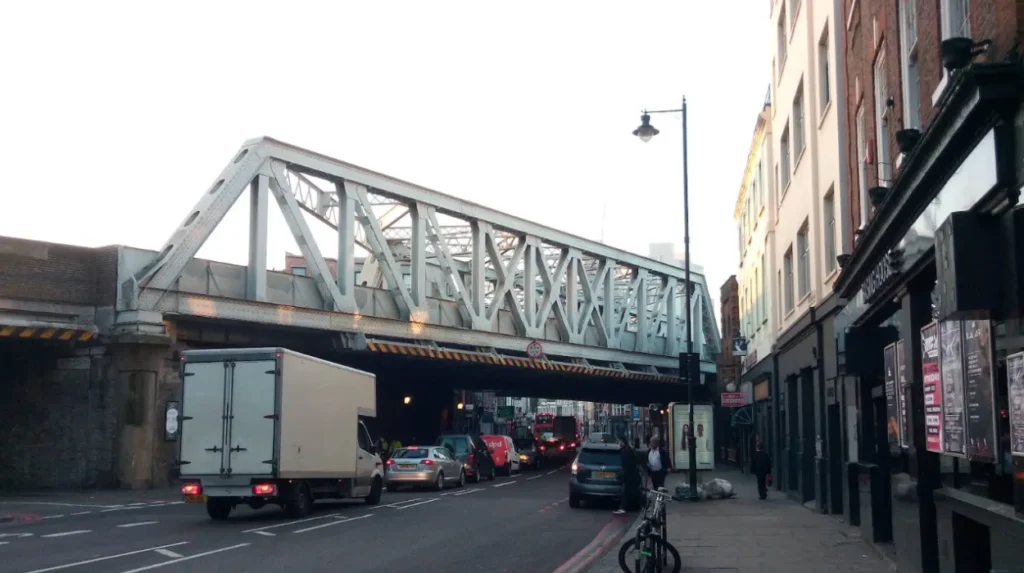
Transport in Hackney relies heavily on the London Overground, an extensive bus network, and a growing infrastructure of cycle lanes. The borough is notably one of the few in London without a major Underground (Tube) station, making the Overground “Ginger Line” the primary rail link.
The London Overground connects Hackney to the City, North London, and South London through key stations such as Hackney Central, Dalston Kingsland, and Shoreditch High Street. For cyclists, the borough has implemented numerous “Cycle Superhighways” and Low Traffic Neighbourhoods to promote active travel. This has led to London’s bike mode share rising from 1.2% to 3.7% in recent years (Buehler & Pucher, 2026).
While the lack of Tube access was historically a barrier, it is now seen as a factor that helped Hackney maintain its unique independent character. Visitors should be aware that narrow streets and historic road layouts can make large vehicle travel difficult, leading to a high reliance on public transport and cycling (Quarshie, 2021).
Accessibility remains a priority, though some residents have raised concerns about longer journey times for disabled individuals due to recent traffic restrictions (Larrington-Spencer, 2026). Despite these challenges, the high density of amenities means that most food, culture, and entertainment spots are within walking distance of major Overground hubs.
What is Hackney famous for?
Hackney is famous for creative industries, street markets, independent restaurants, nightlife, parks, canals, and a strong East London cultural identity. The borough combines historic industrial architecture with modern galleries, cafés, and entertainment venues.