Gidea Park offers a captivating blend of medieval heritage and innovative garden suburb design, making it a cherished corner of East London’s Havering borough. This evergreen exploration uncovers its timeless story, from noble estates to Edwardian homes that continue to enchant residents and visitors alike.
Origins and Early History
Gidea Park’s story begins in the 15th century with Thomas Cooke, a Suffolk merchant and Lord Mayor of London in 1462, who secured a Royal Charter to create a grand country estate called Geddy Hall in the Royal Liberty of Havering-atte-Bower.
The name derived from Old English “ged” for pike fish and “ea” for water, referencing a stocked lake on the property. Cooke’s bold vision faltered amid imprisonments in the Tower of London for alleged treason, leaving the hall incomplete until his great-grandson, Anthony Cooke—tutor to King Edward VI—finished it in the mid-16th century as a sprawling residence amid 150 acres of parkland.
The estate passed through noble families and the Crown, sold in 1657 to Richard Emes for £9,000 before a public auction ahead of Queen Victoria’s 1838 coronation. By the early 20th century, the original hall vanished, replaced by a Georgian mansion that briefly served as Romford Golf Club’s clubhouse until 1930.
Rise of the Garden Suburb
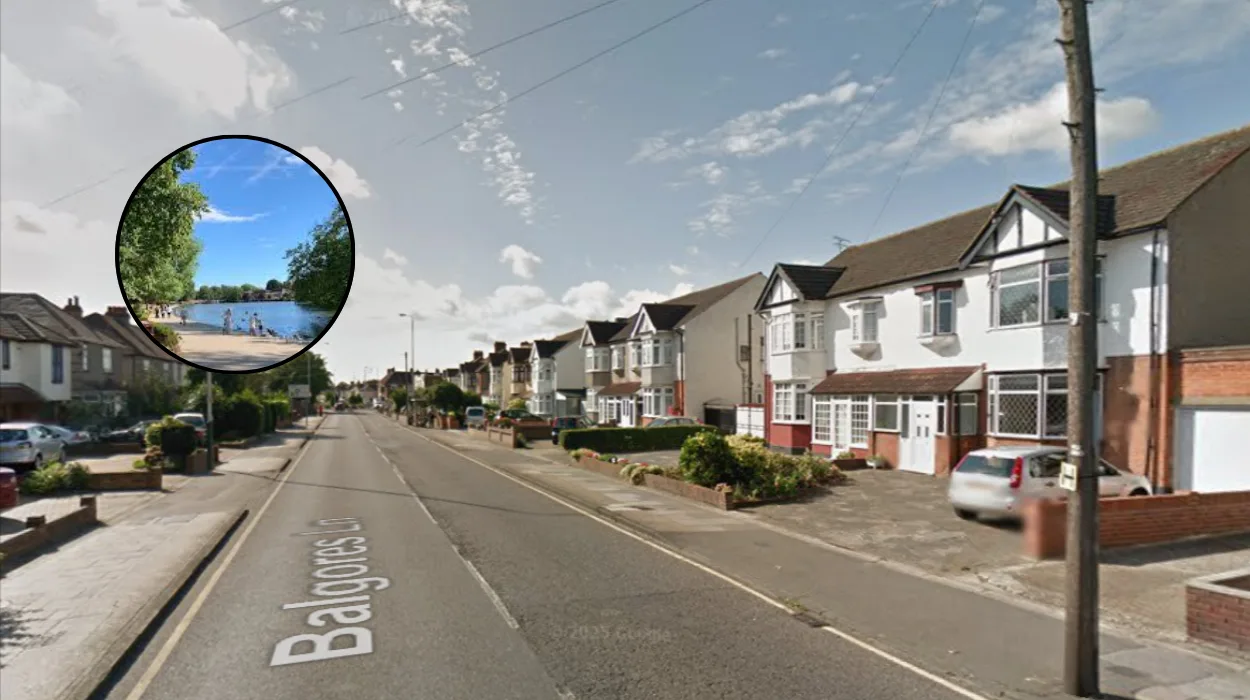
In 1910, Gidea Park transformed into one of Britain’s first garden suburbs through the Romford Urban District Council’s Cheap Cottages Exhibition, which commissioned 100 architects like Raymond Unwin, Richard Barry Parker, and Clough Williams-Ellis to design affordable homes with ample light, air, and greenery. Streets such as Balgores Lane, Squirrels Heath Avenue, and Heath Drive curved gently amid mature trees, rejecting rigid urban grids for Arts and Crafts-inspired cottages priced at £300-£500 for middle-class buyers.
Inspired by Ebenezer Howard’s Garden City principles, the layout fostered self-sufficient communities with allotments and playgrounds, shaping East London’s interwar housing trends and proving suburban ideals could thrive near the capital.
Architectural Highlights
Over 100 distinctive cottages, many Grade II-listed, define Gidea Park’s charm with Tudor Revival and Vernacular styles. Gems include 1-3 Heath Drive by H. Austen Hall, boasting thatched roofs and inglenook fireplaces, alongside The Roothings on Risebridge Road by T. Cutler, merging rustic timbering with cozy interiors. Willow Cottage on Balgores Lane dazzles with pargeted walls and leaded windows, while Homesgarth on Squirrels Heath Avenue showcases Philip Tilden’s playful ship-prow gable.
Havering Council’s conservation efforts preserve oak beams, handcrafted tiles, and verandas, turning the neighborhood into a walkable showcase of Edwardian ingenuity where every home tells a design story.
Transport and Connectivity
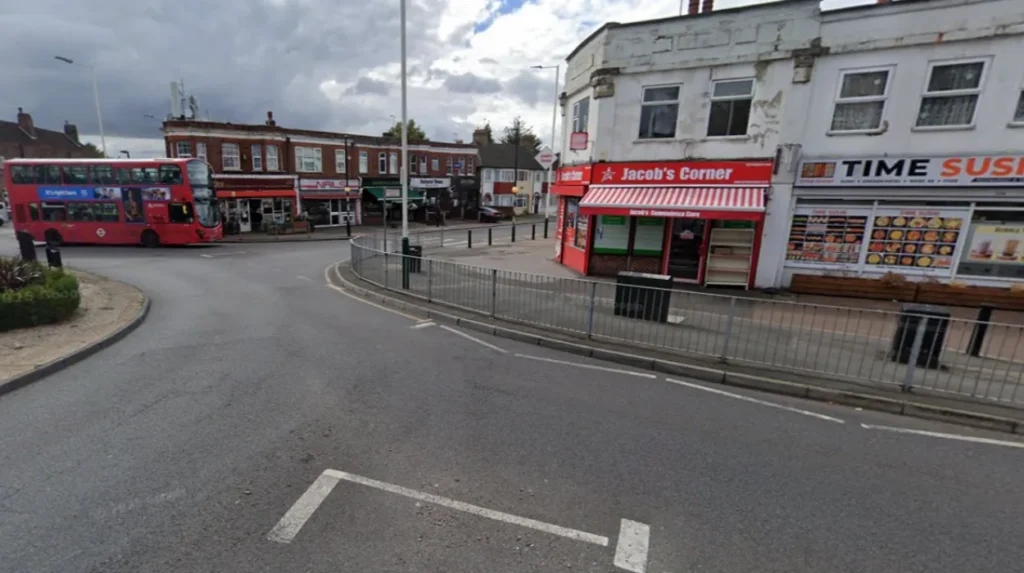
Gidea Park railway station, opened in 1910 as Squirrels Heath & Gidea Park, revolutionized access with its cut-and-cover platforms and footbridge, linking residents to Liverpool Street in under 30 minutes. Elizabeth Line services now whisk commuters to Tottenham Court Road in 20 minutes, complemented by buses to Romford and Hornchurch, plus cycling routes along Main Road and the A127.
Community and Lifestyle
Home to about 11,000 people, Gidea Park pulses with village-like warmth through St. Michael and All Angels Church events and the Gidea Park Festival. Tree-lined avenues blend Edwardian originals with 1930s additions, while amenities like Gidea Park Children’s Centre, Raphael Park’s playgrounds, and top schools such as Nelmes Primary draw families. Low crime and £800,000 average detached home prices attract professionals and downsizers seeking East London’s peaceful edge.
Green Spaces and Recreation
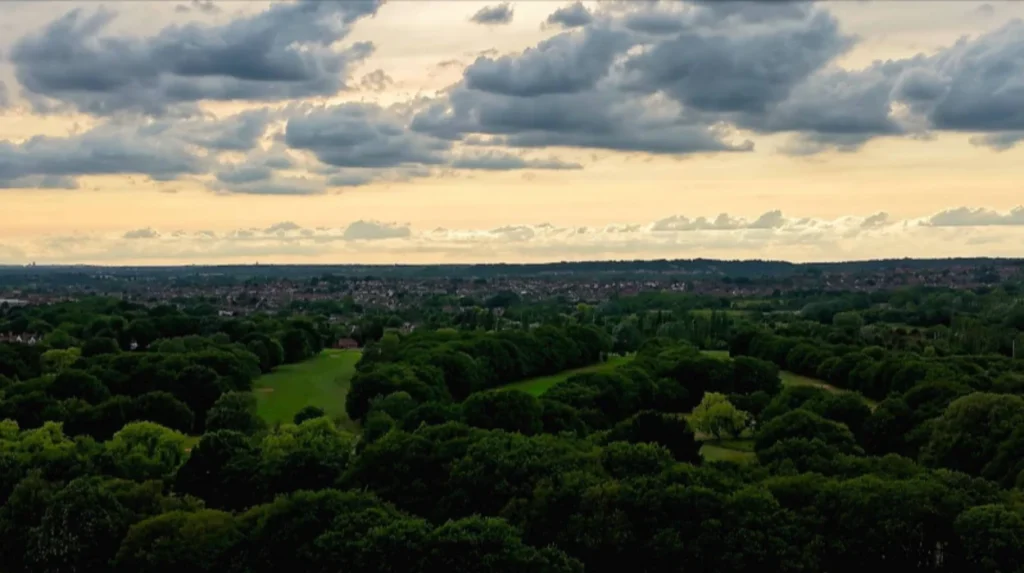
More than 30% green coverage honors the suburb’s roots, with Raphael Park’s 33 acres featuring a boating lake, rose gardens, and cafe trails. Grove Woods offers ancient woodland hikes rich in wildlife, while Romford Golf Club on old Gidea Hall grounds endures since 1930. Allotments and community orchards promote sustainability, from bat boxes to wildflower meadows.
Economy and Modern Development
Once linked to Romford’s markets, Gidea Park now benefits from Liberty Shopping Centre proximity and remote work trends. Post-war bungalows expanded thoughtfully under strict planning that safeguards the core, with rail upgrades and park enhancements driving 15% annual property growth.
Cultural Significance
Pevsner’s Buildings of England praises Gidea Park’s “harmonious ensemble,” tied to Tudor lore like Lady Jane Grey’s rumored studies at the hall. Heritage open days unveil gardens and architect insights, its legacy inspiring modern Havering designs.
Education and Schools
Squirrels Heath Infant and Junior schools earn Ofsted Outstanding ratings with garden-inspired curricula, joined by Bower Park Academy’s sixth form and private Haven Row School options.
Visiting Gidea Park
Begin at the station, wander Balgores Lane’s cottages, relax in Raphael Park, and follow Havering Council’s conservation maps—spring’s blossoms make it magical.
Why Gidea Park Endures
This East London haven proves visionary planning creates lasting havens of history, nature, and belonging for generations.