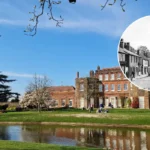
Nestled on a hilltop in the London Borough of Havering, Havering-atte-Bower captivates with its royal heritage and serene countryside charm. This evergreen guide explores its history, attractions, and enduring appeal for East London locals and visitors seeking authentic heritage.
- Ancient Origins and Roman Roots
- Royal Legacy: From Hunting Lodge to Palace
- The Liberty of Havering’s Unique Privileges
- Architectural Treasures and Village Landmarks
- Natural Beauty and Country Park Escapes
- Modern Life in a Historic Setting
- Walking Trails and Outdoor Adventures
- Cultural Events and Traditions
- Why Havering-atte-Bower Endures
Ancient Origins and Roman Roots
Havering-atte-Bower’s story begins in Saxon times, with its name likely derived from a landowner named Hæfer, hinting at early settlement. Archaeological digs in nearby Havering Country Park uncovered Roman pottery, ditches, gullies, metalwork, and cremation burials from excavations in 1972 and 1975, pointing to a Roman villa or industrial site half a mile west of the village.
These finds suggest agricultural and industrial activity in Roman Essex, predating the Saxon era. The area’s elevated position offered strategic views, making it ideal for early inhabitants.
Royal Legacy: From Hunting Lodge to Palace
Edward the Confessor established the first known royal hunting lodge here, evolving into the grand Havering Palace by the Norman Conquest. William the Conqueror claimed the manor, which became the Royal Liberty of Havering, granting locals tax exemptions and judicial autonomy confirmed by Edward IV’s 1465 charter.
Queens consort often held the manor, from Queen Eleanor in 1262 (or 1267) under Henry III to Jane Seymour’s death in 1537, inspiring the “atte-Bower” suffix meaning “at the royal residence.” The palace hosted monarchs until decay during the Commonwealth, with stones later reused in Bower House, built in 1729 and now Grade I listed.
The Liberty of Havering’s Unique Privileges
The Royal Liberty allowed residents their own courts for civil, criminal matters—even death sentences—and annual three-day fairs, free from royal purveyors. This semi-autonomous status persisted until 1892, when an Order in Council merged it fully into Essex under the Liberties Act 1850.
High bailiffs administered justice, with the last receiving a lifelong £3 pension; the coroner transitioned to county employment. This history underscores Havering-atte-Bower’s exceptional status amid East London’s urban sprawl.
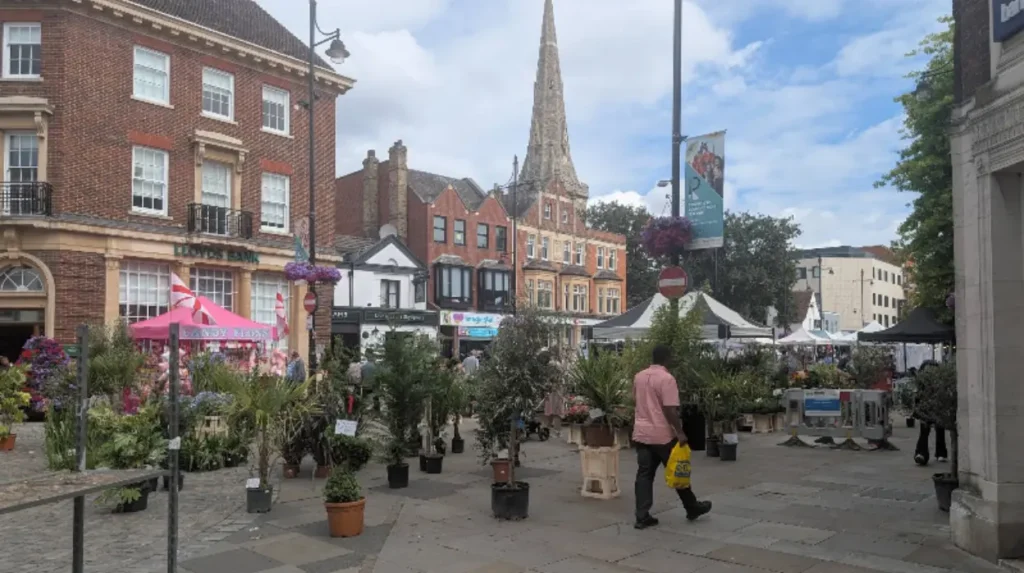
Architectural Treasures and Village Landmarks
St. Andrew’s Church, a 12th-century weatherboarded gem, anchors the village with its ancient yew tree and royal connections. Bower House, incorporating palace remnants, served as a private home, Ford Motor Company training site, and now hosts the Amana Trust evangelical foundation alongside its listed stable block.
The Village School, endowed by Dame Ann Tipping in 1724 for 20 poor children, was rebuilt in 1818 and 1837 with Queen Victoria’s £20 donation. These structures blend seamlessly into the village’s picturesque, extended layout three miles north of Romford.
Natural Beauty and Country Park Escapes
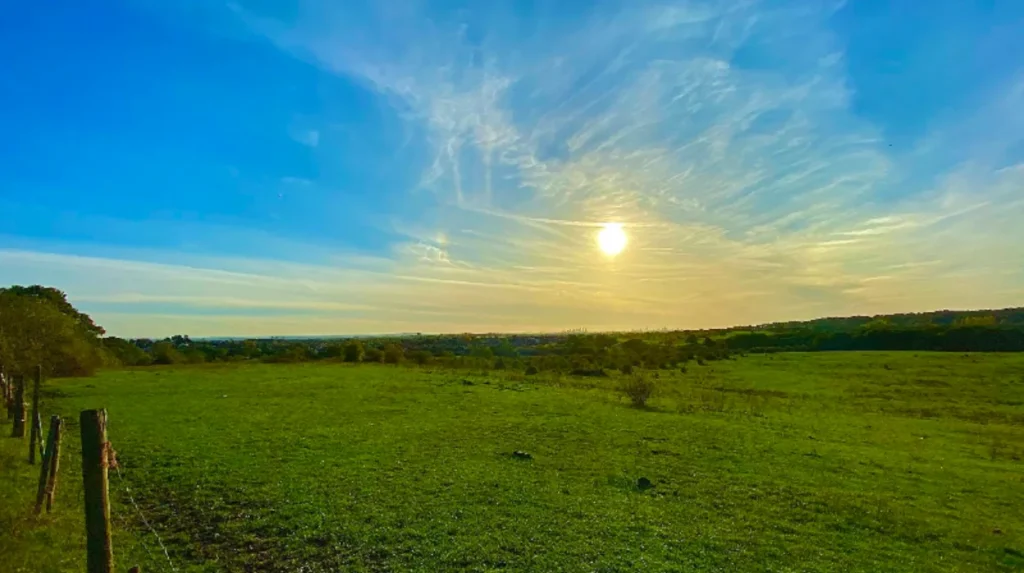
Havering-atte-Bower thrives amid green spaces, with Havering Country Park offering trails through ancient woodland and Roman site views. Bedfords Park, nearby, provides family-friendly walks, a playground, and deer herds, ideal for East Londoners escaping city hustle.
The area’s high ground delivers panoramic vistas over the Thames Estuary, enhancing its rural idyll within Greater London. These parks support biodiversity, with oak woodlands and wildlife drawing nature lovers year-round.
Modern Life in a Historic Setting
Today, Havering-atte-Bower balances heritage with community vibrancy, its population savoring quiet lanes lined with weatherboarded cottages. Local pubs like The Bower pub serve traditional fare, fostering village spirit.
Proximity to Romford offers shopping and transport links via the Elizabeth line, making it commuter-friendly yet retaining countryside feel. Community events, fairs echoing medieval traditions, keep the Liberty’s legacy alive.
Walking Trails and Outdoor Adventures
Explore via the Havering Loop, a circular path weaving through the village, palace site, and parks—perfect for East London ramblers. The Bower to Gubbins Lane trail highlights Roman remains and Saxon history markers.
Cyclists enjoy traffic-light roads to Havering Country Park’s 170 acres, with picnic spots and orienteering courses for families. These routes promote fitness amid timeless landscapes.
Cultural Events and Traditions
Annual fairs revive the Liberty’s three-day privileges, featuring crafts, music, and local produce. St. Andrew’s hosts harvest festivals and Christmas markets, drawing Havering residents.
The Pemberton Rose Garden at Saint Francis Hospice showcases the world’s largest Pemberton rose collection, tying into the area’s horticultural heritage. These events blend history with contemporary community bonding.
Why Havering-atte-Bower Endures
This hilltop haven exemplifies East London’s diverse tapestry—royal pomp amid pastoral peace. Its evergreen allure lies in untouched heritage, accessible nature, and resilient traditions.