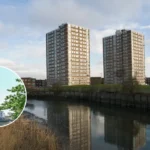
The London Borough of Havering sits as the easternmost part of Greater London, blending suburban charm with expansive green spaces and a rich royal heritage. Spanning 43 square miles with a population of around 262,000, it features Romford as its bustling principal town alongside communities like Hornchurch, Upminster, and Rainham. This Outer London area stands out for its low density, protected Metropolitan Green Belt covering over half its land, and status as one of London’s greenest boroughs at 39.1 square meters of green space per person—nearly double the London average. Residents enjoy a median age of about 40, the oldest in London, with strong employment at 74.6% for ages 16-64, reflecting a stable, family-oriented vibe.
Primarily suburban, Havering balances retail hubs like Romford’s Liberty Shopping Centre with riverside redevelopment in the Thames Gateway. Its name traces to the ancient Royal Liberty of Havering, granting unique privileges for centuries. For East Londoners, Havering offers an escape from urban hustle—perfect for walks, markets, and history hunts that feel timeless.
Royal Roots and Historical Evolution
Havering’s story begins in Anglo-Saxon times around Havering Palace, a royal residence from at least Edward the Confessor’s reign (1042-1066), when it served as one of his key homes. The palace, possibly originating as a 7th-century hunting lodge under Essex King Sigeberht, evolved through Norman rule under William the Conqueror, who seized it post-1066 Battle of Hastings. By 1465, Edward IV formalized the Royal Liberty of Havering, exempting locals from certain taxes, allowing independent courts—even death sentences—and annual fairs, fostering self-governance across parishes like Havering-atte-Bower, Hornchurch, and Romford.
The name “Havering” emerged around the 12th century, tied to a medieval legend of Edward the Confessor’s ring miraculously returned by Saint John, immortalized in 1407 stained glass at Romford’s chapel. Tudor monarchs like Henry VIII rebuilt the palace, drawing elite visitors; Queen Elizabeth I stayed multiple times, boosting its prestige until Charles I’s 1631 visit marked its decline. Modern Havering formed in 1965 via the London Government Act, merging Romford Municipal Borough and Hornchurch Urban District from Essex into Greater London. Victorian-era railways spurred garden suburbs in Upminster and Gidea Park, while 1930s electrification and post-war estates like Harold Hill addressed London’s housing needs.
Today, echoes persist at Havering Museum, showcasing palace models and artifacts, and St Edward the Confessor Church in Romford, a nod to its saintly patron.
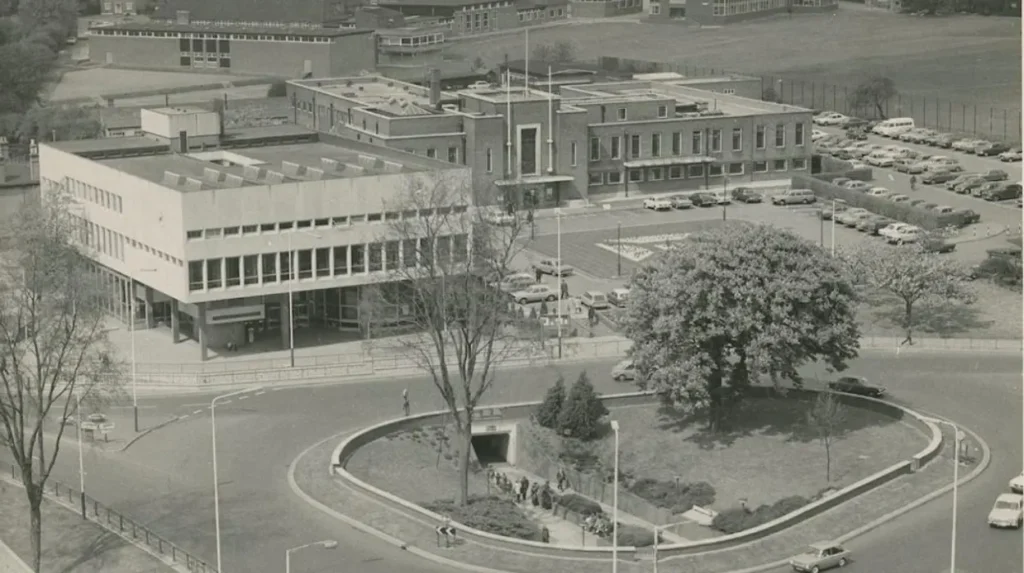
Iconic Attractions and Things to Do
Havering packs family-friendly spots into its green expanse, ideal for evergreen outings.
- Romford Market: Europe’s largest outdoor market thrives Wednesdays and Saturdays near the station, offering fresh produce, antiques, and street food amid historic vibes.
- Upminster Windmill and Tithe Barn: This 1803 Grade II-listed smock mill, restored in 2017, pairs with a medieval barn for milling demos and events.
- Rainham Hall: National Trust’s 1729 Georgian gem in Rainham features gardens, ghosts, and WWII history exhibits.
- Havering Museum: In Romford, dive into palace relics, Roman finds, and interactive local tales.
- Brookside Theatre: Hornchurch’s intimate venue hosts plays, musicals, and comedy in a community hub.
- Queen’s Theatre: Romford’s 750-seat space delivers West End tours and pantos.
- RAF Hornchurch Heritage Centre: Free museum honors WWII airfield pilots with planes and memorabilia.
Nightlife pulses in Romford’s Brewery district with bars and clubs, accessible via Elizabeth line. Concrete barges along the Thames serve as bird hides and art spots like “The Diver” sculpture.
Lush Parks and Green Escapes
Havering ranks second in London for green coverage, behind only Hillingdon, with spots like Raphael Park (42 acres of lakes, playgrounds, and rose gardens near boating lake) and Bedfords Park drawing walkers year-round. Central Park in Harold Hill offers skateparks, BMX tracks, and redwoods planted 150 years ago. Lodge Farm Park blends meadows, woods, and a pets’ corner for picnics.
Dagnam Park features trails to Hainault Forest, while Valence House Museum grounds host moated Tudor remains. These Metropolitan Green Belt havens host events like tea dances and dementia cafes via council programs. For Thames views, explore Rainham Marshes nature reserve (adjacent but linked). Ample space supports cycling via Komoot routes.
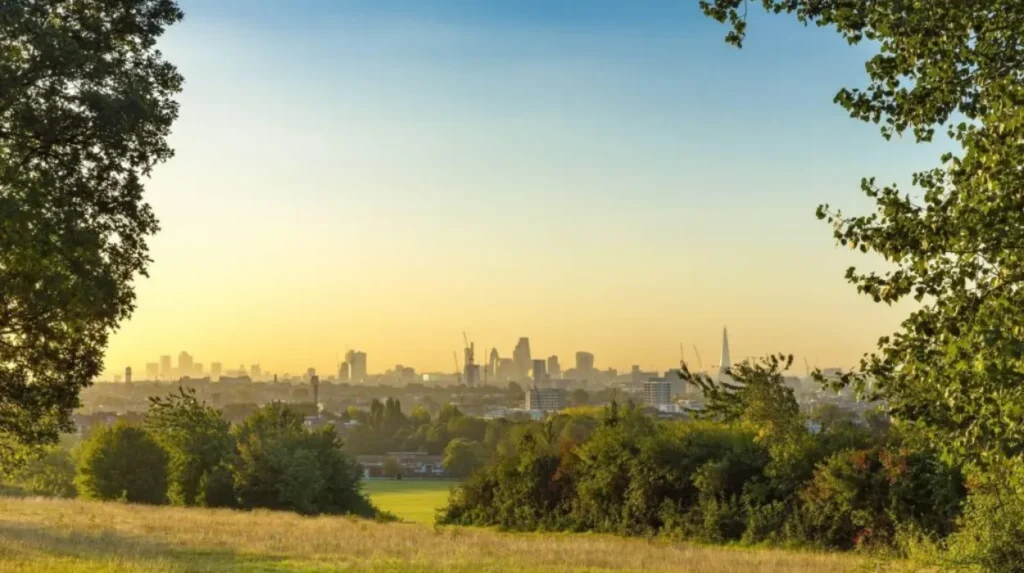
Communities and Modern Lifestyle
Havering’s neighborhoods vary: bustling Romford hubs retail at Liberty and Mercury Malls; upscale Upminster boasts high streets; Elm Park and Rainham edge the Thames with redevelopment. Garden suburbs like Emerson Park and Gidea Park feature inter-war homes amid low crime and 4.5% unemployment. Ethnicity skews white British (66.5% in 2021), with growing Asian (10.8%) and Black African (5.4%) groups; Christianity dominates at 52.2%.
Economy thrives on 7,000+ businesses, Romford’s offices, and Rainham industries like steel. Night-time economy rivals central London outside West End. Transport shines: Elizabeth line to central London (11.9% commuters), c2c to Southend, District line east-west, and M25/A13/A12 radials. Council fosters community via “Where We Live” clean-ups and fostering drives.
Sports, Culture, and Education
Football fans cheer AFC Hornchurch at Hornchurch Stadium or Romford FC. Romford Raiders ice hockey rink draws crowds; Havering Hockey Club plays at Campion School. Havering Adult College and Sixth Form College serve 14+ learners, though 52% adults lack A-levels—London’s lowest.
Media includes Havering Daily, Romford Recorder, and Bedrock Radio from Queen’s Hospital. Twinning with Ludwigshafen (Germany) and Hesdin (France) sparks exchanges. Health via Barking Havering and Redbridge NHS Trust handles 309,551 A&E visits yearly at Queen’s.
Why Havering Endures as East London’s Jewel
Havering merges history, nature, and convenience for timeless appeal. Projected growth to 283,000 by 2031 emphasizes family inflows and elder care. Locals relish affordable rents, vibrant markets, and trails—evergreen draws for East London exploration. Plan a Romford market stroll or Bower palace hike; this borough delivers enduring East London essence.