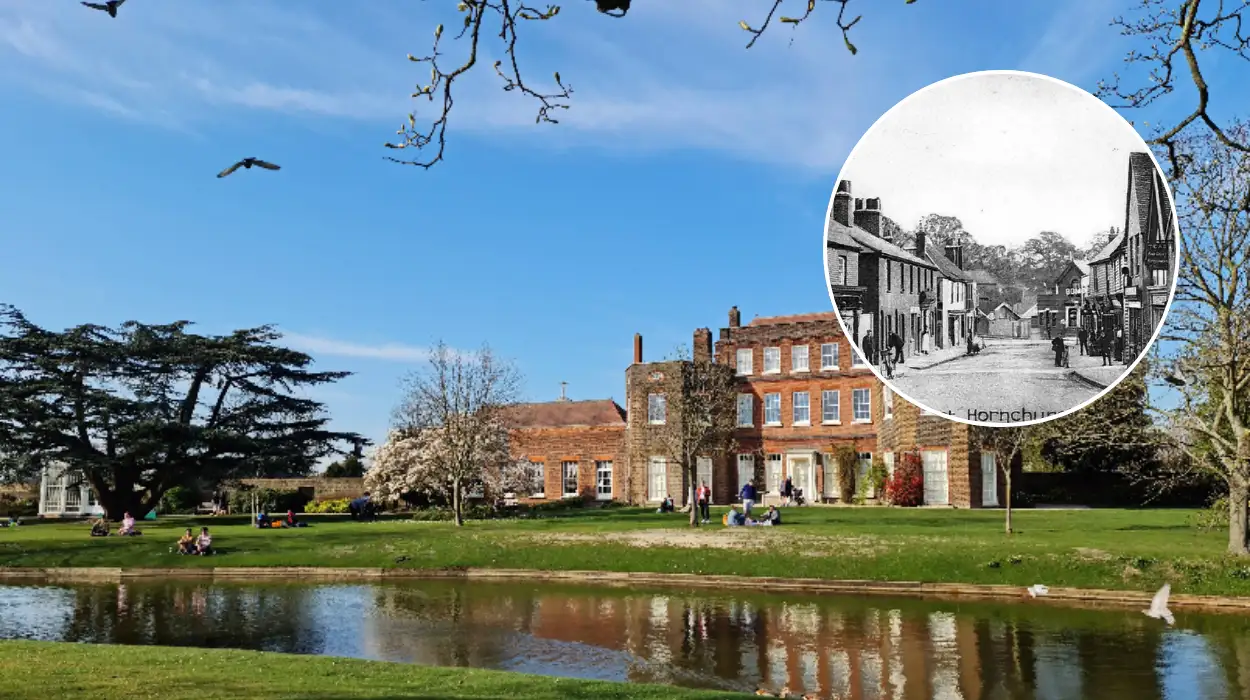
Hornchurch, a vibrant suburb in the London Borough of Havering, offers a perfect blend of rich history, green spaces, and modern living that appeals to families, history buffs, and nature lovers alike. This evergreen guide explores why Hornchurch remains a standout destination in East London, drawing from its ancient roots to contemporary attractions.
A Storied Past
Hornchurch’s name dates back to 1233, derived from “Hornechurch,” likely referring to a church with horn-like gables, as noted in historical records. The area formed part of the ancient parish and manor of Havering in Essex, enjoying unique liberties that set it apart from neighboring regions.
In the 12th century, King Henry II granted land here to the Great St Bernard Hospice, leading to the establishment of Hornchurch Priory in 1159, a key religious site that influenced local governance and economy. The priory’s bull-head seal inspired the enduring emblem on St Andrew’s Church, symbolizing the area’s medieval heritage.
By the 16th century, Hornchurch was a scattered rural village within the royal manor of Havering, which operated semi-independently after a 1465 charter. This status fostered agricultural prosperity, with farms like Haynes Park shaping the landscape until suburban expansion in the early 20th century.
Suburban Transformation
The shift from village to suburb accelerated in 1895 with the development of Emerson Park estate on former Nelmes manor land, followed by Great Nelmes in 1901. Emerson Park station opened in 1909, spurring residential growth and connectivity to central London.
Interwar housing booms, fueled by cheap land and the 1932 electric District line extension, saw Hornchurch’s population surge 335% between 1921 and 1938. It became an urban district in 1926, incorporating areas like Hornchurch Marshes, before joining Greater London in 1965 as part of Havering.
Today, this evolution creates a suburban haven with tree-lined streets, period homes, and easy Tube access via District and Jubilee lines, making it ideal for commuters seeking East London’s quieter side.
Iconic Landmarks
St Andrew’s Church, the parish’s heart since the 12th century, features medieval architecture and the famous bull emblem, offering peaceful services and historical tours. Nearby Hornchurch Hall, on the old priory site, echoes the area’s monastic past.
The Queen’s Theatre Hornchurch stands as a cultural beacon, hosting professional productions, pantomimes, and community events in a modern 780-seat venue. It’s a must-visit for theater enthusiasts in East London.
Havering Museum in the Langtons provides free entry to exhibits on local history, from Roman artifacts to 20th-century life, perfect for a family outing.
Green Spaces Galore
Hornchurch Country Park spans 200 acres of meadows, woodlands, and the River Ingrebourne, ideal for walks, cycling, and picnics. Its visitor center offers wildlife talks and play areas.
Bedfords Park, a Georgian estate turned public park, boasts a boating lake, deer, and rose gardens, hosting summer concerts and the annual Hornchurch Beer Festival. It’s a serene escape just minutes from the high street.
For birdwatchers, Hornchurch Marshes Nature Reserve teems with wetland species, managed by Essex Wildlife Trust for conservation and easy-access paths.
Family-Friendly Living
Hornchurch excels for families with outstanding schools like Nelmes Primary (Ofsted-rated “Outstanding”) and Emerson Park Academy, supporting strong academic results. Low crime rates and community policing enhance its safe reputation.
Playgrounds abound, from Elm Park Open Space to Suttons Recreation Ground, while youth clubs and scouts provide activities. The local library runs storytimes and coding clubs.
Healthcare is robust, with Queen’s Hospital nearby in Romford and GP practices like Hornchurch Medical Centre offering same-day appointments.
Shopping and Dining Scene
Hornchurch High Street buzzes with independent shops, from butchers to bookstores, alongside chains like Waitrose and Sainsbury’s. The daily market sells fresh produce and crafts.
Dining ranges from traditional pubs like The Golden Lion, serving Sunday roasts, to global flavors at La Famiglia (Italian) and The Lawrence (modern British). For casual eats, try street food at The Market Place or vegan options at Nourish.
Farmers’ markets pop up monthly, emphasizing local Essex produce, aligning with Hornchurch’s agricultural legacy.
Sports and Fitness Hub
Hornchurch F.C., based at Bridge Avenue, competes in the National League South, drawing crowds for matches and community events since its 1923 founding.
Runnymede Recreation Ground hosts cricket, tennis, and a floodlit athletics track, while Langtons Cycling Club offers group rides through nearby countryside. Golfers enjoy nearby courses like Sutton Farm.
Fitness centers like PureGym and yoga studios cater to all levels, with parkrun events every Saturday at Hornchurch Country Park.
Transport Made Easy
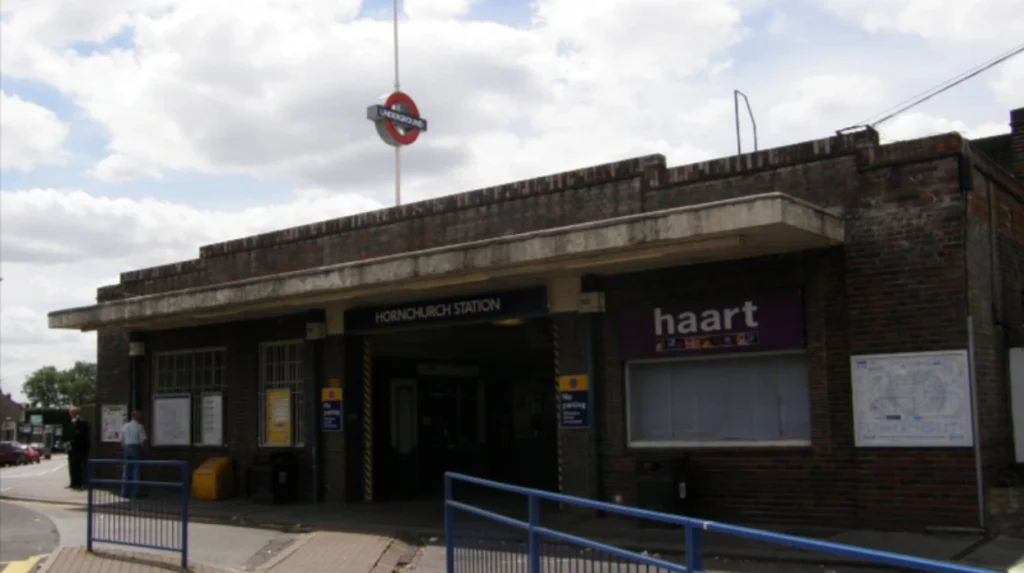
District line stations (Hornchurch, Upminster Bridge) connect to central London in under 40 minutes, with Oyster cards and contactless payments. The Elizabeth line at Romford adds swift Heathrow and Reading links.
Buses like the 175 to Stratford and 370 to Lakeside Shopping Centre provide frequent service. Cycling routes link to Queen Elizabeth Olympic Park, promoting eco-friendly travel.
Driving is straightforward via A127, with free parking at country parks and pay-and-display on the high street.
Community Spirit
Annual events like the Hornchurch Carnival, Hornchurch Fayre, and Christmas Lights Switch-On foster unity, featuring parades, live music, and stalls. The Havering Food and Drink Festival highlights local producers.
Volunteering opportunities through Havering Council and charities like Havering Mind support mental health initiatives, reflecting a tight-knit vibe.
Diverse residents, including British Asians and Poles, celebrate with Diwali lights and cultural festivals, enriching the multicultural fabric.
Property and Investment Appeal
Hornchurch’s average house price hovers around £450,000, offering value compared to inner East London boroughs, with semis and detached homes popular among buyers. Regeneration plans, including high street enhancements, boost long-term prospects.
Rental yields are strong at 4-5%, attracting investors to new-builds like Saxon Place. Proximity to Rainham Marshes and the Thames Gateway developments enhances appeal.
Why Choose Hornchurch?
This East London suburb balances heritage with convenience, where medieval priories meet modern theaters and wild marshes neighbor high street cafes. Whether strolling Bedfords Park or cheering at a football match, Hornchurch delivers enduring quality of life.
For locals and visitors, it’s a place where history whispers from ancient churches, nature rejuvenates in expansive parks, and community thrives year-round. Explore Hornchurch—timeless, accessible, and authentically East London.