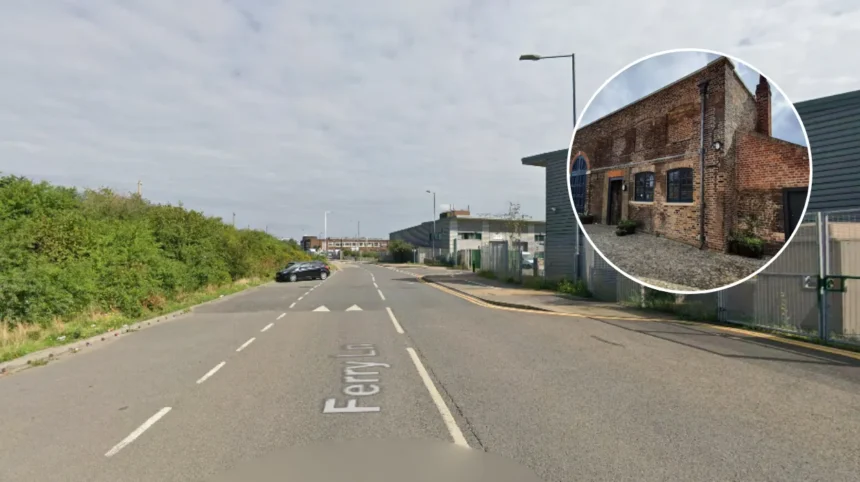
Rainham is a suburban town in the London Borough of Havering, sitting on the northern bank of the River Thames to the east of central London. It lies between Dagenham and Purfleet, historically part of Essex, but now firmly identified with East London’s outer zones.
- Saxon origins and medieval village
- Georgian prosperity and Rainham Hall
- Victorian infrastructure and industry
- 20th‑century suburb in the Green Belt
- Rainham today: character, lifestyle and community
- Rainham Hall (National Trust)
- Church of St Helen and St Giles
- War memorial clocktower
- Rainham’s riverside and natural environment
- Industry, work and regeneration
- Living in Rainham: key points for East Londoners
- Is Rainham in London or Essex?
- What is Rainham famous for?
- Is Rainham a good place for nature and walks?
- Why Rainham matters in the story of East London
Today Rainham is served by its own railway station on the c2c line, linking it directly with London Fenchurch Street and the Essex coast. The area includes older village streets around the medieval parish church, inter‑war and post‑war housing estates, light industrial zones and extensive marshland by the river.
Saxon origins and medieval village
Rainham’s roots stretch back at least to Saxon settlement, when it emerged as an agricultural village surrounded by fields and marsh. The focal point was the Church of St Helen and St Giles, which survives as Rainham’s only medieval building and a rare example of an almost‑unaltered Norman parish church in London.
For centuries, local life revolved around farming, the church and the route down to the Thames, where simple river facilities helped connect the village with London and Kent.
Georgian prosperity and Rainham Hall
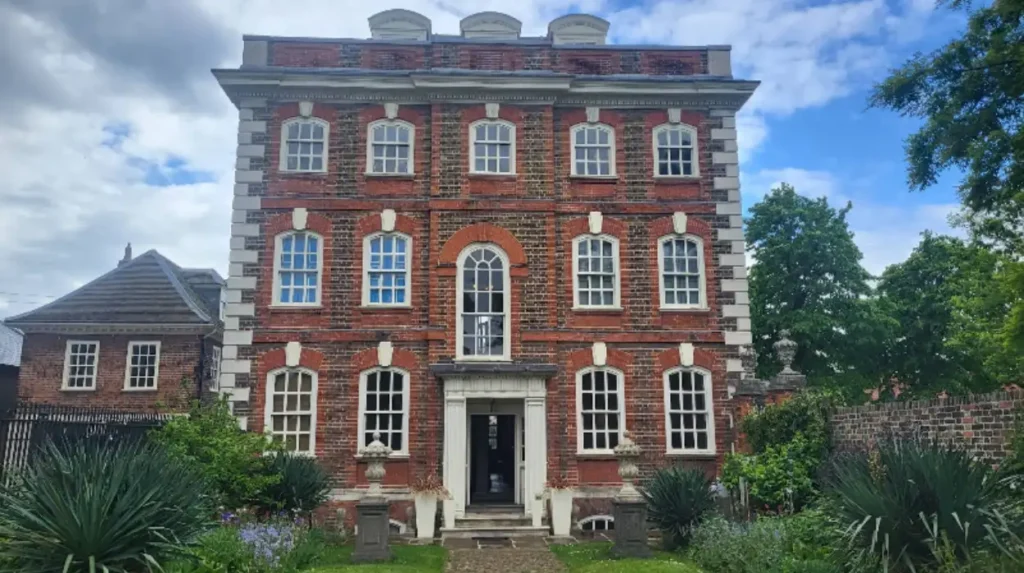
In the 18th century, growing maritime trade along the Thames brought new wealth and buildings to Rainham. The standout legacy of this era is Rainham Hall, a handsome Georgian merchant’s house built in 1729 for sea captain and coal merchant John Harle, whose business links extended across Britain and overseas.
Rainham Hall reflects the aspirations of a successful trading family: an elegant brick façade, panelled rooms and a setting close to both the village core and the river. Over nearly three centuries it has been home to a succession of owners and tenants, from merchants to a vicar and even a nursery run by the YMCA during the Second World War.
Victorian infrastructure and industry
The 19th century reshaped Rainham, as new transport routes and industry arrived. A railway station opened in 1854, drastically improving access to London and encouraging both commuting and freight. At the riverside, a second wharf was built in 1872, supporting the growth of chemical and fertiliser works and other heavy industry along the Thames.
By the late 1800s, new roads were laid out and rows of semi‑detached and terraced houses appeared, gradually extending the village into a more substantial suburb. A small riverside resort grew up around a pub by the river, attracting day‑trippers from London until the area’s industrialisation and pollution reduced its leisure appeal and the pub disappeared by 1945.
20th‑century suburb in the Green Belt
By 1929, much of Rainham’s farmland had shifted to intensive market gardening, supplying produce to London. From 1869 onwards, industries such as chemical plants and fertiliser factories concentrated along the waterfront, while brickmaking and, after the Second World War, gravel extraction were established inland.
In 1917, the Murex iron‑founders relocated to Rainham, eventually becoming part of the British Oxygen Company and growing into a major riverside industrial complex. Between the wars and especially after 1945, Rainham’s estates were progressively broken up for housing, and the area absorbed into the expanding London conurbation as a working‑ and lower‑middle‑class suburb.
Residents successfully campaigned in the 1940s to keep some local plots for smallholders rather than returning them to large‑scale agriculture, ensuring that parts of Rainham were excluded from the Metropolitan Green Belt and could remain semi‑rural and small‑scale. At the same time, infrastructure like sewerage and roads lagged behind housebuilding, prompting local campaigns for better services through the 1960s.
A war memorial clocktower, erected after the First World War, became a visual and symbolic focal point for the town centre.
Rainham today: character, lifestyle and community
Rainham now offers a mix of traditional village character, suburban housing and industrial estates, appealing to families, commuters and those who value proximity to nature as much as to London.
Housing stock ranges from Victorian and Edwardian terraces near the older core to inter‑war semis, post‑war council estates and newer infill developments. Local high streets and parades provide everyday shops and services, while larger retail and leisure options in places like Romford and Lakeside are easily reached by road or rail.
Community life is anchored by schools, places of worship, sports clubs and local groups, with long‑standing residents and newer arrivals both contributing to neighbourhood identity. The presence of long‑term industrial activity also means Rainham retains more of a working, down‑to‑earth feel than some gentrified inner‑East London districts.
Rainham Hall (National Trust)
Rainham Hall is one of East London’s most atmospheric historic houses, managed by the National Trust and set in compact but charming gardens. Built in 1729, the brick townhouse showcases Georgian design and has been carefully restored and interpreted through exhibitions and changing displays covering the lives of its many occupants.
The Hall often hosts family events, art installations and community activities, making it a cultural as well as historical hub for Rainham. Its location near the church and old village streets also makes it a natural starting point for exploring the wider area on foot.
Church of St Helen and St Giles
The parish church of St Helen and St Giles is Rainham’s oldest surviving building and a rare, largely intact Norman church within Greater London. Its stonework, medieval details and churchyard provide a tangible link back to the village’s early history, and it continues to function as a place of worship and community gathering.
Visitors interested in architecture and local history will find the church and its surroundings an evocative reminder of Rainham’s rural past within today’s suburban context.
War memorial clocktower
Rainham’s clocktower, constructed after the First World War as a memorial to the local fallen, stands as a prominent landmark and meeting point. It forms the visual centrepiece of the town, symbolising both sacrifice and civic pride across the 20th century.
Rainham’s riverside and natural environment
One of Rainham’s defining assets is its access to big‑sky landscapes, marshes and riverside paths despite its location within Greater London. The northern Thames foreshore and adjacent marshlands retain a wild, open character, shaped by both centuries of grazing and more recent efforts at conservation and habitat restoration.
Former industrial sites and gravel workings have in places been reclaimed or re‑purposed, contributing to a mosaic of reedbeds, grassland and open water that supports birdlife and other wildlife typical of the Thames estuary. For East Londoners seeking room to walk, cycle or simply watch the river, Rainham’s surroundings offer a contrast to denser urban neighbourhoods further west.
Industry, work and regeneration
Rainham has long been shaped by its industrial strip along the Thames, from 19th‑century chemical and fertiliser factories to the Murex iron‑foundry and later British Oxygen facilities. Inland, brickworks and gravel extraction further underlined its role in supplying the capital’s growth with materials and manufactured goods.
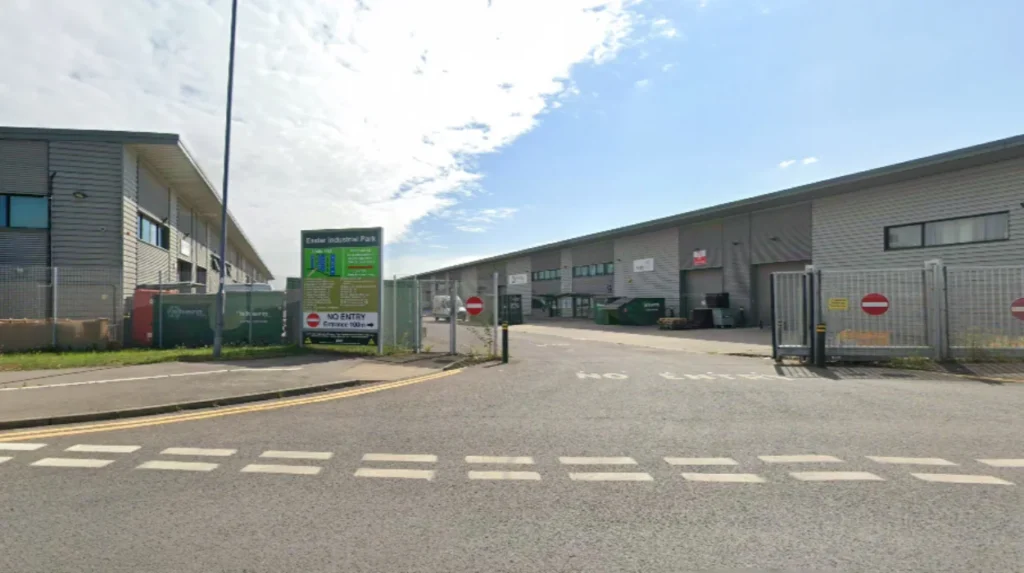
Today, while heavy industry has changed or declined, employment areas and logistics hubs still line parts of the riverside and A13 corridor, reflecting Rainham’s strategic position between London and Thurrock. Regeneration schemes in and around the town aim to balance economic activity with environmental improvement, better transport links and new housing, positioning Rainham as part of the wider Thames Gateway and East London growth narrative.
Living in Rainham: key points for East Londoners
For an East London audience weighing up Rainham as a place to live, work or explore, several long‑term factors stand out.
- Strong transport connection via the c2c line to central London and Essex, with additional road links towards the A13 and M25.
- A blend of historic village fabric and affordable suburban housing, appealing to families and first‑time buyers compared with many inner‑London districts.
- Access to riverside and marshland landscapes that are unusual so close to London, supporting walking, cycling and nature‑based leisure.
- Ongoing regeneration and industrial transition, which may bring further amenities, jobs and environmental enhancements over time.
- A sense of continuity, anchored by landmarks like Rainham Hall and St Helen and St Giles, connecting modern life to centuries of local history.
Is Rainham in London or Essex?
Historically, Rainham was a village in Essex, but local government changes brought it into Greater London, and it now forms part of the London Borough of Havering in East London. Culturally, it still carries elements of both an Essex identity and an outer‑London character.
What is Rainham famous for?
Rainham is best known for its well‑preserved Georgian Rainham Hall, its Norman parish church of St Helen and St Giles, and its location by the Thames with long‑standing industrial heritage and marshland landscapes.
Is Rainham a good place for nature and walks?
Yes. The area’s proximity to riverside paths and marshes offers expansive views, wildlife interest and a more rural feel than many parts of London, making it attractive for walking and outdoor relaxation.
Why Rainham matters in the story of East London
Rainham encapsulates many of the big themes in East London’s long story: a shift from Saxon agriculture to Georgian trade, Victorian industry and infrastructure, 20th‑century suburban growth and 21st‑century regeneration and conservation. Its combination of historic buildings, working landscapes and changing riverfront will continue to shape how East London evolves on its eastern edge for years to come.