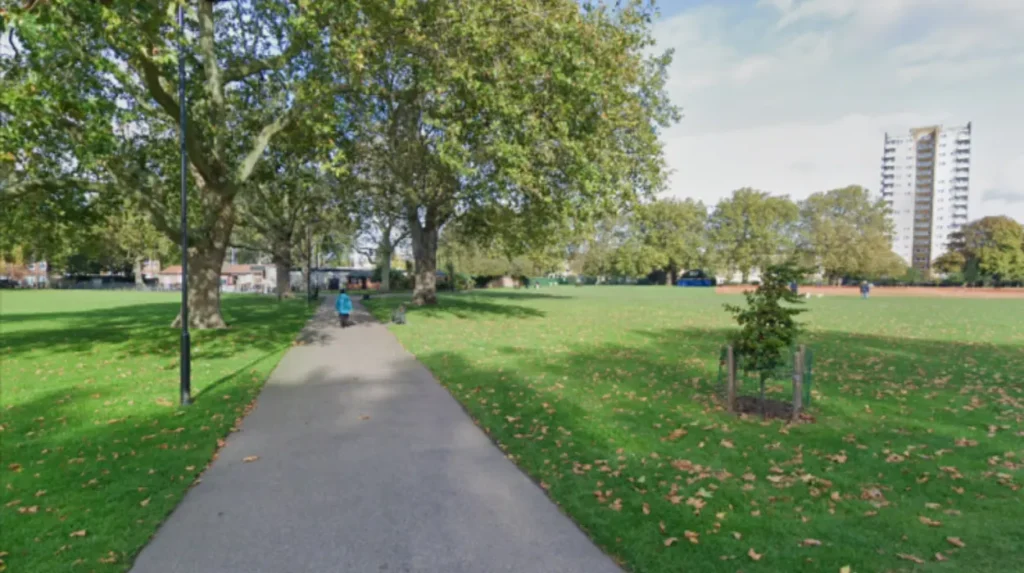
London Fields stands as one of East London’s most cherished green spaces, a 31-acre park in Hackney that blends rich history with vibrant modern recreation. This evergreen haven offers locals endless opportunities for leisure, sport, and community connection, making it a staple for residents seeking nature amid urban buzz.
Ancient Origins and Historical Evolution
Records trace London Fields back to 1275, when it formed part of Cambridge Heath, a key grazing spot for livestock heading to Smithfield Market from Essex farms. By 1540, drovers officially called it London Fields, using the common land to rest animals before London’s markets, a practice that defined its early role as vital rural-urban connector.
The 19th century brought threats from encroaching development, with piecemeal building eroding edges by the late 1800s, yet community efforts and the 1866 Metropolitan Commons Act preserved most of its 180 acres. World War II left scars, including an anti-aircraft battery site and Blitz bomb damage that restored bombed housing plots to parkland, marked today by a distinctive arc of plane trees.
WWII Legacy and Post-War Resilience
During the Blitz, London Fields hosted defenses like a south-west anti-aircraft battery, its tarmac remnants still visible under grass. Nearby housing along northern and eastern borders fell to bombs, reverting the land to open space and expanding the park’s footprint.
Post-war, 1950s slum clearance plans targeted Georgian and Victorian homes, but resident legal challenges saved much of the stock, forming the London Fields Conservation Area. Regeneration efforts, like the Holly Street Estate overhaul, earned awards while honoring heritage.
Abundant Recreation Facilities
London Fields boasts a heated 50m Olympic-size lido open year-round from 6:30am to 9pm, ideal for laps, lessons, or sunbathing on its deck. Cricket thrives here since at least 1802, with London Fields CC hosting summer matches amid picnickers at Turley End.
Tennis courts, a BMX track, table tennis, two play areas, an outdoor gym, paddling pool, and cycle paths cater to all ages. A 2013 pictorial meadow transformation added wildflower beauty the size of a football pitch.
Thriving Wildlife and Ecology
This Site of Importance for Nature Conservation features a northern wildlife area with hawthorn, blackthorn, elder scrub, and rough grassland blooming chicory and buck’s-horn plantain. Mature trees like London plane, hybrid black poplar, and maples support butterflies, invertebrates, and birds.
Green Flag awards in 2008 and 2020 highlight its managed biodiversity amid heavy use. Potential exists for more habitat enhancements in this rare accessible green lung for south Hackney.
Cultural and Community Pulse
Adjacent Pub on the Park, opened 1855, anchors social life with cricket views and farmers’ markets. Nearby Broadway Market buzzes with street food, galleries, and indie vibes, while Moth Club hosts eclectic music and comedy.
Strong Caribbean and multicultural communities foster chapels, festivals, and pride, blending old streets with creative energy. Events like the Dunwich Dynamo cycle start and triathlon training draw crowds.
Modern Architecture Highlights
Second Home London Fields, a 2019 creative workspace by Estudio Cano Lasso, revives WWII-bombed Morly House theatre remains with contemporary facades in the Westgate Triangle. This adaptive reuse fits Hackney’s evolution, facing Broadway Market.
Conservation Areas preserve Victorian terraces, balancing growth with heritage amid estate regenerations.
Access and Practical Tips
London Fields station on London Overground links to Liverpool Street swiftly. Schools like London Fields Primary and Gayhurst Primary sit opposite entrances, serving families.
Visit for sunrise swims, weekend cricket, or meadows picnics; facilities include accessible toilets and changing rooms. The London Fields User Group advocates preservation.
Why London Fields Endures for East Londoners
This park’s blend of history, nature, and activity cements its status as East London’s evergreen gem, fostering health, community, and timeless appeal. Ongoing awards and enhancements ensure it remains a high-ranking destination for green space seekers.