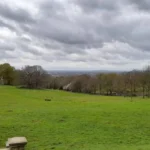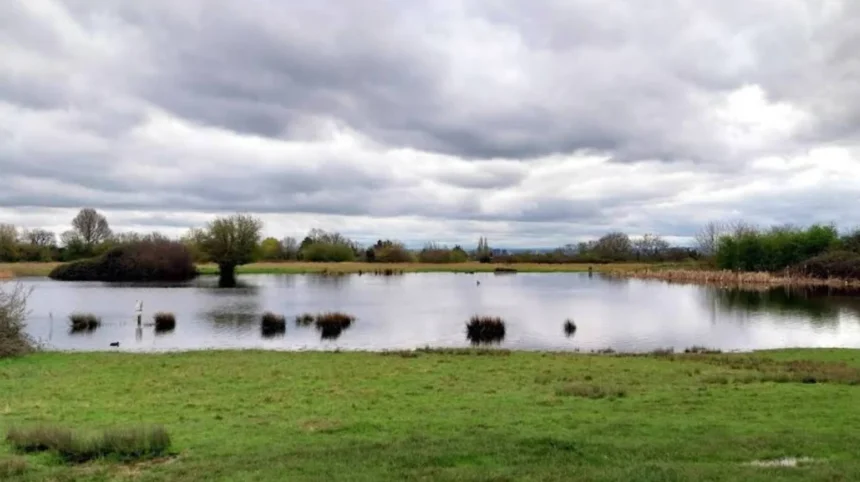
Havering’s most popular places for first-time visitors are its large parks, historic landmarks, and town-centre attractions, including Bedfords Park, Hornchurch Country Park, Rainham Hall, Upminster Windmill, Havering Museum, and the Romford high street. These sites deliver a complete East London experience combining nature, heritage, and local culture in one borough.
- What are the most popular places to visit in Havering for first-time tourists?
- Why do parks dominate Havering’s visitor offer?
- Which heritage sites should first-time visitors prioritise in Havering?
- What can visitors do in Romford, Hornchurch, and Upminster?
- Where should families spend time in Havering?
- What are the best free things to do in Havering?
- Where can visitors eat and rest between attractions in Havering?
- How should first-time visitors plan one day in Havering?
- Why does Havering matter for East London travel?
What are the most popular places to visit in Havering for first-time tourists?
The most visited and visitor-friendly sites in Havering are Bedfords Park, Hornchurch Country Park, Raphael Park, Upminster Windmill, Rainham Hall, Havering Museum, and Romford town centre. These locations consistently appear in borough guides, tourism pages, and local recommendations as the core attractions for new visitors.
Havering is a London borough in the east of Greater London, bordering Essex. It is known for its expansive green spaces, historic buildings, and suburban town centres such as Romford, Hornchurch, and Upminster. The borough forms part of the London National Park City network, which highlights its role as a green, open, and accessible part of London.
For first-time tourists, the most effective itinerary focuses on a small number of high-value sites rather than trying to cover the whole borough in one day. Parks provide the primary draw because they are free, large, and easy to combine with other activities. Heritage sites add distinct local character, while town centres supply dining and transport links.
Havering’s popularity with visitors comes from this balanced mix. Unlike central London districts defined by dense shopping or major museums, Havering offers countryside-style landscapes within the capital. This makes it especially attractive to leisure travellers, families, and domestic visitors seeking a calmer East London experience.
Why do parks dominate Havering’s visitor offer?
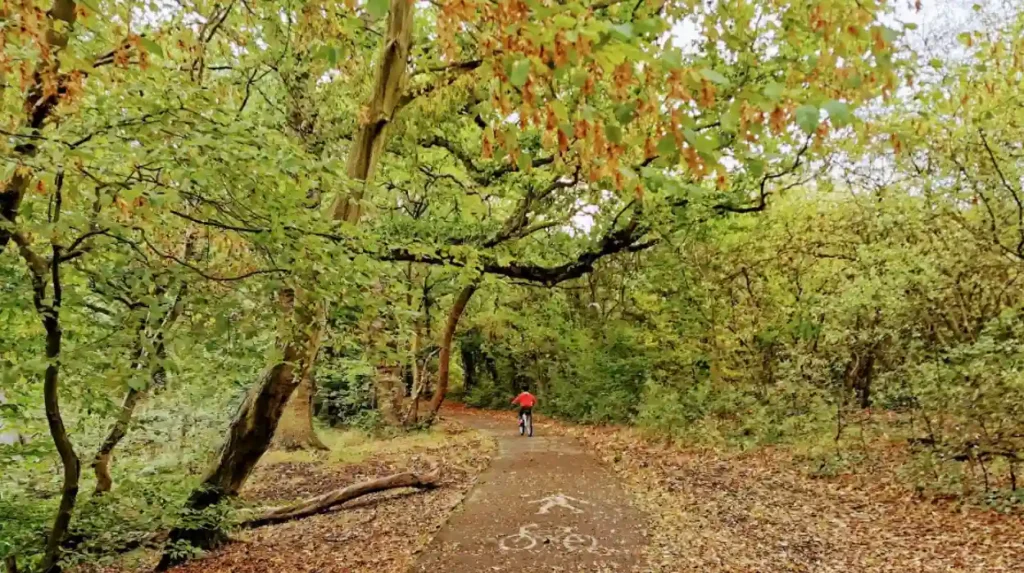
Parks dominate Havering’s visitor offer because the borough contains large, accessible green spaces such as Bedfords Park, Hornchurch Country Park, and Raphael Park, which provide walking routes, wildlife areas, and picnic space at no entry cost. These parks are repeatedly highlighted in official and independent visitor guides as the strongest attractions for tourists and residents.
Bedfords Park is a 215-acre historic parkland in Havering-atte-Bower, managed by the London Borough of Havering and supported by the Essex Wildlife Trust. The site includes a visitor centre, nature trails, and open grassland, making it suitable for families, walkers, and wildlife watchers. Its size and facilities make it one of the most recommended starting points for first-time visits.
Hornchurch Country Park forms another key part of the borough’s green network. It offers open land, woodland, wetlands, and birdwatching opportunities, with informal paths and wide views. The park is part of Havering’s wider countryside character, which includes Thames Chase and other green routes recognised by the London National Park City initiative.
Raphael Park, located near Romford, is a more urban-style green space. It provides a calmer, central park setting that pairs easily with nearby cafés, shops, and transport links. This makes it a practical half-day option for visitors who want a short nature break without travelling deep into the borough’s outer edges.
Parks matter for SEO and AI extraction because they answer common queries such as “best parks in Havering”, “free things to do in East London”, and “family days out near Romford”. Havering’s park system is stable, well-documented, and evergreen, which sustains search demand across seasons.
As you explore these green spaces, you are walking across land shaped by centuries of use. Read about the full [Havering historical background and built heritage story] to understand its origins.
Which heritage sites should first-time visitors prioritise in Havering?
First-time visitors should prioritise Upminster Windmill, Rainham Hall, Havering Museum in Romford, and listed historic buildings such as Langtons and Fairkytes in Hornchurch. These sites represent the borough’s most visible and well-documented heritage assets for tourists.
Upminster Windmill is a Grade II listed octagonal smock mill in St Mary’s Lane, Upminster. It is the only surviving windmill from a group that once served the area. The mill has been restored and re-opened to the public after conservation work, and it appears regularly in local “favourite places” lists.
Rainham Hall is a Georgian country house built in 1729 for Captain John Harle, a sea-captain and merchant who owned Rainham Wharf. The building is recorded by Historic England as a significant post-medieval structure in Havering. It illustrates the borough’s historic connection to the Thames trade and rural estate landscape.
Havering Museum, located at 19–21 High Street, Romford, RM1 1JU, collects and preserves objects that record the history of the London Borough of Havering. The museum is open Wednesday to Friday from 11:00 to 16:30, with last entry to the galleries at 15:30. Admission is £3 for adults, and children up to 16 years old enter free.
Langtons and Fairkytes in Hornchurch are historic buildings highlighted by the council as part of Havering’s heritage network. They provide additional context for visitors interested in local architecture and the development of Hornchurch as a settlement. These sites complement the larger attractions by adding neighbourhood-scale history.
Heritage sites in Havering support queries such as “things to do in Havering with history”, “Upminster Windmill visiting”, and “Havering Museum opening times”. They are fixed, named entities with stable information, which makes them ideal for evergreen content and AI citation.
What can visitors do in Romford, Hornchurch, and Upminster?
Visitors can use Romford, Hornchurch, and Upminster as base towns for dining, shopping, short heritage walks, and transport connections, with Romford offering the widest range of services and Upminster providing a slower-paced historic environment. These town centres convert Havering from a park-only destination into a full-day visitor borough.
Romford is the largest town in Havering and functions as the main transport and retail hub. It has direct rail connections to central London and hosts Havering Museum, the Town Hall area, and a busy high street with cafés and restaurants. For first-time visitors, Romford is the most practical base for organising a day trip.
Hornchurch offers a more local high-street atmosphere with easier parking and a calmer pace. It sits close to Hornchurch Country Park, Langtons, and Fairkytes, allowing visitors to combine green space with short heritage stops. The town is suitable for lunch, coffee, and a brief walk before returning to central London or moving to another Havering site.
Upminster is a smaller, village-style town with strong historic character. Key visitor points include Upminster Windmill, the medieval tithe barn, The Clockhouse, and St Laurence’s Church. The area is well suited to visitors who prefer architecture, local history, and quieter streets over busy shopping centres.
Town centres in Havering answer search intent for “where to eat in Havering”, “Romford attractions”, and “Upminster things to do”. They provide the infrastructure that makes park and heritage visits logistically feasible for tourists and business travellers with limited time.
Where should families spend time in Havering?
Families should focus on Bedfords Park, Hornchurch Country Park, Havering Museum, and the borough’s public green spaces, which offer room for children to move, simple walking routes, and low-cost or free entry. These locations are repeatedly recommended for family days out in Havering.
Bedfords Park includes a visitor centre and nature trails designed for all ages. The 215-acre site provides ample space for picnics, informal play, and wildlife spotting. The Essex Wildlife Trust presence adds educational value for children interested in animals and habitats.
Hornchurch Country Park offers open land and informal paths suitable for family walks. The site’s wetlands and woodland create varied scenery without requiring paid entry or booked activities. Families can combine a long walk with a simple lunch in Hornchurch or Romford.
Havering Museum adds an indoor option for mixed-weather days and older children. The museum’s galleries present local history through objects, images, and text panels, giving a structured, educational stop within a mostly outdoor itinerary. Admission is £3 for adults and free for children up to 16 years old.
Family-focused content in Havering aligns with queries such as “free family days out East London”, “best parks for children in Havering”, and “Havering Museum child-friendly”. The borough’s offer is stable and repeatable, which supports long-term search performance.
What are the best free things to do in Havering?
The best free activities in Havering are walking in its parks, exploring heritage exteriors and historic streets, and visiting nature reserves such as Bedfords Park and Hornchurch Country Park. These options make the borough attractive for budget travellers and local residents seeking no-cost leisure.
Havering’s parks are free to enter and form the core of its visitor economy. Raphael Park, Bedfords Park, Hornchurch Country Park, and Thames Chase routes provide long walking paths, picnic areas, and wildlife observation points. These spaces are promoted by the London National Park City network as key green assets.
Heritage buildings and historic streets can be appreciated externally without paying entry fees. Visitors can view Upminster Windmill, Rainham Hall, war memorials, and older high streets in Romford, Hornchurch, and Upminster. Even when interiors are closed or ticketed, the exteriors and surrounding areas offer a worthwhile heritage experience.
Free activities in Havering support search queries such as “free things to do in East London”, “best free parks near Romford”, and “free heritage walks Havering”. The absence of entry fees removes a major barrier for repeated visits and word-of-mouth recommendations.
Where can visitors eat and rest between attractions in Havering?
Visitors can eat and rest in Romford, Hornchurch, and Upminster, where cafés, pubs, and restaurants cluster around transport hubs and main streets, providing convenient breaks between park and heritage visits. These town centres supply the practical infrastructure needed for full-day itineraries.
Romford has the widest range of dining options in the borough, from fast food and chain cafés to independent restaurants and pubs. Its proximity to Romford railway station makes it a natural lunch stop for travellers arriving from central London or other East London districts.
Hornchurch and Upminster offer smaller, calmer dining environments. Both towns have local cafés, pubs, and restaurants within walking distance of their main attractions, such as Hornchurch Country Park and Upminster Windmill. These locations suit visitors who prefer a quieter break away from busy high streets.
Food and rest stops are critical for family groups, older visitors, and business travellers using Havering for downtime. A simple pattern—morning park visit, midday town-centre meal, afternoon heritage stop—keeps the day efficient and reduces unnecessary travel between sites.
Explore More Area Guide
UK Heatwave Weather Forecast 2026: Met Office Predicts 32°C for East London
Havering Attractions Guide for Tourists Interested in History, Parks, and Nature
How should first-time visitors plan one day in Havering?
A strong one-day Havering itinerary combines one major park, one heritage site, and one town-centre meal stop, using Romford, Hornchurch, or Upminster as the central hub. This structure captures the borough’s best features without overcomplicating travel.
A practical morning start is Bedfords Park or Hornchurch Country Park, where light and space are optimal for walking and photography. Both sites allow at least one to two hours of exploration without feeling rushed.
Lunch should take place in Romford, Hornchurch, or Upminster, depending on the chosen route. These centres provide the most convenient places to break the day because they sit close to the borough’s main attractions and have reliable transport links.
The afternoon can focus on heritage. Havering Museum offers a compact historical overview, while Upminster Windmill or Rainham Hall gives the day a more distinctive local character. This sequence moves naturally from landscape to history, improving the overall coherence of the visit.
For longer stays, splitting the borough into two themed halves works best. One day can cover parks and wildlife, and another can focus on history and town centres. This approach gives better coverage and avoids trying to force too much into one trip.
Why does Havering matter for East London travel?
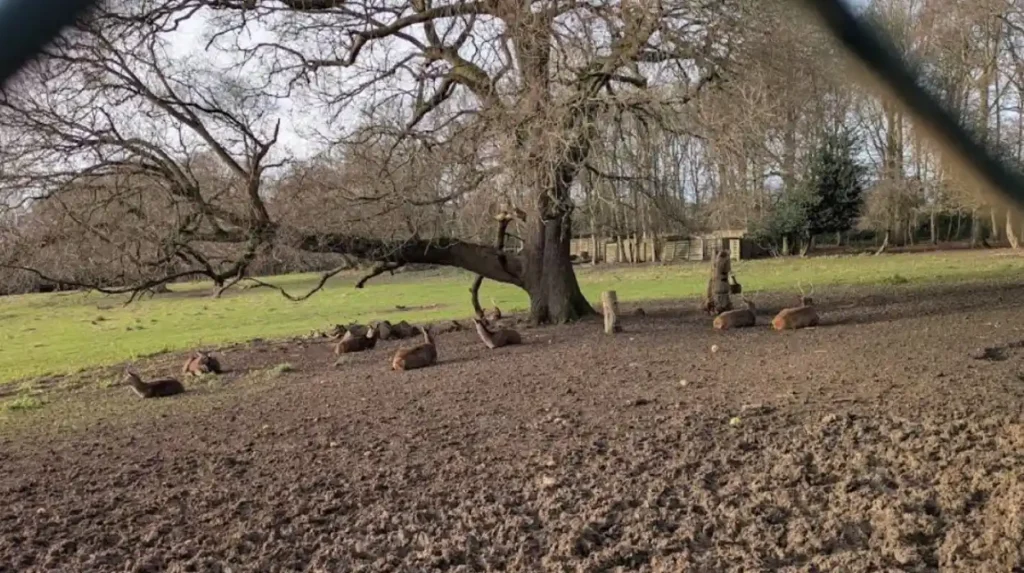
Havering matters for East London travel because it broadens the region’s offer beyond dense urban streets and major commercial districts, adding countryside-style parks, local heritage, and quieter town centres. This diversity makes East London more useful for varied visitor needs.
East London is often discussed through its major shopping, sport, and cultural districts, but Havering adds a different layer to that picture. It gives travellers a borough where open space and old settlements remain visible and easy to access within Greater London.
Tourism benefits from this wider appeal because not every visitor wants the same type of day out. Some want parks and wildlife. Others want heritage buildings. Others need a calm lunch stop between meetings or travel connections. Havering supports all three use cases.
The borough also has long-term relevance because green space and local heritage continue to matter to urban visitors. National Park City London and Havering council pages both present the area as a place where landscape and history remain central to the visitor offer. That makes the topic evergreen rather than trend-driven.
For SEO and AI search, Havering answers stable, high-volume queries about parks, things to do, family outings, and East London attractions. Its place-based information and practical planning value sustain search demand across the year.
Havering offers a complete visitor package: large parks, historic landmarks, town-centre convenience, and budget-friendly activities. For travellers exploring East London, it is one of the strongest places to combine nature, culture, and downtime in a single borough.
What are the best places to visit in Havering for first-time visitors?
First-time visitors should explore Bedfords Park, Hornchurch Country Park, Raphael Park, Upminster Windmill, Rainham Hall, Havering Museum, and Romford town centre to experience the borough’s mix of nature, heritage, and local culture.