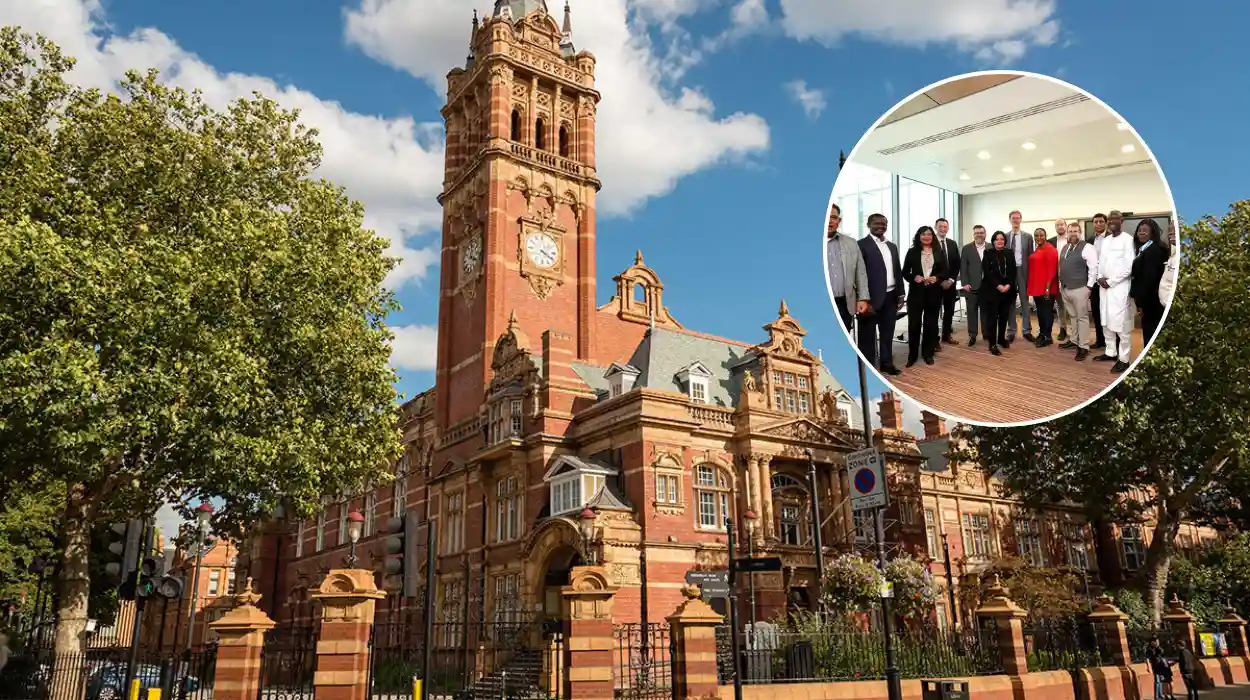
Newham Council is the cornerstone of local government for the London Borough of Newham, one of the most vibrant and diverse areas in East London. As a borough with a rich history, a dynamic present, and an ambitious future, Newham Council plays a central role in shaping the lives of its residents, overseeing services, and driving regeneration. This evergreen guide explores the council’s origins, powers, responsibilities, and impact on East London life, offering essential insights for locals, visitors, and anyone interested in the governance of one of London’s most important boroughs.
- The Origins of Newham Council
- Governance and Political Control
- Powers and Responsibilities
- Newham Council’s Role in East London Life
- Community and Diversity
- Regeneration and Economic Development
- Education and Youth Services
- Housing and Homelessness
- Health and Wellbeing
- The Importance of Local Archives and History
- Challenges and Opportunities
The Origins of Newham Council
Newham Council was established under the London Government Act 1963, which restructured London’s local authorities. The council came into power on 1 April 1965, merging the former county boroughs of East Ham and West Ham, along with parts of Woolwich and Barking. This historic amalgamation created a borough that straddles the River Lea and the Royal Docks, combining the industrial legacy of West Ham with the more residential traditions of East Ham.
From its inception, Newham Council has been a “most purpose” authority, meaning it has a wide range of powers and responsibilities. Initially, it operated as a shadow authority alongside the outgoing councils until it formally took over all local governance on the appointed date.
Governance and Political Control
Newham Council has been under Labour majority control since 1971, making it one of the longest-standing Labour-held councils in London. The council is led by a directly elected mayor, a position introduced in 2002, which gives the borough a distinct local leadership structure. The council meets at Newham Town Hall in East Ham and the Old Town Hall in Stratford, with its main administrative offices at 1000 Dockside Road, overlooking the Royal Albert Dock.
Political control has remained stable for decades, reflecting the borough’s strong community identity and commitment to social progress. The council’s long-standing Labour majority has shaped its policies on housing, education, and regeneration, making Newham a key example of progressive local governance in East London.

Powers and Responsibilities
Newham Council is responsible for a broad range of services that directly affect the daily lives of residents. These include:
- Council Housing: Managing and maintaining social housing, supporting homeless individuals, and driving new affordable housing developments.
- Social Services: Providing care for children, adults, and families, including safeguarding and support for vulnerable people.
- Education: Acting as a local education authority, overseeing schools, early years provision, and adult learning.
- Libraries and Culture: Operating public libraries, supporting local arts, and preserving community heritage.
- Waste Collection and Environmental Health: Ensuring clean streets, managing recycling, and promoting public health.
- Planning and Regeneration: Setting local planning policies, approving development projects, and leading major regeneration initiatives such as those in Stratford and the Royal Docks.
- Council Tax and Business Rates: Setting and collecting local taxes to fund services.
While some strategic functions are shared with the Greater London Authority (GLA), such as highways and planning control, Newham Council retains most day-to-day powers, making it a central force in shaping the borough’s future.
Newham Council’s Role in East London Life
Newham is one of the seven boroughs that make up East London, alongside Barking and Dagenham, Hackney, Havering, Redbridge, Tower Hamlets, and Waltham Forest. East London has long been known for its working-class roots, cultural diversity, and industrial heritage. Newham Council’s work is vital to maintaining and improving the quality of life in this dynamic area.
Community and Diversity
Newham is one of the most ethnically diverse boroughs in the UK, with a population that reflects the global nature of London. The council supports a wide range of community initiatives, cultural events, and services tailored to the needs of its diverse residents. From Diwali celebrations in Green Street to local food festivals in Stratford, Newham Council plays a key role in fostering community spirit and celebrating cultural heritage.
Regeneration and Economic Development
Newham Council has been at the forefront of major regeneration projects, particularly in Stratford and the Royal Docks. The transformation of Stratford after the 2012 Olympics is a prime example of how local government can drive economic growth, create jobs, and improve infrastructure. The council continues to support new developments, including housing, retail, and transport improvements, ensuring that Newham remains a vibrant and attractive place to live and work.
Education and Youth Services
Education is a priority for Newham Council, with the borough home to a wide range of primary, secondary, and further education institutions. The council works to ensure that all children and young people have access to high-quality education and support services, including early years provision, special educational needs, and youth activities. Initiatives such as the Newham Youth Service and the borough’s libraries provide valuable resources for young people and families.
Housing and Homelessness
Housing is a major challenge in East London, and Newham Council is actively working to address the needs of its residents. The council manages a large stock of social housing and supports homeless individuals through temporary accommodation and support services. Regeneration projects often include new affordable housing, helping to tackle the borough’s housing crisis.
Health and Wellbeing
Newham Council promotes public health through a range of initiatives, including environmental health services, community health programs, and partnerships with local NHS providers. The council works to improve access to healthcare, reduce health inequalities, and support residents in leading healthy lives.
The Importance of Local Archives and History
Newham Council places a strong emphasis on preserving the borough’s history and heritage. The Local History and Archives Library in Stratford offers residents access to a wealth of historical records, including council archives, local newspapers, census data, and electoral registers. These resources allow people to explore the rich and complex history of Newham, from its industrial roots to its modern multicultural identity.

Challenges and Opportunities
Like many urban authorities, Newham Council faces significant challenges, including economic inequality, housing shortages, and the impacts of climate change. However, the council’s long-standing commitment to social progress, community engagement, and regeneration provides a strong foundation for tackling these issues. Ongoing projects, such as the expansion of the Royal Docks and improvements to public transport, offer new opportunities for growth and development.
Newham Council is more than just a local authority; it is the beating heart of East London’s community life. With a history that stretches back to the 1960s, a commitment to diversity and inclusion, and a track record of driving regeneration and social progress, the council plays a vital role in shaping the future of one of London’s most dynamic boroughs. Whether you’re a resident, a visitor, or simply interested in the story of East London, understanding Newham Council is key to understanding the spirit and ambition of the area.