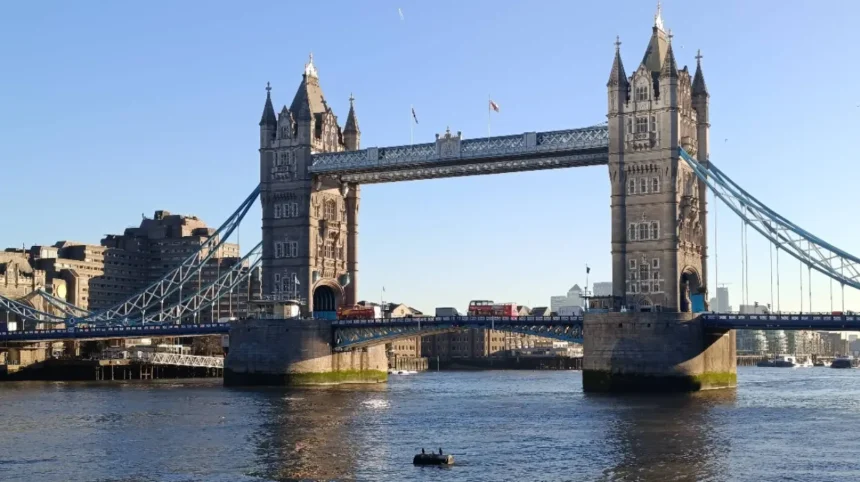
Tower Hamlets offers numerous under-the-radar attractions beyond the Tower of London and Tower Bridge, including Victoria Park, London Museum Docklands, street art in Hackney Wick, historic markets like Spitalfields and Roman Road, and cultural hubs such as the East London Mosque and Whitechapel Gallery. These sites provide authentic local experiences, rich heritage, and modern creative energy without the crowds of central London landmarks.
- Where can visitors experience authentic local culture away from tourist crowds?
- Which parks and green spaces in Tower Hamlets offer unique experiences?
- What museums and galleries in Tower Hamlets are free and under-visited?
- Which markets in Tower Hamlets provide authentic shopping and dining experiences?
- How can digital nomads and business travellers find work-friendly local hubs?
- What historical sites in Tower Hamlets reveal deeper East End heritage?
- Which cultural and community events in Tower Hamlets are worth attending?
- What practical tips help tourists maximise visits to Tower Hamlets?
- How do Tower Hamlets attractions compare to central London landmarks in visitor experience?
- What future developments will enhance Tower Hamlets’ attraction landscape?
Tower Hamlets spans 7.7 square miles in East London and contains over 30 parks, 12 museums and galleries, and dozens of independent markets and cultural venues. The borough attracts more than 12 million visitors annually, yet many explore only the well-known Tower of London and Canary Wharf, missing deeper local gems.
Where can visitors experience authentic local culture away from tourist crowds?
Visitors seeking authentic local culture should explore neighbourhoods like Bethnal Green, Whitechapel, and Wapping, where independent shops, community markets, and historic pubs dominate the streetscape. These areas retain strong East End identity, with diverse food scenes, street art, and grassroots cultural institutions.
Bethnal Green hosts the Young V&A (formerly the V&A Museum of Childhood), a free museum dedicated to design and creativity for all ages, drawing over 400,000 visitors yearly. Whitechapel contains the Whitechapel Gallery, established in 1901, which showcases contemporary art and hosts major exhibitions by artists such as Pablo Picasso and Jackson Pollock. Wapping preserves maritime heritage along the Thames Path, with historic warehouses, traditional pubs like The Captain Kidd, and the Prospect of Whitby, London’s oldest riverside pub, dating to 1520.
The East London Mosque, located in Whitechapel, serves as one of the largest mosques in the UK and welcomes over 10,000 worshippers weekly. Non-Muslim visitors can join guided tours to learn about Islamic culture and architecture, making it a significant cultural landmark beyond typical tourist itineraries.
Which parks and green spaces in Tower Hamlets offer unique experiences?
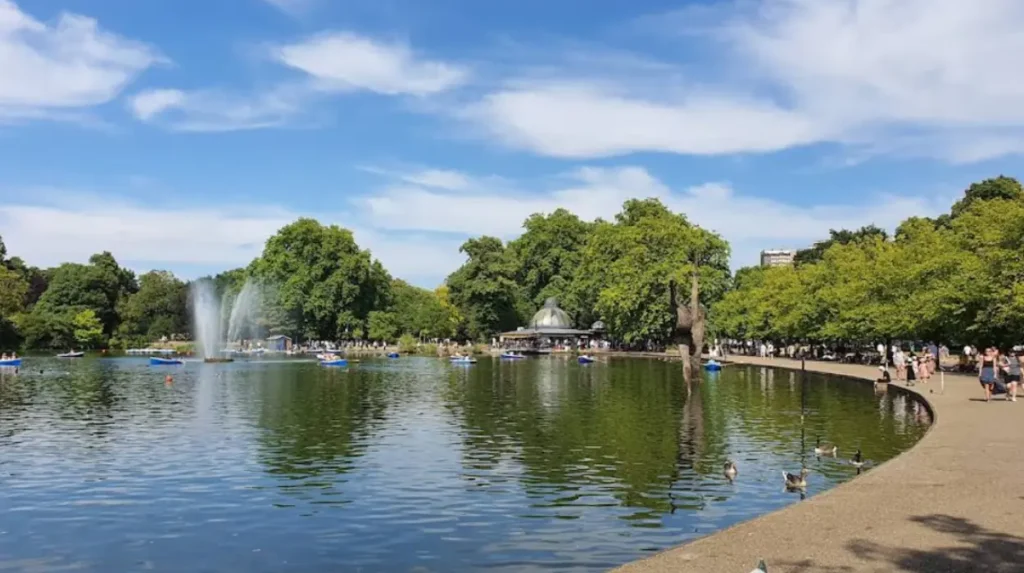
Victoria Park, Mile End Park, and Mudchute City Farm provide distinct green-space experiences, from lake boating and pagodas to urban ecology trails and free animal encounters. These spaces combine recreation, nature, and community activity without the density of central London parks.
Victoria Park covers 86 hectares and opened in 1845 as London’s first public park. It features two lakes with boat hire, a Chinese pagoda, a lido for swimming, and a Sunday food market attracting thousands. The park hosts major events such as All Points East and Victoria Park Live, drawing over 100,000 attendees annually.
Mile End Park stretches 3.2 kilometres along the Regent’s Canal, connecting Bow Wharf to Limehouse. It includes the Ecology Park, Arts Park, and Terraced Garden, offering walking and cycling routes through restored industrial landscapes. The park’s canal-side path provides views of houseboats, wildlife, and urban art installations.
Mudchute City Farm in Isle of Dogs spans 12 acres and houses over 200 animals, including pigs, sheep, and alpacas. Entry is free, and the farm operates daily from 9am to 5pm, making it ideal for families seeking rural experiences within the city.
What museums and galleries in Tower Hamlets are free and under-visited?
London Museum Docklands, Young V&A, and Whitechapel Gallery offer free entry and focus on maritime history, design, and contemporary art, yet receive fewer visitors than central London museums. These institutions provide deep cultural insights without admission fees or queues.
London Museum Docklands, located in a Grade I listed warehouse at West India Quay, chronicles 400 years of port history, including the transatlantic slave trade and Docklands regeneration. It opened in 2003 and welcomes over 500,000 visitors annually, with free entry and daily opening from 10am to 5pm. A new museum building is scheduled to open on 28 November 2026, expanding exhibition space and interactive displays.
The Young V&A in Bethnal Green holds over 120,000 objects related to childhood, design, and play. It reopened in 2023 after a £13 million refurbishment and hosts hands-on workshops, exhibitions, and events for all ages.
Whitechapel Gallery, founded in 1901, presents free contemporary art exhibitions and has launched careers of artists such as Frida Kahlo and Mark Rothko. It remains a cornerstone of East London’s art scene, with extended evening openings and community programmes.
Which markets in Tower Hamlets provide authentic shopping and dining experiences?
Spitalfields Market, Roman Road Market, and Columbia Road Flower Market offer diverse food, vintage goods, and fresh flowers, operating on specific days with strong local followings. These markets reflect Tower Hamlets’ multicultural identity and trading heritage.
Spitalfields Market, established in 1638, operates daily with Thursday to Sunday featuring over 90 traders selling street food, fashion, and crafts. It attracts 10 million visitors yearly and sits adjacent to the historic Spitalfields Church and Huguenot heritage sites.
Roman Road Market in Bow runs Monday to Saturday, offering fresh produce, Caribbean food, and household goods at low prices. It remains one of London’s least touristy markets, serving a predominantly local clientele.
Columbia Road Flower Market operates every Sunday from 9am to 3pm, featuring over 50 stalls selling cut flowers, potted plants, and garden accessories. The street also hosts independent boutiques, cafes, and vintage shops, creating a vibrant weekend destination.
How can digital nomads and business travellers find work-friendly local hubs?
Canary Wharf, The Trampery Old Street, and independent cafes in Shoreditch and Bethnal Green provide co-working spaces, high-speed Wi-Fi, and networking opportunities tailored to remote workers and business travellers. These hubs blend productivity with local culture and transport links.
Canary Wharf contains over 20 co-working spaces, including WeWork and The Workspace, with 24/7 access, meeting rooms, and business lounges. The area’s Elizabeth Line connection reduces travel time to central London to under 10 minutes.
The Trampery Old Street in Shoreditch offers memberships for freelancers and startups, with events, mentoring, and collaborative environments. Independent cafes such as The Gentlewoman in Shoreditch and Kaffeine in Bethnal Green provide reliable Wi-Fi, speciality coffee, and quiet corners for remote work.
What historical sites in Tower Hamlets reveal deeper East End heritage?
The Leadenhall Market, St Katharine Docks, and Historic Royal Palaces-related sites uncover Roman, medieval, and maritime layers of Tower Hamlets’ past, often overlooked by standard tourist routes. These locations connect present-day borough to its ancient and industrial roots.
Leadenhall Market dates to 1321 and occupies the site of Roman London’s forum. Its Victorian roof, designed by Sir Horace Jones in 1881, features ornate ironwork and cobbled floors, earning Grade II* listing in 1972. The market appeared in Harry Potter and the Philosopher’s Stone as Diagon Alley and remains a working food and retail hub.
St Katharine Docks, opened in 1828, handled global trade until the 1960s and now hosts a marina, hotels, and the Tower Hotel. The dock’s warehouses and cranes preserve industrial architecture, with walking tours explaining its role in the British Empire’s commerce.
For deeper historical context, explore the full history of Tower Hamlets from Roman times to Docklands regeneration to understand how the borough evolved from a riverside settlement to a global financial district. This background enriches visits to modern sites by revealing layers of trade, migration, and industry.
Which cultural and community events in Tower Hamlets are worth attending?
Victoria Park festivals, All Points East music event, and community-led cultural celebrations in Whitechapel and Bethnal Green draw large crowds and showcase local talent, food, and arts. These events reflect the borough’s diversity and creative energy.
All Points East, held annually in Victoria Park since 2018, features international headliners and local acts, attracting over 100,000 attendees across multiple days. The festival includes food vendors, art installations, and family zones.
Whitechapel hosts the annual Whitechapel Festival, celebrating local artists, musicians, and community groups with free performances and workshops. Bethnal Green’s monthly First Thursday art walk opens galleries and studios to the public, fostering direct engagement with creators.
Explore More Area Guide
Tower Hamlets Visitor Guide: Attractions, Parks and Walks
Best Places to Visit in Tower Hamlets for First-Time Visitors
What practical tips help tourists maximise visits to Tower Hamlets?
Visitors should use public transport (DLR, Elizabeth Line, Overground), plan around market days, and allocate half-day blocks per neighbourhood to experience depth without rushing. Free museum entry, early starts, and local food markets enhance value and authenticity.
The DLR connects Canary Wharf, West India Quay, and South Quay to central London in under 15 minutes. The Elizabeth Line reduces travel from Paddington to Canary Wharf to 10 minutes. Buses 135, 277, and D3 serve Museum of London Docklands and surrounding areas.
Plan visits to Spitalfields Market on Thursday to Sunday for full trader participation, and Columbia Road Flower Market on Sunday mornings for peak bloom. Arrive at London Museum Docklands by 10am to avoid afternoon crowds and allow at least one hour for galleries.
How do Tower Hamlets attractions compare to central London landmarks in visitor experience?
Tower Hamlets sites offer comparable cultural depth with fewer crowds, lower costs, and stronger local immersion, making them ideal for repeat visitors and those seeking authenticity over iconography. Free entry, shorter queues, and neighbourhood integration differentiate the experience.
While the Tower of London charges £34.80 for adult entry and sees 3 million visitors yearly, London Museum Docklands remains free with 500,000 annual guests. Victoria Park’s 86 hectares exceed Hyde Park’s 142 hectares in event density per square mile, hosting more festivals per capita.
Spitalfields Market’s 90 traders on peak days rival Camden Market’s scale but with shorter queues and more diverse food options. Whitechapel Gallery’s free contemporary exhibitions match Tate Modern’s quality without admission fees or timed tickets.
What future developments will enhance Tower Hamlets’ attraction landscape?
The new London Museum Docklands building opening in November 2026, ongoing Elizabeth Line expansions, and regeneration projects in Poplar and Isle of Dogs will add exhibition space, transport links, and public realm improvements. These developments will increase visitor capacity and accessibility.
The new London Museum Docklands will double gallery space, add interactive digital exhibits, and extend opening hours to 6pm on weekends. Elizabeth Line upgrades will increase frequency to every 2.5 minutes during peak times, reducing wait times.
Poplar’s new riverside walkway, scheduled for completion in 2027, will connect Blackwall Basin to Limehouse, adding cafes, public art, and cycle lanes. Isle of Dogs’ South Quay Plaza will introduce a 24-hour cultural hub with galleries, performance spaces, and food markets by 2028.
Tower Hamlets continues to evolve as a destination for travellers seeking depth beyond London’s postcard sites, combining heritage, creativity, and community in accessible, affordable experiences.
What are the best hidden attractions in Tower Hamlets?
Some of the best hidden attractions in Tower Hamlets include Victoria Park, London Museum Docklands, Whitechapel Gallery, Mudchute City Farm, Roman Road Market, Columbia Road Flower Market, and the historic riverside at Wapping.