Tower Hamlets is one of East London’s most vibrant boroughs, combining a rich medieval heritage with a diverse, multicultural community. Known for landmarks like the Tower of London—a UNESCO World Heritage Site attracting millions—it spans 7.63 square miles and is home to over 310,000 residents. This borough offers a unique blend of history, culture, and modern life, making it a fascinating area for both locals and visitors.
Ancient Roots and Historic Evolution
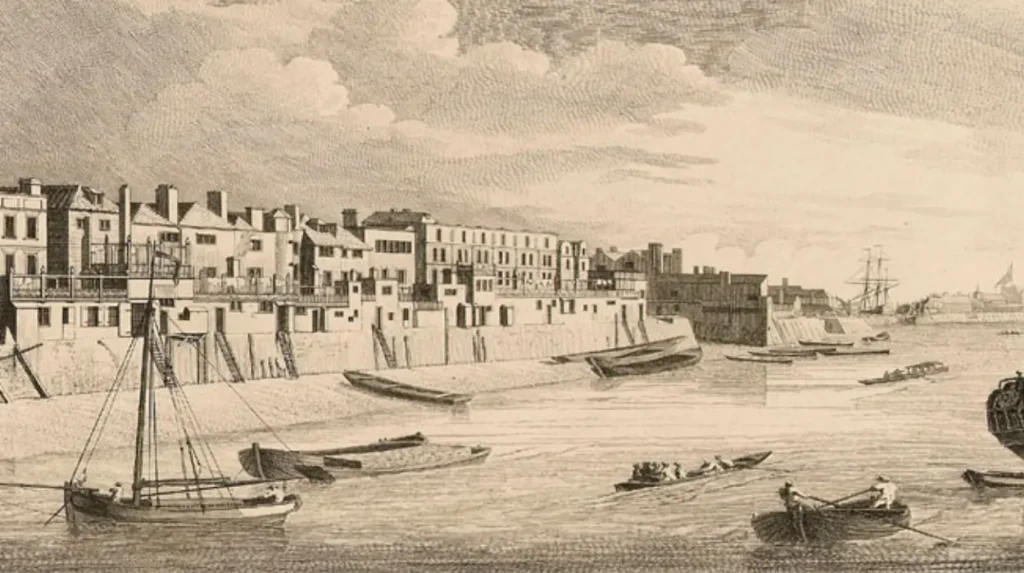
The history of Tower Hamlets dates back to Roman times when the area was part of Londinium’s eastern defenses. The iconic Tower of London was built in 1078 by William the Conqueror to secure Norman dominance and has served various roles including royal palace and prison. The borough’s name originates from the 17th-century militia formed to protect the Tower. Over the centuries, Tower Hamlets grew as a hub for shipbuilding and trade, especially during the Industrial Revolution, which also saw the development of dense working-class neighborhoods. Despite heavy bombing during WWII, many historical sites remain, such as Trinity Square Gardens and Victorian philanthropic housing initiatives that helped shape social policy today.
Iconic Landmarks and Hidden Gems
Tower Hamlets boasts many famous landmarks including the Tower of London with its Crown Jewels and the iconic Tower Bridge, completed in 1894, known for its bascule mechanism and panoramic walkways. St Katharine Docks offers scenic marinas and historic warehouses now converted to dining spaces. The Prospect of Whitby, a pub dating back to 1520, stands as a testament to the borough’s long maritime history. Modern attractions like the ArcelorMittal Orbit in Queen Elizabeth Olympic Park showcase the area’s transformation from industrial docks to creative and recreational spaces, reflecting East London’s evolution.
Vibrant Markets and Culinary Scene
The borough pulsates with famous markets reflecting its multicultural fabric. Brick Lane is central to “Banglatown,” known for curry houses and vibrant street food markets, while Columbia Road Flower Market brings the community together every Sunday with colorful blooms and lively stalls. Petticoat Lane and Old Spitalfields Market also contribute heritage and variety, offering goods from leather to artisanal crafts. Tower Hamlets’ food scene ranges from classic salt beef bagels to modern vegan eateries, catering to a diverse population and reinforcing the borough’s reputation as a culinary destination.
Cultural Hubs and Artistic Soul
Tower Hamlets embraces its artistic heritage through institutions like the Whitechapel Gallery, showcasing contemporary art since 1901, and the V&A Museum of Childhood in Bethnal Green. Street art thrives here, with Banksy’s famous works and local murals celebrating Bengali culture adding vibrant public art to the streets. The borough supports a thriving creative economy with film studios like Three Mills and venues like Wilton’s Music Hall, London’s oldest surviving grand music hall, hosting diverse cultural events. Community arts play a key role in fostering social cohesion among its multicultural populations.
Green Spaces and Outdoor Escapes
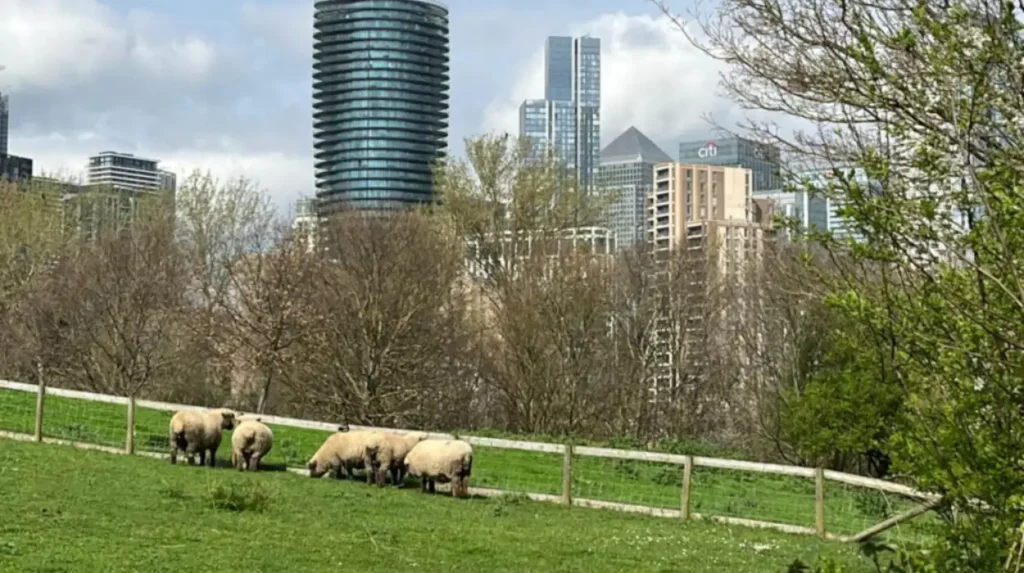
Despite its urban density, Tower Hamlets offers extensive green spaces including Victoria Park, known as the “People’s Park,” which hosts boating, festivals, and peaceful gardens. Mile End Park is notable for its ecological projects and recreational facilities, while riverside paths along the Thames provide natural retreats. These parks support outdoor activities and mental well-being for residents, particularly important given the borough’s high deprivation rates. Investment in green infrastructure continues to enhance these spaces, reflecting commitment to sustainability and climate resilience.
Modern Life and Community Spirit
Tower Hamlets today is characterized by contrasts: the global financial hub of Canary Wharf rises alongside a significant proportion of social housing. With over 270 languages spoken, the borough exemplifies multicultural living with vibrant religious and cultural festivals fostering community bonds. Infrastructure improvements such as Crossrail enhance connectivity, while ongoing housing developments address urban pressures. Community groups advocate for affordable arts and ethical shopping, reflecting local values alongside modern urban living. Football fans cherish the nearby London Stadium, home of West Ham United, further embedding sport into local life.
Enduring Appeal of Tower Hamlets
With its layers of rich history, lively markets, cultural landmarks, and green spaces, Tower Hamlets remains a timeless jewel of East London. Its ability to blend tradition with innovation makes it a place of continual discovery and belonging for residents and visitors alike. Whether exploring medieval castles or enjoying vibrant street life, Tower Hamlets offers an enduring connection to London’s past and future.
All information has been gathered and verified from official sources, government reports, academic studies, and authoritative historic records to ensure accurate, evergreen content relevant for local audiences and search engines alike.