Tower Hamlets is one of East London’s most historically significant and culturally diverse boroughs. It offers a distinctive slow-travel experience through historic riverside districts, traditional markets, independent businesses, contemporary cultural spaces and residential neighbourhoods. Located immediately east of the City of London, the borough combines centuries of maritime history with modern urban development.
- What Makes Tower Hamlets Suitable for Slow Travel?
- Which Tower Hamlets Neighbourhoods Are Best for Exploring at Leisure?
- Wapping: Historic Streets and Riverside Walks
- Whitechapel: Markets, Food and Cultural Diversity
- Bethnal Green: Museums, Residential Streets and Independent Businesses
- Spitalfields: Historic Architecture and Independent Shopping
- Limehouse: Canals, Maritime Heritage and Quiet Waterfront Spaces
- Poplar: Community Markets and East London Heritage
- Canary Wharf: Modern Architecture and Waterfront Exploration
- How Does Tower Hamlets’ History Shape Its Neighbourhoods Today?
- Which Markets Should Slow Travellers Explore in Tower Hamlets?
- Where Can Visitors Experience Culture and Museums in Tower Hamlets?
- Which Walking Routes Offer a Relaxed Way to Explore Tower Hamlets?
- Thames Path Through Wapping
- Limehouse Basin and Regent’s Canal
- Victoria Park and Mile End
- Walking Around Spitalfields and Brick Lane
- Where Can Slow Travellers Enjoy Local Food in Tower Hamlets?
- How Can Visitors Plan a Relaxed Day in Tower Hamlets?
- When Is the Best Time to Explore Tower Hamlets Slowly?
- How Can Visitors Travel Between Tower Hamlets Neighbourhoods?
- Why Does Slow Travel Benefit Tower Hamlets’ Local Communities?
- What Should Visitors Know Before Exploring Tower Hamlets?
- Why Is Tower Hamlets Worth Exploring Beyond London’s Main Tourist Attractions?
Slow travel in Tower Hamlets focuses on exploring individual neighbourhoods without rushing between attractions. Visitors can walk along the Thames, discover the historic streets of Wapping, experience the markets of Whitechapel, enjoy the independent food scene in Bethnal Green and explore the regenerated waterfront around Canary Wharf.
The borough is particularly suitable for visitors who want to understand London’s local character beyond its major tourist attractions. Its neighbourhoods reveal connections between international migration, maritime trade, manufacturing, religious heritage, public spaces and contemporary urban life.
What Makes Tower Hamlets Suitable for Slow Travel?
Tower Hamlets is suitable for slow travel because its neighbourhoods combine walkable streets, historic landmarks, traditional markets, independent businesses and riverside public spaces. Visitors can explore local culture, architecture, food and community history through relaxed journeys rather than tightly scheduled sightseeing.
Slow travel is a form of tourism that prioritises longer experiences, local engagement and a deeper understanding of destinations. Instead of visiting numerous attractions within a single day, travellers spend more time exploring individual districts.
Tower Hamlets supports this approach through its compact geographical layout and diverse neighbourhoods. Several areas contain historic streets, public gardens, markets and cultural destinations within walking distance of one another.
The borough sits in the East End of London and includes neighbourhoods such as:
- Wapping: A historic riverside district associated with London’s maritime trade and docklands.
- Whitechapel: A culturally diverse neighbourhood known for its markets, museums and immigrant heritage.
- Bethnal Green: A residential and cultural district with museums, traditional pubs and independent businesses.
- Spitalfields: An established market district with historic architecture, food businesses and independent retail.
- Limehouse: A historic waterfront neighbourhood with canal connections and former dock infrastructure.
- Poplar: A residential district with industrial heritage, public spaces and connections to Canary Wharf.
- Canary Wharf: A modern financial and commercial district with waterfront walks, public art and landscaped spaces.
These areas offer different experiences without requiring visitors to travel across London repeatedly.
Slow travel also supports local businesses. Independent cafés, restaurants, specialist shops and market traders provide opportunities to spend money within the communities being explored.
Which Tower Hamlets Neighbourhoods Are Best for Exploring at Leisure?
Wapping, Whitechapel, Bethnal Green, Spitalfields, Limehouse and Poplar offer distinct slow-travel experiences. Each neighbourhood combines different elements of East London life, including maritime heritage, international food, independent shopping, architecture and residential streets.
Choosing a neighbourhood based on personal interests makes exploring Tower Hamlets easier. Visitors interested in history can concentrate on Wapping and Limehouse, while those seeking markets and food experiences can spend longer in Whitechapel and Spitalfields.
Wapping: Historic Streets and Riverside Walks
Wapping is one of the strongest neighbourhoods for slow travel in Tower Hamlets. Its location beside the River Thames connects visitors with London’s maritime and commercial history.
The district developed around shipping, warehouses and dock-related employment. Former industrial buildings now sit alongside residential properties, riverside pubs and pedestrian routes.
Important places include:
- Wapping High Street: A historic riverside road with converted warehouses and traditional buildings.
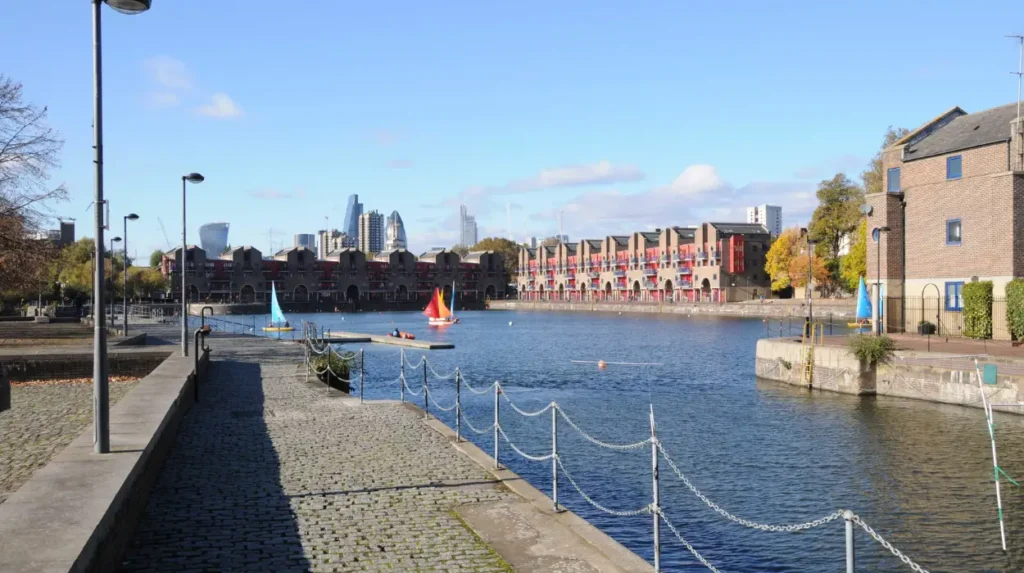
- Shadwell Basin: A former dock basin surrounded by residential development and waterside paths.
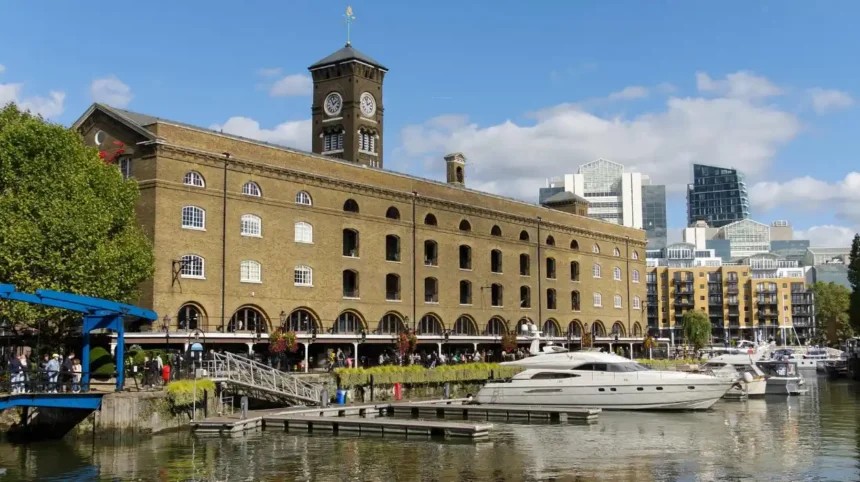
- St Katharine Docks: A historic dock complex near the Tower of London, with restaurants, boats and pedestrian spaces.
- The Prospect of Whitby: A historic riverside pub traditionally associated with Wapping’s maritime character.
Visitors can explore Wapping through a relaxed walk along the river and surrounding streets. The route provides opportunities to observe warehouse architecture, dock infrastructure and the changing relationship between London’s waterfront and residential development.
Wapping suits travellers who prefer quiet exploration, architectural photography and historic environments.
Whitechapel: Markets, Food and Cultural Diversity
Whitechapel offers a different experience through its international communities, street markets and cultural institutions.
Whitechapel Road Market is one of the neighbourhood’s established commercial destinations. Traders sell clothing, household products, fresh produce and everyday goods. The market provides insight into the area’s working commercial environment.
Whitechapel is also associated with successive waves of migration. Huguenot, Jewish, Bengali and other communities contributed to its changing cultural identity.
Key places include Whitechapel Gallery, the Royal London Hospital area and the streets connecting Whitechapel Road with Brick Lane.
The Whitechapel Gallery is an important contemporary art institution. It presents exhibitions and public programmes that connect visitors with modern and contemporary art.
Food is another important part of Whitechapel’s identity. Restaurants, bakeries and specialist food shops reflect the borough’s international population.
A slow-travel visit should include time for browsing the market, visiting a cultural institution and eating at a locally established restaurant.
Bethnal Green: Museums, Residential Streets and Independent Businesses
Bethnal Green provides a balance between cultural attractions and residential neighbourhood exploration.
Its streets contain Victorian housing, traditional commercial buildings, cafés and independent shops. The district is particularly useful for visitors interested in London’s social history.
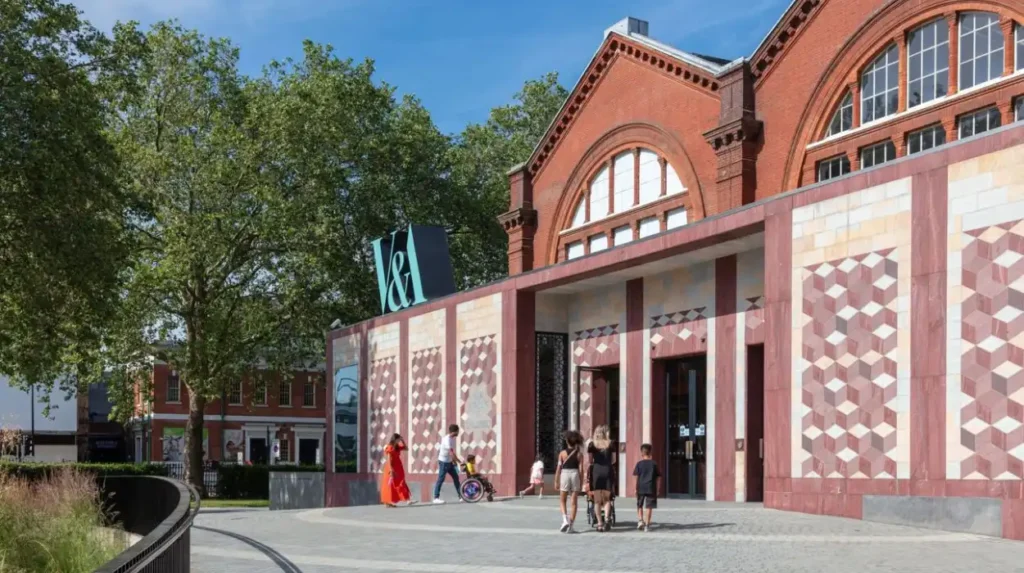
The Young V&A is a major cultural attraction in the area. Formerly known as the Museum of Childhood, it focuses on creativity, design and objects connected with childhood.
Nearby Columbia Road is known for its Sunday flower market. The market attracts visitors interested in flowers, independent shops and the area’s historic commercial streets.
Bethnal Green also offers access to Victoria Park, although parts of the park fall outside Tower Hamlets depending on the entrance and route used.
Visitors can combine a museum visit with a relaxed neighbourhood walk, café stop and independent shopping.
Spitalfields: Historic Architecture and Independent Shopping
Spitalfields is particularly suitable for visitors who want to combine architecture, food and shopping.
The neighbourhood developed through trade, immigration and manufacturing. Its historic streets contain buildings associated with Huguenot silk weavers, Jewish communities and later commercial activity.
Old Spitalfields Market is one of its best-known destinations. The covered market features independent traders, food businesses, clothing retailers and specialist products.
Fournier Street is another important location. Its Georgian buildings reflect the area’s eighteenth-century development and connections with Huguenot silk weaving.
Commercial Street links several historic parts of Spitalfields and provides access to restaurants, shops and market spaces.
Visitors should allow time to explore the smaller streets rather than concentrating exclusively on the market. The surrounding architecture explains much of the neighbourhood’s historical development.
Limehouse: Canals, Maritime Heritage and Quiet Waterfront Spaces
Limehouse is a strong choice for travellers interested in London’s waterways and industrial history.
The neighbourhood developed around maritime commerce, shipbuilding and dock employment. Limehouse Basin connected the Regent’s Canal with the Thames and supported the movement of goods between inland waterways and London’s port.
Today, the basin is surrounded by residential developments, moored boats and pedestrian routes. Narrow Street contains historic buildings and traditional riverside establishments.
The Limehouse Cut provides another opportunity for leisurely walking. It is an important historic canal connecting the Limehouse area with the wider East London waterway network.
Visitors can explore the basin, walk along the canal and continue towards the Thames Path. The neighbourhood provides a quieter alternative to the busier commercial districts.
Poplar: Community Markets and East London Heritage
Poplar offers a community-focused experience through traditional markets, historic buildings and residential streets.
Chrisp Street Market is a central attraction. It is associated with the Festival of Britain and the 1951 exhibition at the Lansbury Estate. Its pedestrianised shopping environment provides access to everyday retail businesses, food stalls and cafés.
The market remains an important local shopping destination rather than exclusively a visitor attraction.
Nearby All Saints Church provides a connection with Poplar’s historic development. The surrounding streets contain buildings associated with the area’s industrial and residential past.
Poplar suits travellers interested in ordinary East London life, traditional shopping and local architecture.
Canary Wharf: Modern Architecture and Waterfront Exploration
Canary Wharf offers a contemporary contrast to Tower Hamlets’ historic neighbourhoods. Its commercial buildings, public squares, landscaped gardens and waterfront paths create an environment suited to relaxed urban exploration.
The district developed through the regeneration of the former West India Docks. The transformation changed an area previously associated with maritime trade into an international financial and commercial centre.
Visitors can explore:
- Jubilee Park: A landscaped public space between major office buildings.
- Crossrail Place Roof Garden: A covered garden with plants from different regions and a distinctive architectural setting.
- Cabot Square: A landscaped commercial square surrounded by modern buildings.
- West India Quay: A historic waterfront area with restaurants and access to the Museum of London Docklands.
Canary Wharf also offers cafés, restaurants, shopping facilities and public art. It provides a useful destination for visitors who want to experience London’s contemporary architecture alongside its historic docklands.
How Does Tower Hamlets’ History Shape Its Neighbourhoods Today?
Tower Hamlets developed through maritime trade, manufacturing, migration and industrial expansion. These historical influences remain visible in its warehouses, markets, religious buildings, canals and residential streets, giving each neighbourhood a distinct cultural and architectural identity.
The borough’s history stretches back to Roman Britain. Its modern identity developed through its proximity to the River Thames, the Port of London and the expanding commercial centre of London.
The name Tower Hamlets refers to the historic hamlets associated with the Tower of London. These settlements developed around the Tower’s wider administrative and defensive landscape.
During the eighteenth and nineteenth centuries, the East End became an important centre for trade, manufacturing and dock employment. The growth of London’s port attracted workers from Britain and overseas.
Different migrant communities established businesses, religious institutions and residential communities. Their influence remains visible in the borough’s food, architecture and cultural institutions.
The Brick Lane Jamme Masjid is a particularly clear example of this historical layering. The building began as a French Protestant church in 1743, later became a synagogue and subsequently became a mosque.
This transformation reflects the changing religious and demographic character of East London.
The docks also shaped neighbourhoods such as Wapping, Limehouse and the Isle of Dogs. Warehouses, dock walls and former industrial buildings provide physical evidence of London’s maritime economy.
The closure and decline of traditional docks led to significant economic changes. Regeneration transformed former industrial waterfronts into residential, commercial and cultural environments.
For visitors interested in understanding these changes, the borough’s historical landmarks provide an important starting point. As you explore the modern neighbourhoods, you are crossing land shaped by centuries of trade and migration. Read about the full [Maritime History of Tower Hamlets and Its Historic Docklands] to understand the origins of these riverside communities.
Which Markets Should Slow Travellers Explore in Tower Hamlets?
Tower Hamlets has a varied market culture, including Brick Lane Market, Columbia Road Flower Market, Whitechapel Market, Roman Road Market and Chrisp Street Market. These destinations provide opportunities to discover independent traders, local food and everyday shopping.
Markets are among the most accessible ways to experience the borough’s local culture. They connect visitors with independent businesses, traditional shopping practices and the area’s multicultural food scene.
The London Borough of Tower Hamlets identifies several established street markets across its neighbourhoods. Their products and trading days differ, making it important to plan visits around individual opening schedules.
Brick Lane Market
Brick Lane Market is known for vintage clothing, antiques, artwork, street food and independent traders. Its location connects Spitalfields with the wider Whitechapel and Shoreditch areas.
The street also has a strong Bangladeshi cultural identity, reflected in its restaurants, specialist food businesses and community institutions.
Sunday is particularly suitable for visitors seeking the market atmosphere.
Columbia Road Flower Market
Columbia Road Flower Market operates on Sundays and specialises in flowers and plants.
The surrounding street contains independent shops, galleries, cafés and traditional businesses. Visitors can spend time browsing the stalls before exploring the nearby residential streets of Bethnal Green.
Whitechapel Market
Whitechapel Market operates along Whitechapel Road. It sells fresh produce, spices, clothing, jewellery and household products.
Its trading environment reflects the everyday needs of the surrounding community. It is particularly useful for visitors interested in local food ingredients and international retail businesses.
Roman Road Market
Roman Road Market serves the Bow and Bethnal Green communities. It operates on Tuesdays, Thursdays and Saturdays, with stalls selling clothing, household goods, jewellery and food.
The market provides a more neighbourhood-focused experience than some of East London’s larger visitor destinations.
Chrisp Street Market
Chrisp Street Market is situated in Poplar. Its pedestrianised layout provides access to independent retailers, fresh produce stalls, cafés and traditional food businesses.
It is a useful destination for travellers exploring the history of post-war housing and regeneration in East London.
Visitors should check current market schedules before travelling because individual trading days and seasonal arrangements differ. The council’s official market information provides the most useful starting point.
Where Can Visitors Experience Culture and Museums in Tower Hamlets?
Tower Hamlets offers museums, galleries, historic buildings and performance venues that explain East London’s cultural development. The Museum of London Docklands, Young V&A, Whitechapel Gallery and Wilton’s Music Hall provide distinct experiences.
Cultural exploration is an important part of slow travel because it provides context for the neighbourhoods surrounding each attraction.
The borough’s institutions cover subjects ranging from maritime commerce and childhood to contemporary art and performance.
Museum of London Docklands
The Museum of London Docklands explores the history of the River Thames, London’s port and the development of the Docklands.
The museum is housed in a historic warehouse at West India Quay. Its exhibitions explain the relationship between shipping, international trade, migration and London’s economic development.
It is particularly relevant to visitors exploring Wapping, Limehouse and Canary Wharf because it provides historical context for the surrounding waterfront.
Young V&A
The Young V&A in Bethnal Green focuses on creativity, design, play and childhood.
Its collections and exhibitions make it a useful cultural destination for families and visitors interested in design history.
The museum also provides an opportunity to explore Bethnal Green’s residential streets and independent businesses.
Whitechapel Gallery
Whitechapel Gallery is an important contemporary art institution in East London.
Its exhibitions and public programmes connect local visitors with international artistic practices. Its location makes it easy to combine a gallery visit with Whitechapel Market and the surrounding historic streets.
Wilton’s Music Hall
Wilton’s Music Hall is a historic performance venue in the Whitechapel and Wapping area.
The building is associated with nineteenth-century entertainment and music hall culture. It provides an opportunity to experience East London’s theatrical heritage through performances and cultural events.
Opening arrangements and performance schedules vary, so visitors should check the venue’s official information before planning an evening visit.
The borough’s official cultural resources also identify Rich Mix, Genesis Cinema and other venues as important parts of its contemporary cultural landscape.
Which Walking Routes Offer a Relaxed Way to Explore Tower Hamlets?
The Thames Path, Limehouse Basin, Regent’s Canal connections and routes around Victoria Park offer different ways to explore Tower Hamlets on foot. These walks combine historic buildings, waterways, landscaped spaces and neighbourhood shopping streets.
Walking is one of the most practical ways to experience the borough at a slower pace. It allows visitors to observe architectural details, explore independent businesses and spend time in public spaces.
Thames Path Through Wapping
The Thames Path provides access to several historic riverside locations. The Wapping section is particularly interesting because it passes former warehouses, dock-related buildings and traditional riverside establishments.
Visitors can explore the riverside streets and continue towards Shadwell Basin. The route offers opportunities to observe the relationship between historic dock infrastructure and modern residential development.
Limehouse Basin and Regent’s Canal
Limehouse Basin provides a quieter walking environment around the water. Visitors can follow sections of the canal network and explore the surrounding residential streets.
The route is suitable for travellers interested in waterways, boats, historic infrastructure and urban photography.
Victoria Park and Mile End
Victoria Park opened in 1845 and became one of London’s earliest major public parks created for the East End population.
Its landscaped grounds, lakes, walking paths and open spaces provide a break from busy commercial streets.
Visitors can combine a park walk with nearby Mile End and Bethnal Green. The surrounding neighbourhoods contain cafés, traditional shops and cultural destinations.
Walking Around Spitalfields and Brick Lane
The streets around Spitalfields and Brick Lane provide a particularly rewarding urban walking experience.
Visitors can explore Fournier Street, Commercial Street, Artillery Passage and the Old Truman Brewery area.
The Tower Hamlets cultural trail identifies 20 heritage locations, including Christ Church Spitalfields, Boundary Estate, Princelet Street, Brick Lane Jamme Masjid and Old Spitalfields Market. towerhamlets.gov.uk
This established heritage route provides a structured way to discover the area’s architecture, migration history and commercial development.
Where Can Slow Travellers Enjoy Local Food in Tower Hamlets?
Tower Hamlets offers a diverse food scene shaped by British, Bangladeshi, Jewish, European and international culinary traditions. Visitors can explore Brick Lane restaurants, Whitechapel food businesses, market stalls and independent cafés.
Food exploration is central to understanding Tower Hamlets. Its restaurants, bakeries, cafés and markets reflect generations of migration and commercial activity.
Brick Lane is particularly associated with Bangladeshi restaurants and South Asian cuisine. Visitors can explore traditional curry restaurants, street-food businesses and specialist food shops.
Whitechapel offers another opportunity to experience South Asian food traditions. Its market environment includes fresh produce, spices, vegetables and ingredients used in regional cooking.
Spitalfields provides a broader selection of independent cafés, restaurants and food traders. Visitors can combine lunch with market shopping and architectural exploration.
Chrisp Street and Roman Road provide more community-oriented food experiences. Traditional cafés, takeaway businesses and local food stalls serve residents as well as visitors.
A slow-travel approach involves choosing a local establishment, spending time understanding its menu and supporting independent businesses. It also means allowing time for traditional market food rather than treating dining as a quick stop between attractions.
Food businesses change over time. Visitors should check current menus, opening hours and dietary information before travelling.
How Can Visitors Plan a Relaxed Day in Tower Hamlets?
A relaxed Tower Hamlets itinerary works best when visitors concentrate on one or two neighbouring districts. Combining a market, cultural attraction, walking route and local meal creates a balanced day without unnecessary travel.
The borough contains enough attractions to support several individual visits. Trying to cover every neighbourhood in one day reduces the time available for meaningful exploration.
A practical approach is to organise activities geographically.
A Historic East London Day
Start in Spitalfields with a relaxed walk around Fournier Street and Old Spitalfields Market.
Continue towards Brick Lane to explore its independent shops, street art and food businesses.
Spend the afternoon exploring Whitechapel Gallery or Whitechapel Market. Finish with dinner at a local restaurant.
A Riverside and Maritime Day
Begin in Wapping and explore its historic streets and riverside buildings.
Continue towards Shadwell Basin and Limehouse Basin, allowing time for photography and waterfront exploration.
Finish at West India Quay with a visit to the Museum of London Docklands.
A Local Culture and Green Space Day
Start in Bethnal Green with a visit to Young V&A.
Continue towards Columbia Road if visiting on Sunday, or explore the independent shops and cafés on surrounding streets.
Spend the afternoon in Victoria Park before finishing with a meal in the wider Bethnal Green or Mile End area.
These itineraries provide a flexible structure. Visitors can extend individual stops according to their interests and energy levels.
When Is the Best Time to Explore Tower Hamlets Slowly?
Spring and summer provide longer daylight hours for riverside walks, markets and parks, while autumn and winter offer opportunities to explore museums, galleries, covered markets and neighbourhood cafés at a comfortable pace.
The best time depends on the type of experience visitors want.
Spring is suitable for exploring parks, gardens and outdoor markets. Seasonal flowers and improving weather make walking routes more enjoyable.
Summer offers longer daylight hours for waterfront exploration. Visitors can spend more time around Canary Wharf, Wapping and Limehouse without rushing to complete walks before sunset.
Autumn provides opportunities to explore historic streets and cultural institutions. Cooler temperatures also make longer urban walks more comfortable.
Winter is suitable for indoor attractions, restaurants, covered markets and performances. Museums and galleries provide alternatives when outdoor conditions are unsuitable.
Sunday is particularly relevant for visitors interested in Columbia Road Flower Market and Brick Lane Market. However, weekday visits provide a different experience because local businesses and residential streets follow their ordinary routines.
Market schedules and museum opening hours change. Checking official information before departure helps avoid unnecessary journeys.
How Can Visitors Travel Between Tower Hamlets Neighbourhoods?
Tower Hamlets is connected by London Underground, Docklands Light Railway, London Overground, Elizabeth line services and local buses. Visitors can combine public transport with walking to explore individual neighbourhoods while minimising unnecessary journeys.
The borough has several transport connections that make independent exploration straightforward.
Whitechapel provides Underground, Overground and Elizabeth line connections. Bethnal Green has Underground and Overground stations, while Canary Wharf is served by the Jubilee line, Elizabeth line and DLR.
Other useful stations include:
- Wapping: London Overground.
- Limehouse: DLR and National Rail services.
- Shadwell: DLR and London Overground.
- West India Quay: DLR.
- Poplar: DLR.
- Mile End: Central, District and Hammersmith & City lines.
- Spitalfields: Liverpool Street and Aldgate East provide convenient access.
Visitors should use walking routes for shorter journeys between neighbouring districts. Public transport is useful when travelling between geographically separated destinations.
Contactless payment and Oyster cards provide convenient ways to use London’s public transport network. Visitors should check Transport for London journey information for current service conditions and planned engineering work.
Why Does Slow Travel Benefit Tower Hamlets’ Local Communities?
Slow travel supports Tower Hamlets by encouraging visitors to use independent businesses, explore local cultural institutions and spend money within neighbourhoods. Longer visits also create opportunities to understand local heritage, community identity and the borough’s changing urban environment.
Tourism has economic and cultural effects on local communities. Visitors who spend time in neighbourhoods beyond major attractions distribute their spending across different businesses.
Independent retailers, market traders, cafés, restaurants and cultural organisations benefit from visitor activity.
Markets such as Roman Road, Whitechapel and Chrisp Street are particularly important because they serve local residents alongside visitors. Exploring these destinations introduces travellers to the borough’s everyday commercial environment.
Slow travel also encourages greater appreciation of historic buildings and public spaces. Visitors who understand the significance of former docks, religious buildings and traditional markets gain a clearer understanding of East London’s development.
The approach also supports cultural exchange. Tower Hamlets contains communities with different languages, traditions, religious institutions and culinary practices.
Respectful visitor behaviour remains important. Travellers should respect residential privacy, follow photography restrictions at religious sites and dispose of waste responsibly.
Future regeneration will continue to influence the borough. Former industrial areas, commercial waterfronts and residential neighbourhoods remain part of London’s wider economic and urban transformation.
For visitors, this means Tower Hamlets offers an evolving destination where historic identity and contemporary development exist alongside one another.
Explore More Area Guide
Tower Hamlets Maritime History: Historic East London Landmarks
Historic Pubs and Traditional Streets in Tower Hamlets
What Should Visitors Know Before Exploring Tower Hamlets?
Visitors should plan neighbourhood-based walks, check market and museum schedules, use public transport for longer distances and allow time for local dining. Respecting residential areas and checking accessibility information makes independent exploration more comfortable.
A few practical considerations improve the experience.
Allow sufficient time: Each neighbourhood deserves individual attention. A market visit, museum exhibition and riverside walk require different amounts of time.
Check market days: Columbia Road Flower Market and Brick Lane Market have particular Sunday trading schedules. Roman Road Market operates on selected weekdays and Saturdays.
Check museum arrangements: Exhibition schedules, admission arrangements and opening hours differ between cultural institutions.
Wear comfortable footwear: Historic streets, canal paths and riverside routes involve extended walking.
Respect local communities: Tower Hamlets is a residential borough as well as a visitor destination. Visitors should respect residents, religious buildings and community spaces.
Consider accessibility: Some historic streets and waterfront paths have uneven surfaces. Visitors requiring step-free access should check individual venue and route information before travelling.
Explore beyond major attractions: Smaller commercial streets, independent shops and local markets often provide a more detailed understanding of neighbourhood character.
Why Is Tower Hamlets Worth Exploring Beyond London’s Main Tourist Attractions?
Tower Hamlets deserves attention from slow travellers because it combines historic docklands, multicultural markets, independent businesses, public parks and contemporary cultural institutions. Its neighbourhoods provide a detailed understanding of London’s East End beyond conventional sightseeing destinations.
The borough offers several distinct experiences within a relatively compact part of East London.
Wapping and Limehouse reveal the area’s maritime past. Whitechapel and Brick Lane demonstrate the influence of migration and international trade. Bethnal Green combines museums, residential streets and independent businesses. Spitalfields brings together historic architecture, markets and contemporary retail.
Poplar provides insight into traditional community commerce, while Canary Wharf illustrates the transformation of former docklands into a modern financial district.
These neighbourhoods make Tower Hamlets suitable for visitors who prefer cultural discovery, independent shopping, relaxed walking and local dining.
Rather than treating the borough as a collection of attractions, travellers can explore it as a connected network of communities with different histories and identities.
For a meaningful East London visit, spending time in individual neighbourhoods provides a more complete understanding of Tower Hamlets and its place in London’s past, present and future.
What is Tower Hamlets famous for?
Tower Hamlets is famous for its maritime heritage, historic docklands, multicultural communities, traditional markets and modern Canary Wharf business district. It also contains well-known destinations such as Brick Lane, Spitalfields and Whitechapel.