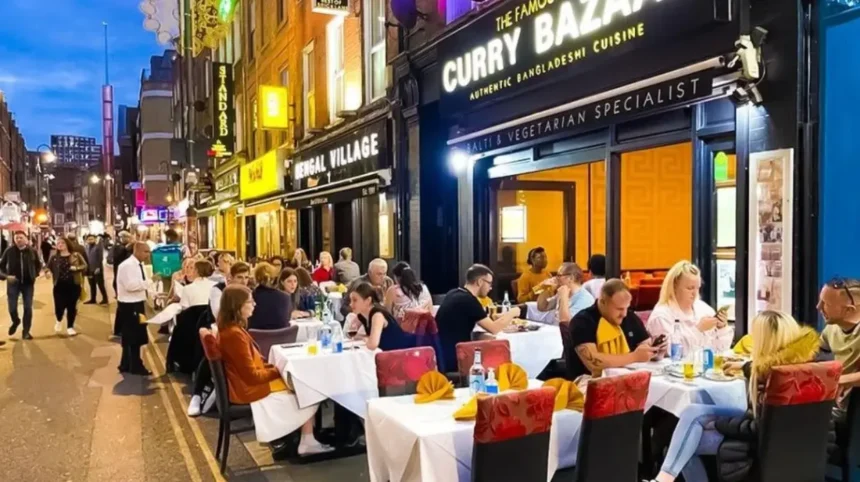
Tower Hamlets is one of East London’s most varied visitor destinations. The borough combines historic streets, former docklands, large public parks, museums, markets, riverside spaces, independent food businesses and multicultural neighbourhoods. A well-planned day can connect the East End’s historic core with modern Canary Wharf without requiring a long journey between attractions.
- What can visitors see in Tower Hamlets in one day?
- Where should a Tower Hamlets day start?
- What attractions should visitors see around Spitalfields and Brick Lane?
- When is Brick Lane Market worth visiting?
- Where can visitors experience Tower Hamlets food culture?
- Which museum is useful for understanding Tower Hamlets?
- Where can visitors enjoy a Tower Hamlets walk?
- Is Victoria Park suitable for an afternoon in Tower Hamlets?
- What cultural experiences are available around Tower Hamlets?
- Where can visitors find quieter green spaces?
- How should visitors plan a full day around Tower Hamlets?
- How can visitors combine Tower Hamlets attractions with food and walking?
- What makes Tower Hamlets different from a standard London sightseeing day?
The borough also has a strong connection with London’s working history. Its docks, markets, industrial sites and residential districts shaped the East End over centuries. Today, those layers remain visible alongside contemporary cultural venues, restaurants, public spaces and business districts.
What can visitors see in Tower Hamlets in one day?
Visitors can combine historic streets, museums, markets, parks, food districts and riverside attractions in one Tower Hamlets day. A practical route connects Spitalfields and Brick Lane with the Docklands, Victoria Park or the Thames, depending on interests and available time.
Tower Hamlets is large enough to support different day plans, but its main visitor areas connect through London Underground, London Overground, buses, walking routes and the Elizabeth line.
The western part of the borough includes Whitechapel, Spitalfields and Brick Lane. These areas provide historic architecture, markets, restaurants, galleries and street art. Further east are Mile End and Victoria Park, followed by the Docklands around Limehouse, Poplar, Canary Wharf and the Isle of Dogs.
The southern edge follows the River Thames. This creates opportunities for riverside walks around Limehouse Basin, Wapping, Canary Wharf and the former dock areas.
Tower Hamlets Council describes the borough as the heart of London’s East End and highlights its connection with the docks, the River Thames, historic communities and modern Docklands development.
A full day therefore works best when attractions are grouped geographically instead of crossing the borough repeatedly.
Where should a Tower Hamlets day start?
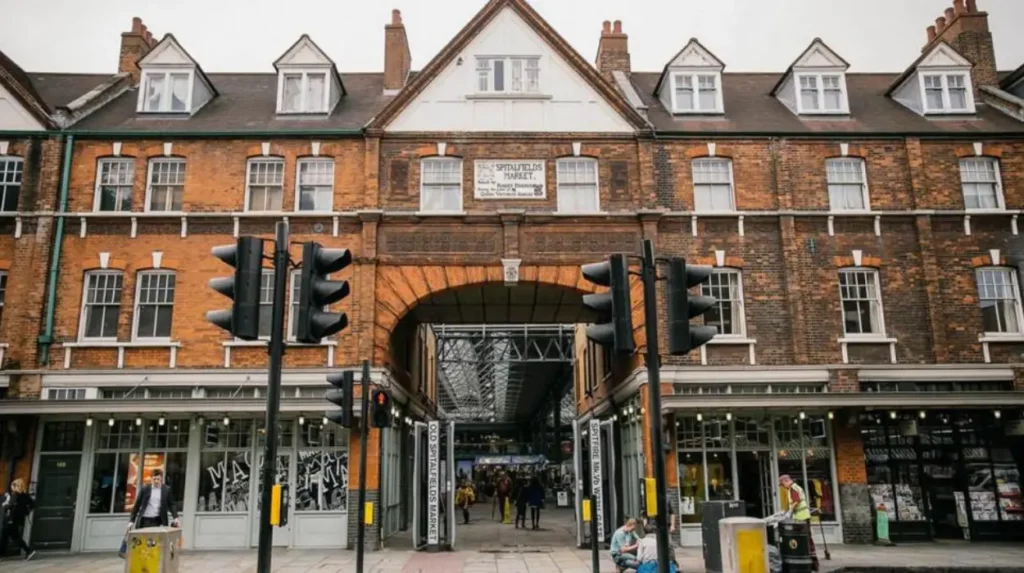
Brick Lane and Spitalfields provide a strong starting point because they combine historic architecture, food, markets, independent businesses and cultural attractions within a compact area. The neighbourhood also provides convenient connections towards Whitechapel, Bethnal Green, Shoreditch and the wider East End.
Brick Lane is one of Tower Hamlets’ best-known streets. The council identifies it as a major East End destination with a long history of immigration, food, street art, creative businesses and independent retail.
The street’s history is particularly important. Brick Lane existed by the 1500s, when it was a field path outside the City of London. Its name developed from brickmaking activity associated with early Flemish settlers.
During the late 17th and 18th centuries, Huguenot refugees established silk-weaving businesses in Spitalfields. Later immigration included Jewish communities and, during the 20th century, Bangladeshi communities. These successive communities shaped the buildings, businesses, religious institutions and food culture of the area.
Visitors can walk from Brick Lane towards Fournier Street and Christ Church Spitalfields. Christ Church was designed by Nicholas Hawksmoor and completed in 1729. The surrounding streets contain surviving Georgian buildings associated with the area’s weaving history.
This is also an ideal point to connect modern sightseeing with deeper historical context. As you explore the modern neighbourhood, you are crossing land with a deep heritage. Read about the full to understand its origins.
What attractions should visitors see around Spitalfields and Brick Lane?
The main attractions around Spitalfields include Brick Lane Market, Old Spitalfields Market, Christ Church Spitalfields, Fournier Street, Brick Lane Jamme Masjid, street art and the Old Truman Brewery. Together they show the area’s commercial, religious, architectural and cultural development.
Old Spitalfields Market occupies a site with market history dating back to the 17th century. The present market buildings were constructed between 1883 and 1893, replacing earlier market activity. The site now combines retail, food and public space.
Christ Church Spitalfields provides an important architectural stop. Nicholas Hawksmoor designed the church as part of the major church-building programme of the early 18th century.
Fournier Street is notable for its Georgian townhouses. Many retain distinctive doors, windows and decorative architectural details. The street developed after 1718 on land that had previously been used as a market garden.
Brick Lane Jamme Masjid is particularly significant because the building reflects successive religious communities. It began as a French Huguenot chapel in 1744, became a Methodist chapel in 1819, became a synagogue in 1897 and became a mosque in 1976.
The Old Truman Brewery provides another connection between industrial history and contemporary creative activity. The brewery operated on the site until the 1980s, while the location later became associated with arts, events and creative businesses.
When is Brick Lane Market worth visiting?
Brick Lane Market is particularly relevant for a Sunday itinerary because the council lists its Sunday trading hours as 10am to 3pm. Visitors find food, fashion, art, jewellery, vintage goods and household products around one of East London’s historic market streets.
The market was established in the 19th century, although trading activity around Brick Lane has much older roots. Today it forms part of a wider commercial and cultural district.
Tower Hamlets Council lists Brick Lane Market among the borough’s major street markets and identifies Sunday trading from 10am to 3pm. The council also highlights the street’s food, fashion and art offer.
Visitors planning a Sunday should therefore start earlier rather than treating Brick Lane solely as an evening restaurant destination.
The wider area also connects to Columbia Road Flower Market, which operates on Sundays from 8am to 2pm. The council identifies around 60 independent shops, galleries, antique sellers, cafés and pubs around Columbia Road.
This makes Sunday particularly useful for combining markets with walking and food.

Where can visitors experience Tower Hamlets food culture?
Brick Lane is the strongest starting point for food-focused visitors, with Bangladeshi restaurants, curry houses, bakeries, cafés, street food, international cuisine and long-established beigel shops. Whitechapel, Spitalfields and other neighbourhoods add further independent food choices.
Food is an important part of Tower Hamlets’ cultural identity. Brick Lane became particularly associated with Bangladeshi restaurants during the second half of the 20th century as Bangladeshi communities established businesses in the area.
The council describes Brick Lane as a centre of the Bangladeshi community and identifies its curry restaurants and 24-hour beigel shops as London landmarks. It also notes the presence of Turkish, Japanese and Argentinian food businesses.
For a daytime itinerary, visitors can choose a light meal before continuing towards museums and parks. A longer lunch works better for travellers who want to focus on Bangladeshi cuisine.
Food also connects directly with local community history. The 2026 Brick Lane Curry Festival attracted more than 40,000 visitors on 20 September 2026, according to Tower Hamlets Council. The event featured restaurants, regional dishes, street food, music and cultural performances.
The festival demonstrates the continuing role of food businesses in representing the cultural history of the neighbourhood.
Which museum is useful for understanding Tower Hamlets?
The Museum of London Docklands is the key museum for understanding Tower Hamlets’ relationship with the River Thames, London’s docks, international trade and Docklands development. It provides historical context before visitors explore Limehouse, Canary Wharf and the former dock areas.
The Museum of London Docklands is located at West India Quay and focuses on London’s history as a port and trading centre. Its subject matter makes it particularly relevant to a Tower Hamlets itinerary because much of the borough’s southern and eastern development is connected with docks and maritime commerce.
A museum visit also helps explain why the physical landscape contains large basins, quays, warehouses and converted industrial buildings.
The surrounding West India Quay area provides an easy transition from museum-based history to modern Docklands. Visitors can continue towards Canary Wharf, walk beside the docks or travel towards Limehouse.
This section of Tower Hamlets illustrates one of the borough’s clearest changes: former industrial infrastructure now sits beside major offices, restaurants, shops, public spaces and transport connections.
Where can visitors enjoy a Tower Hamlets walk?
Visitors can choose between historic street walks, canal routes, park walks and riverside routes. Brick Lane to Spitalfields suits architecture and culture, Victoria Park suits open space, and Limehouse Basin suits dockland and canal scenery.
Walking is one of the simplest ways to understand Tower Hamlets because the borough contains historic streets that are difficult to appreciate from a vehicle.
A Brick Lane and Spitalfields walk can include Brick Lane, Fournier Street, Christ Church Spitalfields, Commercial Street and Old Spitalfields Market. Tower Hamlets Council’s cultural trail identifies 20 sites around Brick Lane and Spitalfields, including religious buildings, markets, historic streets and former industrial sites.
A different route follows the waterways. The borough contains important canal and river habitats, including Regent’s Canal, Limehouse Cut, Limehouse Basin, Hertford Union Canal, the River Thames and Bow Creek.
Limehouse Basin is especially useful for visitors interested in the relationship between canals, docks and the Thames.
For a greener route, Victoria Park provides extensive paths, gardens, water features and historic structures. The park covers 86 hectares and is the largest park in Tower Hamlets.
Is Victoria Park suitable for an afternoon in Tower Hamlets?
Victoria Park is suitable for an afternoon focused on open space, walking, historic features, recreation and relaxation. At 86 hectares, it provides enough space for a substantial park visit while remaining connected to the wider East London green and canal network.
Victoria Park opened in 1845 as London’s first purpose-built public park. Its creation followed concerns about overcrowding, pollution and poor health in the rapidly expanding East End.
The park was designed by James Pennethorne. It contains historic lakes, the Burdett Coutts drinking fountain, a bandstand and two stone alcoves from the original London Bridge.
The park receives more than nine million visits each year, according to Tower Hamlets Council. It also holds Green Flag and Green Heritage awards.
Visitors can use the park for a walking break between sightseeing stops. Facilities include picnic areas, refreshments, toilets, sports facilities, playgrounds and a skate space.
Victoria Park also links into a wider green corridor extending towards Mile End Park, Regent’s Canal and the Queen Elizabeth Olympic Park area.
What cultural experiences are available around Tower Hamlets?
Tower Hamlets culture includes Bangladeshi heritage, Jewish history, Huguenot heritage, religious architecture, markets, street art, creative businesses and community events. Brick Lane and Spitalfields provide the clearest concentration of these cultural influences.
The cultural character of Tower Hamlets reflects successive migration and industrial change. Brick Lane demonstrates this particularly clearly.
The former Huguenot community influenced silk weaving and the architecture of Spitalfields. Jewish migration later transformed the commercial and social character of the district. Bangladeshi migration subsequently established restaurants, shops, businesses and community institutions around Brick Lane.
The area therefore provides cultural sightseeing without requiring visitors to enter a conventional museum.
Street art provides another visible cultural layer. The streets around Brick Lane and Shoreditch contain murals, painted walls and changing creative displays.
The Old Truman Brewery and Rich Mix also contribute to the contemporary creative scene. Tower Hamlets Council identifies the former brewery as a cultural hub and Rich Mix as a venue for events and community initiatives.
Visitors interested in culture should allow time to walk beyond the main road because the surrounding streets contain historic buildings and smaller creative spaces.
Where can visitors find quieter green spaces?
Tower Hamlets offers quieter alternatives to the busiest visitor streets, including Stepney Green Park, Tower Hamlets Cemetery Park and Mudchute Park and Farm. These spaces combine walking, nature, local history and recreation within the densely built East London environment.
Stepney Green Park covers 4.62 hectares and includes play areas, an outdoor gym and sports facilities. It stands beside Stepney City Farm and Stepney Green Gardens.
Tower Hamlets Cemetery Park provides a different experience. It opened for burials in 1841 and became a public park after the cemetery closed in 1966. Today it is a Local Nature Reserve and a Metropolitan Site of Importance for Nature Conservation.
The site covers 12.55 hectares including Ackroyd Drive Greenlink. Its paths pass through woodland, meadows and historic areas, making it suitable for visitors interested in both nature and heritage.
Mudchute Park and Farm covers more than 10 hectares on the Isle of Dogs. It combines a working farm with nature conservation and public facilities.
These locations are useful when visitors want to balance busy streets and museums with open-air experiences.
How should visitors plan a full day around Tower Hamlets?
A balanced itinerary starts with Spitalfields and Brick Lane, continues through food and cultural attractions, then moves towards a museum, park or dockland walk. The best route depends on market days, opening hours, weather, walking preferences and the visitor’s main interests.
A culture-focused day can begin around Brick Lane and Spitalfields. Visitors can explore the market, Fournier Street, Christ Church Spitalfields and the surrounding historic streets before stopping for lunch.
The afternoon can then move towards the Museum of London Docklands and West India Quay. From there, visitors can continue around the docks or towards Canary Wharf.
A green-space itinerary can replace the museum with Victoria Park. This works particularly well for visitors who prefer walking, photography, recreation and outdoor space.
A heritage-focused route can concentrate on Brick Lane, Spitalfields and Tower Hamlets Cemetery Park. The cemetery provides a strong contrast between dense historic neighbourhoods and a wooded nature reserve.
A Sunday itinerary has an additional advantage because Brick Lane Market and Columbia Road Flower Market operate that day. Their opening periods overlap in the morning and early afternoon.
Visitors should check individual attraction opening times before travelling because museums, markets, farms, churches, events and seasonal facilities operate different schedules.
Explore More Area Guide
Tower Hamlets Beyond Canary Wharf: Places to Explore
Exploring Tower Hamlets by Neighbourhood: Visitor Guide
How can visitors combine Tower Hamlets attractions with food and walking?
The most efficient approach is to group attractions by neighbourhood. Spitalfields works with Brick Lane food and architecture, Docklands works with the museum and waterfront, while Victoria Park works with green space, canals and East London walking routes.
Geographical planning reduces unnecessary travel and creates a more coherent day.
The Spitalfields route is compact and works well for visitors who prioritise architecture, markets, food and street culture. The Docklands route is better for visitors interested in maritime history, modern architecture, waterways and Canary Wharf.
Victoria Park provides the strongest outdoor focus. It can also connect with Mile End Park and the canal network.
The borough’s green infrastructure is significant. Tower Hamlets Council identifies Victoria Park, Mile End Park, Mudchute Park and Farm, Tower Hamlets Cemetery Park, the canals and the River Thames among important nature and open-space assets.
This combination gives visitors access to both urban and natural environments without leaving East London.
For digital nomads and business travellers, cafés around Brick Lane, Spitalfields and Canary Wharf provide places to pause between sightseeing activities. Work suitability depends on individual venue facilities, so visitors should check Wi-Fi, seating and opening arrangements directly.
What makes Tower Hamlets different from a standard London sightseeing day?
Tower Hamlets combines major London attractions with neighbourhood-scale experiences. Its defining visitor features include East End markets, dockland heritage, multicultural food, historic streets, public parks, waterways and contemporary creative districts within one London borough.
The borough’s significance comes from the way these elements remain physically close.
Brick Lane illustrates migration, food and creative culture. Spitalfields illustrates Georgian architecture and historic trade. The docks explain London’s international commercial development. Victoria Park demonstrates the importance of public green space in the industrial East End. Canary Wharf represents the transformation of former docklands into a major financial district.
Tower Hamlets Council identifies this combination of historic and modern environments as a defining characteristic of the borough.
For visitors, this means a day does not need to follow a conventional attraction-to-attraction format. Streets, markets, food, architecture, parks and waterways all function as parts of the sightseeing experience.
The borough also continues to evolve. Cultural festivals, independent businesses, public-space improvements and regeneration projects continue to change individual neighbourhoods while historic buildings and landscapes remain protected.
A day around Tower Hamlets therefore works best as a connected exploration of East London’s history, food, culture, nature and modern urban development.
What are the best things to do in Tower Hamlets in one day?
Visitors can combine Brick Lane, Spitalfields, Old Spitalfields Market, Christ Church Spitalfields, the Museum of London Docklands, Victoria Park and Canary Wharf in one varied day. The best route depends on whether the priority is food, history, culture, walking or green space.