Tower Hamlets, in East London, is a borough where British, Bangladeshi, South Asian and other international influences shape everyday life. Visitors experience its cultural diversity through Brick Lane’s food scene, historic markets, community festivals, religious landmarks, independent businesses and public spaces. The borough combines long-established neighbourhood traditions with contemporary arts, migration histories and changing urban communities.
- Why Is Tower Hamlets an Important Destination for Cultural Diversity?
- Where Can Visitors Experience Bangladeshi Culture in Tower Hamlets?
- Which Markets Reveal Tower Hamlets’ Multicultural Character?
- Where Can Visitors Explore South Asian and International Food Traditions?
- Which Cultural Venues Help Visitors Understand Tower Hamlets?
- Where Can Visitors Discover the Religious Heritage of Tower Hamlets?
- How Do Tower Hamlets’ Festivals Celebrate Community Identity?
- Which Neighbourhoods Offer Different Cultural Experiences in Tower Hamlets?
- How Can Visitors Explore Tower Hamlets’ Cultural Heritage Through Its History?
- Where Can Solo Travellers and Remote Workers Experience Local Community Life?
- How Can Visitors Plan a Cultural Day Out in Tower Hamlets?
- Morning: Explore Whitechapel
- Late morning: Discover Brick Lane
- Afternoon: Enjoy food and cultural venues
- Late afternoon: Explore the waterfront
- What Should Visitors Know Before Exploring Tower Hamlets’ Cultural Attractions?
- Why Does Tower Hamlets Matter to London’s Contemporary Cultural Identity?
Why Is Tower Hamlets an Important Destination for Cultural Diversity?
Tower Hamlets is an East London borough shaped by centuries of migration, trade, religious life and cultural exchange. Its communities include British Bangladeshi, Somali, Chinese, Caribbean, Indian and other backgrounds, reflected in local businesses, food, festivals, neighbourhood institutions and public spaces.
Tower Hamlets lies immediately east of the City of London and includes neighbourhoods such as Whitechapel, Bethnal Green, Stepney, Poplar, Bow and Canary Wharf. Each area offers a different way to understand the borough’s identity.
The borough’s diversity is visible in everyday settings. Restaurants serve dishes connected with family traditions and international cuisines. Markets bring independent traders together with residents and visitors. Religious buildings provide places for worship and community activity, while cultural venues host performances, exhibitions and public events.
The council describes Tower Hamlets as a densely populated borough covering approximately eight square miles, with a population exceeding 200,000 in the published overview. Its communities and built environment have changed through successive periods of immigration, industrial growth, redevelopment and commercial expansion.
For visitors, cultural exploration means looking beyond individual attractions. A walk through Brick Lane, a visit to Whitechapel Gallery and time spent in a traditional street market reveal different aspects of local life.

Where Can Visitors Experience Bangladeshi Culture in Tower Hamlets?
Brick Lane and the surrounding Banglatown area provide prominent opportunities to experience Bangladeshi culture in Tower Hamlets. Visitors encounter Bangladeshi restaurants, community businesses, cultural events and street scenes shaped by generations of residents and entrepreneurs.
Brick Lane is one of the borough’s best-known cultural destinations. Its identity reflects successive communities, including French Huguenots, Jewish immigrants and the Bangladeshi community that has helped establish the street’s contemporary reputation.
The area is especially associated with Bangladeshi restaurants and South Asian food traditions. Visitors can explore menus featuring curries, biryanis, grilled dishes and regional specialities. Individual restaurants differ in their recipes, ownership, menu styles and histories, so comparing several establishments provides a broader view of the local food scene.
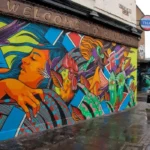
The streets surrounding Brick Lane also contain independent shops, creative businesses and market spaces. These businesses connect cultural heritage with contemporary fashion, art and entrepreneurship.
A notable annual event is the Brick Lane Curry Festival. Tower Hamlets Council reported that more than 40,000 people visited the festival on 20 September 2026, when food, music, performances and community celebrations brought visitors into the area.
Visitors should check event announcements before travelling because festival dates and arrangements change from year to year. Outside festival periods, Brick Lane remains a practical starting point for exploring Bangladeshi food and the wider East End.
To appreciate the cultural context behind its present-day businesses, explore the [history of migration and changing communities in Tower Hamlets] as part of a wider historical visit.
Which Markets Reveal Tower Hamlets’ Multicultural Character?
Tower Hamlets’ street markets connect local residents, independent traders and visitors through food, clothing, flowers and household goods. Brick Lane Market, Petticoat Lane, Columbia Road Flower Market and Whitechapel Market each offer distinct products and shopping environments.
Markets provide an accessible way to experience the borough’s cultural and commercial life. They bring together different products, trading traditions and neighbourhood audiences, while supporting small businesses and independent sellers.
Brick Lane Market
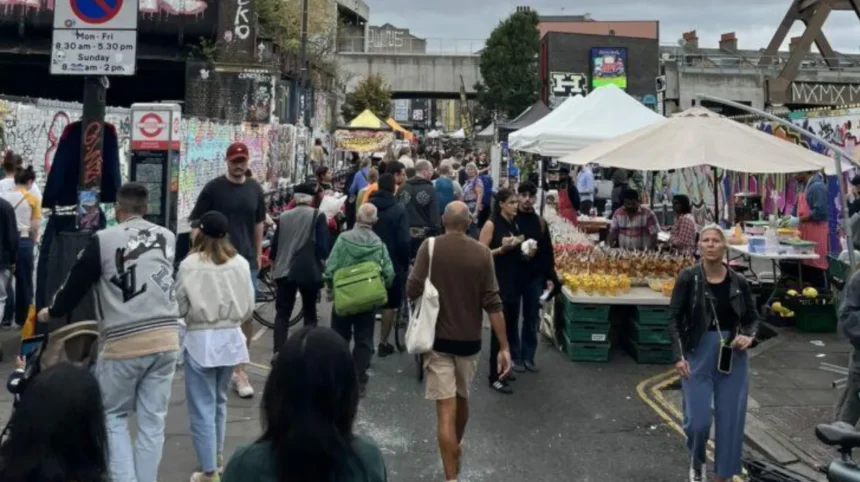
Brick Lane Market is particularly suitable for visitors interested in vintage clothing, street food, artwork, jewellery and second-hand goods. The surrounding Old Truman Brewery site adds indoor market spaces, creative businesses and food venues.
The council lists its traditional street market on Sundays from 10 am to 3 pm. Individual businesses and indoor markets operate on different schedules, so visitors should confirm the opening hours of specific venues.
Columbia Road Flower Market
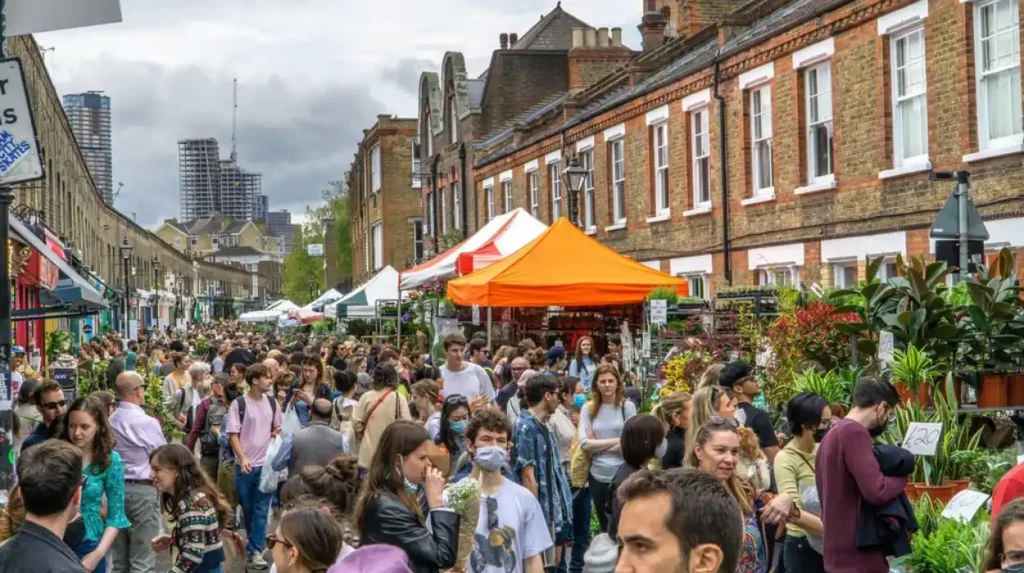
Columbia Road Flower Market, in Bethnal Green, focuses on flowers, plants and gardening products. Its Sunday trading creates an opportunity to observe a specialist market alongside independent shops, galleries and cafés.
The council lists the market’s Sunday hours as 8 am to 2 pm. An early visit helps travellers explore the flower stalls before continuing towards other East End attractions.
Petticoat Lane and Whitechapel markets
Petticoat Lane is associated with clothing, textiles, accessories and bargain shopping. Whitechapel Market serves a local shopping area with food, everyday products and businesses reflecting the neighbourhood’s varied population.
These markets offer a different experience from specialist tourist destinations. Visitors can observe routine shopping, compare products and discover how local commercial streets serve their surrounding communities.
Market days and individual stall hours vary. Check the council’s official market information before planning a route around several locations.
Where Can Visitors Explore South Asian and International Food Traditions?
Tower Hamlets offers food experiences connected with Bangladeshi, Indian, Jewish, Turkish, Japanese and other culinary traditions. Brick Lane, Whitechapel and the surrounding East End streets provide restaurants, cafés, bakeries and street-food venues for visitors exploring this diversity.
Food is one of the most accessible ways to encounter cultural traditions. Restaurant menus preserve regional cooking styles, family recipes and ingredients associated with different places of origin. Food businesses also reflect adaptation to changing tastes and contemporary London life.
Brick Lane is known for its South Asian restaurants and curry houses. Visitors can compare restaurant menus, ask about regional dishes and explore differences between cooking styles rather than treating South Asian food as a single category.
Jewish culinary heritage is also visible in the area. Brick Lane’s longstanding beigel shops are well-known local businesses, including venues that serve customers throughout the day and night. Their presence reflects the area’s earlier Jewish community and the continuing influence of its history on local food culture.
Beyond Brick Lane, the wider borough contains restaurants and food businesses serving many cuisines. Street markets and independent cafés provide additional opportunities to explore food at different prices and in different settings.
Visitors with dietary requirements should check ingredient lists and ask restaurant staff about preparation methods. Halal certification, vegetarian options, allergen controls and alcohol use vary between establishments. Clear questions help travellers choose food that meets their needs.
A food-focused itinerary works well when combined with a market visit. Travellers can browse local produce, sample a prepared dish and learn about the businesses that contribute to the neighbourhood’s identity.
Which Cultural Venues Help Visitors Understand Tower Hamlets?
Tower Hamlets’ cultural venues interpret local heritage through exhibitions, film, live performance and contemporary art. Whitechapel Gallery, Rich Mix, Genesis Cinema, Wilton’s Music Hall and the Museum of London Docklands offer different ways to explore art, community identity and East London’s development.
Cultural venues extend a visit beyond shopping streets and restaurants. They provide organised programmes, historical interpretation and opportunities to encounter artistic work produced by local and international communities.
Whitechapel Gallery
Whitechapel Gallery is a major contemporary art institution in Whitechapel. Its exhibitions introduce visitors to modern and contemporary artists, artistic movements and questions that shape cultural debate.
Visitors should check its current programme before travelling because exhibition schedules, admission arrangements and opening hours change. The gallery also provides a useful indoor stop when planning a walking route through Whitechapel and nearby markets.
Rich Mix
Rich Mix is an arts and cultural centre associated with Brick Lane and the surrounding East End. The venue hosts a varied programme of film, performance, music and community events.
Its programme offers a way to experience contemporary culture alongside the area’s historical food and market traditions. Screenings and performances also provide structured activities for solo travellers and visitors with limited time.
Genesis Cinema
Genesis Cinema provides independent film programming in the Whitechapel area. Its screenings give visitors an alternative to large commercial entertainment complexes and an opportunity to explore cinema as part of local cultural life.
Check film listings, screening times and ticket availability before visiting.
Wilton’s Music Hall
Wilton’s Music Hall is a historic performance venue in the East End. Its building and programme connect theatrical traditions with the borough’s wider cultural landscape.
Visitors can check scheduled productions, concerts and other performances to establish whether an event fits their itinerary.
Museum of London Docklands
The Museum of London Docklands explores the history of the River Thames, London’s docks, trade and the communities associated with the waterfront. Its exhibitions help explain how commercial activity shaped the East End and contributed to its changing population.
Together, these venues demonstrate that cultural diversity involves both historical continuity and present-day creative activity.
Where Can Visitors Discover the Religious Heritage of Tower Hamlets?
Tower Hamlets’ religious heritage reflects the communities that have settled in East London over many generations. Visitors encounter mosques, churches, historic religious buildings and other places of worship that continue to serve neighbourhoods through prayer, community activities and religious celebrations.
Religious buildings provide important evidence of how migration, local history and community life intersect. Their architecture, inscriptions, services and community functions contribute to the character of streets across the borough.
Whitechapel and the areas around Brick Lane have particularly strong associations with changing religious communities. Former places of worship and historic buildings reflect periods when different groups established homes, businesses and institutions in the East End.
The East London Mosque, located on Whitechapel Road, is an important Islamic institution serving local Muslim communities. Its presence reflects the significance of Islam in contemporary East London and the role of religious institutions in community life.
Visitors should distinguish between observing a building from a public street and entering a place of worship. Entry arrangements vary according to services, events and visitor policies. Travellers should check official visitor guidance, dress respectfully and avoid photography where prohibited.
Churches and other religious buildings also form part of the area’s heritage. Their histories connect local communities with different periods of London’s development.
Religious heritage is best explored with attention to its continuing significance. These buildings are active community spaces, not simply architectural attractions, and visitors should respect worshippers and scheduled religious activities.
How Do Tower Hamlets’ Festivals Celebrate Community Identity?
Community festivals in Tower Hamlets bring together food, music, performance and public participation. The Brick Lane Curry Festival and cultural programmes across local venues demonstrate how celebrations support cultural expression, introduce traditions to wider audiences and create opportunities for residents and visitors to share public spaces.
Festivals provide concentrated opportunities to experience the borough’s cultural life. They can include live music, food stalls, processions, performances, creative workshops and activities organised by local businesses or community groups.
The Brick Lane Curry Festival is a clear example. Its 2026 edition took place on 20 September and featured Bangladeshi and South Asian food, entertainment and community celebrations. The council reported attendance exceeding 40,000 people.
This event demonstrates the relationship between cultural heritage and local economic activity. Restaurants and other businesses gain visibility, while performances and public activities introduce visitors to traditions associated with the neighbourhood.
Tower Hamlets also hosts music and cultural programmes at venues throughout the borough. Victoria Park and other event spaces accommodate activities that connect residents and visitors with contemporary music and outdoor entertainment. The precise programme depends on the organiser and date.
Travellers should verify event dates, ticket arrangements, accessibility information and transport changes before attending. Large public events attract crowds, so arriving early and planning a return journey improves the experience.
Visitors who cannot attend a major festival can still explore the same cultural themes through restaurants, exhibitions, markets and scheduled performances throughout the year.
Which Neighbourhoods Offer Different Cultural Experiences in Tower Hamlets?
Tower Hamlets contains several neighbourhoods with distinct cultural identities. Brick Lane is known for Bangladeshi food and markets, Whitechapel for its historic communities and cultural institutions, Bethnal Green for local shopping and museums, and Poplar and Canary Wharf for waterfront history and contemporary development.
Exploring more than one neighbourhood helps visitors understand the borough’s cultural variety without reducing it to a single attraction.
Whitechapel
Whitechapel combines busy commercial streets, local markets, religious institutions and contemporary arts. Its position near Brick Lane makes it a useful starting point for visitors interested in food, migration history and urban culture.
A walking route linking Whitechapel Market, Whitechapel Gallery and nearby streets provides several perspectives on community life within a compact area.
Bethnal Green
Bethnal Green offers residential streets, local businesses, markets and cultural attractions. Columbia Road Flower Market is a major Sunday destination, while the wider area provides opportunities to explore independent shops and neighbourhood cafés.
Visitors interested in family history and social change can combine a walk with museum or archive research.
Poplar
Poplar offers a view of East London’s working-class, industrial and waterfront heritage. Its streets and public spaces reflect the history of dock work, housing and subsequent redevelopment.
Visitors can explore the area’s relationship with the historic docks before travelling towards the modern commercial district around Canary Wharf.
Canary Wharf
Canary Wharf is recognised for its office towers, retail spaces, public art and waterfront setting. Its contemporary architecture contrasts with the older streets and markets found elsewhere in Tower Hamlets.
The district also hosts cultural events and public installations. Checking the current programme helps visitors identify exhibitions, performances and seasonal activities.
These neighbourhoods are connected by public transport and walking routes, but they offer different experiences. A well-planned visit balances time spent in busy commercial streets with opportunities to explore museums, public spaces and cultural venues.
How Can Visitors Explore Tower Hamlets’ Cultural Heritage Through Its History?
Tower Hamlets’ present-day diversity reflects successive periods of migration, trade, industry and urban change. Historical buildings, archives, markets and former docklands help explain how communities established businesses, religious institutions and cultural traditions that continue to shape the borough.
The East End’s history is closely linked to London’s commercial development. The River Thames and the historic docks supported trade, transport and employment, attracting workers and families from different backgrounds.
Brick Lane provides a particularly clear example of cultural change. The area has been associated with French Huguenot settlement, Jewish immigration and the growth of the Bangladeshi community. Each period contributed to the area’s buildings, businesses and social identity.
The Tower Hamlets Local History Library and Archives offers resources for visitors who want to investigate these changes in greater depth. Its collections include historical documents, maps, photographs, newspaper cuttings and materials relating to migration, local industries and community experiences.
Visitors can use archival resources to investigate a street, building, family or neighbourhood. This approach adds historical context to a walking tour and helps connect present-day cultural experiences with earlier generations.
The borough’s history is not separate from its contemporary identity. Restaurants, markets, religious institutions and creative businesses reflect both established traditions and ongoing change.
Where Can Solo Travellers and Remote Workers Experience Local Community Life?
Solo travellers and remote workers can explore Tower Hamlets through independent cafés, public cultural venues, markets, galleries and community events. Whitechapel, Brick Lane and Canary Wharf offer different settings for working between visits, meeting people and discovering local businesses.
Independent travel makes it easier to adjust the pace of a cultural itinerary. Visitors can spend more time at an exhibition, try a restaurant recommended by a local trader or attend an evening performance without coordinating a group schedule.
Cafés around Brick Lane and Whitechapel provide places to pause between attractions. However, not every café offers reliable Wi-Fi, power sockets or facilities for extended laptop use. Visitors planning to work should check the venue’s policies and available amenities.
Canary Wharf offers a different environment, with commercial buildings, public spaces, shops and cafés. It is practical for business travellers who want to combine meetings with a walk along the waterfront or a visit to a public cultural installation.
Community activities provide further opportunities to engage with local life. Library events, public exhibitions, workshops and performances offer structured ways to participate without needing prior knowledge of the borough.
Visitors should distinguish between attending a public event and entering a private community gathering. Check booking requirements, admission policies and photography rules before participating.
A useful itinerary alternates work periods with short walks, meals and cultural visits. This approach makes it easier to experience Tower Hamlets while retaining time for professional commitments.
How Can Visitors Plan a Cultural Day Out in Tower Hamlets?
A cultural day in Tower Hamlets works well when visitors combine a neighbourhood walk, a market, a food stop and a cultural venue. Starting in Whitechapel or Brick Lane creates a practical route through local heritage, community businesses and contemporary arts.
A full-day itinerary allows travellers to explore several aspects of the borough without rushing between distant attractions.
Morning: Explore Whitechapel
Begin with a walk through Whitechapel’s commercial streets. Visit Whitechapel Market and explore the surrounding area to observe local businesses and everyday shopping.
If contemporary art interests you, check the programme at Whitechapel Gallery before arriving. Allow time for exhibitions and nearby cafés.
Late morning: Discover Brick Lane
Continue towards Brick Lane to explore its restaurants, independent shops, street art and cultural history. Read restaurant menus, browse specialist shops and look for exhibitions or activities at the Old Truman Brewery.
Sunday is particularly suitable for visitors interested in the street market. Check individual market schedules if travelling on another day.
Afternoon: Enjoy food and cultural venues
Choose a restaurant or street-food venue for lunch, then explore the neighbourhood’s food traditions. Allow time for a cultural venue such as Rich Mix or the Museum of London Docklands, depending on your interests and the day’s opening hours.
Late afternoon: Explore the waterfront
Finish around Canary Wharf or the historic docklands. The waterfront offers a contrast with the older streets of Whitechapel and Brick Lane, illustrating the borough’s continuing transformation.
Check transport connections and venue opening times before setting out. Some attractions require advance tickets, while markets and public streets are generally accessible without admission charges.
Explore More Area Guide
Tower Hamlets Culture Guide: Museums, Heritage and Arts UK
Best Places to Learn About Tower Hamlets | East London
What Should Visitors Know Before Exploring Tower Hamlets’ Cultural Attractions?
Visitors should plan around market opening days, cultural venue schedules, public transport and local customs. Checking official information before travelling helps avoid closed attractions, missed performances and unexpected access restrictions while supporting a respectful experience of Tower Hamlets’ communities.
Several practical considerations make cultural exploration easier.
- Check opening times: Markets, galleries, museums and performance venues operate on different schedules. Confirm details through official websites.
- Plan transport: Underground, Overground, Elizabeth line, DLR and bus services connect different parts of East London. Choose stations according to your itinerary.
- Allow time for walking: Brick Lane, Whitechapel and nearby markets can be explored on foot, but a trip to Canary Wharf or the docklands requires additional planning.
- Respect local customs: Follow guidance at religious buildings, ask permission before photographing people and respect restrictions on photography during worship or performances.
- Budget for food and shopping: Public streets and many markets are free to enter, but meals, purchases, exhibitions and performances have varying costs.
- Check accessibility: Confirm step-free access, seating, accessible toilets and other facilities with individual venues before travelling.
Visitors should also remember that Tower Hamlets is a residential borough. Its cultural identity belongs to the people who live and work there, not just to its visitor attractions.
Supporting independent businesses, attending public cultural events and learning about local history are practical ways to engage with the area respectfully.
Why Does Tower Hamlets Matter to London’s Contemporary Cultural Identity?
Tower Hamlets contributes to London’s cultural identity through its migrant heritage, independent businesses, public markets, religious institutions, contemporary arts and historic waterfront. Its neighbourhoods show how established traditions and new creative activity continue to shape the capital’s social and cultural landscape.
The borough’s cultural significance extends beyond tourism. Its markets support everyday commerce, community institutions maintain religious and social connections, and cultural venues provide platforms for artistic expression.
Brick Lane illustrates the relationship between heritage and contemporary life. Its history of migration remains visible in local businesses and buildings, while restaurants, street markets and creative spaces attract visitors from across London and beyond.
Whitechapel adds another dimension through its commercial streets, arts institutions and community history. Canary Wharf demonstrates how major urban redevelopment has introduced a contemporary business district and new public cultural spaces into the historic East End.
These experiences help visitors understand cultural diversity as an ongoing process. Communities maintain traditions while adapting to economic changes, new generations and changing patterns of migration.
For travellers, Tower Hamlets offers a way to explore London’s cultural history through everyday neighbourhoods rather than relying exclusively on major landmarks. A visit combining food, markets, religious heritage, local archives and contemporary arts provides a more complete understanding of East London’s character.
What is Tower Hamlets famous for?
Tower Hamlets is famous for its multicultural communities, Brick Lane, Bangladeshi food, historic markets, religious landmarks, contemporary art venues and the historic London Docklands.