Tower Hamlets, in East London, offers a wide range of cultural experiences, including community festivals, contemporary art exhibitions, live music, theatre, heritage attractions and public celebrations. The borough combines its historic maritime connections with Bangladeshi heritage, contemporary creative industries and a diverse programme of neighbourhood events. Visitors can explore Whitechapel, Brick Lane, Spitalfields, Canary Wharf and the Isle of Dogs to discover different aspects of local culture.
- What makes Tower Hamlets a cultural destination in East London?
- Which festivals and annual celebrations can visitors experience in Tower Hamlets?
- When can visitors experience Bengali New Year celebrations?
- Where can visitors experience Eid celebrations?
- What other seasonal events take place in the borough?
- Where can visitors explore art galleries and exhibitions in Tower Hamlets?
- Why is Whitechapel Gallery important?
- What art can visitors find in Canary Wharf?
- Where can visitors discover independent and community-led art?
- Which museums and heritage venues explain Tower Hamlets’ cultural history?
- What can visitors discover at London Museum Docklands?
- How does maritime history shape Tower Hamlets today?
- Where can visitors experience live music, theatre and performance?
- Where can visitors find music events?
- How can visitors discover theatre and spoken-word performances?
- What should visitors know about performance tickets?
- What cultural experiences can visitors discover in Brick Lane and Spitalfields?
- Why is Brick Lane important to East London’s cultural identity?
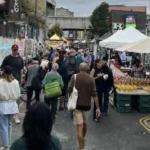
- What can visitors experience at Old Spitalfields Market?
- How should visitors explore street art respectfully?
- Which cultural activities are suitable for families visiting Tower Hamlets?
- What can children do at Canary Wharf’s public art trail?
- Which museum activities are useful for children?
- How can families prepare for a festival day?
- How can visitors plan a cultural itinerary around Tower Hamlets?
- What can visitors do during a half-day cultural visit?
- What is a suitable full-day itinerary?
- How should visitors choose transport?
- Where can digital nomads and business travellers enjoy local culture?
- Which areas are practical for a short break between meetings?
- Where can remote workers find a place to work?
- How can business travellers make the most of an evening?
- How can visitors find current Tower Hamlets festivals and arts events?
- Why does Tower Hamlets’ cultural programme matter to local communities?
- How can visitors enjoy Tower Hamlets’ cultural attractions responsibly?
This guide explains where to experience Tower Hamlets’ festivals, arts venues, cultural traditions and public events. It also helps visitors plan cultural days out, identify accessible attractions and find activities throughout the year.
What makes Tower Hamlets a cultural destination in East London?
Tower Hamlets is a culturally diverse London borough known for its historic markets, Bangladeshi community, contemporary art, maritime heritage and public festivals. Its cultural attractions range from Whitechapel Gallery and Brick Lane to Canary Wharf’s outdoor exhibitions and community celebrations.
Located east of the City of London, Tower Hamlets includes historic neighbourhoods and modern commercial districts. Its cultural identity reflects centuries of migration, trade, religious life and artistic activity.
The borough’s location beside the River Thames shaped its development. The historic docks supported international trade, shipbuilding and employment. Later waves of migration established new communities, businesses, places of worship and cultural organisations.
Today, visitors encounter this history alongside contemporary exhibitions, street art, independent creative spaces and large public events. Brick Lane is particularly associated with Bangladeshi restaurants, South Asian food businesses and street markets. Whitechapel has a longstanding connection with immigration, social history and visual art. Canary Wharf combines financial offices with public spaces, sculptures and seasonal cultural programming.
These areas serve different visitor interests. Art enthusiasts can explore galleries, architecture and installations. Families can attend suitable public events and workshops. Independent travellers can visit markets, cultural centres and historic streets. Business travellers can use free time to explore exhibitions and riverside spaces.
Tower Hamlets is therefore best understood as a collection of connected cultural neighbourhoods rather than a single festival destination.
Which festivals and annual celebrations can visitors experience in Tower Hamlets?
Tower Hamlets hosts community celebrations, seasonal markets, religious festivities and arts events throughout the year. Examples include Bengali New Year celebrations, Eid activities, Chinese New Year events in the wider East London area and cultural programmes associated with local venues and public spaces.
Festival dates and programmes change annually, so visitors should confirm the latest arrangements with organisers before travelling. Some celebrations take place on fixed calendar dates, while others follow religious calendars or depend on local programming.
When can visitors experience Bengali New Year celebrations?
Bengali New Year, known as Pohela Boishakh or Pahela Baishakh, marks the beginning of the Bengali calendar year. It is usually celebrated in mid-April and has particular cultural significance for Bangladeshi communities in East London.
Celebrations associated with the borough feature Bengali music, traditional clothing, food, dance and community activities. Brick Lane and neighbouring areas provide important settings for experiencing Bangladeshi cultural life, although the precise location and scale of organised events vary by year.
Visitors should distinguish between the cultural significance of Bengali New Year and any particular event advertised locally. Checking organiser announcements helps confirm the date, venue, public access arrangements and performance schedule.
Where can visitors experience Eid celebrations?
Eid al-Fitr marks the end of Ramadan, the Islamic month of fasting. Eid al-Adha is another major Islamic festival associated with faith, charity and community.
Tower Hamlets has a substantial Muslim population, including a longstanding Bangladeshi community. During Eid periods, neighbourhoods around Whitechapel and Brick Lane experience increased community activity, family gatherings and festive dining.
Public celebrations depend on local organisers and the relevant year’s calendar. Visitors should respect prayer services, follow venue guidance and check whether a gathering is open to the general public.
What other seasonal events take place in the borough?
Seasonal programming includes Christmas markets, winter activities, outdoor performances and temporary installations. Canary Wharf regularly features public art and seasonal attractions, while markets and cultural venues across the borough provide changing programmes.
Not every seasonal attraction is an annual festival. Some are temporary exhibitions, commercial events or one-off community activities. Confirming dates, admission requirements and accessibility arrangements prevents unnecessary journeys.
Where can visitors explore art galleries and exhibitions in Tower Hamlets?
Tower Hamlets has established art galleries, independent exhibition spaces and outdoor displays that introduce visitors to historical and contemporary visual art. Whitechapel Gallery is a major cultural landmark, while Canary Wharf offers public art and changing exhibitions across its commercial district.
Art is an important part of the borough’s identity. Its venues connect international contemporary art with local communities, urban history and changing creative practices.
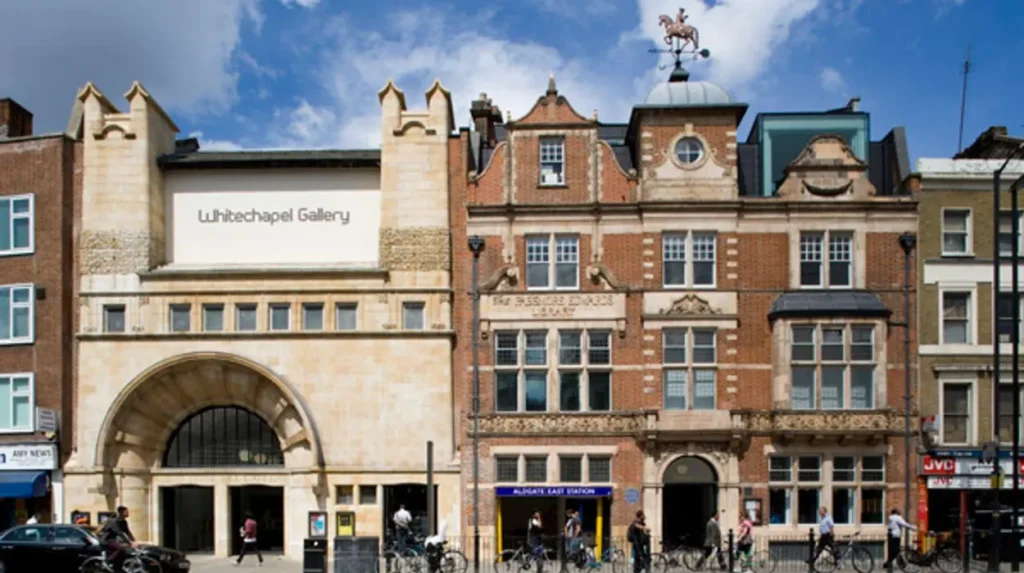
Why is Whitechapel Gallery important?
Whitechapel Gallery is a public art gallery in Whitechapel with a history dating to 1901. It has presented modern and contemporary art and developed educational activities, public programmes and exhibitions.
The gallery provides a starting point for visitors interested in artists, visual culture and the relationship between art and society. Exhibition programmes change regularly, so visitors should consult the official gallery website for current displays, opening hours, admission details and event bookings.
Its East London location also makes it practical to combine an exhibition with a walk through Whitechapel and Brick Lane.
What art can visitors find in Canary Wharf?
Canary Wharf incorporates public spaces, landscaped routes, sculptures and exhibition venues within a major financial district.
Visitors can encounter artworks while walking between transport stations, office buildings, shopping areas and waterfront paths. The district’s public art programme provides a different experience from a traditional gallery because works form part of the everyday streetscape.
Seasonal exhibitions and installations add further variety. Some attractions are freely accessible in public areas, while indoor exhibitions and ticketed events follow their own admission arrangements.
Where can visitors discover independent and community-led art?
Whitechapel, Spitalfields and Brick Lane have connections with independent galleries, artist-led projects, photography, illustration and street art.
Small exhibition spaces often have shorter opening hours than major institutions. Visitors should check individual listings before making a dedicated journey. Street art is also changeable: murals and painted surfaces are sometimes altered, removed or replaced as neighbourhoods develop.
For a broader understanding of how the area evolved, connect its current galleries and creative spaces with the borough’s historic development through [Insert Anchor Text for Tower Hamlets History Article Here].
This historical connection helps explain why East London’s contemporary art scene developed alongside migration, industry, urban change and community organising.

Which museums and heritage venues explain Tower Hamlets’ cultural history?
Tower Hamlets’ museums connect contemporary culture with the area’s maritime trade, migration, working communities and changing urban landscape. London Museum Docklands is a central destination for understanding the historic docks, while local heritage sites explain how East London developed.
What can visitors discover at London Museum Docklands?
London Museum Docklands explores the history of the River Thames, London’s port and the communities connected with maritime trade. The museum is located in a historic warehouse at West India Quay, near Canary Wharf.
Its collections explain the development of the docks, the movement of goods and people, and the social consequences of London’s international trading networks. Exhibitions provide context for understanding why East London became a centre of commerce, migration and cultural exchange.
The museum also presents programmes that connect historical collections with contemporary experiences. Temporary displays, educational activities and artist-led projects give visitors additional ways to engage with London’s diverse communities. For example, its rotating Reflections Room has presented contemporary artists exploring identity, memory and social experience.
How does maritime history shape Tower Hamlets today?
The historic docks influenced housing, employment, migration and the geography of East London. The Port of London supported international shipping, while dock-related industries attracted workers from different backgrounds.
As shipping activity changed and many traditional docks closed, parts of the area underwent major redevelopment. Canary Wharf developed into a financial and commercial district, while other neighbourhoods retained historic streets, markets, warehouses and community institutions.
This transformation explains the contrast between historic buildings and contemporary architecture across the borough. Cultural visitors can explore this relationship by combining a museum visit with a walk around West India Quay or the public spaces of Canary Wharf.
The result is a cultural landscape where industrial heritage and modern creative activity exist side by side.
Where can visitors experience live music, theatre and performance?
Live performance in Tower Hamlets includes concerts, community music, theatre, dance, spoken-word events and contemporary performance. Visitors should check venue calendars and local listings for current programmes, as performance dates, ticket prices and admission conditions vary throughout the year.
Where can visitors find music events?
Canary Wharf and the wider borough host live music events through cultural venues, seasonal programmes and special performances. These range from ticketed concerts to occasional public entertainment associated with festivals and community celebrations.
Boisdale in Canary Wharf is one venue associated with live music and dining. Its programme and ticketing arrangements depend on individual events.
Brick Lane and neighbouring East London streets also have a strong association with music venues, independent performance spaces and creative communities. Visitors should check event listings rather than assume that a particular venue offers live music every evening.
For a more community-focused experience, look for performances associated with Bengali celebrations and local cultural festivals. Music at these events provides an introduction to traditions that form part of the borough’s contemporary identity.
How can visitors discover theatre and spoken-word performances?
Theatre and spoken-word activities appear in venue programmes, arts festivals and community events across East London. Formats include staged productions, poetry readings, storytelling, experimental performance and participatory workshops.
Whitechapel Gallery’s public programme provides opportunities to encounter artistic activity beyond conventional exhibitions. Other local cultural organisations publish event schedules for performances, talks and workshops.
Visitors interested in a specific performance should verify the venue, start time, age guidance, accessibility information and ticket availability. Some events require advance booking, while others operate on a drop-in basis.
What should visitors know about performance tickets?
Admission arrangements differ between venues. Free public performances generally operate under the organiser’s stated access rules, while ticketed concerts and theatre productions require the appropriate booking.
A free event does not always guarantee entry without a reservation. Popular programmes have capacity limits, and outdoor performances are subject to practical arrangements determined by organisers.
Check whether the ticket price includes additional charges, whether late entry is permitted and whether the venue has seating. These details are especially important for visitors planning several activities in one day.
What cultural experiences can visitors discover in Brick Lane and Spitalfields?
Brick Lane and Spitalfields combine street markets, independent businesses, South Asian food, historic architecture and contemporary creative activity. Visitors can explore public art, browse market stalls and experience the area’s cultural diversity while respecting residents and businesses.
Why is Brick Lane important to East London’s cultural identity?
Brick Lane is closely associated with the Bangladeshi community and the development of South Asian businesses in East London. Restaurants, food shops, cultural organisations and community institutions contribute to its distinctive character.
The street also attracts visitors interested in vintage shopping, independent fashion, street art and markets. Its cultural identity reflects several layers of migration and commercial activity rather than a single historical period.
Visitors can combine a walk along Brick Lane with a visit to nearby Whitechapel Gallery or Spitalfields. This route provides a broad introduction to food, visual art, local enterprise and neighbourhood history.
Brick Lane is a working urban neighbourhood as well as a visitor destination. Keep entrances clear, follow photography restrictions where displayed and respect the privacy of people using residential streets and religious buildings.
What can visitors experience at Old Spitalfields Market?
Old Spitalfields Market is a historic market destination with independent retail, food outlets and changing trader programmes.
Visitors can browse stalls selling clothing, crafts, gifts and design products. Market activity also connects with the wider creative economy of Spitalfields, which includes galleries, studios and independent businesses.
The market is useful for visitors who want a cultural activity that combines shopping with local food and architecture. Trading days, stall availability and special events vary, so checking the official market schedule helps visitors plan their trip.
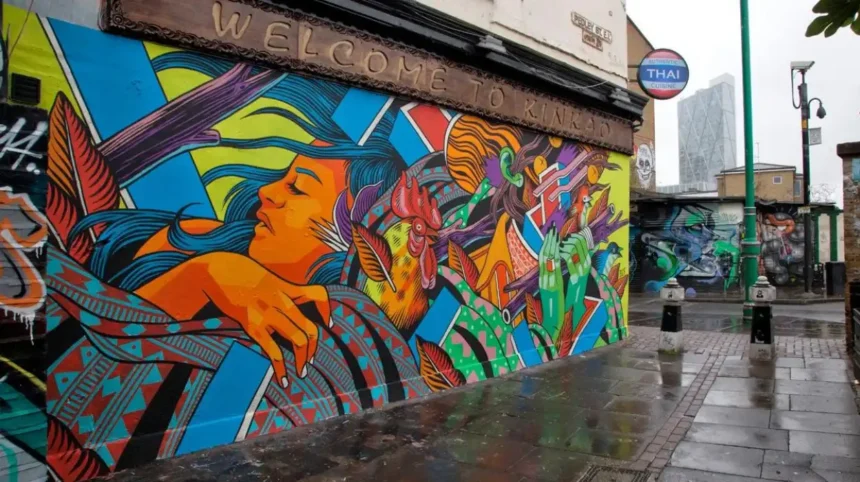
How should visitors explore street art respectfully?
Street art is part of the visual environment in parts of East London, including streets around Brick Lane and Shoreditch. Murals, graffiti and commissioned works reflect different artistic approaches and changing neighbourhood identities.
There is no guarantee that a particular work remains in place. Walls are repainted, buildings are redeveloped and new works appear over time.
Visitors should avoid trespassing on private property or entering restricted spaces to photograph artwork. Public pavements provide the appropriate viewing areas, and permission is required before entering private premises.
Which cultural activities are suitable for families visiting Tower Hamlets?
Families can explore museum galleries, public art trails, creative workshops, markets and selected seasonal festivals across Tower Hamlets. London Museum Docklands and Canary Wharf’s outdoor art provide accessible starting points, with specific activities depending on current schedules and age requirements.
What can children do at Canary Wharf’s public art trail?
Canary Wharf has a collection of more than 100 public artworks, including sculptures, integrated architectural pieces and installations. Many are positioned in publicly accessible parts of the estate, allowing families to discover art while walking between waterfront spaces.
A self-guided art walk gives children an opportunity to observe shapes, materials, colours and scale. Families can choose a short route rather than attempting to see the entire collection in one visit.
Some artworks are indoors or located in areas with particular access arrangements. Check the public art guide for locations and visitor information before setting out.
Which museum activities are useful for children?
London Museum Docklands offers historical collections and educational interpretation that help children understand London’s docks and maritime past. Family-friendly activities depend on the museum’s current programme.
Parents should review exhibition descriptions, age recommendations and available facilities before visiting. For school-age children, a museum trip can connect subjects such as geography, trade, migration and industrial history with objects and places.
Creative workshops are also worth checking when planning a weekend visit. Some require booking or have limited capacity.
How can families prepare for a festival day?
Families should check event timings, toilet facilities, food availability, accessibility and any restrictions on pushchairs before travelling. Outdoor events need additional preparation for rain and changing temperatures.
Large public celebrations attract crowds, particularly around performance areas and popular food stalls. Agreeing a meeting point helps families stay organised if members become separated.
Visitors should also distinguish family-friendly marketing from formal age guidance. An event advertised as suitable for families does not necessarily provide dedicated children’s activities or quiet spaces.
How can visitors plan a cultural itinerary around Tower Hamlets?
A Tower Hamlets cultural itinerary works best when visitors group attractions by neighbourhood and travel connections. Whitechapel and Brick Lane suit gallery and market visits, while West India Quay and Canary Wharf offer museum experiences, public art and waterfront walks.
What can visitors do during a half-day cultural visit?
A half-day itinerary can focus on Whitechapel, Brick Lane and Spitalfields. Start with an exhibition at Whitechapel Gallery, subject to its opening hours, then walk towards Brick Lane for street art, independent shops and food.
Continue towards Old Spitalfields Market to explore its traders and surrounding streets. This itinerary combines visual art, community culture, architecture and food without requiring a long journey between districts.
Visitors should leave time for exhibition entry, meals and unexpected changes to opening hours. The best sequence depends on the gallery programme and market schedule on the chosen day.
What is a suitable full-day itinerary?
A full-day visit can combine the historic docks with contemporary art and East London’s cultural neighbourhoods.
Begin at London Museum Docklands to understand the history of the Thames and the port. Continue to West India Quay, then explore Canary Wharf’s outdoor art and waterfront public spaces.
Later, travel to Whitechapel or Brick Lane for galleries, markets and local food. If an evening performance is scheduled, finish with a concert, theatre production or cultural event after checking its location and booking requirements.
This itinerary covers several aspects of the borough without treating every neighbourhood as interchangeable.
How should visitors choose transport?
Tower Hamlets is served by the Underground, Docklands Light Railway (DLR), Elizabeth line and local bus routes. The most useful connection depends on the starting point and the attractions selected.
Whitechapel is served by the Underground and Elizabeth line. Canary Wharf has Elizabeth line and Jubilee line services, as well as DLR connections in the wider district. Visitors should check the relevant station and route before departure.
Walking is practical when attractions are close together, particularly around Brick Lane and Spitalfields or within Canary Wharf. However, distances between different parts of the borough make public transport useful for a multi-neighbourhood itinerary.
Check Transport for London’s journey planner for current service information, planned engineering works and step-free access details.
Where can digital nomads and business travellers enjoy local culture?
Digital nomads and business travellers can combine cultural visits with cafés, public spaces, galleries and waterfront walks in Tower Hamlets. Canary Wharf suits short breaks between meetings, while Whitechapel, Brick Lane and Spitalfields provide opportunities to explore local creative communities.
Which areas are practical for a short break between meetings?
Canary Wharf is a convenient option for visitors working nearby. Its public art collection, landscaped spaces and waterfront paths provide cultural activities that fit around a working schedule.
A short walk between meetings can include several outdoor artworks without requiring a gallery booking. Indoor exhibitions and ticketed performances need additional time and advance planning.
Visitors working in Whitechapel or the City fringe can use a lunch break to explore nearby streets, independent businesses or an exhibition, subject to opening hours.
Where can remote workers find a place to work?
Cafés and hospitality venues around Canary Wharf, Spitalfields and Brick Lane provide options for working away from a hotel or office. Facilities differ between businesses, so visitors should check Wi-Fi availability, seating, opening hours and any laptop-use policies.
Public cultural venues are not automatically suitable as workspaces. Galleries and museums generally prioritise visitors engaging with exhibitions, while libraries and designated coworking spaces are better suited to extended work sessions.
For a productive visit, separate work time from cultural exploration. Use a suitable workspace for calls and concentrated tasks, then plan a gallery visit or neighbourhood walk around the working day.
How can business travellers make the most of an evening?
Check local listings for concerts, exhibitions with evening opening hours, talks and performances. Canary Wharf and Whitechapel offer different cultural settings, while Brick Lane and Spitalfields provide dining and neighbourhood exploration.
Confirm the event’s finish time and transport options before booking. Late performances require additional consideration of the journey back to accommodation, particularly when services operate on reduced schedules.
How can visitors find current Tower Hamlets festivals and arts events?
Visitors can find current Tower Hamlets events through the borough’s official tourism and council information, gallery websites, museum calendars and individual festival organisers. These sources provide the most useful details about dates, venues, tickets, accessibility and programme changes.
Event information is time-sensitive. A festival that takes place annually can change its location, schedule or admission arrangements. An exhibition listed in an older guide is not necessarily still open.
The borough’s events listings provide a useful overview of its cultural programme. For example, the Love Tower Hamlets events page has advertised the Brick Lane Curry Festival and arts activities connected with Whitechapel Gallery. Such listings illustrate the range of events available, but dates and future editions should always be confirmed.
How can visitors check whether an event is free?
Read the organiser’s official event page and distinguish between free admission, free activities and paid extras. Some public art collections are freely accessible, while special exhibitions, workshops, concerts and dining events have separate charges.
Check whether advance registration is required even when there is no admission fee. Review cancellation notices and weather arrangements for outdoor events before leaving.
How should visitors assess accessibility?
Look for information about step-free routes, accessible toilets, seating, hearing assistance and relaxed sessions where relevant. Contact the venue directly when a particular access requirement is not clearly explained online.
Transport accessibility also matters. A nearby station does not automatically guarantee a step-free journey, and temporary station changes affect travel plans. Confirm the complete route rather than checking only the destination station.
Explore More Area Guide
Where to Experience Tower Hamlets’ Diverse Communities and Culture
Tower Hamlets Culture Guide: Museums, Heritage and Arts UK
Why does Tower Hamlets’ cultural programme matter to local communities?
Tower Hamlets’ cultural programme supports community participation, creative activity, local businesses and connections between residents and visitors. Festivals, exhibitions and performances also help communicate the borough’s changing identity, linking its maritime past with contemporary art and cultural traditions.
Cultural events provide settings for communities to share music, food, crafts, language and artistic work. Local festivals also create opportunities for traders, performers and independent organisations to reach new audiences.
Galleries and museums contribute through exhibitions, learning programmes and public events. Whitechapel Gallery’s founding purpose included bringing art to East London audiences, a principle recorded in its first annual report in 1901.
The borough’s cultural life also reflects change. Historic docks gave way to new commercial development, while established communities continued to shape neighbourhood businesses and traditions. Contemporary public art and community-led activities add further layers to this landscape.
For visitors, this means cultural exploration involves more than attending a scheduled festival. It includes visiting a gallery, learning about dock history, browsing a local market and understanding the communities that sustain the area’s identity.
Future cultural experiences will continue to depend on local organisations, funding, public access and community participation. Checking current programmes remains essential because the borough’s artistic and festival calendar changes over time.
How can visitors enjoy Tower Hamlets’ cultural attractions responsibly?
Responsible cultural tourism means respecting residents, religious practices, working markets, public spaces and venue rules. Visitors should follow photography restrictions, use authorised viewing areas, check event guidance and support local businesses without disrupting neighbourhood life.
Tower Hamlets is a place where people live and work, not simply a destination for sightseeing. Residential streets, places of worship and community venues deserve the same consideration as formal attractions.
When attending religious or community celebrations, follow the organisers’ instructions about dress, photography and access. Do not assume that every private gathering is open to visitors.
At markets, follow pedestrian guidance and keep entrances clear. When photographing street art, remain on public routes and avoid blocking pavements or shopfronts.
Visitors can also support the local economy by buying from independent traders, eating at local businesses and attending performances organised by established cultural venues.
Planning with accurate information improves the experience for both visitors and residents. Confirm opening hours, event details, transport arrangements and admission requirements before travelling.
Tower Hamlets offers a broad introduction to East London’s cultural life, from Bengali celebrations and Brick Lane’s street culture to Whitechapel’s contemporary art and the maritime collections at London Museum Docklands. A well-planned visit connects these experiences across neighbourhoods, revealing how history, community and creativity continue to shape the borough.
What cultural events is Tower Hamlets known for?
Tower Hamlets is known for community festivals, Bengali cultural celebrations, contemporary art exhibitions, live music, street art and seasonal events around Brick Lane, Whitechapel and Canary Wharf.