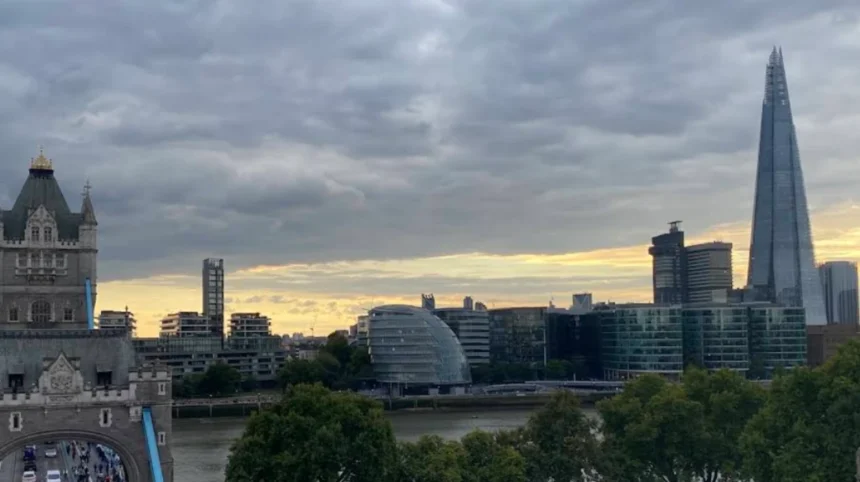
Tower Hamlets is one of East London’s most rewarding boroughs because it combines historic landmarks, riverside walks, major markets, museums, modern business districts, and a rich mix of cultures in one compact area. It suits tourists, residents, digital nomads, and business travellers who want both famous sights and everyday local character.
- What makes Tower Hamlets worth visiting?
- Which landmarks define Tower Hamlets?
- Where should you go for culture and food?
- Why do visitors choose Canary Wharf and the Docklands?
- Which parks and open spaces stand out?
- How diverse is Tower Hamlets in daily life?
- How easy is Tower Hamlets to explore?
- What kind of trip suits Tower Hamlets best?
- Why does Tower Hamlets remain relevant?
What makes Tower Hamlets worth visiting?
Tower Hamlets is worth visiting because it brings together London history, regeneration, culture, and commerce in one borough. It includes the Tower of London, Canary Wharf, Brick Lane, Spitalfields, Docklands, and major parks, giving visitors a broad East London experience in a short travel radius.
Tower Hamlets sits on the eastern side of central London and stretches from the River Thames north into neighbourhoods such as Whitechapel and Bethnal Green. The borough is known as a historic part of the East End and takes its name from the hamlets once associated with the Tower of London. That history still shapes the area, but the modern borough also functions as one of London’s major employment and cultural centres.
The appeal comes from contrast. Visitors move from medieval and Victorian landmarks to glass towers, from old markets to contemporary galleries, and from riverfront paths to busy food streets within a few stops on the Underground or DLR. That density makes Tower Hamlets efficient for short breaks and useful for travellers with limited free time.
Which landmarks define Tower Hamlets?
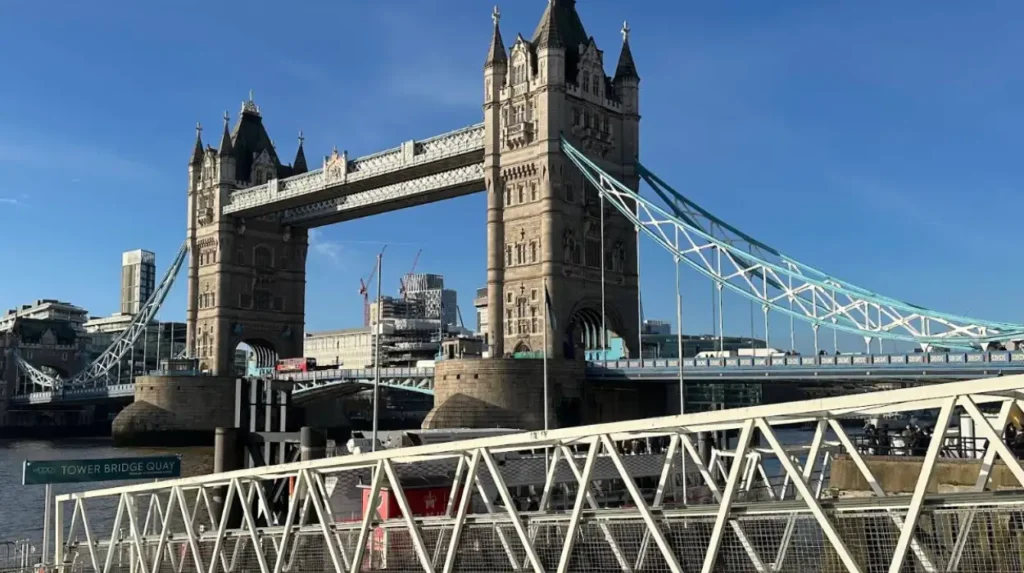
Tower Hamlets is defined by a small group of major landmarks that capture London’s public history and riverfront identity. The most important are the Tower of London, Tower Bridge, St Katharine Docks, Museum of London Docklands, and Canary Wharf, each showing a different layer of the borough’s development.
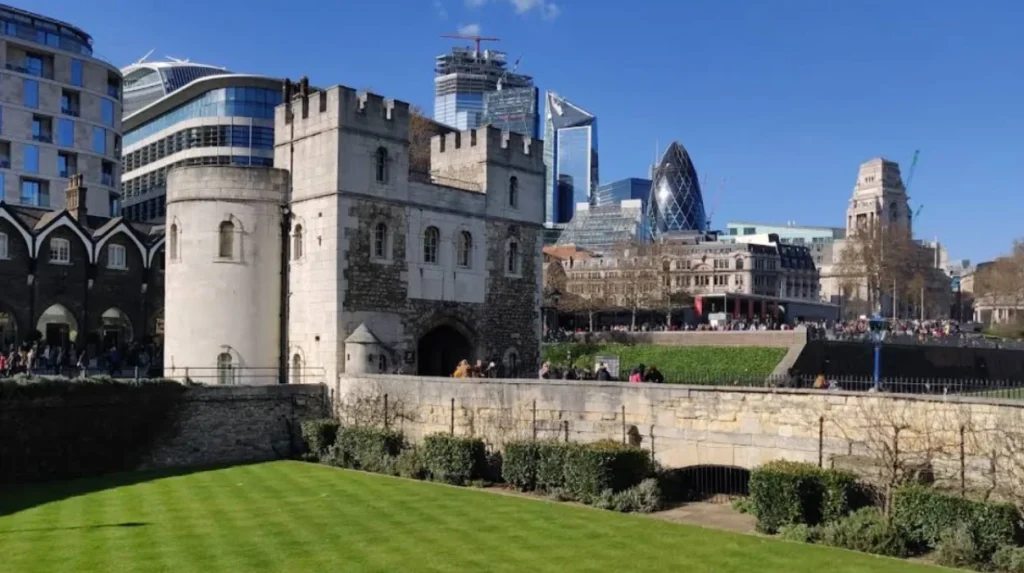
The Tower of London is the borough’s best-known historic site and one of the main reasons many visitors enter Tower Hamlets from central London. Tower Bridge sits close by and remains one of the most recognisable crossings in the city. Together, these landmarks connect the borough to the historic Thames corridor that shaped trade, defence, and royal power.
Museum of London Docklands gives the clearest account of the borough’s role as part of London’s port economy. It helps explain how the river and docks shaped local life, labour, migration, and commerce. Canary Wharf, by contrast, shows the borough’s modern identity as a global financial centre with towers, retail space, and public plazas.
As you explore the modern site, you are crossing land with a deep heritage. Read about the full [history of Tower Hamlets] to understand its origins.
Where should you go for culture and food?
Tower Hamlets is one of London’s strongest boroughs for culture and food because it combines markets, street art, performance venues, galleries, and internationally influenced dining. Brick Lane, Spitalfields, Columbia Road, Whitechapel, and surrounding streets define this part of East London’s everyday experience.
Brick Lane is a major cultural corridor with curry houses, beigel shops, street art, and market activity that reflects the borough’s layered migrant history. Old Spitalfields Market remains one of the most useful places for visitors who want food stalls, small retailers, and a lively covered market setting. Columbia Road Flower Market and Roman Road Market add more local texture and give the borough a weekly market rhythm rather than a single tourist core.
Tower Hamlets also has a strong arts profile. The borough includes galleries such as Whitechapel Gallery, alongside venues such as Wilton’s Music Hall and Rich Mix. That matters for travellers who want evening activities, indoor options, or programmes beyond standard sightseeing. The local culture is not a side feature; it is one of the borough’s main attractions.
Why do visitors choose Canary Wharf and the Docklands?
Visitors choose Canary Wharf and the Docklands because they offer a different London: wide streets, water, public art, skyline views, and easy transport. The area combines business travel convenience with leisure value through shopping, dining, waterside walks, and museum visits.
Canary Wharf is one of the most important business districts in the UK and a major reason Tower Hamlets matters for weekday visitors. The area has a large office population, major retail space, restaurants, cafés, and a regular calendar of cultural events. That scale makes it especially relevant for business travellers who want lunch, dinner, after-work space, and transport links in one place.
The Docklands gives the borough another identity. Museum of London Docklands explains the transformation from port economy to contemporary commercial district. Visitors often use the area for calmer waterfront walks and for a less congested urban environment than central London’s busiest zones. For digital nomads, this combination of riverside atmosphere, transport, and services is practical as well as visually strong.
Which parks and open spaces stand out?
Tower Hamlets stands out for its parks because it offers a large number of green spaces inside a densely built borough. Victoria Park, Tower Hamlets Cemetery Park, and other public open spaces give visitors places to walk, rest, exercise, and spend time away from traffic.
The borough has over 120 parks, with Victoria Park described as London’s most loved park. That matters because Tower Hamlets is one of the most densely populated places in the UK, so green space is a serious part of its liveability and visitor appeal. For travellers, this means the borough is not only about built attractions; it also offers restorative places between sightseeing stops.
Tower Hamlets Cemetery Park is a strong example of how the borough repurposes historic land for public use. It is often described as a calm and beautiful green space in East London. That makes it useful for residents seeking quiet time and for travellers who want a less crowded alternative to the borough’s busier riverfront and market areas.
How diverse is Tower Hamlets in daily life?
Tower Hamlets is highly diverse in language, birthplace, religion, cuisine, and community life. More than 100 languages are spoken there, and residents come from many countries, which shapes the food, services, and public culture visitors experience.
This diversity is not abstract. It appears in the neighbourhood food offer, the religious buildings, the market stalls, and the style of local streets. East London Mosque is one of the borough’s most notable faith landmarks and reflects the area’s large Muslim community. Brick Lane’s food culture also shows the borough’s layered migration history, with long-standing South Asian and Jewish food traditions sitting close to newer creative and retail uses.
The borough presents diversity as part of its civic identity rather than a specialist attraction. That makes Tower Hamlets especially relevant for travellers who want a local experience that feels lived-in rather than staged. It also means the borough works well for repeat visits, since different communities, markets, and streets offer different patterns across the week.
How easy is Tower Hamlets to explore?
Tower Hamlets is easy to explore because it has unusually strong transport connections for a London borough. It has many Underground and DLR stations across several lines, which supports fast movement between sights, neighbourhoods, and transport hubs.
That level of connectivity helps all visitor types. Tourists can link the Tower of London, Spitalfields, Docklands, and Canary Wharf without wasting time on long cross-city transfers. Business travellers can move quickly between offices, hotels, and meeting points. Residents and remote workers can also choose cafés, libraries, and work-friendly hubs across multiple neighbourhoods without losing access to the rest of London.
The borough’s location also matters. It sits between the City of London and Stratford, which gives it access to central London to the west and newer East London destinations to the east. This makes it a strong base for mixed itineraries that combine sightseeing, work, and evening plans.
Explore More Area Guide
Top Reasons to Visit Havering for Heritage, Countryside and Local Attractions
Havering Visitor Guide: Best Attractions, Green Spaces & Cultural Experiences
What kind of trip suits Tower Hamlets best?
Tower Hamlets suits short city breaks, themed East London trips, business stopovers, and flexible local exploration. It works best for travellers who want landmarks, markets, food, parks, and river views in one borough rather than a single-purpose destination.
For tourists, the borough supports a classic London itinerary built around heritage and skyline contrasts. For leisure travellers, it offers markets, parks, galleries, and music venues that create a full-day or full-evening programme. For residents, the borough’s mixture of open space and local institutions gives regular reasons to revisit different parts of the area.
For digital nomads and domestic business travellers, Tower Hamlets is practical because it combines transport access, work districts, dining, and evening culture. Canary Wharf provides a business core, while Spitalfields, Whitechapel, and Brick Lane provide food and off-hours variety. That balance is one reason the borough is often described as offering the best of London in one place.
Why does Tower Hamlets remain relevant?
Tower Hamlets remains relevant because it shows how London evolves without losing its older identity. It contains heritage sites, regenerated docklands, dense residential communities, and major economic centres, so it continues to matter for tourism, work, culture, and city planning.
The borough’s current reputation rests on growth and density as well as history. It is one of the fastest changing parts of East London, and its population has risen sharply in recent years. That growth keeps the area changing, which strengthens its relevance for repeat visitors and local audiences who track new openings, events, and neighbourhood shifts.
Its future relevance is also tied to its mix of finance, culture, and public space. A borough that contains both large-scale employment centres and community-based markets can serve many audiences at once. That combination makes Tower Hamlets one of East London’s most important districts for long-term urban interest, not just short-term sightseeing.
Tower Hamlets is worth visiting because it delivers a dense, varied, and practical East London experience in one borough. It brings together royal history, docklands heritage, global business, major markets, faith sites, parks, and cultural venues in a way that serves tourists, workers, and local residents alike. For anyone building an East London itinerary, it is one of the most complete boroughs to explore.
What is Tower Hamlets best known for?
Tower Hamlets is best known for the Tower of London, Tower Bridge, Canary Wharf, Brick Lane, Spitalfields Market, and its rich East End history. It combines historic landmarks, modern business districts, markets, and diverse cultural attractions.