Key Points
- Barking and Dagenham Council is formally marking Islamophobia Awareness Month throughout November to challenge prejudice and foster interfaith understanding.
- The national campaign theme for this year is ‘Don’t Let It Slide’, focusing on everyday actions to stand against discrimination and microaggressions.
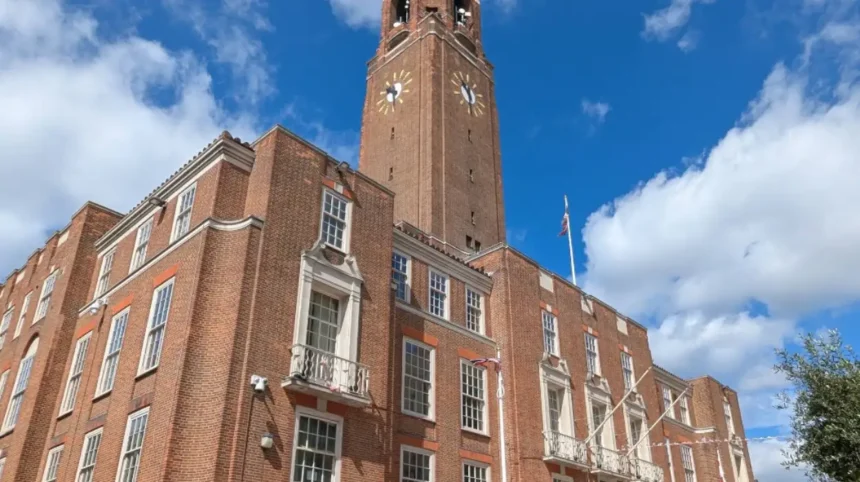
- A community panel event has been scheduled at Barking Town Hall for 19 November to bring together residents of all faiths and backgrounds.
- Councillor Saima Ashraf, Deputy Leader and Cabinet Member for Community, Business & Engagement, has called on all residents to active participate in listening, learning, and standing against anti-Muslim hate.
- The local initiative aims to ensure long-term community cohesion and safety for Muslim residents across the borough.
Barking and Dagenham Council (East London Times) November 2, 2026 – Barking and Dagenham has officially commenced its participation in Islamophobia Awareness Month this November, initiating a borough-wide campaign designed to encourage local residents to unite against anti-Muslim prejudice and cultivate greater cross-community understanding.
The annual awareness campaign serves a dual purpose: highlighting the ongoing impact of anti-Muslim hate across local communities while simultaneously recognising the historical and contemporary contributions of Muslim residents. Local authorities are using the month to create structured platforms where people of diverse faiths and non-religious backgrounds can share experiences and establish stronger civic relationships.
The international and national theme chosen for this year’s observance is ‘Don’t Let It Slide’. This national campaign focus urges individuals to identify, confront, and actively challenge instances of Islamophobia whenever and wherever they occur. Organisers emphasize that combating discrimination relies heavily on everyday intervention—ranging from questioning harmful casual stereotypes and structural bias to offering direct assistance to victims of religious prejudice.
For the London Borough of Barking and Dagenham, this civic initiative represents an extension of ongoing public safety and social inclusion work. Council organizers state that the overarching objective remains the consolidation of a borough environment where every resident feels secure, valued, and fully equipped to participate in public life regardless of their religious identity.
To achieve these objectives throughout November, local authorities, civic organisations, and community leaders are hosting educational activities. Residents across the borough are being asked to engage actively with educational materials, listen directly to the lived experiences of Muslim neighbours and colleagues, and assess practical ways to render local spaces more inclusive.
As reported by the official Communications Team of Barking and Dagenham Council, Councillor Saima Ashraf, Deputy Leader and Cabinet Member for Community, Business & Engagement, stated:
“Islamophobia Awareness Month is an opportunity for us all to listen, learn and reflect on how we treat one another. Everyone in Barking and Dagenham deserves to feel respected and to know that they belong.”
Councillor Saima Ashraf further emphasized the personal responsibility incumbent upon all community members under this year’s designated theme, stating:
“This year’s theme, ‘Don’t Let It Slide’, reminds us that we all have a part to play in challenging prejudice and supporting each other.”
Outlining the flagship event for the local campaign, Councillor Saima Ashraf added:
“I encourage residents of all faiths and none to get involved this November, including joining us for our community panel at Barking Town Hall on 19 November. It’s a chance to meet, share experiences and discuss how we can stand together against Islamophobia.”
Why is Islamophobia Awareness Month Being Observed in Barking and Dagenham?
Islamophobia Awareness Month (IAM) was originally established in 2012 by a coalition of British Muslim organisations and civic groups to highlight the nature and scale of Islamophobia within the United Kingdom. Over the past decade, local government bodies, police forces, educational institutions, and private enterprises across Britain have integrated the annual November event into their equality, diversity, and community engagement calendars.
In Barking and Dagenham, an outer East London borough characterized by rapid demographic changes and an increasingly diverse multicultural population, public initiatives around religious tolerance remain central to local governance policies. Local council strategies regularly prioritize community cohesion initiatives to mitigate social division and address hate crime reporting trends across the capital.
The emphasis on civic participation during November comes in response to broader societal discussions around racial and religious harassment. By hosting localized events such as the 19 November town hall panel, local authorities seek to bridge institutional communication gaps, provide clear pathways for reporting hate crimes, and reassure minority groups of local authority support.
How Will This Campaign Impact Local Residents and Community Cohesion?
The official campaign activities planned throughout November, culminating in the Barking Town Hall panel discussion, are expected to influence several key demographics across Barking and Dagenham:
- Muslim Residents and Local Faith Groups: For the Muslim community within the borough, explicit institutional backing provides public validation of their lived experiences with prejudice. The visibility of the campaign, coupled with direct involvement from senior leadership like Deputy Leader Saima Ashraf, reinforces trust between faith groups and local government institutions.
- The Wider Borough Community: Non-Muslim residents are provided with structured educational opportunities to unlearn entrenched stereotypes and gain a clearer understanding of Islamophobic behaviors. The focus on the ‘Don’t Let It Slide’ theme aims to shift public dynamic from passive bystander behavior to active community allyship.
- Local Law Enforcement and Policy Makers: Increased public dialogue around Islamophobia generally leads to improved reporting mechanisms and higher rates of reporting for low-level hate incidents. This data provides local police wards and council safety teams with clearer metrics to deploy resources effectively and maintain public order.