Key Points
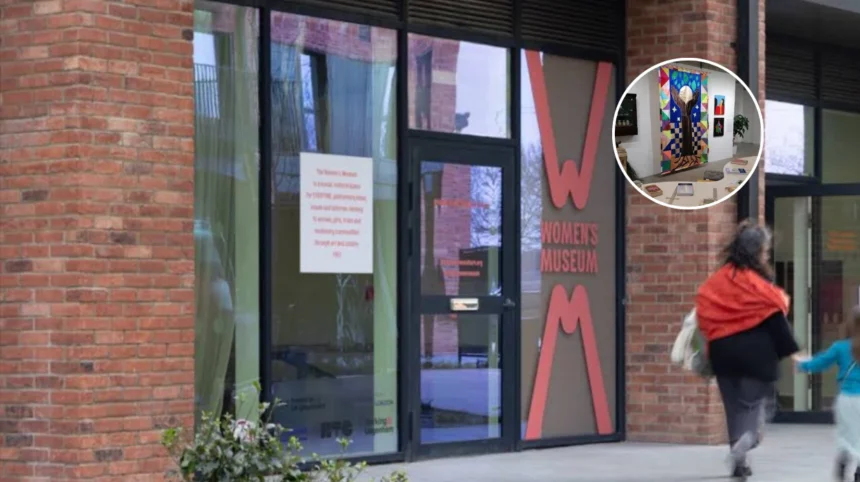
- The Women’s Museum in Barking and Dagenham reopens on Thursday, 12 March, launching the exhibition Materiality of Memory.
- The exhibition features two new artist commissions: Abel Holsborough’s Tracing Posterity and Ruth Ewan’s Always Something There to Remind Me.
- Always Something There to Remind Me by Ruth Ewan responds to women’s histories of organising and protest, drawing inspiration from the Ford Factory Sewing Machinists’ Strikes of 1968 and 1984–85.
- It includes strike-related artefacts inspired by Ewan’s permanent public art project, The Dagenham Agates, for Dagenham Green.
- The Dagenham Agates is curated and produced by UP Projects and commissioned by Hill/Peabody, with an unveiling planned later in the year.
- Tracing Posterity by Abel Holsborough is an installation and film work exploring collective memory and cultural identity.
- Holsborough’s film combines archival footage from the Dagenham Co-operative Film Society with new super eight footage captured in Barking, creating portraits of local residents.
- The project was developed with the London Borough of Barking & Dagenham Archive Service, the Women’s Museum, and Film London through the Artists’ Moving Image Network (FLAMIN), supported by Arts Council England and London’s Screen Archives (LSA).
- The commissions focus on lived experiences of marginalised people, particularly women historically excluded from official archives.
- They explore how memory is preserved through objects, bodies, and places, prompting audiences to reconsider cultural memory formation.
- The museum champions women’s voices while enhancing Barking and Dagenham’s reputation as a London cultural hotspot.
- The exhibition signals art’s eastward shift, challenging traditional London art locations and inclusivity norms.
Barking and Dagenham (East London Times) February 14, 2026 – The Women’s Museum in Barking and Dagenham will reopen its doors on Thursday, 12 March, with the launch of Materiality of Memory, a bold exhibition featuring two new commissions by artists Abel Holsborough and Ruth Ewan. This event underscores the borough’s rising status as a cultural hub in East London, where art increasingly flourishes on the capital’s edges. The commissions centre lived experiences of women and marginalised communities, drawing on local histories of protest and cinema to reshape collective memory.
- Key Points
- What Is Materiality of Memory?
- Who Are the Artists Behind the Commissions?
- What Inspired Always Something There to Remind Me?
- How Was Tracing Posterity Developed?
- Why Focus on Marginalised Voices?
- What Does This Mean for Barking and Dagenham’s Cultural Scene?
- When and How Can Visitors Experience the Exhibition?
- Who Supported These Projects?
- How Does This Fit London’s Art Shift?
- What Is the Broader Impact on East London?
What Is Materiality of Memory?
Materiality of Memory showcases Tracing Posterity by Abel Holsborough and Always Something There to Remind Me by Ruth Ewan. These works invite visitors to explore how memory persists through tangible objects and shared stories.
Holsborough’s Tracing Posterity is an installation and film that celebrates cinema’s role in connecting communities. As described in the official announcement, it blends archival film footage from the Dagenham Co-operative Film Society with super eight footage shot in Barking, forming new portraits of residents.
The project emerged from collaboration between the London Borough of Barking & Dagenham Archive Service, the Women’s Museum, and Film London’s Artists’ Moving Image Network (FLAMIN). It received support from Arts Council England and London’s Screen Archives (LSA), ensuring a rich archival foundation.
Ewan’s Always Something There to Remind Me is a major archival and participatory project. It responds to women’s histories of organising and protest, specifically the Ford Factory Sewing Machinists’ Strikes of 1968 and 1984–85.
Who Are the Artists Behind the Commissions?
Abel Holsborough brings a focus on collective memory and cultural identity to Tracing Posterity. The film work highlights a long history of community bonds through cinema, using Dagenham’s archival footage alongside contemporary captures.
Ruth Ewan’s contribution centres on protest legacies. Always Something There to Remind Me incorporates artefacts from the strikes, linking to her permanent public artwork The Dagenham Agates at Dagenham Green.
As noted in the museum’s press release, The Dagenham Agates was curated and produced by leading public art organisation UP Projects and commissioned by Hill/Peabody, with unveiling scheduled later this year.
What Inspired Always Something There to Remind Me?
Ruth Ewan drew inspiration from pivotal labour disputes at the Ford Factory. The 1968 strike involved sewing machinists demanding equal pay, a landmark in UK women’s rights.
The 1984–85 strikes continued this fight amid factory closures. Ewan’s project revives these events through archival materials and participation, making history accessible.
The exhibition includes strike artefacts, reinforcing memory’s material form. This approach echoes The Dagenham Agates, Ewan’s enduring tribute to these women.
How Was Tracing Posterity Developed?
Abel Holsborough’s work stems from partnerships with local institutions. The London Borough of Barking & Dagenham Archive Service provided essential footage from the Dagenham Co-operative Film Society.
Film London’s FLAMIN network facilitated development, backed by Arts Council England. London’s Screen Archives (LSA) offered further archival support.
The result is a film celebrating Barking residents, merging past and present to explore identity.
Why Focus on Marginalised Voices?
The commissions prioritise those historically sidelined in archives, especially women. They examine memory transmission via objects, bodies, and places.
This aligns with the museum’s mission to amplify women’s voices. Visitors are encouraged to question who shapes cultural narratives.
What Does This Mean for Barking and Dagenham’s Cultural Scene?
The reopening positions Barking and Dagenham as a London cultural hotspot. Art’s eastward migration challenges central dominance, fostering inclusivity.
Rooted in local women’s stories, the museum places creativity at the capital’s periphery. New perspectives thrive here, drawing artists and audiences.
When and How Can Visitors Experience the Exhibition?
The museum reopens on 12 March with Materiality of Memory. Thursday’s launch promises an engaging start to this cultural chapter.
Participatory elements in Ewan’s work invite active involvement. Holsborough’s installation offers immersive reflection.
Who Supported These Projects?
Key backers include Arts Council England for Tracing Posterity. Film London and LSA provided expertise.
UP Projects curated The Dagenham Agates, with Hill/Peabody commissioning it. The Women’s Museum and borough archive anchored development.
How Does This Fit London’s Art Shift?
Art moves east, defying traditional venues. Barking and Dagenham exemplifies this, serving diverse audiences.
The exhibition reaffirms the borough’s creative energy. Marginalised narratives gain prominence, enriching London’s scene.
What Is the Broader Impact on East London?
This event bolsters East London’s cultural reputation. It highlights women’s historical roles, inspiring future generations.
By challenging exclusions, it promotes equitable storytelling. The museum solidifies its role in community heritage.
The Women’s Museum’s revival arrives amid East London’s cultural renaissance. With Materiality of Memory, Barking and Dagenham not only reopens a vital space but also pioneers inclusive memory-making. Artists like Holsborough and Ewan ensure local histories endure, proving art’s power at the margins.