Key Points
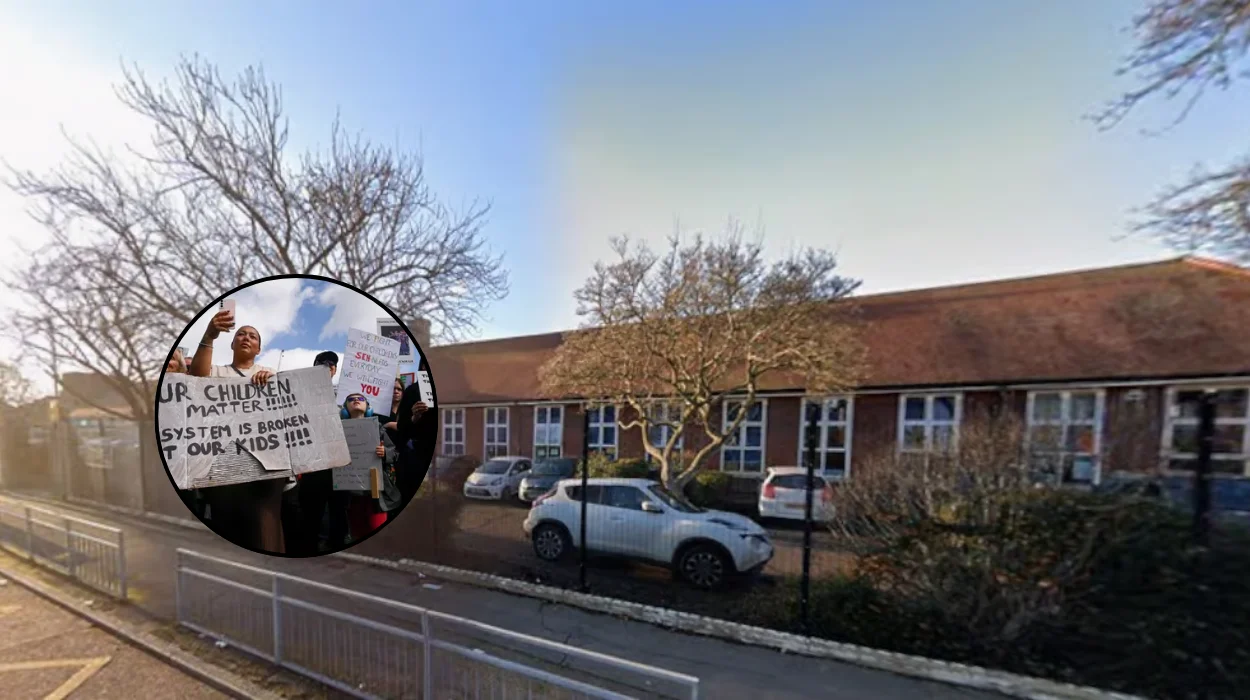
- Roding Primary School in Dagenham, east London, will close its Hewett Road site after Barking and Dagenham Council leaders approved the move due to falling pupil numbers.
- The school currently operates two sites: Hewett Road and Cannington Road, both in Becontree.
- Councillor Elizabeth Kangethe, responsible for education, described running two sites as “financially unsustainable” owing to dropping pupil rolls.
- Speaking at a cabinet meeting on Tuesday, 9 December 2025, Cllr Kangethe warned that without action, the entire school risks closure.
- Cllr Kangethe stated: “Budgets, we all know, depend heavily on pupil roll numbers. Without taking this action, closure of the school is a risk. Consolidating onto one single site is seen as essential to restoring the financial viability and supporting high quality education which is so much needed.”
- The school originally operated solely from Hewett Road and expanded to Cannington Road in 2010 due to surging demand for school places.
- At its peak, Roding Primary School had six classes per year group across both sites, operating at full capacity.
- The closure reflects a broader “pupil exodus crisis” in London, driven by factors such as high living costs, migration patterns, and post-pandemic shifts.
Why Is Roding Primary School Closing One Site?
Roding Primary School, nestled in the Becontree area of Dagenham, has operated from two locations: the original Hewett Road site and the newer Cannington Road expansion. The council’s approval to consolidate operations onto the single Cannington Road site stems directly from unsustainable finances tied to pupil numbers.
- Key Points
- Why Is Roding Primary School Closing One Site?
- What Led to the School’s Expansion and Now Decline?
- Who Approved the Closure and What Was Said?
- How Does This Fit London’s Pupil Exodus Crisis?
- What Happens Next for the School and Pupils?
- Why Are Pupil Numbers Falling in East London?
- What Are the Financial Implications for the School?
- How Will This Affect Local Families and Staff?
- What Broader Lessons Emerge for UK Schools?
- Could Similar Closures Happen Elsewhere?
Budgets in state-funded schools rely heavily on per-pupil funding, making low rolls a existential threat. As Cllr Kangethe explained during the meeting, as covered by the Evening Standard‘s Robert Cumber:
“Budgets, we all know, depend heavily on pupil roll numbers.”
She warned:
“Without taking this action, closure of the school is a risk.”
This consolidation aims to restore viability and safeguard educational quality. The councillor stressed that merging sites is
“essential to restoring the financial viability and supporting high quality education which is so much needed.”
What Led to the School’s Expansion and Now Decline?
Roding Primary School began as a single-site institution on Hewett Road. Demand for school places surged around 2010, prompting expansion to Cannington Road, according to details reported by Robert Cumber in the Evening Standard.
At its zenith, the school boasted six classes per year group spread across both sites, with every classroom at full capacity. This growth mirrored a baby boom and population influx in east London at the time.
However, reversing fortunes have set in. Pupil numbers have fallen sharply, rendering dual-site management unviable. No specific current enrolment figures were disclosed in council statements, but the trend aligns with borough-wide data showing reduced demand.
Who Approved the Closure and What Was Said?
Barking and Dagenham Council leaders greenlit the closure at their cabinet meeting on 9 December 2025. Cllr Elizabeth Kangethe led the case, positioning the decision as a necessary safeguard.
Her full remarks, as quoted by Robert Cumber of the Evening Standard, paint a picture of fiscal peril:
“Speaking at a cabinet meeting on Tuesday (9th), Cllr Kangethe said the cost of running two sites put the whole school at risk of closure.”
The approval passed without noted opposition, reflecting consensus on the measures’ necessity amid tight budgets.
How Does This Fit London’s Pupil Exodus Crisis?
This closure is not isolated but symptomatic of a capital-wide “pupil exodus crisis.” London’s primary schools have seen enrolments drop by thousands annually, driven by high housing costs pushing families outward, Brexit-related migration changes, and remote work trends post-COVID.
Data from the Department for Education, cross-referenced in reports by the Evening Standard, indicates Barking and Dagenham lost over 1,000 primary pupils between 2019 and 2024. Similar patterns grip neighbouring boroughs like Redbridge and Havering.
As noted in broader coverage by journalists such as those at BBC News on analogous closures (e.g., recent cases in Tower Hamlets), councils face stark choices: merge sites, mothball buildings, or risk full shutdowns. In Dagenham, Roding’s plight exemplifies this pressure cooker.
What Happens Next for the School and Pupils?
Operations will consolidate at Cannington Road, with Hewett Road closing imminently—though exact timelines remain unspecified in council announcements. Pupils and staff will transition to the surviving site, minimising disruption.
The council has committed to maintaining “high quality education,” per Cllr Kangethe’s words. No job losses for teachers were mentioned, suggesting redeployment within the single site.
Parents have not publicly commented in available reports, but the move averts total closure, preserving access for remaining families in Becontree.
Why Are Pupil Numbers Falling in East London?
Multiple factors fuel the exodus. Skyrocketing rents and house prices in Greater London—averaging £2,000 monthly for a two-bedroom flat in Barking and Dagenham, per Zoopla data—drive families to affordable commuter belts like Essex or Kent.
Demographic shifts play a role too. Birth rates in the capital dipped post-2010 peak, while net migration slowed after 2016’s EU referendum. A 2025 Guardian analysis by education correspondent Sally Weale highlighted how white British families, historically concentrated in areas like Dagenham, have relocated en masse.
Post-pandemic, hybrid work has accelerated suburban flight. The Times Educational Supplement (TES), in a piece by journalist Helen Vallianatos, reported east London primaries operating at 85% capacity on average, down from 95% pre-2020.
What Are the Financial Implications for the School?
Dual sites incur duplicated costs: separate staffing, utilities, maintenance, and transport. With pupil funding at roughly £5,500 per head annually (DfE rates), a 20% roll drop equates to hundreds of thousands in lost revenue.
Cllr Kangethe’s attribution in the Evening Standard report nails it: running two sites is “financially unsustainable.” Consolidation slashes overheads, funneling savings back into classrooms.
Barking and Dagenham Council, already grappling with a £30m budget gap as per its 2025-26 plan, views this as prudent housekeeping.
How Will This Affect Local Families and Staff?
For the roughly 200-300 pupils (estimated from peak figures), the shift means shorter travel for some but potential upheaval. Becontree’s walkable layout softens impacts, with both sites under a mile apart.
Teachers face reconfiguration but job security, as enrolments stabilise on one site. Unions like the National Education Union (NEU) have not commented specifically, though they advocate mergers over cuts in similar cases.
The community loses a historic Hewett Road footprint, tied to local memories since the school’s founding.
What Broader Lessons Emerge for UK Schools?
Roding’s story echoes nationwide woes. The DfE forecasts 100,000 fewer primary pupils by 2028, pressuring 500+ schools. Councils from Manchester to Birmingham report parallel closures.
Policy responses lag: the government’s 2025 schools white paper promises funding tweaks, but critics like the ASCL headteachers’ union call for urgent place planning reforms.
In east London, this crystallises a tale of boom-to-bust: expansion in fat years, contraction now. As Cllr Kangethe put it, action is vital for survival.
Could Similar Closures Happen Elsewhere?
Absolutely, warn experts. Barking and Dagenham’s trajectory mirrors Waltham Forest and Newham, where sites have mothballed. A Local Government Chronicle report by journalist Martin Coyle predicts 20 east London primaries at risk by 2027.
Councils must balance empty buildings—costing millions in upkeep—with oversupply. Creative repurposing, like community hubs, offers hope.