Key Points
- Barking Riverside Limited has submitted an outline planning application for up to 13,046 new homes in the Barking Riverside area.
- The development extends beyond housing to include a hotel, communal care home, care facilities for the young, old, and infirm, student accommodation, and large-scale purpose-built shared living spaces.
- Buildings will range from 40 to 110 metres above ordnance datum.
- Non-residential elements comprise 52,848 square metres of floorspace, including commercial spaces such as retail units, business premises, and research and development areas.
- Healthcare facilities, primary health care provisions, up to two primary schools, indoor sports facilities, crèche, and pre-school facilities are planned.
- Community, learning, and social facilities will feature libraries, education and training spaces, places of worship, assembly halls, and sport and leisure developments.
- ‘Sui Generis’ uses include public houses, wine bars, drinking establishments, drinking establishments with expanded food provision, and hot food takeaways.
- Infrastructure improvements involve remediation, ground raising, engineering works, a strategic landscape, new and improved ecological reserves, open spaces like parks, play spaces, promenades, and piazzas.
- Enhancements to service infrastructure cover foul and surface drainage, water and waste collection.
- New and altered vehicular, pedestrian, and cycle access routes are proposed, including the diversion of Footpath no. 47.
- Works on the existing river wall, bund, flood defences, T jetty, and coal wharf are included, alongside ancillary engineering, utility, and services works.
- The application, classified as ‘Major’, includes an Environmental Impact Assessment and Environmental Statement.
- Public consultation is open via Barking and Dagenham Council planning portal using reference number 24/01141/OUTALL until 13 February.
- Interested parties can also check related planning applications, alcohol licensing, and road closures on the Public Notice Portal.
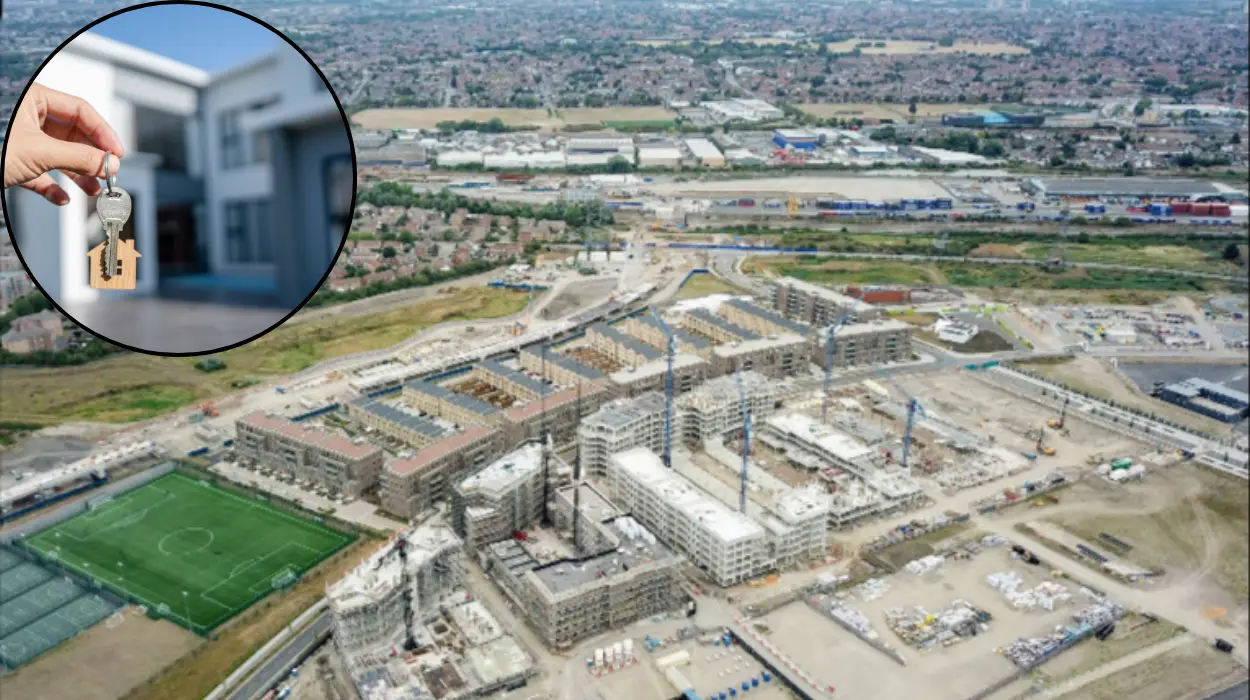
Barking, London (East London Times) January 26, 2026 – A massive development proposal by Barking Riverside Limited could deliver up to 13,046 homes alongside extensive non-residential facilities in the Barking Riverside area, with public consultation now underway until 13 February.
- Key Points
- What Does the Development Include?
- How Will Infrastructure Be Improved?
- What Is the Consultation Process?
- Why Is This Development Significant for Barking?
- Who Is Behind the Proposal?
- What Are the Environmental Impacts?
- How Does It Compare to Nearby Projects?
- When Will Decisions Be Made?
- What Can Residents Do Next?
The outline application, submitted to Barking and Dagenham Council, spans a comprehensive regeneration of the site, incorporating housing, commercial, healthcare, educational, and leisure elements. Classified as a ‘Major’ development, it is accompanied by a detailed Environmental Impact Assessment and Environmental Statement, available for review online via the council’s planning portal under reference 24/01141/OUTALL.
What Does the Development Include?
The plans go far beyond residential properties, envisaging a mixed-use transformation of Barking Riverside. As outlined in the application details reported across local media, Barking Riverside Limited proposes a hotel, a communal care home, and specialised care facilities for the young, old, and infirm.
Student accommodation and large-scale purpose-built shared living are key features, with buildings designed to rise between 40 and 110 metres above ordnance datum. Commercial spaces will include retail units, business premises, and dedicated areas for research and development, totalling 52,848 square metres of non-residential floorspace.
Healthcare provisions form a cornerstone, encompassing primary health care facilities. Up to two primary schools are planned, alongside indoor sports facilities, crèche, and pre-school services. Community infrastructure will feature libraries, education and training facilities, places of worship, assembly spaces, and broader sport and leisure developments.
Additionally, a range of ‘Sui Generis’ premises—covering public houses, wine bars or drinking establishments, drinking establishments with expanded food provision, and hot food takeaways—will cater to local amenities.
How Will Infrastructure Be Improved?
Existing infrastructure faces significant upgrades as part of the scheme. Remediation, ground raising, and engineering works are set to prepare the site, complemented by the creation of a “strategic landscape” with new and improved or retained ecological reserves and open spaces.
Parks, play spaces, promenades, and piazzas will provide formal and informal recreational areas. Service infrastructure enhancements target foul and surface drainage, as well as water and waste collection systems.
Access routes will see new and altered vehicular, pedestrian, and cycle paths, including the diversion of Footpath no. 47. River-related works propose modifications to the existing river wall, bund, flood defences, T jetty, and coal wharf, alongside ancillary engineering, infrastructure, utility, and services provisions.
These measures aim to integrate the development seamlessly with surrounding areas while addressing environmental and flood risks.
What Is the Consultation Process?
Members of the public can access the full plans and supporting documents by searching application number 24/01141/OUTALL on the Barking and Dagenham Council planning portal. The consultation period remains open until 13 February, allowing residents, businesses, and stakeholders to submit feedback.
For broader local updates, the Public Notice Portal offers details on planning applications, alcohol licensing, and planned road closures in the vicinity.
As a major outline application, the process underscores Barking Riverside Limited’s commitment to community input before detailed permissions are sought.
Why Is This Development Significant for Barking?
Barking Riverside has long been earmarked for growth as part of London’s eastern expansion corridor. This proposal, if approved, would represent one of the largest housing deliveries in the borough, addressing chronic demand amid the capital’s affordability crisis.
The inclusion of diverse non-residential uses signals a holistic approach, potentially boosting local employment, services, and green spaces. With buildings up to 110 metres, the skyline could transform, raising questions about density and visual impact.
Environmental considerations are forefront, given the site’s proximity to the River Roding and flood zones, with the Environmental Statement detailing mitigation strategies.
Who Is Behind the Proposal?
Barking Riverside Limited, the master developer for the area, leads the initiative. Established to deliver phased regeneration, the company has already brought thousands of homes online in prior phases, alongside schools and transport links.
The current outline application builds on this foundation, seeking flexibility for future detailed submissions. No specific statements from company executives were quoted in initial coverage, but the plans emphasise sustainable, community-focused growth.
What Are the Environmental Impacts?
The accompanying Environmental Impact Assessment evaluates potential effects on ecology, traffic, air quality, and heritage. Proposals for ecological reserves and open spaces aim to enhance biodiversity, while flood defence works address Thames-side vulnerabilities.
Ground raising and remediation will stabilise former industrial land, transforming it into viable residential and commercial zones. Critics may scrutinise high-rise elements and traffic implications, but the statement provides baseline data for consultees.
How Does It Compare to Nearby Projects?
Similar large-scale schemes nearby include Thamesmead Waterfront, approved to unlock 15,000 homes, highlighting regional momentum in east London regeneration. In Hornchurch, Station Lane’s empty shops renewal was greenlit, showing council support for mixed-use revitalisation.
Haringey Lane Park’s pavilion programme adds community-focused precedents, while Albert Embankment’s student housing underscores demand for specialist accommodation.
Barking Riverside stands out for its scale, integrating housing with comprehensive infrastructure.
When Will Decisions Be Made?
Following the 13 February deadline, council officers will collate responses into a report for the planning committee. Approval would trigger detailed applications, with construction potentially starting in phases over years.
Timeline depends on feedback volume and any revisions, but the site’s strategic importance likely accelerates scrutiny.
What Can Residents Do Next?
Residents are urged to review documents promptly via the portal and submit views online or in writing. Engaging early shapes outcomes, particularly on height, density, and amenities.
Local councillors and groups may host drop-ins, though none announced yet. Monitoring the Public Notice Portal ensures no related notices slip by.
This development could redefine Barking for generations, balancing growth with livability. As consultation unfolds, diverse voices will inform its trajectory.