For more than two centuries, the Docklands stood at the heart of Britain’s maritime empire, helping transform East London into one of the world’s most important trading centres. Today, the area is better known for the skyscrapers of Canary Wharf and modern waterfront developments, but its rich history remains deeply woven into the identity of East London.
The story of the Docklands began long before the modern skyline emerged. As London’s trade expanded during the 18th and 19th centuries, a network of docks was built along the River Thames to handle growing volumes of cargo arriving from across the globe. Major facilities such as the West India Docks, Royal Victoria Dock, Royal Albert Dock, Millwall Docks and St Katharine Docks became gateways for goods entering Britain. These ports handled everything from tea and spices to timber, textiles and manufactured products.
The growth of the docks transformed East London into a thriving working-class community. Thousands of dockworkers, sailors, merchants and traders settled in areas including Poplar, Limehouse, Wapping, Stepney and the Isle of Dogs. The constant arrival of ships also brought people from around the world, helping create the multicultural character that continues to define East London today.
During the height of its success, the Port of London became one of the busiest ports in the world. The docks generated enormous wealth and played a critical role in Britain’s industrial and commercial expansion. However, prosperity was often accompanied by difficult working conditions, poverty and overcrowding in many local communities.
The Docklands faced one of their greatest challenges during World War II. Because of their strategic importance, the docks became a major target during the Blitz. German bombing raids caused widespread destruction across East London, damaging warehouses, homes and vital port infrastructure. Thousands of residents were affected as communities worked to rebuild after the war
A second period of upheaval arrived in the 1960s and 1970s. The rise of container shipping revolutionised global trade, but London’s historic docks were too small to accommodate the larger vessels and modern cargo systems being introduced worldwide. Shipping operations gradually moved to deeper ports such as Tilbury and Felixstowe, leading to the closure of virtually all of London’s major docks by 1980.
The closures triggered widespread unemployment and economic decline throughout East London. Vast stretches of dockland became derelict, leaving local communities facing an uncertain future. In response, the government established the London Docklands Development Corporation during the 1980s to oversee regeneration efforts and attract new investment.
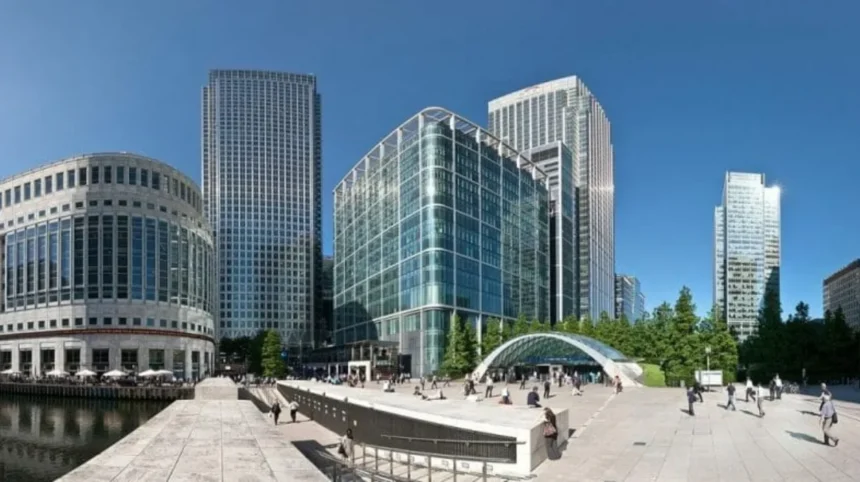
The most visible result of this transformation was Canary Wharf. What had once been abandoned dockland evolved into one of Europe’s leading financial districts, home to global banks, multinational companies and modern transport links such as the Docklands Light Railway (DLR). The redevelopment created thousands of jobs and helped reposition East London as a major business destination.
Today, the Docklands represent a remarkable story of resilience and reinvention. Historic docks, preserved warehouses and maritime landmarks sit alongside modern office towers and residential developments. While debates continue about regeneration and its impact on local communities, there is little doubt that the Docklands remain one of East London’s most significant success stories.