Key Points
- Zoë Garbett, representing the Green Party, has been elected Mayor of Hackney by a margin of nearly 9,000 votes, ending Labour’s long-standing control of the borough.
- The result was declared at Hackney Council’s Service Centre amid immediate cheers and celebration.
- Garbett pledged to “change the system” and to “start the fightback” after her victory, signalling a change in local political priorities.
- The election represents the Green Party’s first-ever mayoral win and the borough’s first Green executive leader, marking a historic political shift in Hackney.
- Labour figures were already calculating expected council-seat outcomes as votes were declared, underlining continuing attention to how the party will regroup locally.
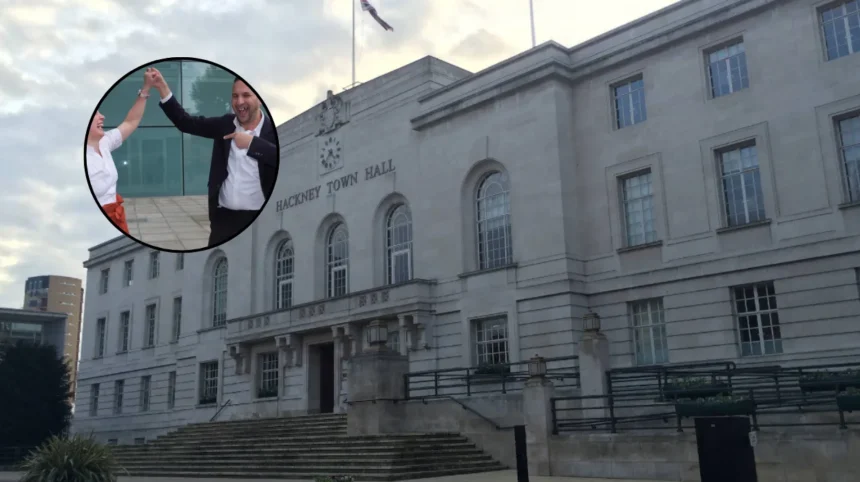
Hackney (East London Times) May 19, 2026 — The Green Party’s Zoë Garbett was declared Mayor of Hackney on Tuesday, overturning decades of Labour dominance in the borough by a margin approaching 9,000 votes, and immediately promising to “change the system” and “start the fightback” as celebrations erupted at the council’s Service Centre.
- Key Points
- How large was Garbett’s winning margin and what does it mean for Hackney politics?
- What were Labour responses or reactions from councillors at the scene?
- Which sources reported the outcome and who provided specific statements?
- What did campaign teams and local activists say about the victory?
- What next steps did the returning officer and council staff indicate following the declaration?
- Background of the development
- Prediction — How could this affect Hackney residents and stakeholders?
As reported by local reporters at the Service Centre, cheers rang out the moment the returning officer read the figures, reflecting the scale of the upset and the enthusiasm among Green Party supporters at what campaigners described as a historic victory for progressive local politics.
As reported by the coverage of the declaration, Zoë Garbett — the Green Party candidate and the party’s primary mayoral hopeful in Hackney — took to the stage following the formal announcement and reaffirmed campaign commitments to “change the system” and “start the fightback,” signalling an intent to pursue an activist and reform agenda from the mayoralty.
How large was Garbett’s winning margin and what does it mean for Hackney politics?
Official figures released at the declaration show Garbett won by a margin nearing 9,000 votes, a numerical margin reporters at the scene described as decisive and sufficient to overturn Labour’s historic control of the borough, giving the Greens their first-ever mayoral executive in Hackney.
The returning officer announced the result inside Hackney Council’s Service Centre late on the day of declaration, and by the time the final figures were read the building was filled with supporters celebrating what many called a landmark election outcome for the Green Party in the borough.
What were Labour responses or reactions from councillors at the scene?
Reporters present noted Labour councillors were immediately engaged in arithmetic — working to forecast the likely distribution of council seats after the mayoral result — reflecting both the party’s shock at losing the mayoralty and attention on how council control and committee compositions will be affected.Garbett told assembled supporters she intended to pursue the platform she campaigned on; reporters quoted her pledge to change how the council operates and to start what she called a “fightback” on local priorities, though detailed policy steps and implementation timelines are expected to be set out in the mayor’s early communications and initial council meetings.
Which sources reported the outcome and who provided specific statements?
As reported by journalists covering the declaration at Hackney Council’s Service Centre, the description of the event, the margin of victory and Garbett’s quoted pledges were drawn from immediate reporting at the count and the candidate’s speech following the returning officer’s announcement.Journalists at the scene noted immediate uncertainty about the balance of power on the council: while a Green mayor wields executive leadership, the party will still need workable relationships with councillors across parties to pass budgets and implement policy, prompting attention to forthcoming council negotiations and committee appointments.
What did campaign teams and local activists say about the victory?
Green campaigners at the Service Centre described the result as validation of their local messaging and a breakthrough in a borough long seen as Labour terrain, while local Labour activists were reported as taking a pragmatic approach — rapidly recalculating electoral arithmetic and what retreat or reorganisation might be necessary in the coming weeks.
What next steps did the returning officer and council staff indicate following the declaration?
The returning officer completed the formal declaration at the Service Centre and council staff began the administrative tasks that follow any mayoral change, including notifying stakeholders, arranging formal handover briefings and setting dates for initial council business where the new mayor’s priorities will be discussed.
Background of the development
The Green Party’s win in Hackney follows years of targeted local campaigning, voter engagement on issues such as housing, environment and community services, and a strategy to build local networks of activists and candidates — a strategy that local election coverage noted had increasingly translated into competitive vote shares ahead of this election.
Historically, Hackney has been a Labour stronghold; the Green victory represents both the culmination of long-term local Green organising and a broader national context in which smaller parties have occasionally converted concentrated local support into executive posts through focused campaigns and voter mobilisation.
Prediction — How could this affect Hackney residents and stakeholders?
How might a Green mayoralty change local policy and day-to-day services for Hackney residents? The Green mayor’s stated priorities to “change the system” suggest the administration will emphasise environmental policies, community-led services and different spending priorities; in practice, the effect on residents will depend on the new mayor’s ability to work with the council’s composition to secure budgets and policy approvals, meaning changes may begin with visible initiatives (for example, environmental or housing pilots) but could be gradual and negotiated.
How will local businesses and community groups be affected? Local groups and business representatives should expect a period of consultation as the new administration sets out its programme; stakeholders may see greater focus on sustainability and community benefits in procurement and planning, but outcomes will depend on the administration’s policy details and the council’s collective decision-making processes.