Key Points
- Green Party councillors in Hackney have proposed a free council service to help private tenants apply for rent repayment orders when landlords breach housing rules.
- The proposal calls on Hackney’s Green Mayor, Zoë Garbett, and her cabinet to bring forward plans for the service.
- The council is owed almost £500,000 in unpaid landlord fines issued between 2021 and 2025.
- Hackney issued 83 civil penalty notices worth £643,157 between 2021 and 2025, but had collected £153,890 by the start of 2026.
- The Renters’ Rights Act 2025 took effect in England on 1 May 2026 and places councils under a legal duty to enforce private renting rules.
- Councils can impose civil penalties of up to £40,000 on offending landlords as an alternative to prosecution.
- A First-tier Property Tribunal can issue rent repayment orders requiring landlords to repay rent to tenants in certain cases.
- The proposed service would inform current and former tenants when a landlord receives a final notice or conviction and could provide free advice or case management.
- Cllr George Sheldon Grün, the motion’s author, said the service could be funded through landlord fines and rent repayment order recoveries.
- Senior housing officers said they would be “more than happy” to develop the service, estimated to cost at least £542,000 a year.
- Officers also suggested commissioning a non-profit organisation, such as Justice For Tenants, as an alternative delivery model.
- The motion is due to be debated at Hackney’s Full Council meeting on Wednesday, 25 November.
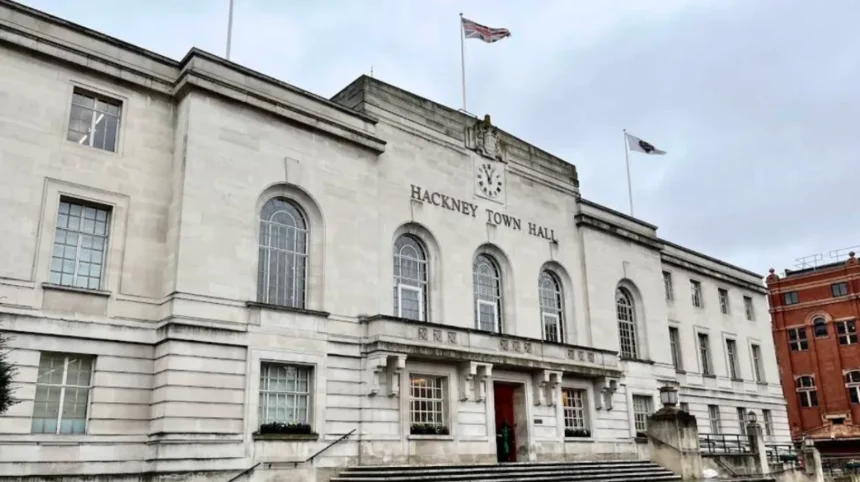
Hackney (East London Times) November 20, 2026 — Hackney Council could establish a free service to help private renters recover rent from landlords who breach housing regulations, under a proposal put forward by Green Party councillors in east London.
As reported by Josef Steen of MyLondon, the motion calls on Hackney’s Green Mayor, Zoë Garbett, and her cabinet to develop proposals for a service that would help private tenants apply to reclaim rent where their landlord has broken renting rules. The proposal comes as official figures show that the council is still owed almost £500,000 in unpaid landlord fines.
The initiative would affect Hackney’s approximately 34,000 privately rented households. Green councillors have urged the council to strengthen its enforcement of the Renters’ Rights Act 2025, which took effect in England on 1 May 2026.
What is Hackney proposing?
The motion, brought by Green Party backbenchers, asks the council to establish a free service to assist private tenants in applying for rent repayment orders, known as RROs. These are tribunal orders that can require a landlord to repay rent to a tenant, or in certain circumstances to a local housing authority, where an offence has been committed.
As reported by MyLondon, the motion states:
“Hackney should be a beacon for private renters, using the Renters’ Rights Act to the full.”
It also says the council should adopt the formal position that “a fine on a rogue landlord is finished only when the renter has been paid back”.
If adopted, the council would inform current and former tenants whenever a landlord receives a final notice or conviction. Council staff could then help tenants apply for an RRO, including by providing advice or managing their case, free of charge.
What has Mayor Garbett said?
Mayor Zoë Garbett told the Local Democracy Reporting Service that she “wholeheartedly” supported the idea. As reported by MyLondon, she said:
“This motion provides renters with systematic support, using council resources to help them get justice.”
The proposal has been put forward by Green councillors, including Cllr George Sheldon Grün, the Clissold ward representative and author of the motion.
Cllr Sheldon Grün told the Local Democracy Reporting Service that he was “genuinely inspired” by Labour Housing Secretary Angela Rayner for introducing the 2025 Act. As reported by MyLondon, he said:
“Right now, you’re more likely to be sanctioned as a benefits claimant than if you’re a landlord harassing tenants. If we oppose lawbreaking and fraud, then residents expect us to uphold the law for everyone, without fear or favour.”
How much is owed in fines?
Official figures show that Hackney Council issued 83 civil penalty notices to offending landlords between 2021 and 2025, amounting to £643,157 in fines. During that five-year period, the council collected £129,890, just over a fifth of the total owed.
Since the beginning of 2026, Hackney has collected a further £24,000, bringing the total amount recouped to £153,890. This leaves almost £500,000 in fines unpaid.
There is a discrepancy in the reported figures. Official reports state that Hackney has collected £160,390 in civil penalty fines since 2021, while figures provided by officers indicate that the total collected is £153,890.
What powers can councils use?
Under the Renters’ Rights Act 2025, councils have a legal duty to enforce the new private renting rules. The legislation also gives councils powers to impose civil penalties on landlords and, in certain circumstances, require landlords to repay prohibited advance rent payments to tenants.
Local authorities can impose civil penalties of up to £40,000 on landlords who breach housing law as an alternative to prosecution. The council keeps the proceeds of such penalties.
A First-tier Property Tribunal can commonly impose a rent repayment order where a landlord lets an unlicensed home, ignores improvement notices or harasses occupiers. Once a civil penalty becomes final, if an affected tenant has also applied for an RRO, the tribunal must award the maximum amount, which can be up to 24 months’ rent.
Criminal courts can impose unlimited fines for serious offences, including harassment and illegal evictions.
How would the service be funded?
Cllr Sheldon Grün said the proposed service would eventually pay for itself because it would be funded by fines imposed on non-compliant landlords, alongside money recovered through rent repayment orders.
The proposal would mean that, following every final notice or conviction, the council would inform affected tenants, whether current or former. Staff could then assist tenants with RRO applications at no cost.
Although tribunal-ordered rent repayments normally go to tenants, a local housing authority can apply for an RRO where rent has been paid partly or fully through welfare benefits. If the authority is the applicant, a tribunal can order the landlord to repay the benefit element to the council.
What have officers said?
Hackney Council has applied for an RRO only once, in 2021. In that case, a claimant had partially paid rent with benefits and the council claimed “just over” £3,000.
Senior housing officers argued that it would cost the council more to recover benefit-paid rent payments from law-breaking landlords than it could expect to recoup.
The council’s finance director also warned that local authorities can keep only Housing Benefit repayments. The officer argued that statutory provisions require Universal Credit clawbacks to be remitted to the Department for Work and Pensions.
However, statutory guidance published in November 2025 states that local authorities can keep money received through RROs, provided it is used for enforcement in the private rental sector. This conflicts with the earlier advice described by officers.
What would the service cost?
Officers said they would be “more than happy” to develop the proposed service. It has been estimated to cost the council at least £542,000 a year.
Another option would be for the council to commission a non-profit organisation, such as Justice For Tenants, to provide the support.
The motion is scheduled to be debated at Hackney’s next Full Council meeting on Wednesday, 25 November.
Background of the development
The Renters’ Rights Act 2025 came into effect in England on 1 May 2026 and places local authorities under a duty to enforce private renting legislation. The Act gives councils stronger enforcement powers, including civil penalties for breaches of housing law.gov+1
Hackney Council launched an expanded property licensing scheme in May 2026, less than a week before the Greens won the borough’s local elections. The scheme charges landlords £925 for single-let homes and £1,400 for houses in multiple occupation, known as HMOs.
Hackney Council has previously described its approach as a “zero tolerance” crackdown on rogue landlords. In September 2026, the council said it had begun the enforcement drive by fining one landlord £30,000 for failing to address fire safety concerns.
The council has also previously said that income from licensing fees would help fund a larger licensing team to inspect properties, work with landlords and take enforcement action against those who do not comply.
Prediction: how this could affect Hackney renters
If Hackney Council adopts the proposal, private tenants in the borough could receive more direct support when pursuing rent repayment from landlords who have breached housing rules. The proposed service could reduce the administrative and legal barriers that may prevent tenants from applying for an RRO.
For renters affected by unlicensed lets, ignored improvement notices or landlord harassment, the service could provide free advice and case management, potentially making it easier to recover up to 24 months’ rent where a tribunal grants the maximum order.
For landlords, the proposal could increase the likelihood that breaches result not only in a civil penalty but also in a rent repayment claim by affected tenants. The council’s consideration of the motion may also lead to closer coordination between enforcement action and tenant reimbursement.
The outcome will depend on whether the motion is approved at the Full Council meeting on 25 November and how the council chooses to fund and deliver the proposed service.