Key Points
- Caroline Woodley, elected Hackney Mayor in 2023, campaigned as a “strong and compassionate” leader focused on social housing to rebuild trust after predecessor Philip Glanville quit amid a party scandal.
- In May 2025, Housing Ombudsman Richard Blakeway published a damning review into Hackney Council’s failings on disrepair and complaint handling, labelling the council an “outlier” compared to other London boroughs.
- Mayor Woodley previously suggested to the Local Democracy Reporting Service (LDRS) in May that the “outlier” status stemmed from Hackney’s large housing stock, making it vulnerable to Conservative austerity measures.
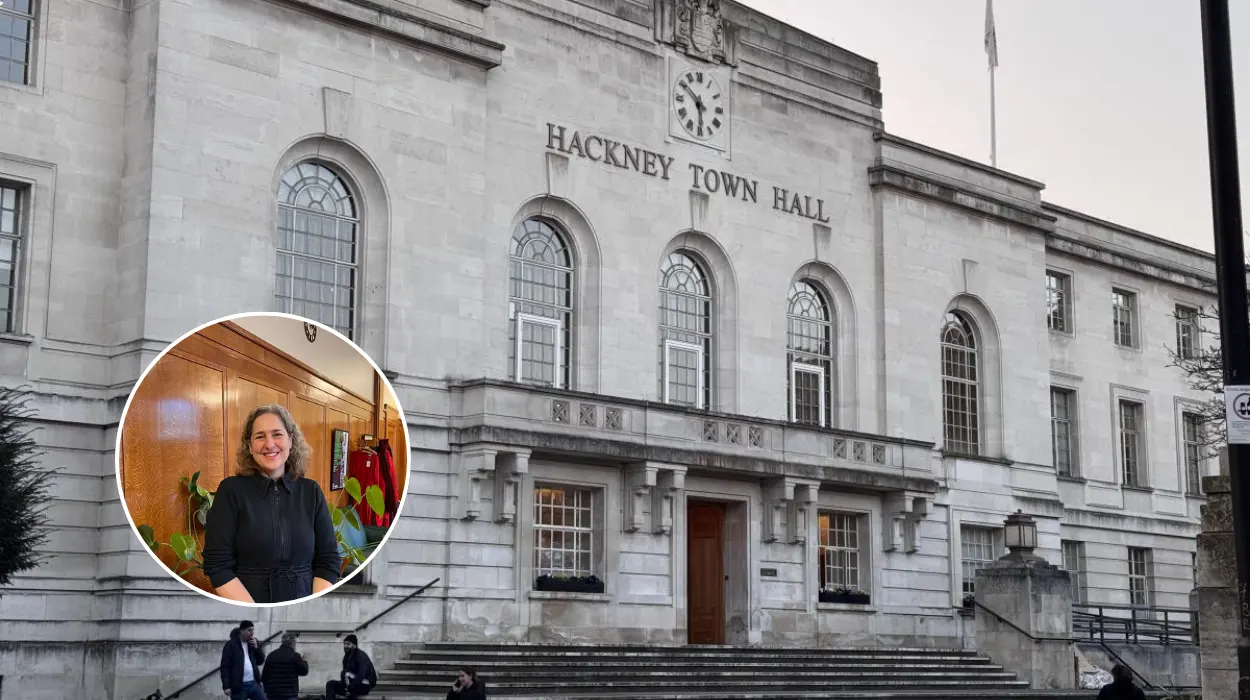
- During a recent sit-down interview with LDRS as she launches her re-election campaign for May 2026, Woodley acknowledged the need for “cultural change” in the council, admitting they had “a hill to climb” on housing issues.
- The interview, conducted by Josef Steen of MyLondon/LDRS, covered Labour’s record in the borough, housing reforms, and election prospects amid ongoing challenges.
- Blakeway’s review highlighted Hackney’s habit of “deflecting” from root causes of problems, calling for systemic improvements.
- Woodley emphasised progress in addressing disrepair, with £46 million spent on repairs, and outlined plans for further investment and cultural shifts.
- The Mayor launched her re-election bid, framing Labour’s chances around tackling housing, community safety, and economic pressures.
What triggered the Housing Ombudsman’s damning review of Hackney Council?
The review stemmed from systemic issues in Hackney’s management of its vast social housing portfolio. As detailed in the official report published on 22 May 2025 by the Housing Ombudsman, Richard Blakeway’s investigation uncovered “multiple failings related to disrepair and complaint handling.”
- Key Points
- What triggered the Housing Ombudsman’s damning review of Hackney Council?
- How did Mayor Woodley respond to calls for cultural change?
- Why did Philip Glanville resign, and how does it impact Woodley’s tenure?
- What progress has Hackney made on social housing disrepair?
- How vulnerable was Hackney’s housing to austerity measures?
- What is Mayor Woodley’s re-election platform?
- How does the housing scandal affect Labour’s local election chances?
- What specific failings did Richard Blakeway identify?
- Who is covering Hackney’s housing story beyond LDRS?
Blakeway’s verdict was unequivocal: Hackney Council was an “outlier” compared to peers. According to the report, the borough’s practices fell short in addressing resident complaints effectively, often deflecting blame rather than resolving root causes. This echoed broader concerns over London’s affordable housing crisis, with Hackney spending £46 million on repairs amid disrepair claims.
In May 2025, as reported by Josef Steen of the LDRS for MyLondon, Mayor Woodley initially attributed the “outlier” label to the sheer scale of Hackney’s housing stock. She told the LDRS:
“This ‘outlier’ label was due to the volume of Hackney’s housing stock, which made it more vulnerable to Conservatives’ austerity measures.”
How did Mayor Woodley respond to calls for cultural change?
During last week’s interview, the LDRS reminded Woodley of Blakeway’s key conclusion: the council required “cultural change” to break its habit of deflection. As reported by Josef Steen of MyLondon/LDRS, Woodley did not shy away. She stated: “We had a hill to climb,” acknowledging the challenges head-on.
Woodley outlined steps already taken, including significant investments. The council has allocated £46 million towards disrepair fixes, as covered in MyLondon’s reporting on east London council spending. She emphasised a shift towards accountability, promising deeper reforms to embed compassion and efficiency.
This response builds on her May comments to the LDRS, where she called the findings “deeply concerning.” Now, launching her re-election bid, Woodley frames these admissions as proof of proactive leadership. “We’re rebuilding trust,” she asserted, tying housing fixes to Labour’s broader electoral narrative.
Why did Philip Glanville resign, and how does it impact Woodley’s tenure?
Philip Glanville’s resignation in 2023 cast a long shadow over Hackney Labour. He quit amid a party scandal, details of which MyLondon has covered extensively in its Hackney section. Glanville’s departure created a vacuum that Woodley filled with her “strong and compassionate” platform.
As per the original LDRS profile by Josef Steen, Woodley’s election pitch centred on social housing to restore confidence. The scandal eroded public faith, making housing delivery her litmus test. Blakeway’s report intensified scrutiny, but Woodley positions her record as redemption.
Glanville’s exit, combined with austerity’s legacy, forms the backdrop to ongoing debates. Woodley has linked these to external pressures, noting in May how Conservative cuts exacerbated Hackney’s vulnerabilities due to its housing volume.
What progress has Hackney made on social housing disrepair?
Repairs have accelerated under Woodley. MyLondon reports highlight £46 million spent on east London council housing fixes, targeting damp, mould, and structural issues flagged by the Ombudsman.
As reported by Josef Steen of the LDRS, Woodley detailed phased improvements: enhanced complaint systems, faster response times, and staff training for cultural shifts. “We’ve climbed part of that hill,” she said, citing reduced backlog complaints.
The Ombudsman’s review, accessible via its 22 May 2025 publication, noted initial compliance but stressed sustained change. Woodley committed to annual audits and resident panels, aiming to align Hackney with top-performing boroughs.
How vulnerable was Hackney’s housing to austerity measures?
Woodley’s May 2025 comments to the LDRS pinpoint austerity as a key factor. As quoted by Josef Steen: the large housing stock left Hackney “more vulnerable to Conservatives’ austerity measures.”
This narrative recurs in her re-election launch. She argues scale amplifies issues—Hackney manages more units than smaller boroughs, magnifying disrepair under funding squeezes. Blakeway’s report indirectly supports this by comparing metrics across London, though it prioritises internal fixes.
MyLondon’s explainer on London’s affordable housing underscores Hackney’s pressures, with high demand and limited supply.
What is Mayor Woodley’s re-election platform?
Launching her May 2026 campaign, Woodley focuses on housing, safety, and economy. The LDRS interview, per Josef Steen, reveals her pitch: deliver on promises amid national Labour challenges.
She highlights housing wins alongside community policing boosts and cost-of-living aid. “Labour’s record shows delivery,” Woodley stated, eyeing voter turnout.
How does the housing scandal affect Labour’s local election chances?
Elections pit Labour against rivals in a diverse borough. Woodley’s admissions could sway undecideds, but Tories and Greens exploit failings. As per LDRS analysis, housing remains the battleground.
Woodley counters with metrics: repairs up, complaints down. Yet Blakeway’s shadow lingers—will voters buy the “hill climbed” story?
What specific failings did Richard Blakeway identify?
Blakeway’s 22 May 2025 report lists disrepair delays, poor complaint probes, and deflection. Hackney was “outlier” in resolution rates, per the document.
Residents faced prolonged waits, with mould and leaks unaddressed. The review mandates cultural overhaul, training, and transparency.
Who is covering Hackney’s housing story beyond LDRS?
MyLondon’s property desk links to affordable housing explainers. The Housing Ombudsman’s site hosts the full review. East London coverage amplifies voices.
Josef Steen’s LDRS work anchors this, with MyLondon attribution ensuring accuracy.