Key Points
- Year 3 pupils at Shoreditch Park Primary School in Hackney participated in a hands-on cooking workshop led by chef Karan Gokani.
- The interactive session aimed to teach primary school children how to cook dishes from scratch, develop vital life skills, and deepen their understanding of nutrition.
- London’s Deputy Mayor for Children and Families, Joanne McCartney, attended the event to observe the session and highlight the city’s school catering policies.
- The event showcased the ongoing practical impacts of the Mayor of London’s Universal Free School Meals initiative across state primary institutions.
- Under the universal policy, more than 129 million meals have been funded across London since September 2023, delivering daily lunches to up to 270,000 children.
- City officials estimate the scheme saves London families approximately £1,500 per child over a three-year period.
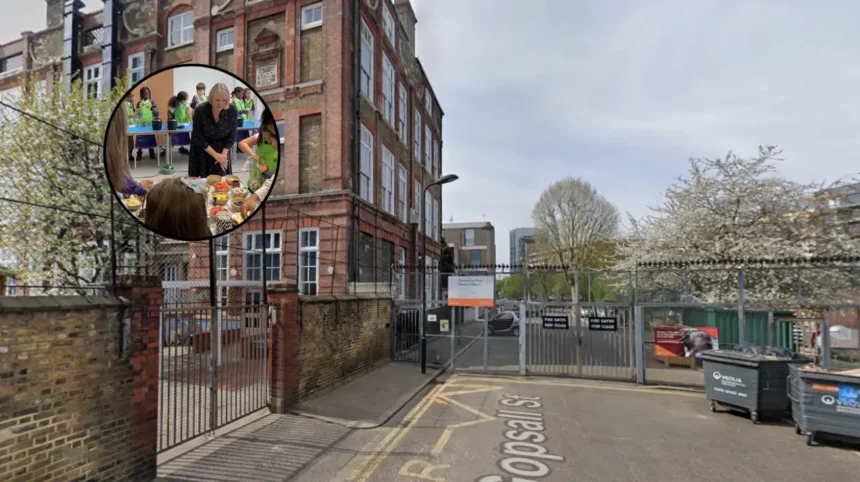
Hackney (East London Times) October 12, 2026 – Year 3 pupils at Shoreditch Park Primary School in Hackney have taken part in a practical cooking workshop designed to demonstrate the wider educational and nutritional benefits of London’s universal free school meals scheme. The session was conducted on Wednesday, October 9, in collaboration with Karan Gokani, chef and co-founder of Hoppers Restaurants, and attended by London’s Deputy Mayor for Children and Families, Joanne McCartney. During the workshop, children were guided through the process of preparing a complete dish from raw ingredients, providing them with fundamental culinary techniques and early education on balanced nutrition.
- Key Points
- What statements were made by city officials and event leaders?
- How extensively has the Universal Free School Meals policy operated across London?
- What is the background of the Universal Free School Meals policy in London?
- How will this development affect primary school families, educators, and local communities?
The practical event forms part of an ongoing partnership between Hoppers Restaurants and Shoreditch Park Primary School. Organisers structured the interactive session to foster confidence in the kitchen, encourage healthy eating habits, and promote cultural awareness through food.
What statements were made by city officials and event leaders?
As reported by Hackney Gazette, Joanne McCartney stated that
“It was a pleasure to join pupils at Shoreditch Park Primary School for a cooking workshop led by Karan Gokani. It’s a fantastic example of how food can bring learning, culture and communities together.”
McCartney further commented on the citywide policy, stating that
“We’re hugely proud of the impact that the mayor’s Universal Free School Meals programme has had on the capital, with these healthy school dinners having a positive influence on children’s health and wellbeing and strengthening school communities. That’s why for as long as Sadiq Khan is mayor of London, every child at a state primary school in the capital will receive a free, nutritious school meal, as we build a better London for everyone.”
Addressing the collaborative initiative, Karan Gokani stated that
“I’m thrilled to be working with Shoreditch Park Primary School on the mayor of London’s unprecedented Universal Free School Meals programme, something I care so deeply about. In a city like London, food is one of the most powerful ways we can bring people and cultures together.”
Gokani added that
“It’s a common language, rooted in family, tradition and love. If we can encourage children to be proud of the food they eat at home, while being curious about what their friends and neighbours eat, we can help build understanding from a really young age.”
Representing the educational institution, Penny Smith stated that
“At Shoreditch Park Primary School, we believe a healthy, nutritious lunch is an essential part of every child’s school day. The mayor’s free school meals programme supports families and helps ensure children are nourished and ready to learn.”
How extensively has the Universal Free School Meals policy operated across London?
All state primary school pupils across London have been eligible to receive free school meals since September 2023 following the introduction of the Mayor of London’s Universal Free School Meals scheme. Since the policy was formally implemented, the funding mechanism has provided more than 129 million meals to eligible children across the capital’s boroughs.
According to official figures released regarding the scheme, the emergency funding package currently subsidises and delivers daily school meals to up to 270,000 primary school children every school day. Financial evaluations of the programme indicate that the provision saves London households approximately £1,500 per child over a three-year academic period.
What is the background of the Universal Free School Meals policy in London?
The Universal Free School Meals initiative was introduced by the Mayor of London, Sadiq Khan, as an emergency measure in September 2023 to address rising living costs affecting households across the capital. Prior to the rollout of the universal policy, state-funded free school meals were restricted strictly to children from families receiving specific government benefits or low-income thresholds under national statutory criteria.
By expanding eligibility to every state primary pupil regardless of household income, London became the first major English region to establish universal primary provision. The policy was established to ensure that no primary school child experiences hunger during the school day, while simultaneously providing direct financial relief to working- and middle-income families who previously fell outside state welfare support thresholds. The scheme has since been extended across subsequent academic years as part of London’s broader public health and educational welfare strategies.
How will this development affect primary school families, educators, and local communities?
The continuation of practical culinary workshops alongside universal meal provision is expected to affect London families, educators, and pupils across several direct areas:
- Household Finances: Families with state primary school children will continue to save an estimated £500 annually per child, reducing pressure on domestic food budgets during ongoing cost-of-living adjustments.
- Child Nutrition and Health: Universal access to daily hot, balanced meals ensures consistent baseline nutrition for primary pupils, which clinical evidence links to improved concentration, physical development, and reduced absenteeism.
- Educational Engagement: Integrating interactive cooking workshops into the standard primary curriculum equips young children with practical culinary skills, encouraging healthier dietary habits and kitchen safety from an early age.
- Social and Cultural Integration: Collaborative food events help reduce social stigmas surrounding subsidized school meals while promoting cross-cultural awareness and community cohesion among diverse pupil populations.